LVHANG Blog

Integrated Rear Axle vs Split Rear Axle: What Tricycle Buyers Should Know

A practical rear axle guide for electric tricycle buyers comparing load capacity, maintenance, service cost and vehicle application.

Rear Axle Basics

The rear axle carries more daily risk than many buyers expect

An electric tricycle is built around several major systems: drivetrain, body and frame, cabin electrical system and motor system. Among them, the drivetrain is one of the highest-use and highest-wear areas. In everyday buyer language, this usually means the rear axle.

Rear axles are commonly discussed in two broad forms: integrated rear axles and split rear axles. They can both be used in electric tricycle applications, but they do not serve the same working conditions. Load, maintenance needs, road condition and repair convenience should all be considered before selection.

The best choice is not the most expensive option by default. It is the axle structure that matches the route, payload and service environment.

Vehicle duty cycle comes first: heavy cargo and difficult road conditions usually push the buyer toward a stronger integrated solution, while lighter-duty or leisure vehicles may benefit from the easier service path of a split axle.
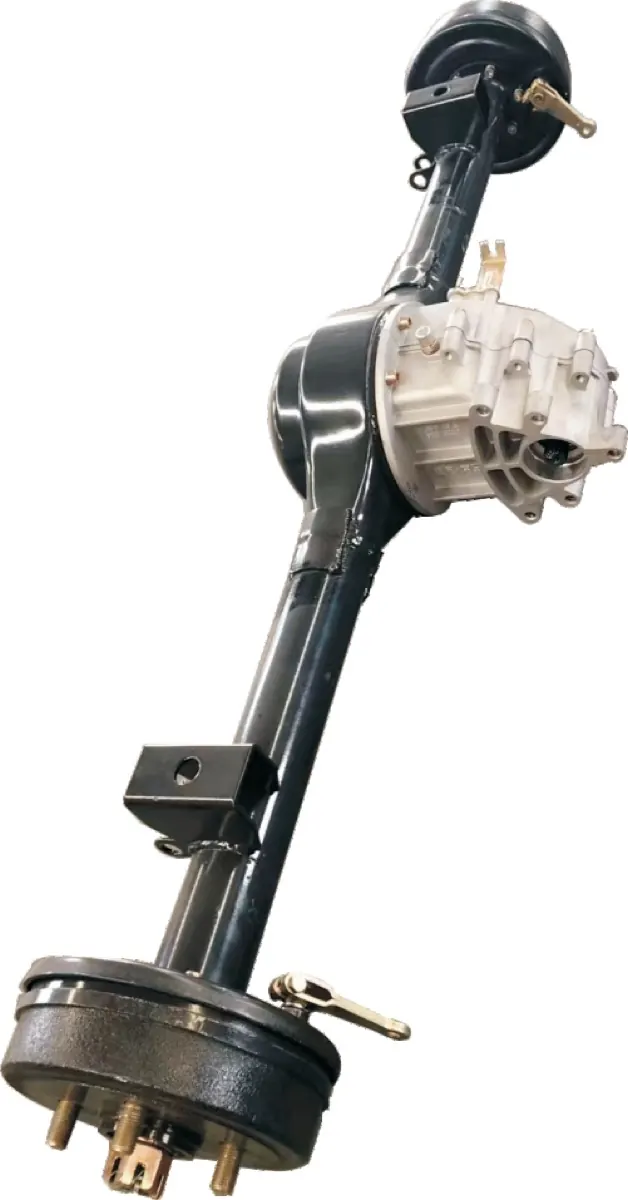
Integrated rear axle assembly for electric tricycle applications

Integrated Rear Axle

Higher load capacity for heavier-duty vehicles

Integrated rear axle structures are generally selected when the vehicle needs stronger carrying capacity and a more robust drivetrain layout.

View heavy-duty axle →

Comparison

How the two axle structures differ

This comparison is simplified for buyer communication. Final selection should still confirm vehicle type, load use, brake format and local service conditions.

Decision pointIntegrated rear axleSplit rear axleBuyer note
Load capacityGenerally stronger carrying capacity and better suited to larger or heavier-duty vehicles.Usually more suitable for lighter-duty, leisure or smaller vehicle applications.Choose by daily payload, not only by price.
Oil leakage and structural riskA more integrated structure can reduce some connection-point risks when matched correctly.Threaded flange and half-shaft tube connections can be more exposed to leakage or breakage if overloaded.Overload is the main risk regardless of axle type.
MaintenanceMay require more exact part matching if a core component needs replacement.Easier to disassemble and more convenient for routine repair or component replacement.Service network capability should influence selection.
Motor serviceReplacement often needs the same matching motor model and structure.Modification, enlargement, reduction and motor maintenance can be more flexible in some applications.Confirm motor and controller compatibility before ordering.
Typical applicationLarge cargo, heavier route duty and stronger load requirements.Leisure, lower-load or lower-frequency use where maintenance cost matters.Road condition and climbing demand should also be checked.

Selection Guide

How to choose in real applications

Heavy Cargo

Choose integrated when daily payload is high

Daily heavy-goods use usually points toward integrated rear axle options and stronger brake/drivetrain matching.

Rear axle parts →

Light Duty

Choose split when maintenance convenience matters

If the vehicle is used less often, carries lighter loads or needs lower maintenance cost, a split rear axle may be easier for daily servicing and repair.

View split axle →

Climbing & Rough Roads

Review differential and gear function

If the route includes slopes or uneven road surfaces, review differential and gear-shift requirements so the vehicle has enough climbing power and drivetrain support.

Check vehicle duty →
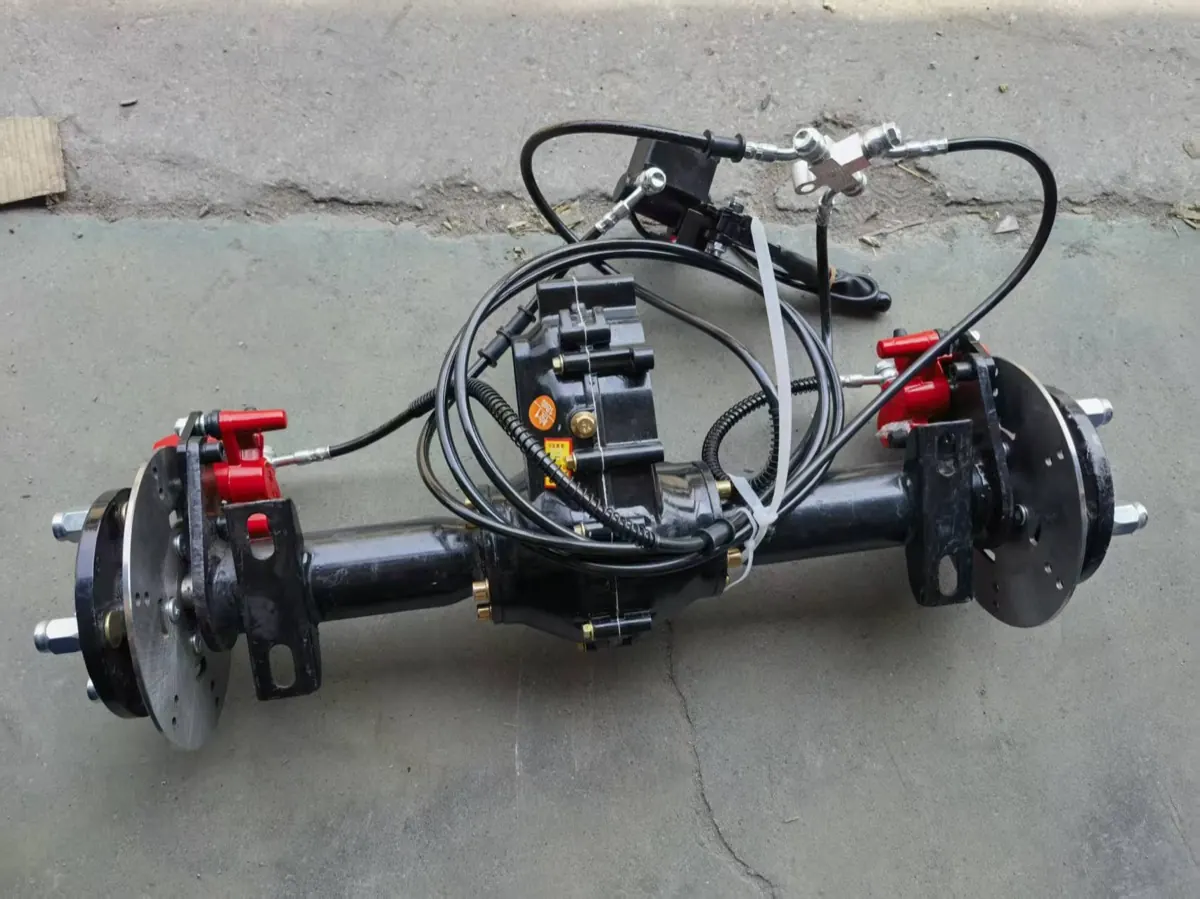
Split rear axle reference for electric tricycle service and replacement

Split Rear Axle

Service-friendly structure for suitable vehicles

Split rear axle selection should still confirm brake format, axle dimensions, vehicle model and intended load before quotation.

View split axle →

RFQ Data

What to send before asking for rear axle quotation

Full axle photo

Send photos from the left side, right side and full vehicle installation position.

Brake and shaft details

Confirm brake type, shaft size, hub format and mounting bracket dimensions.

Vehicle duty information

Tell the supplier whether the vehicle is cargo, passenger, leisure, golf cart or special application, and include daily payload if available.

Not sure which rear axle structure fits?

Send photos and vehicle use information. LVHANG will help confirm whether an integrated or split rear axle path is more suitable.