What Is an E-Rickshaw? Types, Uses and Key Components

2026-09-20 17:11:53

Egoco Blog

What Is an E-Rickshaw? Types, Uses and Key Components

An e-rickshaw is a battery-powered three-wheeled vehicle designed mainly for short-distance passenger transport, although some configurations combine passenger seating with cargo or utility functions. Depending on the market, similar vehicles may also be described as electric rickshaws, electric tuk-tuks or passenger electric tricycles. The name alone, however, does not define the vehicle specification. Passenger capacity, loading capacity, battery configuration, motor power, drivetrain, body size and route conditions all affect how an e-rickshaw should be selected. For a distributor or fleet buyer, understanding these relationships is more useful than simply asking whether two vehicles are both called “e-rickshaws.”

What Is an E-Rickshaw in Practical Vehicle Terms?

At its simplest, an e-rickshaw uses an electric power system instead of a conventional combustion-engine drivetrain. Energy stored in the battery is managed through the electrical system and controller, delivered to the motor and then transferred through the drivetrain to move the vehicle.

That basic description is useful, but it does not mean every e-rickshaw has the same construction or operating role. A compact passenger vehicle used for local taxi service may have very different loading, battery and body requirements from a larger vehicle used for tourism shuttle routes or mixed passenger-and-cargo transport.

This is why the question “what is e rickshaw?” should lead to a second question: what job is the vehicle expected to perform?

For buyers comparing complete vehicles, the Passenger & TukTuk vehicle category provides a useful view of how one general vehicle type can be divided into different configurations for passenger transport and related short-distance mobility applications.

How Does an E-Rickshaw Work?

The vehicle works as a connected system rather than as a collection of independent specifications. The basic operating relationship can be understood as:

Battery → Controller → Motor → Rear Axle / Drivetrain → Wheels

The battery stores electrical energy. The controller regulates how power is supplied to the motor. The motor converts electrical energy into mechanical output. The drivetrain transfers that output to the wheels. Suspension, brakes, tires, cabin electrical parts and vehicle structure then determine how that power is used in the complete vehicle.

This relationship matters when comparing models. A buyer cannot evaluate an e-rickshaw only by motor wattage. Motor power needs to be considered together with system voltage, vehicle weight, intended load, battery configuration, wheel and axle setup and the route where the vehicle will operate.

Battery and Range Are Connected to the Whole Vehicle

Battery capacity is often one of the first specifications buyers compare, but a larger battery figure does not independently define vehicle suitability. Vehicle weight, loading, operating speed, route conditions and electrical configuration all influence the operating requirement.

Battery chemistry can also differ between models. For example, verified product data within the passenger vehicle range includes both lead-acid and lithium-ion battery configurations. These should not be treated as interchangeable quotation lines without reviewing the full vehicle specification.

The Motor Does Not Work Alone

The motor needs to match the controller, voltage platform and drivetrain. If a quotation shows only a motor power number without explaining the corresponding vehicle configuration, two apparently similar offers may represent different complete systems.

For procurement, this creates an important rule: compare the power system as a configuration, not one specification at a time.

What Are the Main Types of E-Rickshaw?

E-rickshaws can be organized by application rather than by name alone. Three practical groups are particularly relevant when reviewing passenger and mixed-use electric tricycles.

Passenger E-Rickshaw for Local Transport

A passenger e-rickshaw is designed around covered passenger movement and short-distance routes. Typical applications may include local taxi service, passenger routes, tourism transport and campus mobility where the selected vehicle configuration is suitable for the route.

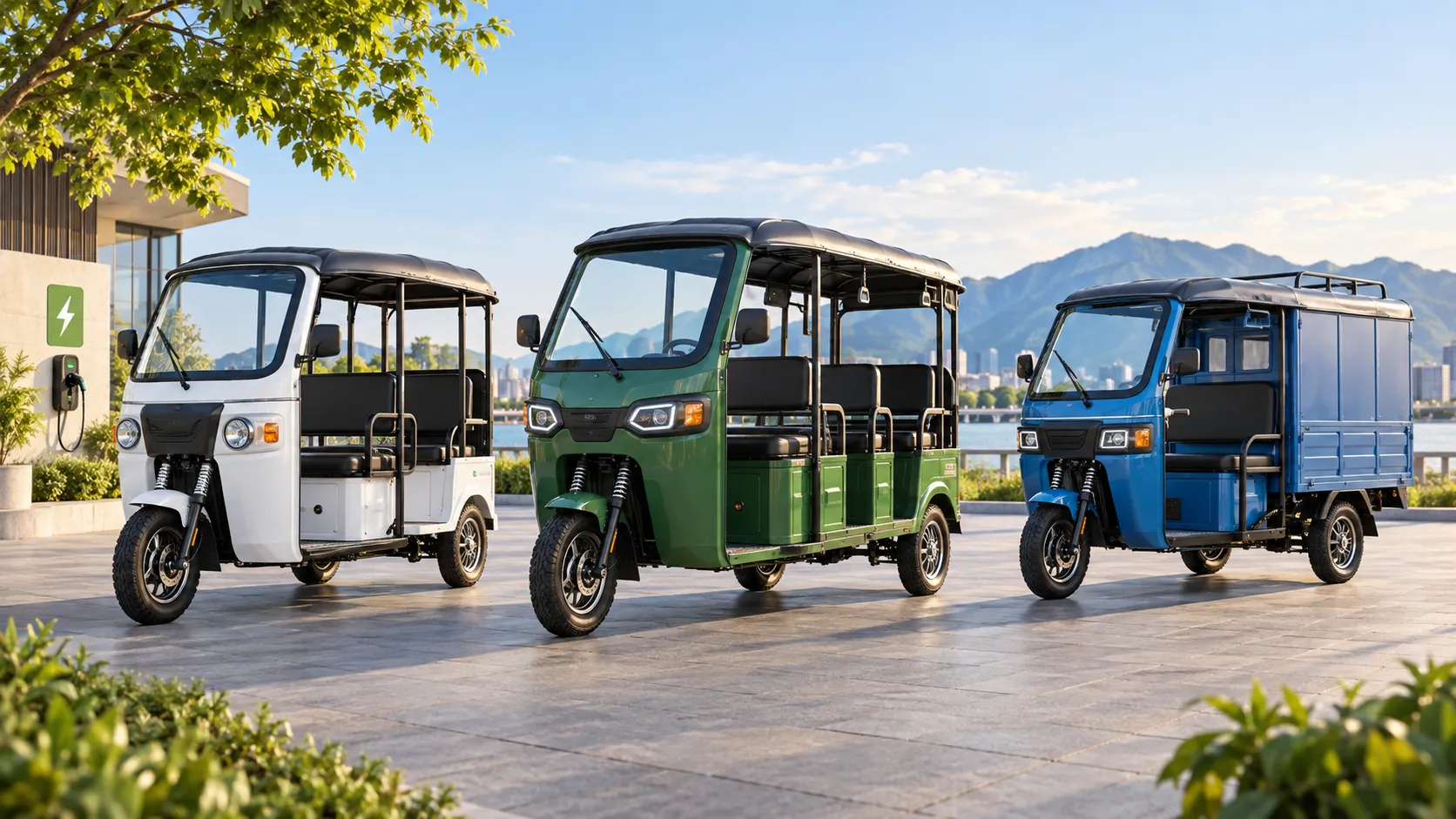
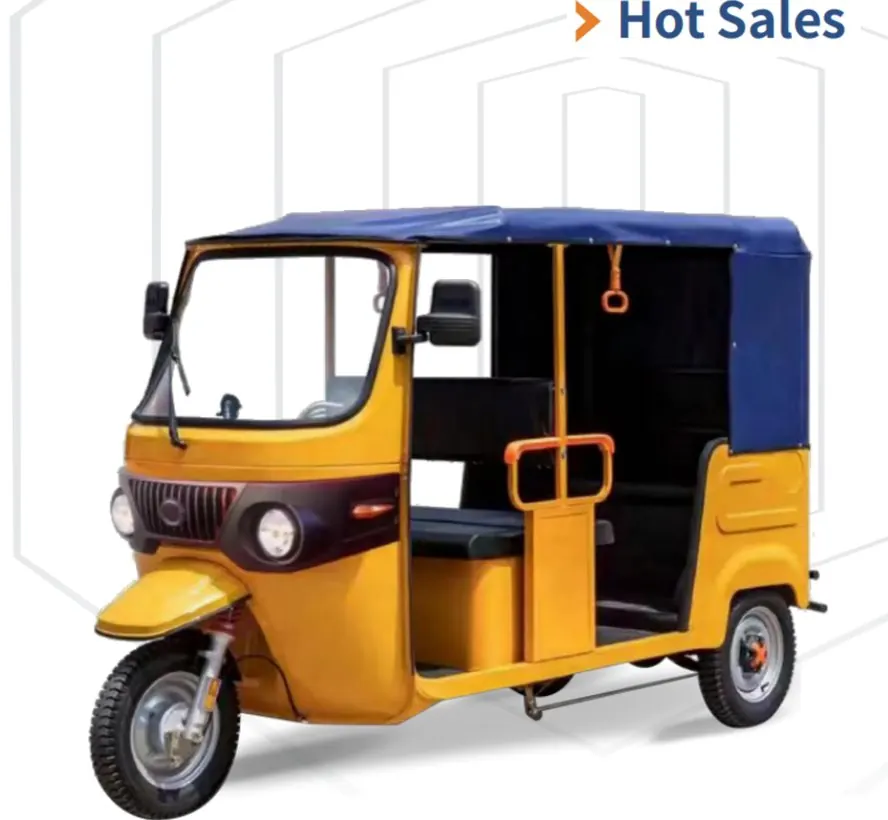
One verified example is the Tuktuk Passenger Electric Tricycle. Its published vehicle data lists a 60V 3000W motor, 52Ah lead-acid battery, 500 kg loading capacity, 60 km mileage reference and 40 km/h maximum speed. The listed applications include local taxi service, passenger routes, tourism and campus transport.

These figures describe this specific model. They should not be treated as a universal e-rickshaw specification.

Higher-Capacity Passenger E-Rickshaw

When the operating requirement changes, the complete vehicle configuration also changes. A larger passenger vehicle may require a different body, loading reference, battery platform and drivetrain specification.

For example, Tuktuk-MAX is listed with a 72V 3000W motor, 100Ah lithium-ion battery, 1000 kg loading capacity, 100 km mileage reference and 50 km/h maximum speed. Its stated applications include higher-capacity passenger routes, tourism shuttle and local mobility programs.

The important point is not that one set of specifications is automatically better. The important point is that a buyer should match the specification to the operating requirement.

Passenger-Cargo Electric TukTuk

Some three-wheel vehicles sit between passenger transport and cargo utility use. In this case, body layout and load requirement become more important than the general “rickshaw” label.

The Yunhai 1.8 Passenger-Cargo Electric TukTuk, for example, has published data including a 3000W motor, 1000 kg loading capacity and a larger body intended for mixed passenger and cargo duty. Its configuration therefore answers a different operating requirement from a smaller local passenger vehicle.
Why Passenger Capacity and Loading Capacity Must Be Separated

Passenger count and loading capacity are related, but they are not the same specification.

A vehicle may have a stated seating arrangement, while loading capacity describes the broader weight requirement that the vehicle configuration is designed around. Passenger weight, luggage, cargo, body structure and operating conditions can all affect how the vehicle needs to be specified.

For this reason, an RFQ that says only “need an eight-seat e-rickshaw” leaves important engineering and commercial questions unanswered. The supplier still needs to understand whether the vehicle will carry passengers only, passengers plus luggage, or a mixture of passengers and cargo.

A more useful decision chain is:

Transport requirement → Passenger/load requirement → Vehicle size → Power and drivetrain configuration → Battery requirement → Final model selection.

Skipping the early steps can result in selecting a model from a photo or seat count while overlooking the load or operating requirement that actually determines vehicle suitability.

How Battery, Motor and Load Interact

A useful way to understand an electric passenger tricycle is to compare actual configurations rather than isolated specifications.

Vehicle ReferenceMotorBatteryLoading CapacityMileage ReferenceMaximum Speed
Tuktuk Passenger Electric Tricycle60V 3000W52Ah lead-acid500 kg60 km40 km/h
Tuktuk-MAX Passenger Electric Tricycle72V 3000W100Ah lithium-ion1000 kg100 km50 km/h
Yunhai 1.8 Passenger-Cargo Electric TukTuk3000WConfiguration should be confirmed for the quoted vehicle1000 kg40–50 km25 / 45 km/h reference

The first two models illustrate an important procurement point. Both list a 3000W motor, yet their voltage, battery type, battery capacity, loading capacity, mileage reference and vehicle dimensions are different. A motor-power comparison alone therefore cannot determine whether the vehicles are equivalent.

The Yunhai passenger-cargo model introduces another variable: duty type. Its larger passenger-cargo configuration means the buyer is no longer evaluating exactly the same transport task.

This is why a professional vehicle comparison should start with application and load, then move into battery and power-system specifications.

Which E-Rickshaw Specification Matters Most for Your Route?

There is no single specification that determines the right vehicle. Several variables need to be read together.

Route Length

Daily operating distance helps define the required energy and charging plan. The published mileage figure of a vehicle can be used as a model reference, but actual procurement should still consider the operating route, expected load and charging arrangement rather than relying on mileage alone.

Passenger and Cargo Duty

A local passenger route and mixed passenger-cargo duty create different requirements. If cargo or luggage is routinely carried, that should be stated in the RFQ rather than added after the vehicle has already been selected.

Road and Operating Environment

Route conditions affect more than comfort. Tires, suspension, braking and vehicle dimensions can become part of the selection decision. A vehicle intended for a controlled campus route, for example, should not automatically be assumed to fit a different road or regulatory environment.

After-Sales Parts Planning

For distributors and fleet operators, the complete vehicle is only the first procurement decision. Controllers, motors, braking parts, lighting and cabin electrical parts may also become relevant during service life.

Matching service parts to the final vehicle configuration is therefore useful before the first order, especially when the buyer is building local maintenance stock.

What Should Buyers Verify Before Ordering an E-Rickshaw?

A product photo confirms very little about the complete vehicle specification. A useful technical review should confirm the data that materially affects fit for the intended route.

  • Vehicle dimensions: verify overall length, width and height where access, storage or transport space matters.
  • Loading capacity: confirm the stated load reference against the intended passenger and cargo duty.
  • Motor and system voltage: review them as part of the complete power configuration rather than as separate marketing numbers.
  • Battery: confirm chemistry, capacity and the configuration supplied with the quoted vehicle.
  • Mileage reference: understand the published reference and clarify the configuration on which the quotation is based.
  • Tires, brakes and suspension: verify the offered specification for the final model rather than assuming that all passenger tuk-tuks use the same components.
  • Parts support: identify the controller, motor, brake, lighting and cabin parts that correspond to the selected configuration.

The purpose of this verification is not to create a longer specification sheet. It is to make sure the vehicle being quoted is the same vehicle the buyer believes is being evaluated.

When Does the E-Rickshaw Selection Change?

A vehicle recommendation changes when the operating requirement changes.

A compact passenger configuration may fit local passenger movement but not a higher-load mixed-duty application. A larger battery may support a different mileage requirement but also belongs to a different complete vehicle configuration. A higher loading reference may require a different body and drivetrain arrangement.

Destination-market rules can also affect the final configuration and procurement process. Vehicle classification, permitted use, registration and road-access requirements are jurisdiction-specific and should be checked for the destination market before a buyer treats any generic e-rickshaw configuration as automatically suitable for public-road operation.

This boundary is important: the term e-rickshaw describes a vehicle family, not a universal specification.

How to Prepare an E-Rickshaw RFQ

A useful RFQ should allow the supplier to select or confirm a configuration instead of guessing from a short product name.

State whether the vehicle is for passenger, passenger-cargo or utility use.

Provide the expected passenger requirement.

Describe luggage or cargo carried during normal operation.

State the expected route or daily mileage requirement.

Identify battery preference if one has already been defined.

Provide motor or system-voltage requirements if they are fixed by the project.

State order quantity and destination market.

Clarify body, cabin or seating requirements that affect vehicle selection.

Identify whether matching service or replacement parts should be included in the quotation discussion.

The supplier response should then identify the offered model and the configuration on which the quotation is based. This makes later comparison much easier because passenger capacity, battery, motor, load and vehicle scope can be reviewed together.

Once the application is defined, the next step is to compare the relevant passenger vehicle configuration and prepare a structured e-rickshaw quotation request with the route, load, quantity and destination information needed for model confirmation.

Prepare Your E-Rickshaw RFQ