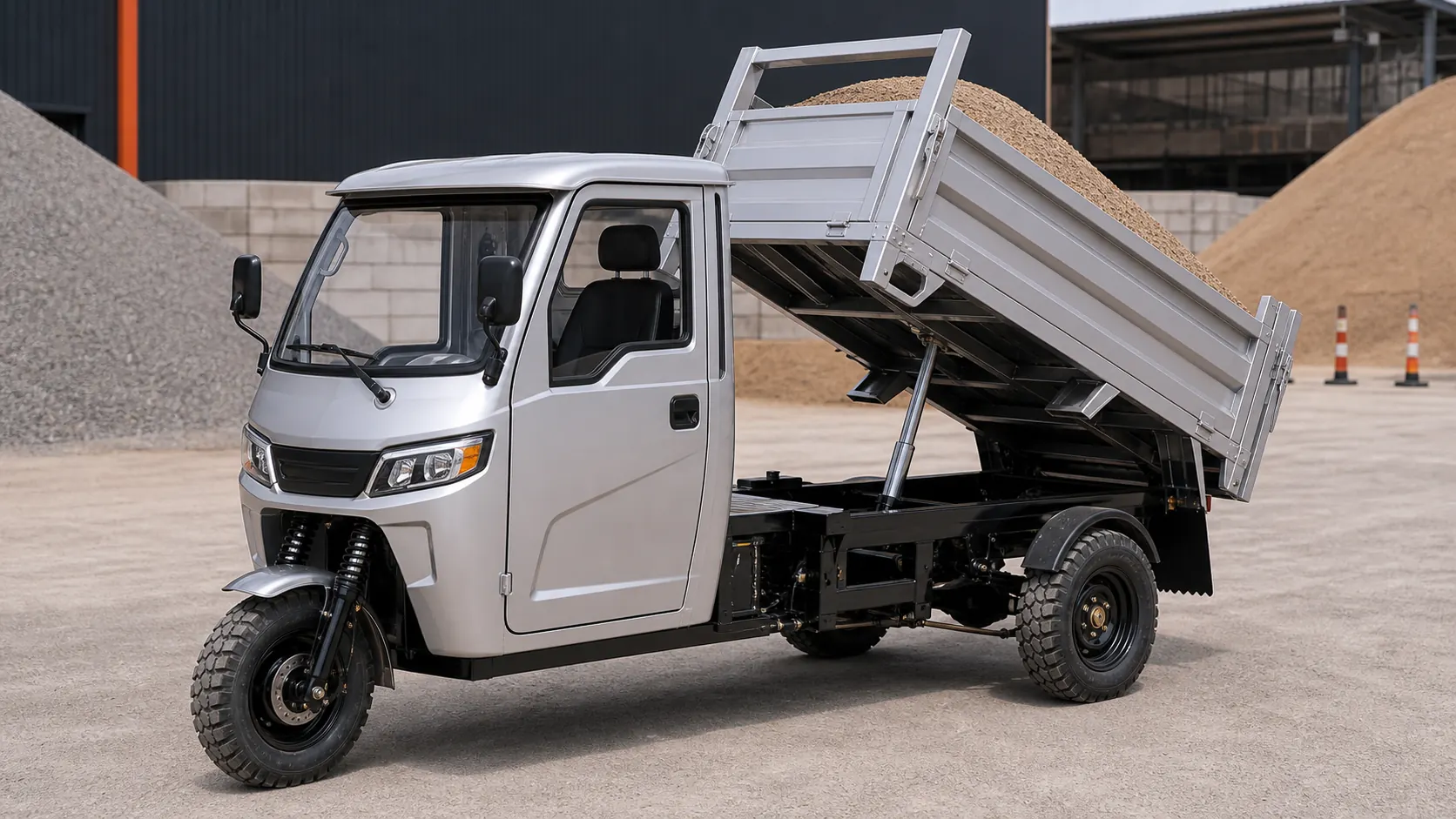
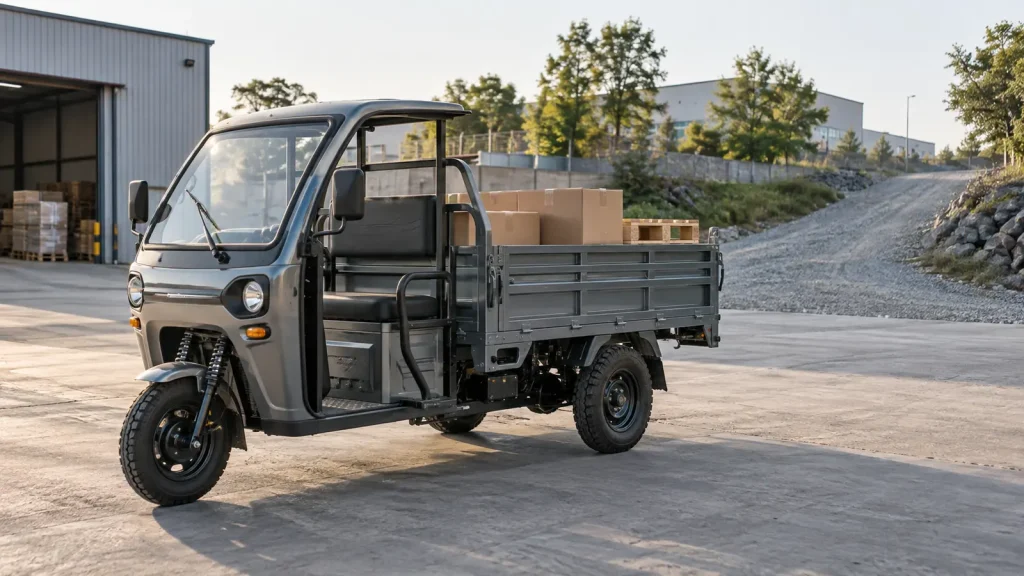
HPZ20 Cargo Electric Tricycle
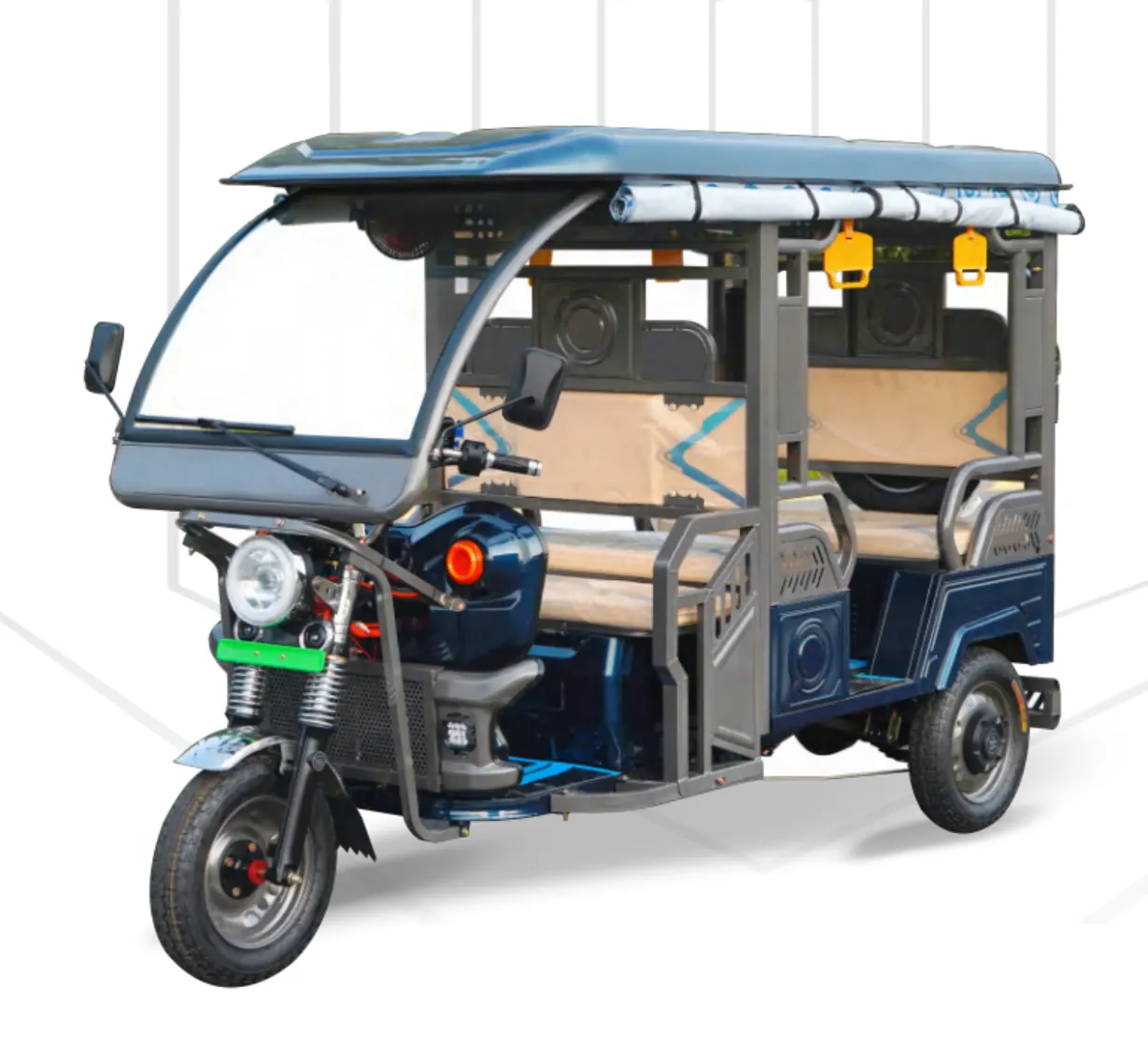
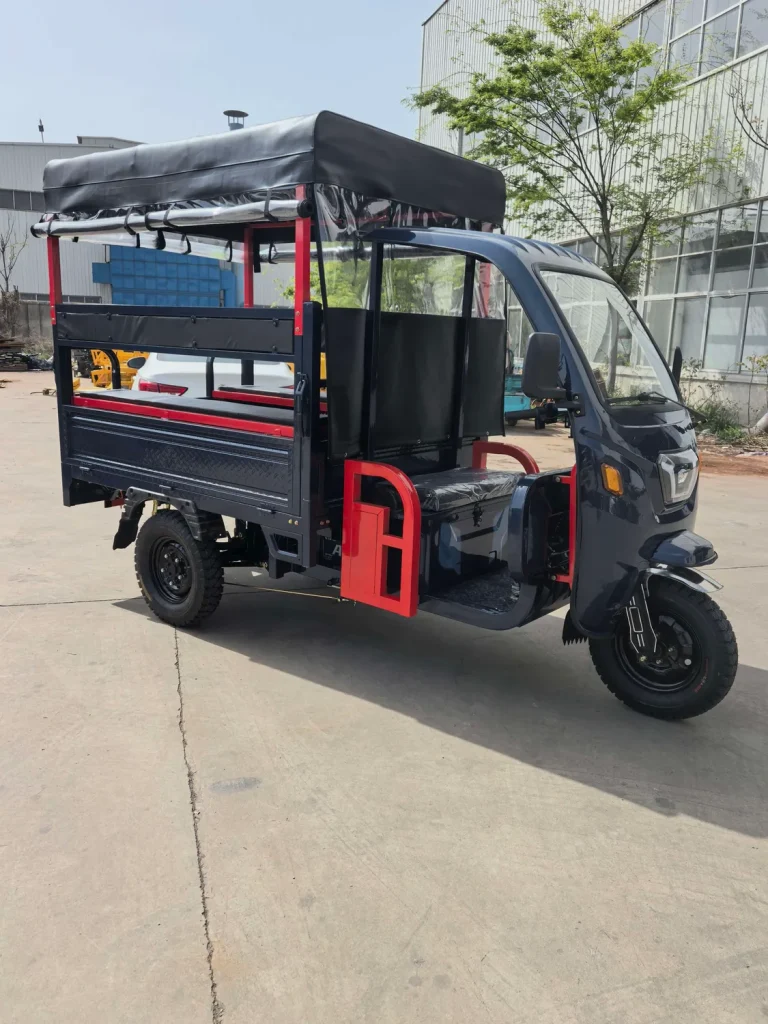
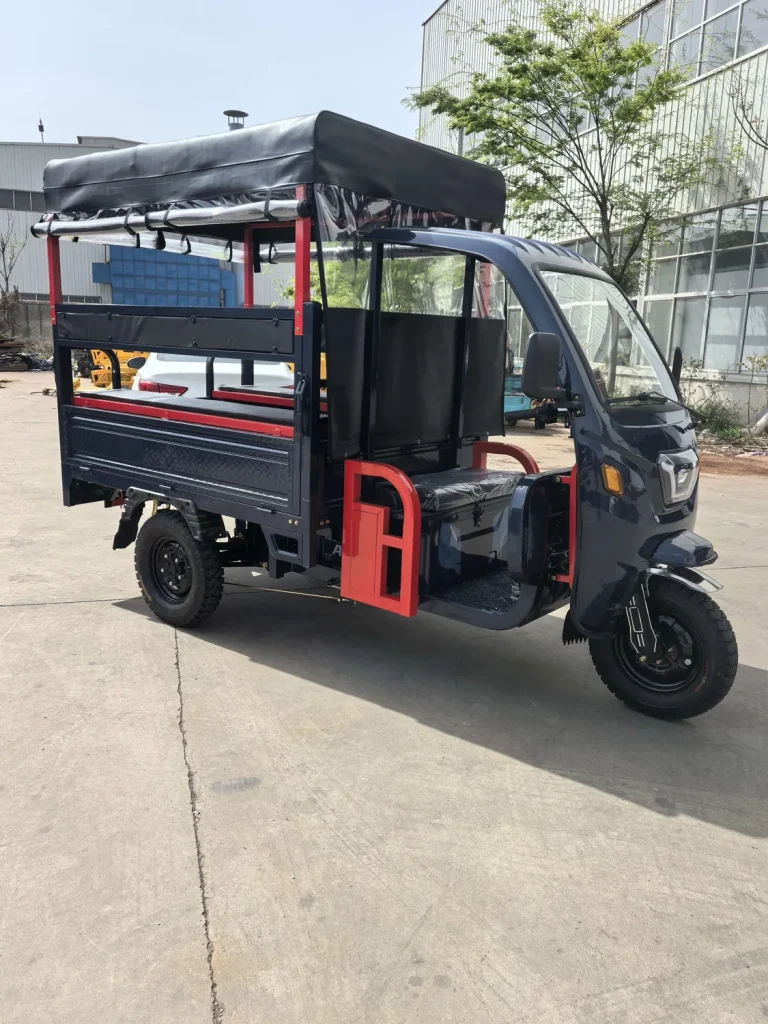
HPZ20 Cargo Electric Tricycle complete vehicle detail for export buyers, with market fit, configuration notes, RFQ preparation and optional matching parts support.
Read MoreElectric Trikes for NZ Use | Xuzhou LVHANG Vehicle Industry Co., Ltd.
An electric trike for New Zealand needs to match the job first: passenger mobility, local delivery, site transport, farm use, or cargo movement. The main buying decision is not just battery size or appearance; it is whether the trike can carry the intended load safely on the roads, paths, slopes, and stopping distances it will face.
For buyers in NZ, the practical questions are model type, load space, rider comfort, battery serviceability, spare parts, and the paperwork needed before shipment. Xuzhou LVHANG Vehicle Industry Co., Ltd. can be contacted with the route, load, and usage details so the discussion starts with the real duty cycle rather than a generic trike description.
HPZ20 Cargo Electric Tricycle complete vehicle detail for export buyers, with market fit, configuration notes, RFQ preparation and optional matching parts support.
Read More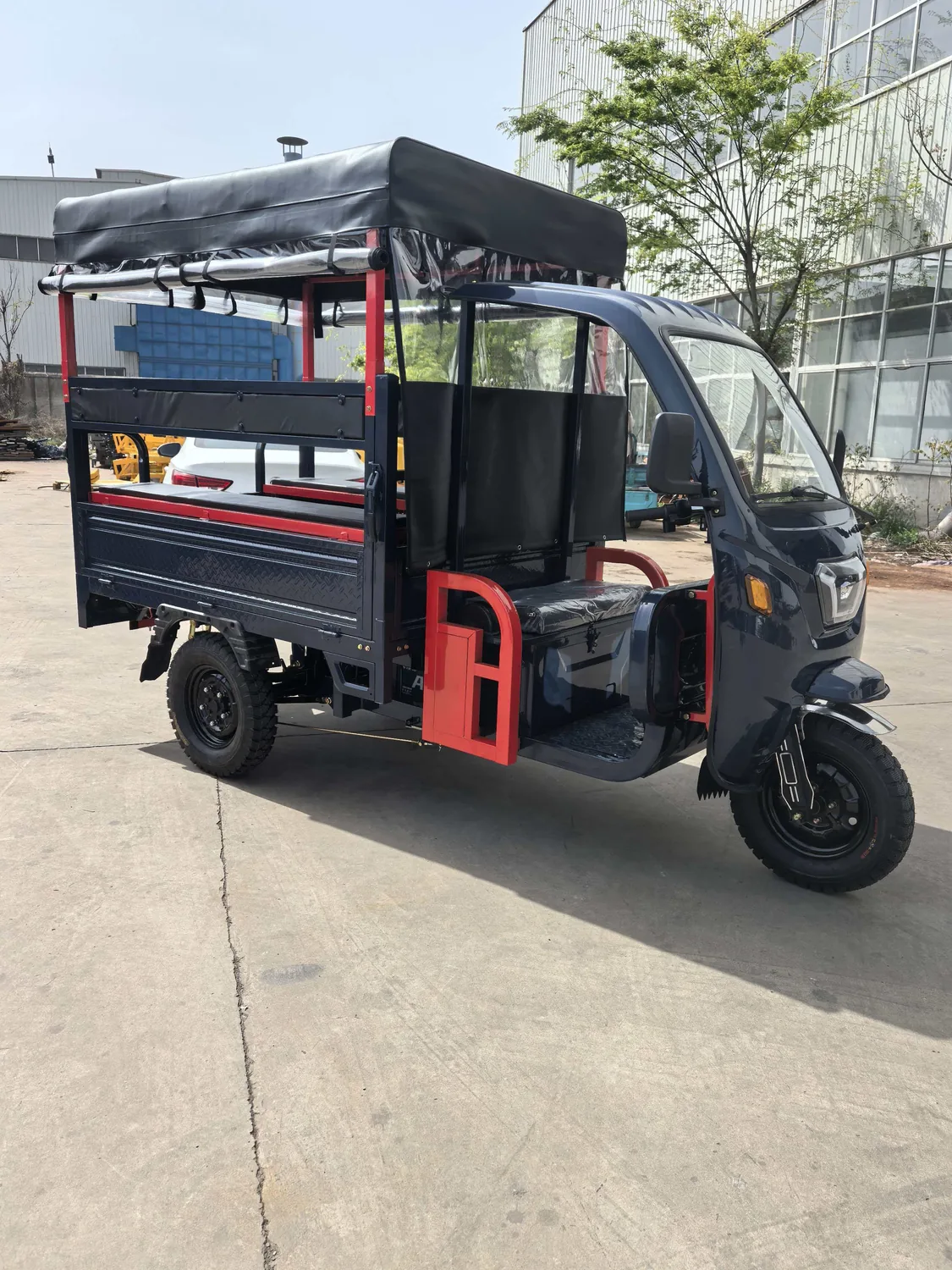
A Yunhai 1.8 passenger-cargo electric tuktuk with 3000W motor reference, 1000 kg loading capacity and a larger body for mixed passenger and cargo duty.
Read More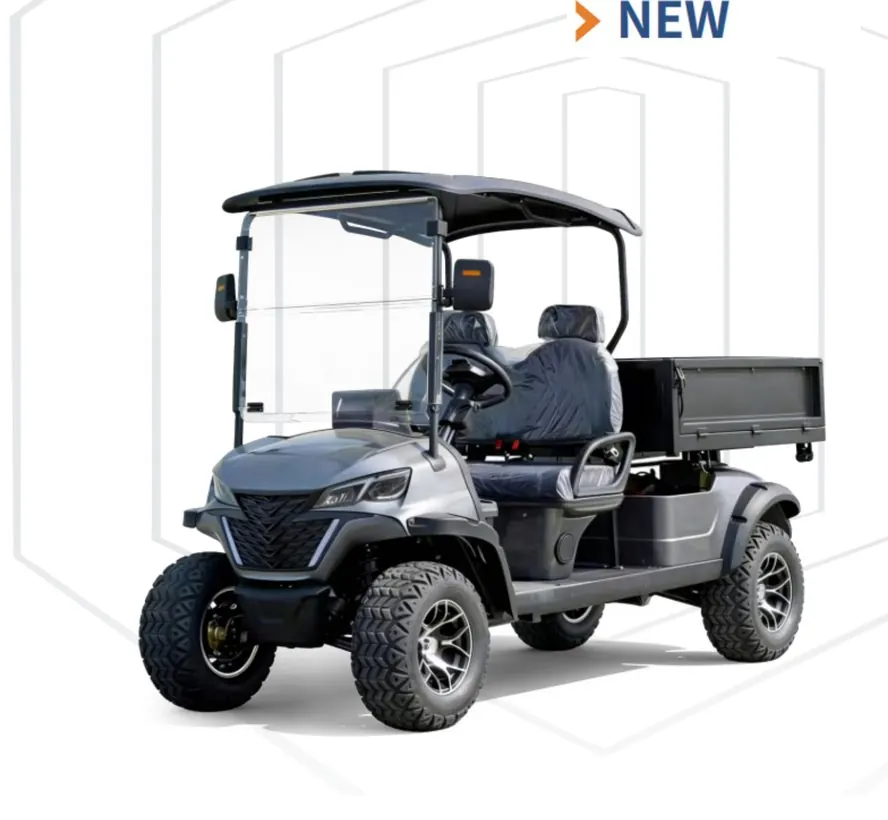
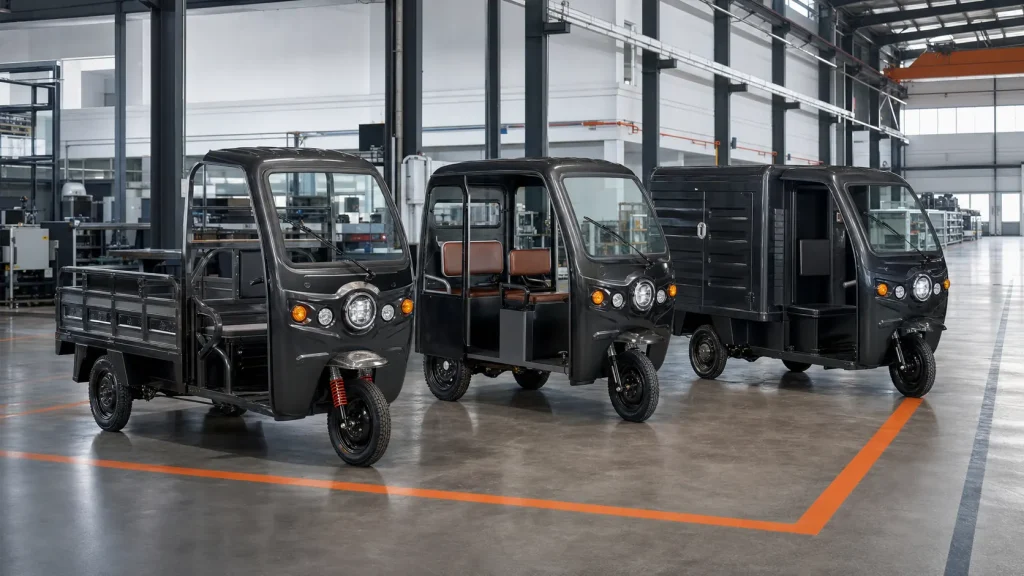
A utility electric tricycle for resort operations, light cargo movement and mixed passenger-service routes where compact size and serviceable drive parts matter.
Read More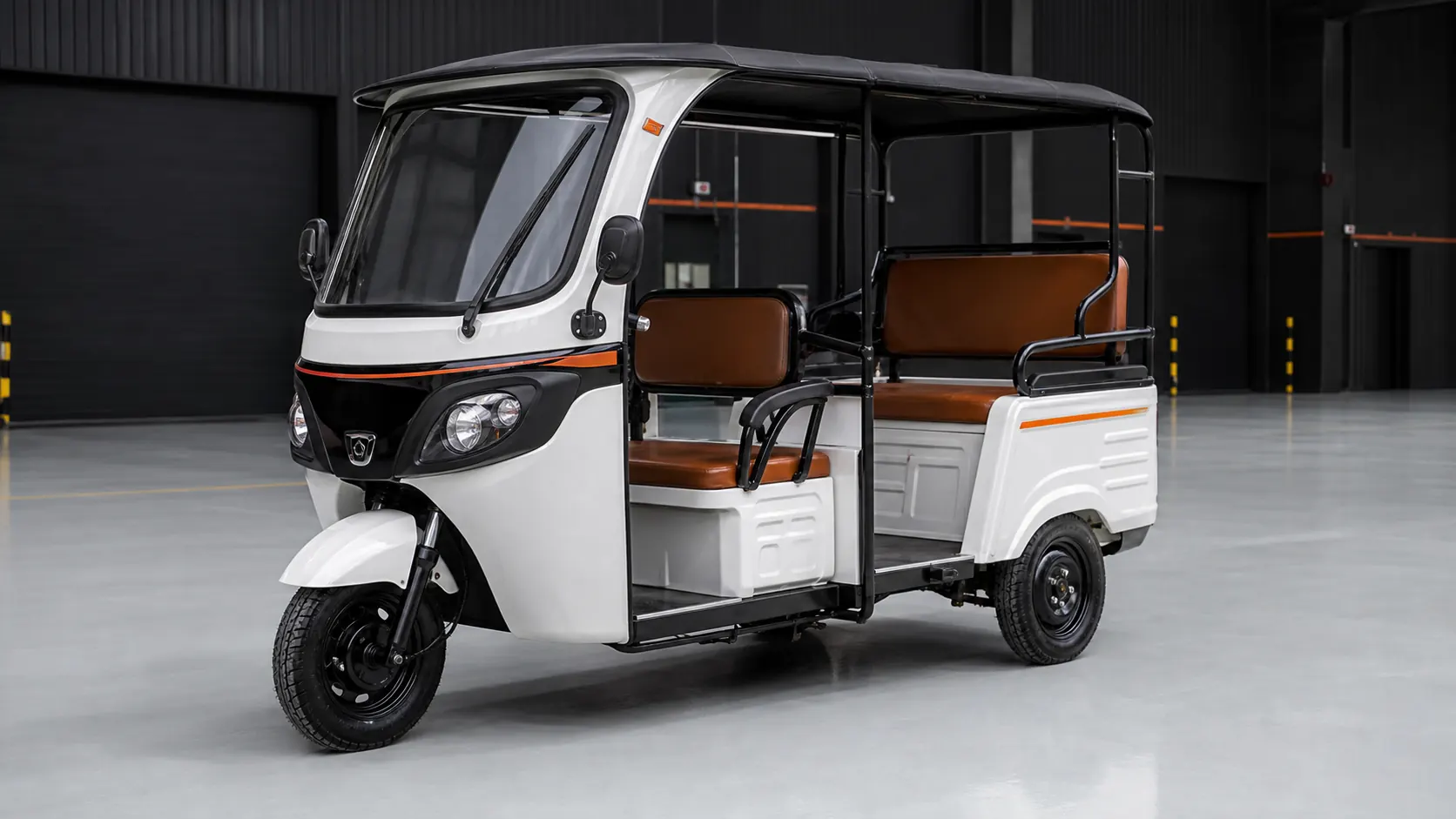
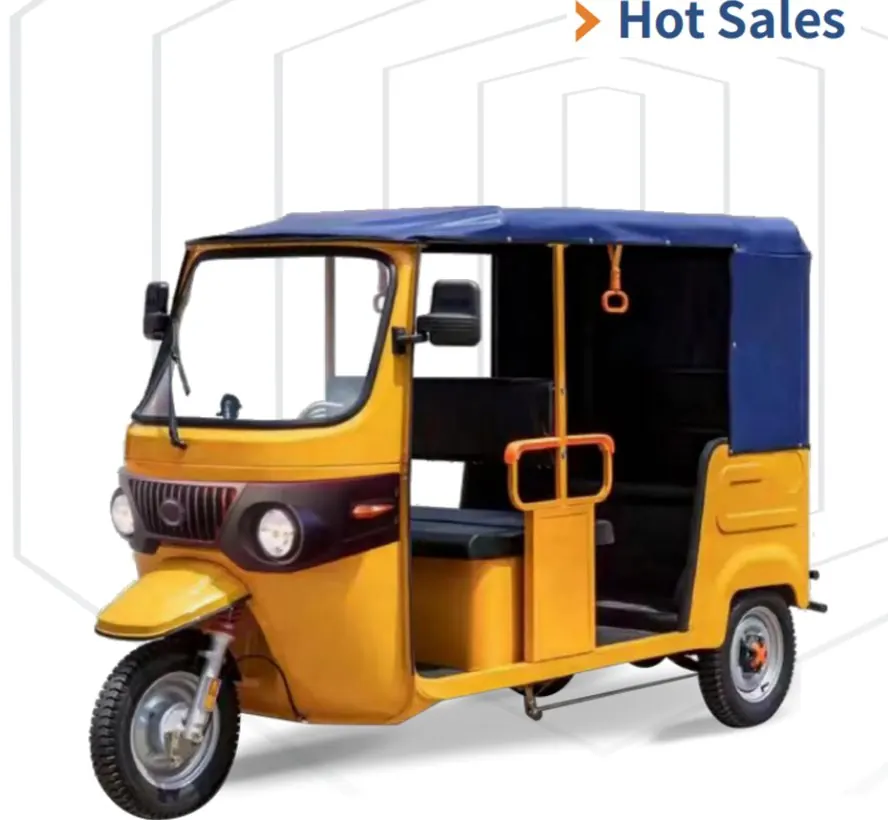
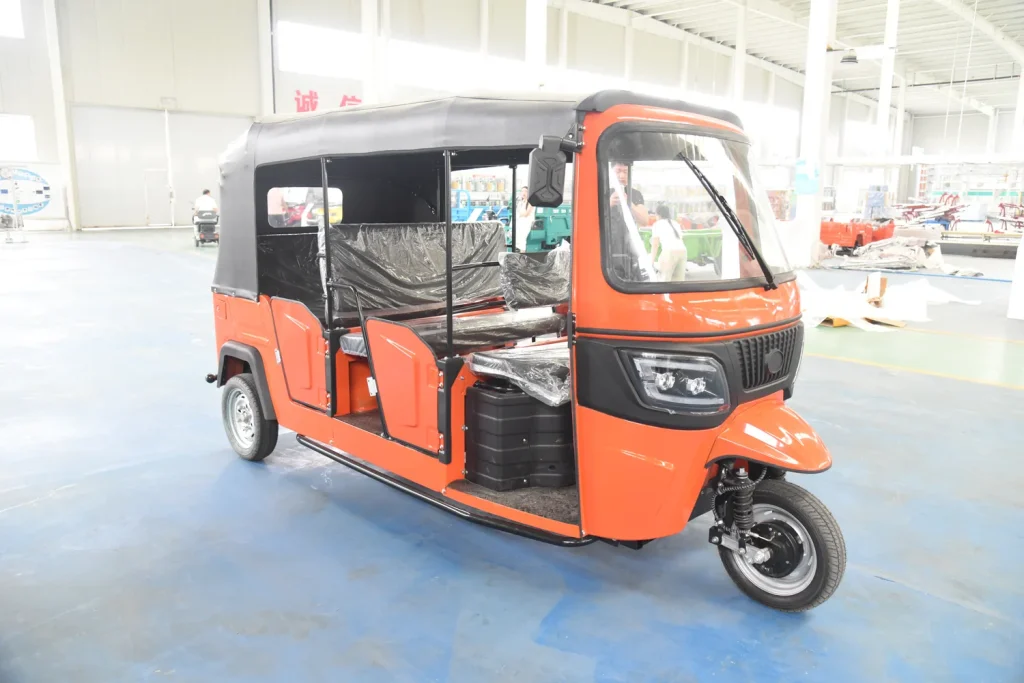
K01 Passenger Electric Tricycle complete vehicle detail for export buyers, with market fit, configuration notes, RFQ preparation and optional matching parts support.
Read More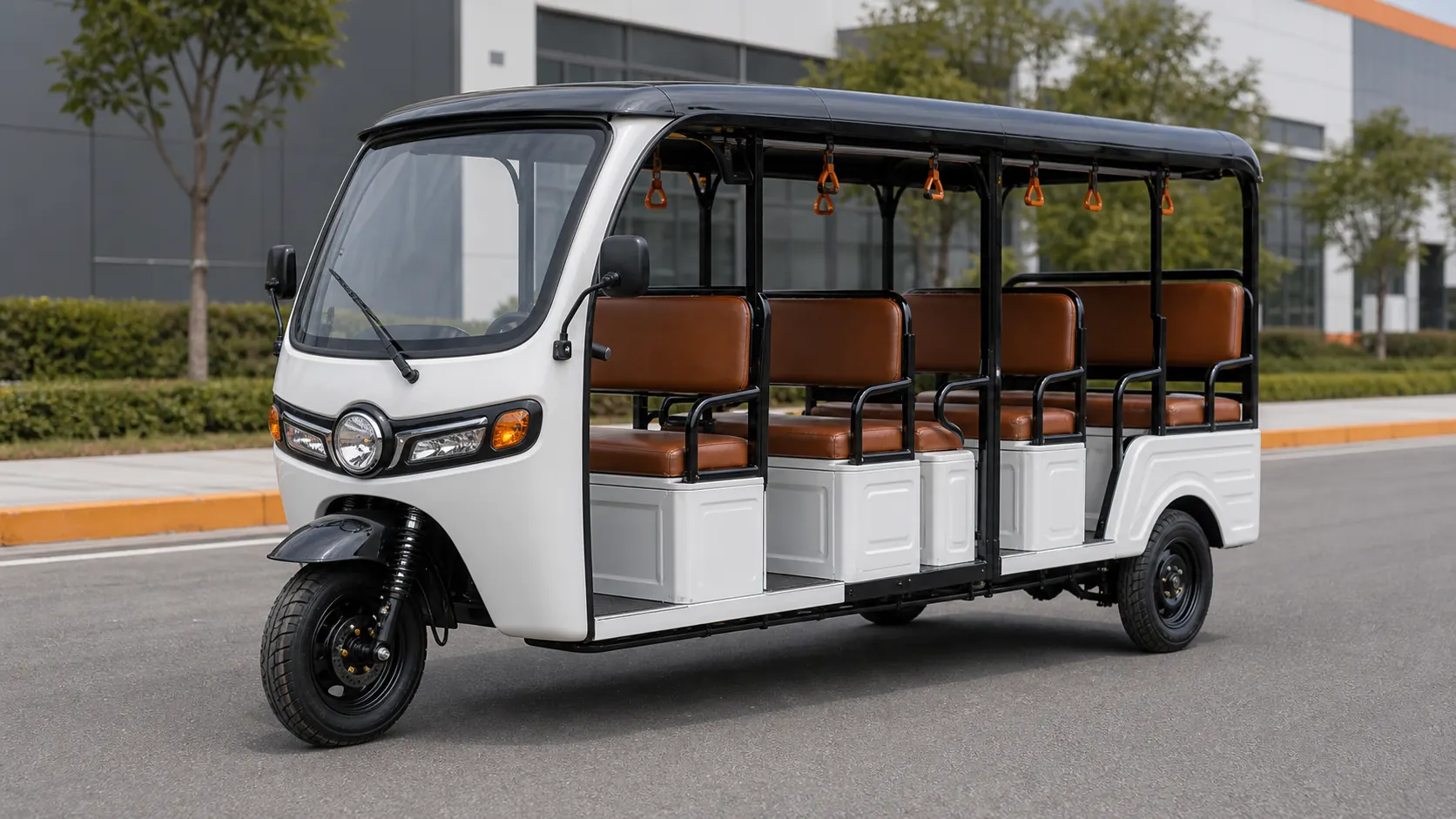
K03 Passenger Electric Tricycle complete vehicle detail for export buyers, with market fit, configuration notes, RFQ preparation and optional matching parts support.
Read More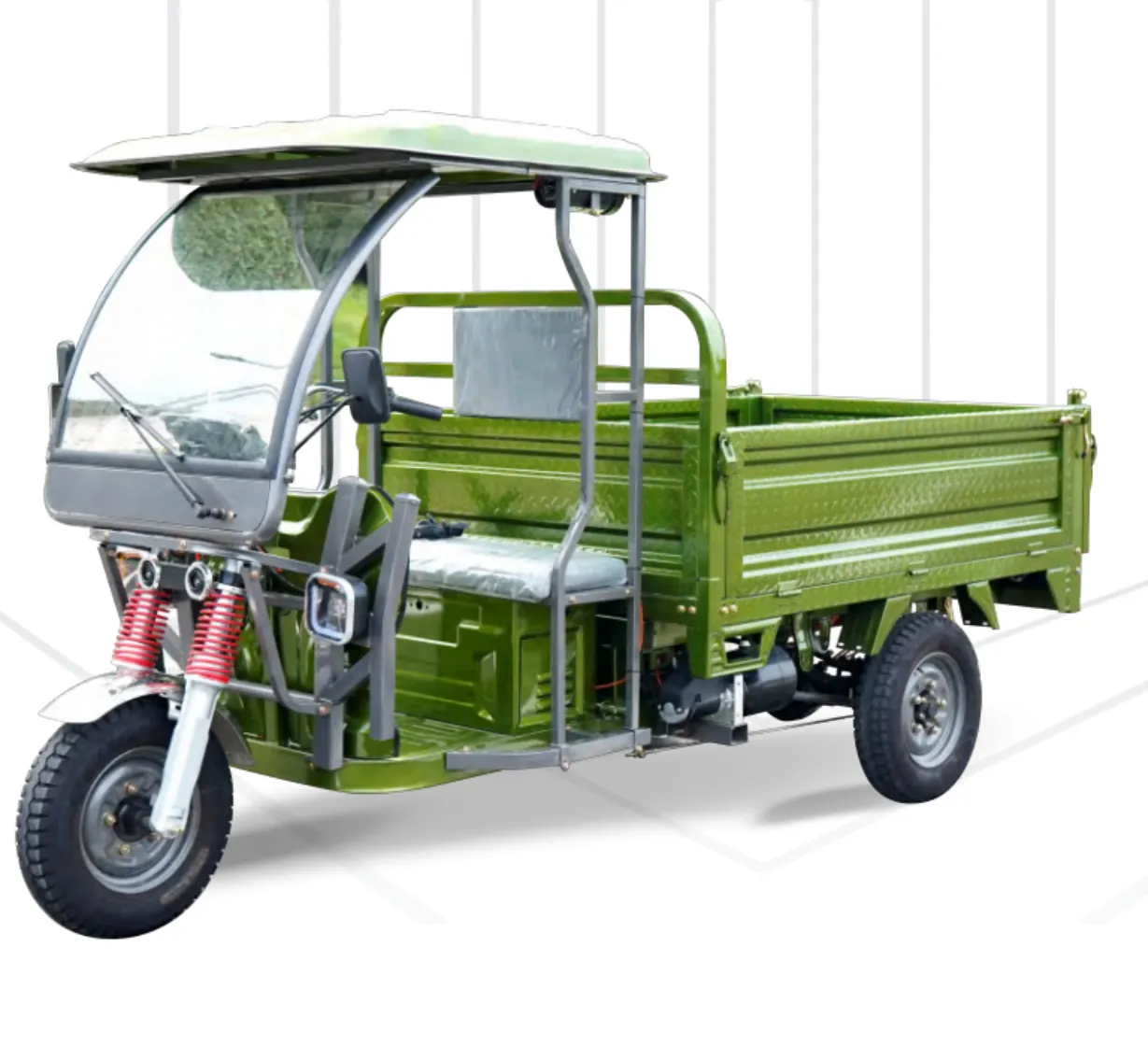
A heavy cargo electric tricycle with 1800 x 1300 mm cargo box reference and 100Ah lithium battery for stronger route work.
Read MoreElectric trike selection points
Compare electric trikes by duty type, carrying layout, braking needs, comfort, battery access, charger compatibility, spare-part support, and the documents required for shipment to NZ. The right choice depends on the route and load more than on a single headline specification.
| Criterion | What To Check | Why It Matters | Buyer Tip |
|---|---|---|---|
| Cargo or passenger layout and usable load space | Compare the stated payload, deck or seat dimensions, tie-down points, and how weight is distributed across the frame. | A trike carrying boxes has different balance and access needs from one carrying a passenger. Overloading or placing weight too high can affect steering and braking. | Ask, “Can you provide a dimensioned drawing and confirm the recommended payload for my load type?” |
| Battery, charger, and daily route fit | Confirm battery type and capacity, charger input requirements, removable-battery options, and the expected range under the intended load and terrain. | Hills, stop-start work, cold weather, payload, and charging access can reduce practical range. A battery that cannot be removed may not suit a site without a nearby outlet. | Ask, “What range should I plan for on my route with the loaded trike, and can the charger be used with my available power supply?” |
| Frame width, turning space, and stability | Compare overall width, wheelbase, turning circle, ground clearance, tyre size, suspension, and parking-space requirements. | A wide or long trike may be stable on open roads but difficult in narrow gates, paths, loading areas, or storage rooms. The route matters as much as the motor. | Send a simple route sketch and ask, “Will this configuration fit through my narrowest access and turn in my tightest area?” |
| Braking and control equipment for the intended use | Verify the brake arrangement, parking brake, lighting, mirrors, horn, controls, and any supplied safety equipment in the exact configuration quoted. | Frequent stops, downhill sections, passengers, and heavier cargo place different demands on control and stopping performance. Equipment can also vary between base and optional versions. | Ask for the complete equipment list and clarify which safety and control components are included rather than optional. |
| Parts, service, and support for buyers in New Zealand | Confirm the warranty process, replacement-part availability, troubleshooting support, service documentation, and who handles support after delivery. | A small fault can keep a work trike off the road if parts or technical guidance are difficult to obtain. Imported vehicles may also need clear procedures for batteries, chargers, and transport damage. | Ask, “Which parts can be supplied separately, how are warranty issues handled from New Zealand, and what service documents are provided?” |
The biggest distinction is between a personal electric trike and a cargo electric trike. A personal model usually prioritizes seating position, low-speed stability, and ease of mounting. A cargo model needs a stronger rear frame, suitable cargo box or platform, effective braking under load, and enough traction for starts on inclines.
This matters in New Zealand because many routes combine short urban trips with hills, driveways, wet weather, and mixed surfaces. A trike that feels adequate on flat pavement may struggle if it carries tools, parcels, food deliveries, or farm supplies every day. Before comparing models, define the heaviest normal load, the steepest regular climb, and whether the trike will operate mainly on private property, local streets, or controlled work sites.
Start with the use case. Passenger transport, mobility support, delivery work, and utility hauling place different demands on the frame, seating, suspension, cargo area, and access height. A rear cargo box may suit parcels, while an open bed may suit crates or site materials. If the trike will carry a person as well as goods, confirm the seating layout and safe load arrangement rather than assuming a cargo platform can double as passenger space.
Check route conditions before choosing the battery and drive setup. Short flat trips, repeated stop-start delivery, long rural runs, and hilly suburbs do not use energy in the same way. Wet roads and loose surfaces also affect braking and tire choice. A common mistake is to ask only for maximum range while ignoring the loaded route, charging window, and the ability to replace or service the battery later.
Think about compliance and after-sales support early. For NZ use, ask what documents, vehicle markings, charger information, battery transport details, and product identification can be supplied for your importer, freight forwarder, or local compliance adviser to review. Do not leave this until after production, because paperwork and configuration details can affect shipping and registration or operating decisions.
The next useful step is to prepare a short duty summary: intended use, expected load, rider or driver count, daily distance, terrain, storage space, charging location, and whether the trike needs an enclosed cab, open cargo bed, or passenger-style layout. With those details, the conversation can move from a general electric trike inquiry to a model and configuration that fit the work.
| Criteria | Importance | Description | Example Options |
|---|---|---|---|
| Personal transport vs cargo use | High importance because the frame layout and seating arrangement affect safety and daily convenience. | Personal transport models usually prioritize rider access, comfort, and low-speed stability. Cargo versions need secure load space, suitable suspension, and controlled braking under load. | A rider using a trike for short local trips may prefer easy mounting, while a parcel route may need an enclosed cargo box. |
| Route terrain and surface | High importance for New Zealand routes with hills, driveways, wet weather, or mixed surfaces. | Climbs, repeated stops, and slippery surfaces place more demand on the drive system, tires, and brakes than flat pavement does. | A short hilly delivery route can require more careful specification than a longer flat route with fewer stops. |
| Cargo body style | Moderate to high importance because the cargo format determines what can be carried securely. | An enclosed box protects parcels and small goods, while an open bed can suit crates, tools, or site materials. The load should not interfere with rider control or visibility. | Food delivery may favor an enclosed compartment, while farm errands may favor an open platform. |
| Battery and charging arrangement | Important for operating cost, downtime, and service planning. | Battery choice should reflect daily distance, load, gradients, and available charging time. Buyers should also ask how the battery is accessed, serviced, and packed for transport. | A trike used in two work shifts may need a different charging plan from one used for occasional private-site trips. |
| Documentation and after-sales support | Important before shipment because paperwork and service details can affect the buying decision. | Ask what product identification, charger information, battery transport details, manuals, and spare-part information can be supplied for review by your importer, freight forwarder, or local adviser. | Before confirming an order, a buyer can ask Xuzhou LVHANG Vehicle Industry Co., Ltd. which documents are available for the selected configuration. |
Related Options
For a New Zealand delivery route, the priority may be stable low-speed handling with a secure cargo box. For private-property transport or farm errands, ground clearance, simple loading, and easy maintenance may matter more. Match the trike layout to the daily task before narrowing the model options.
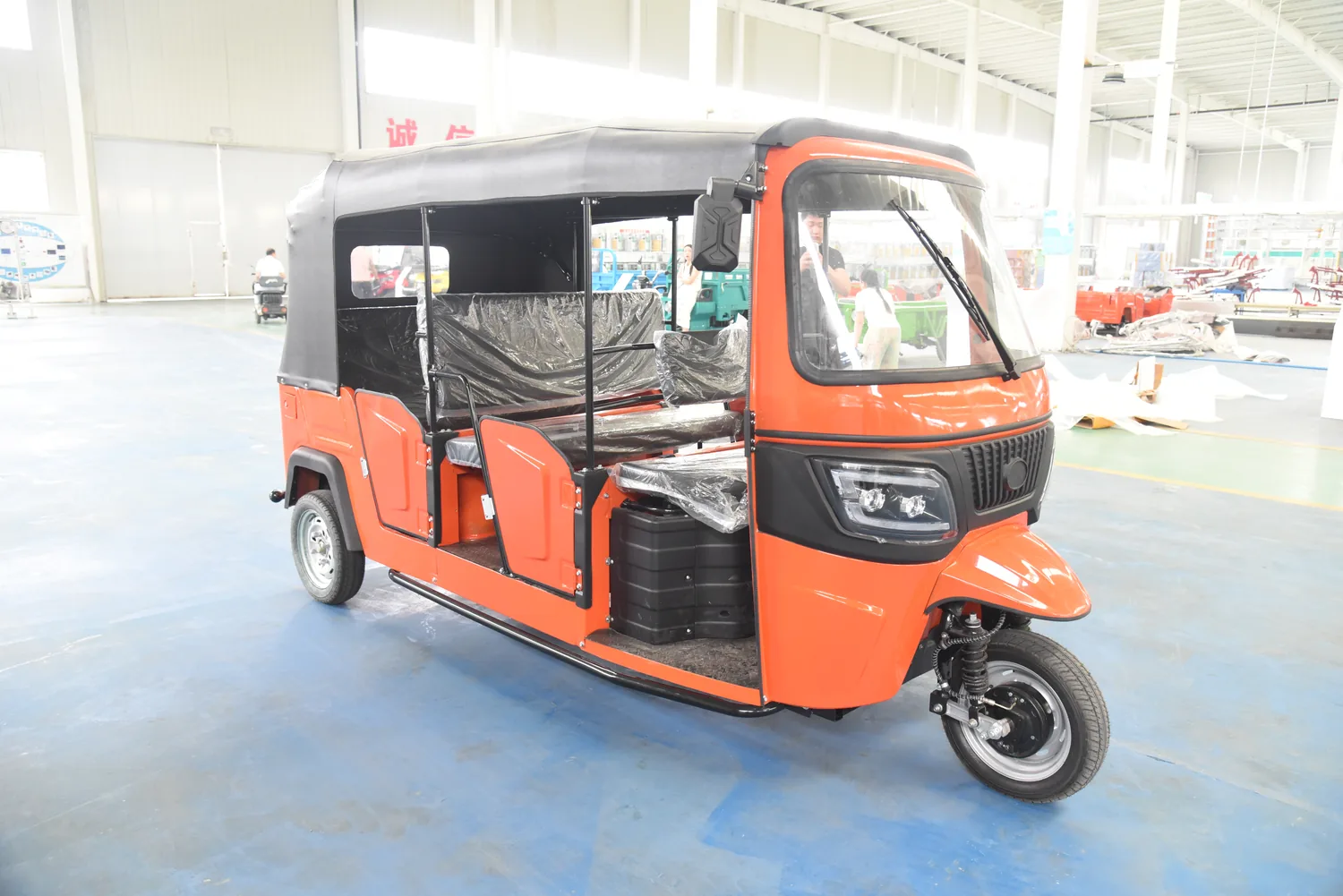
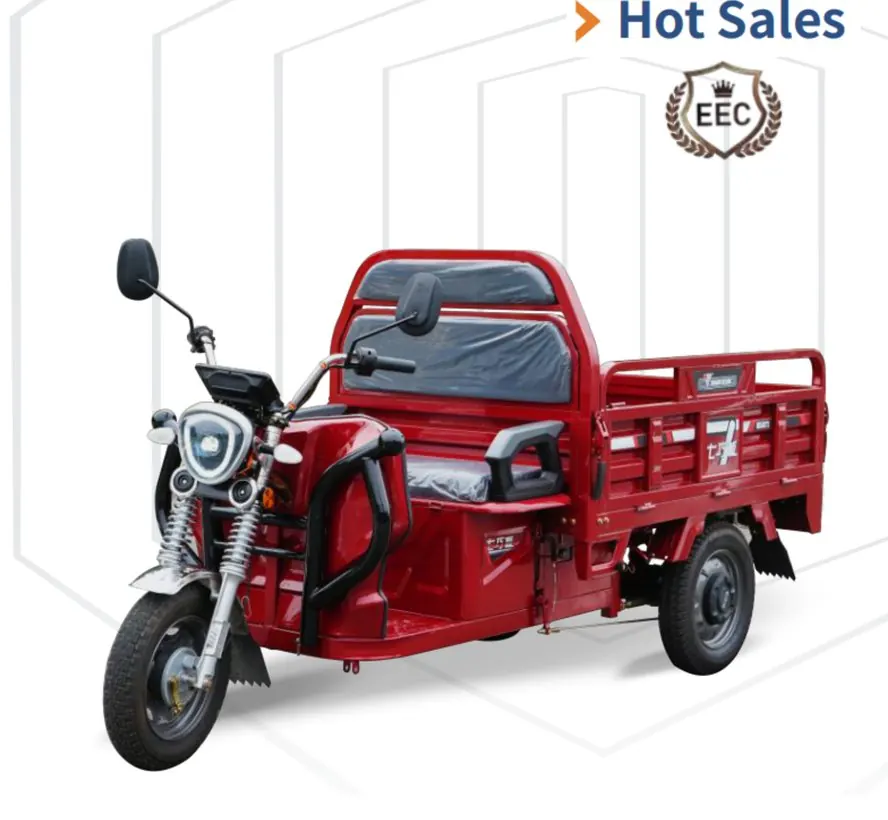
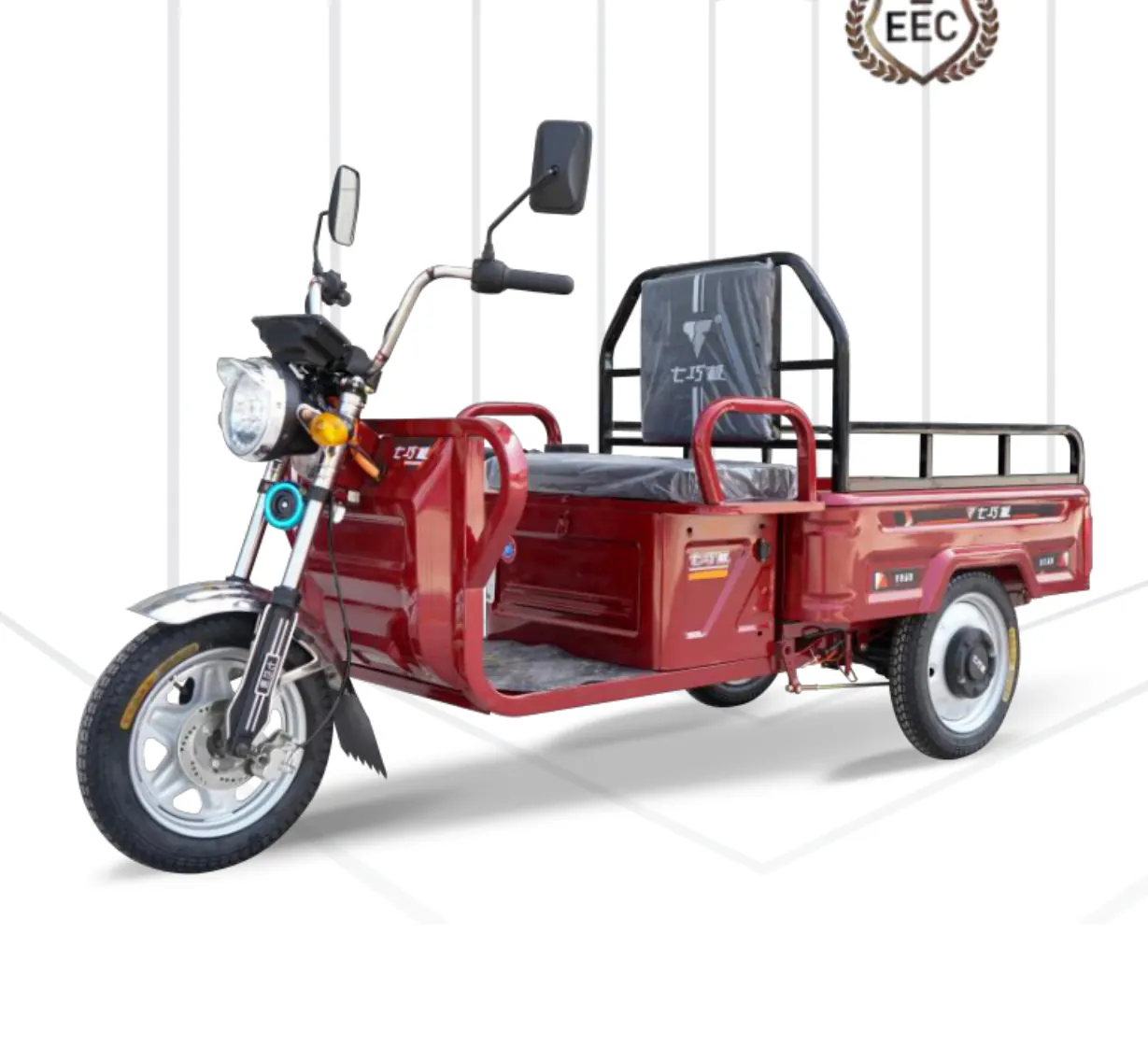
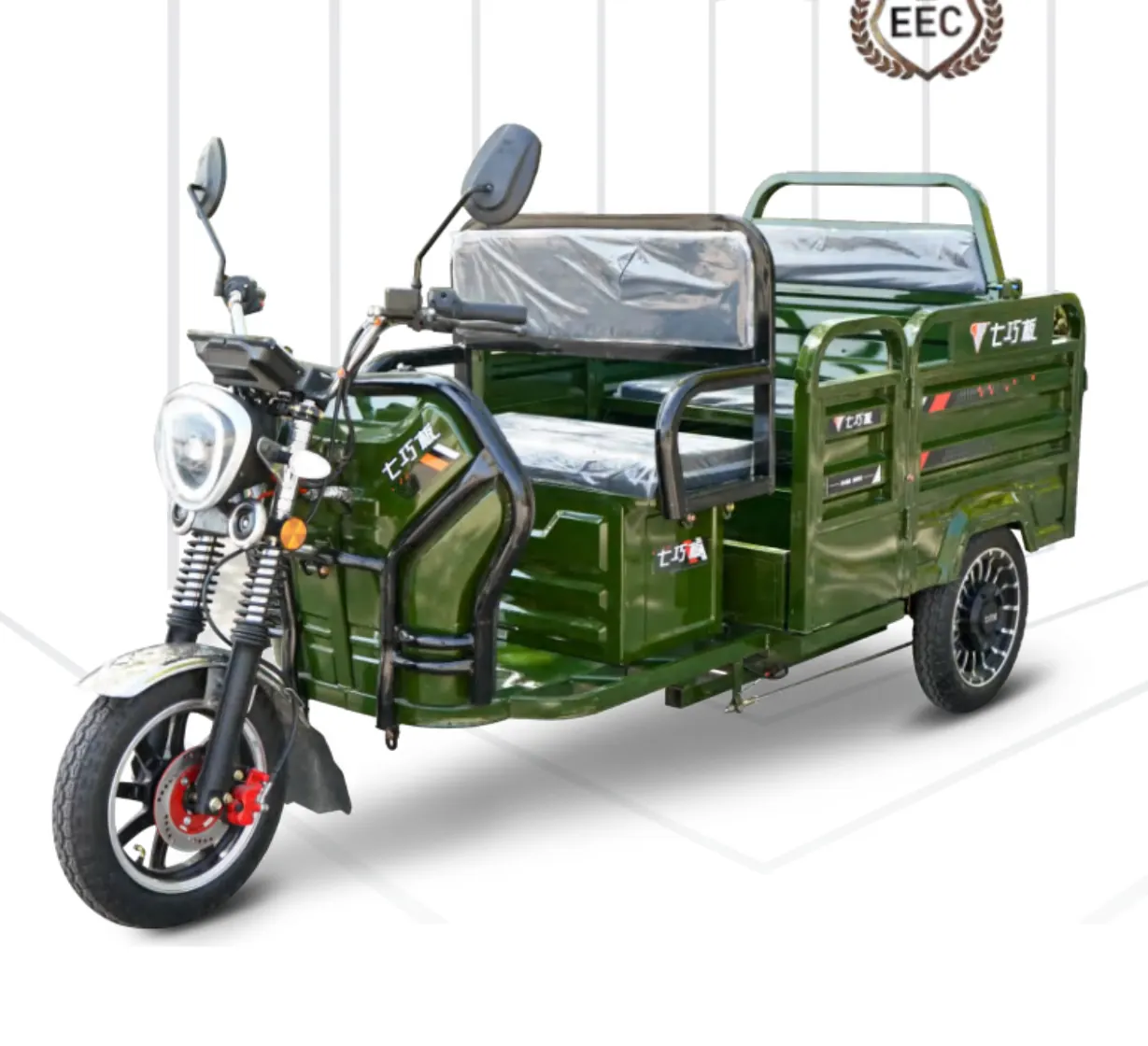
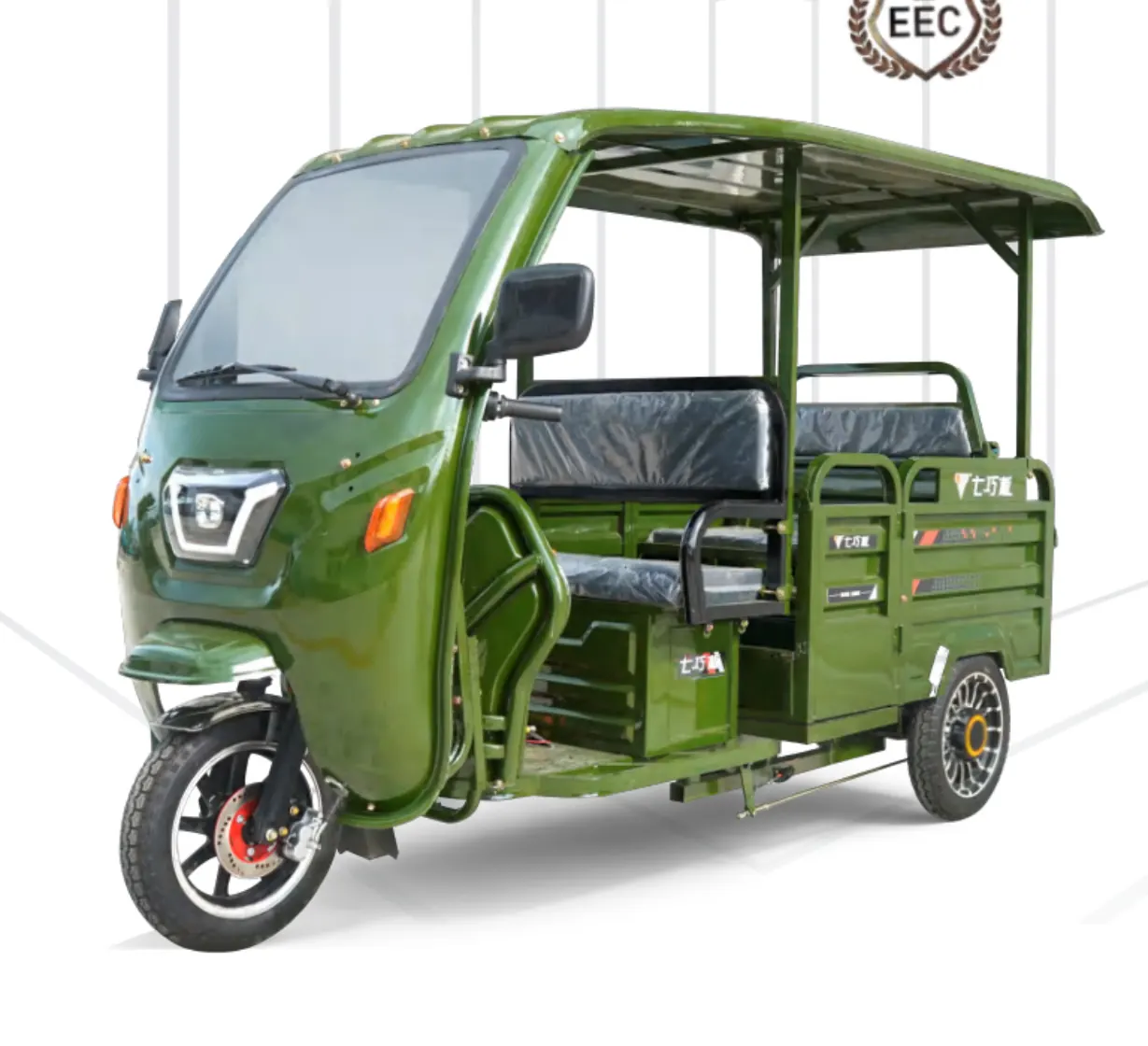
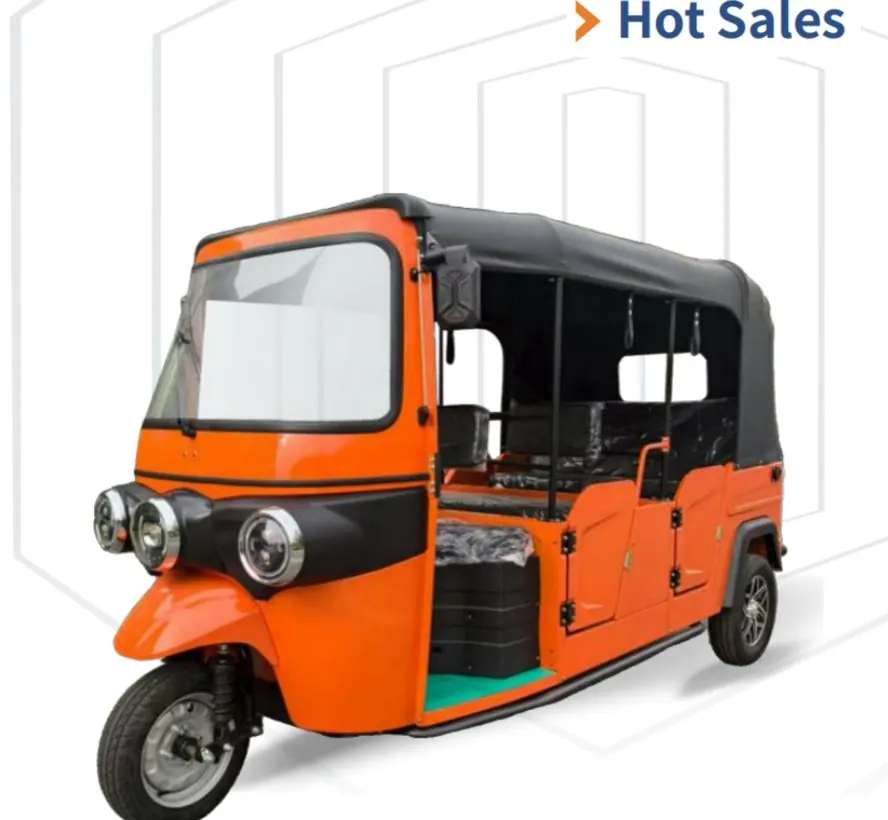
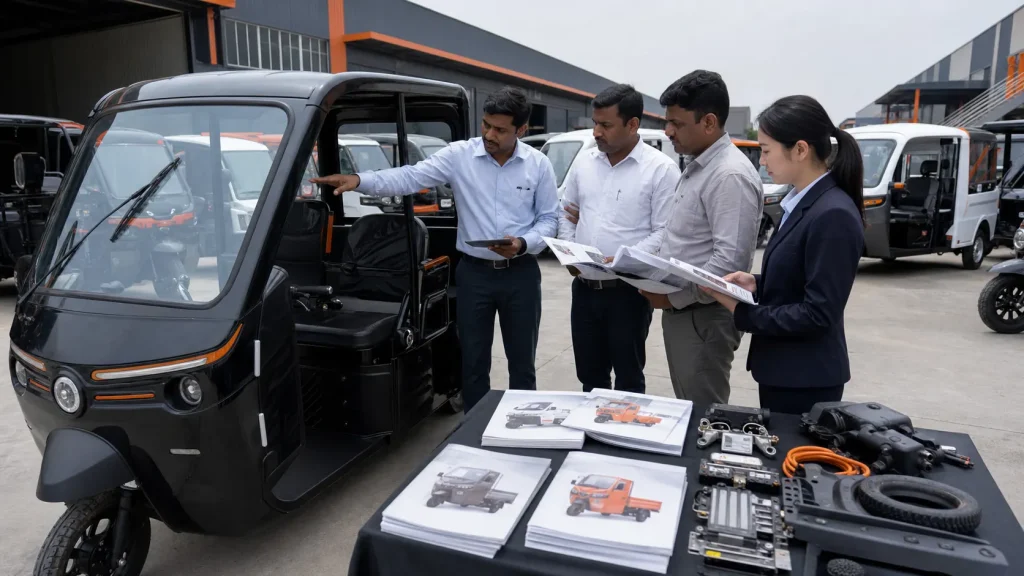
A cargo electric tricycle should be selected from the work cycle, not from one headline specification. Buyers need to define the actual cargo mass and volume, route distance, road grade, surface condition, stop frequency, operating hours, charging window, cargo-body requirement and destination-market rules before comparing models. These inputs interact: a route with repeated starts, steep […]
April 21, 2026 / Fengxian, Xuzhou
Why are more and more young people preferring to buy electric unicycles now?
The feeling brought to me by the newly purchased manned electric tricycle
An electric tricycle, different answers from 120 countries
Sometimes, but the layout usually favors one job. A personal model may be easier to mount and more comfortable for a rider, while a delivery model needs a stronger cargo area, better load restraint, and braking that still feels controlled when carrying goods.
Focus on loaded climbing ability, braking control, tire suitability, and how often the trike must stop and start. A route with steep driveways, wet pavement, or loose surfaces can be more demanding than a longer but flatter trip.
Not always. A larger battery may add cost and weight, while the real need depends on daily distance, load, terrain, charging time, and battery service access. It is better to describe the working route and charging window before choosing capacity.
Send the intended use, normal and maximum load, rider or passenger count, daily distance, terrain, storage space, charging location, and preferred body style. Also say whether the trike will be used on private property, for delivery work, or for another defined application in NZ.
A common mistake is choosing by appearance or quoted range before checking the loaded route. Cargo volume, weight distribution, brake feel, spare-part access, and documents for shipment can affect the final suitability more than a single headline figure.
Send the intended use, normal load, daily distance, route conditions, and preferred body style. Also note whether the trike is for private-site use, delivery work, passenger mobility, or another application in New Zealand.