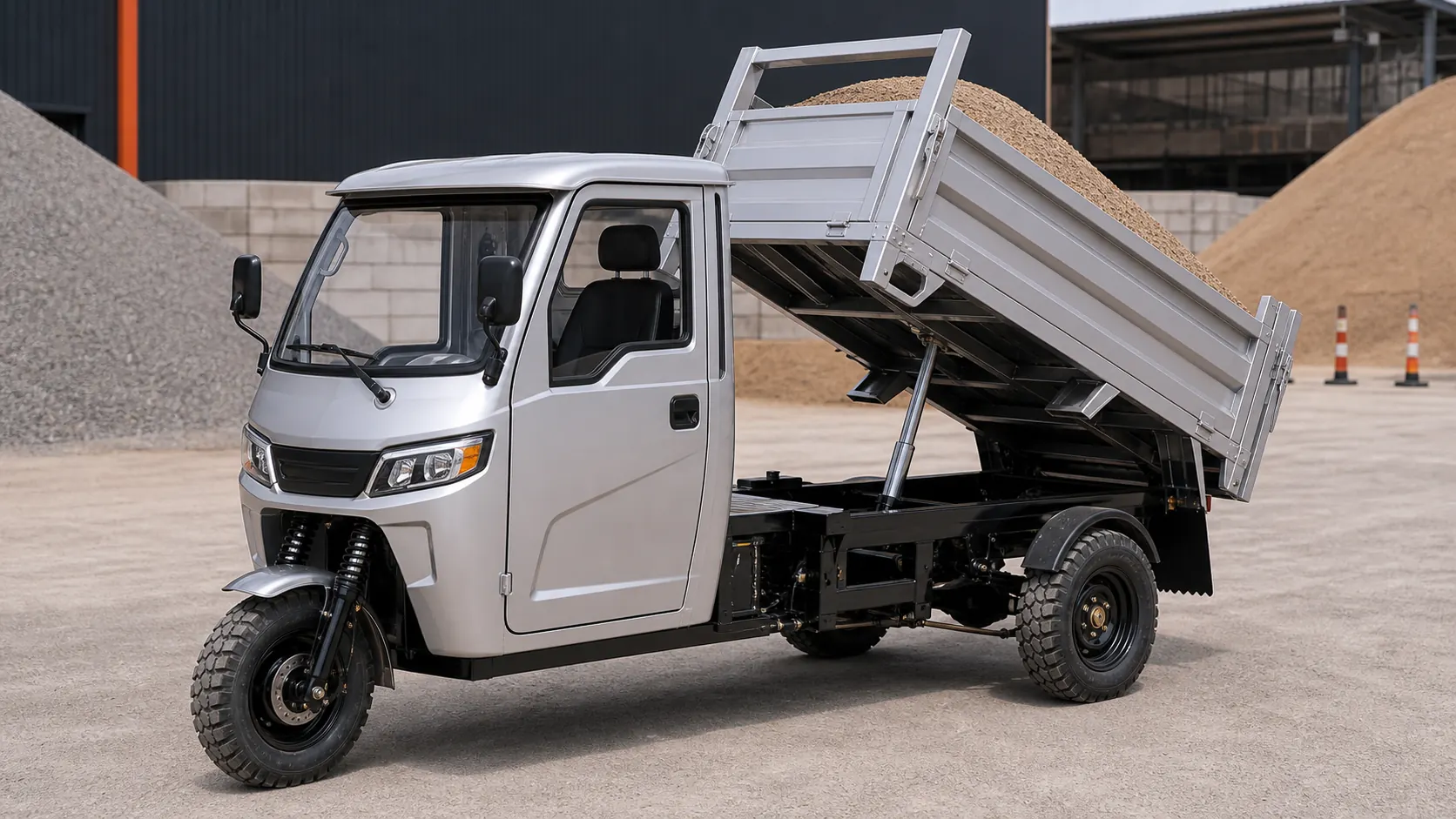
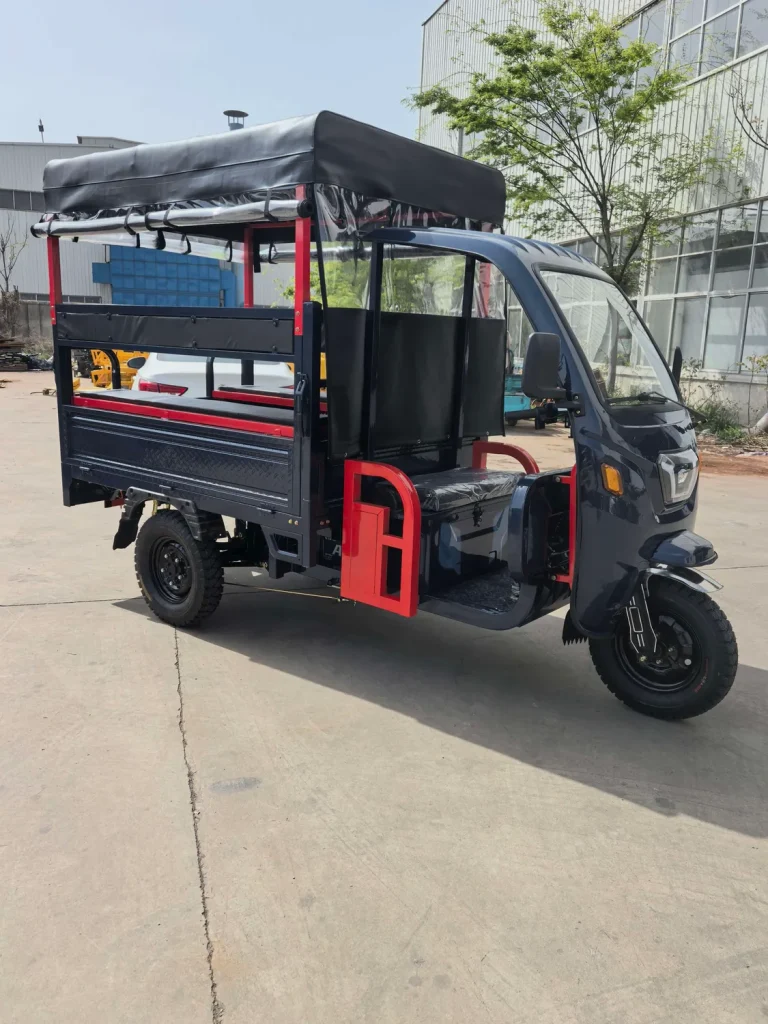
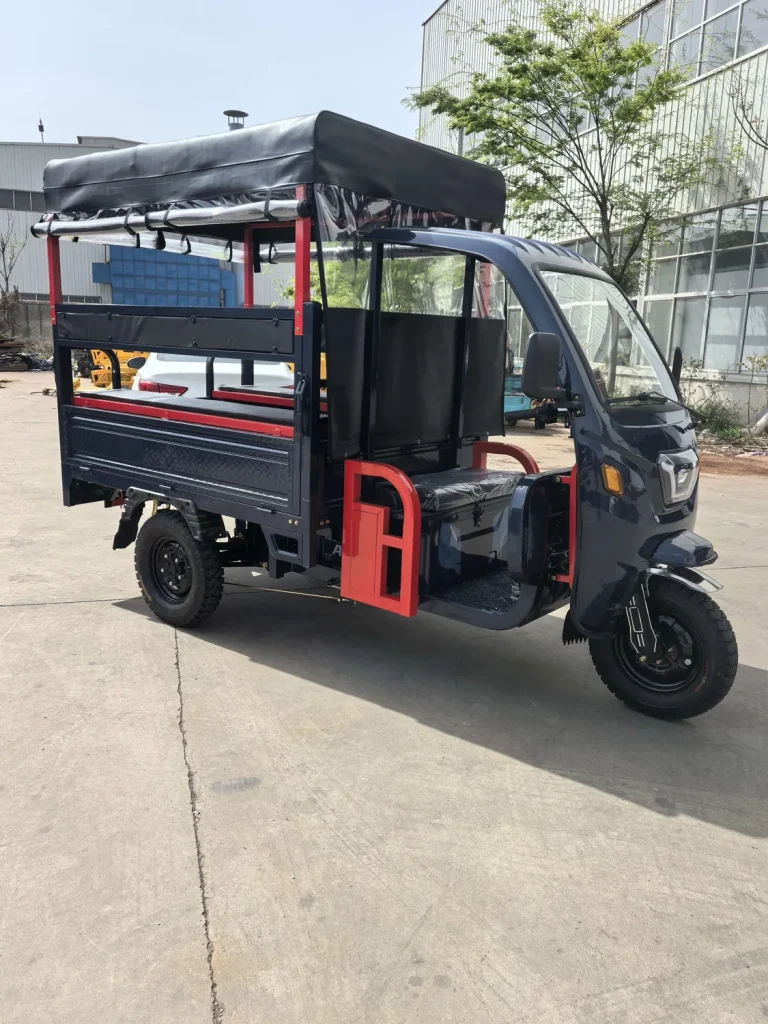
HPZ20 Cargo Electric Tricycle
HPZ20 Cargo Electric Tricycle complete vehicle detail for export buyers, with market fit, configuration notes, RFQ preparation and optional matching parts support.
Read MoreMost Stable Electric Trike Selection Guide | Xuzhou LVHANG Vehicle Industry Co., Ltd.
A stable electric trike is usually chosen for safer low-speed transport, heavier cargo, passenger comfort, or delivery routes where two-wheel balance is not practical. The main decision is not only “three wheels instead of two”; it is the match between frame layout, load position, wheelbase, suspension, braking, battery placement, and the route the vehicle will run every day.
For buyers comparing models, the most stable electric trike is the one that keeps weight low and centered, turns predictably, and brakes evenly under the expected load. A design that feels steady on flat roads may behave differently on slopes, uneven pavement, wet surfaces, or tight turns.
HPZ20 Cargo Electric Tricycle complete vehicle detail for export buyers, with market fit, configuration notes, RFQ preparation and optional matching parts support.
Read More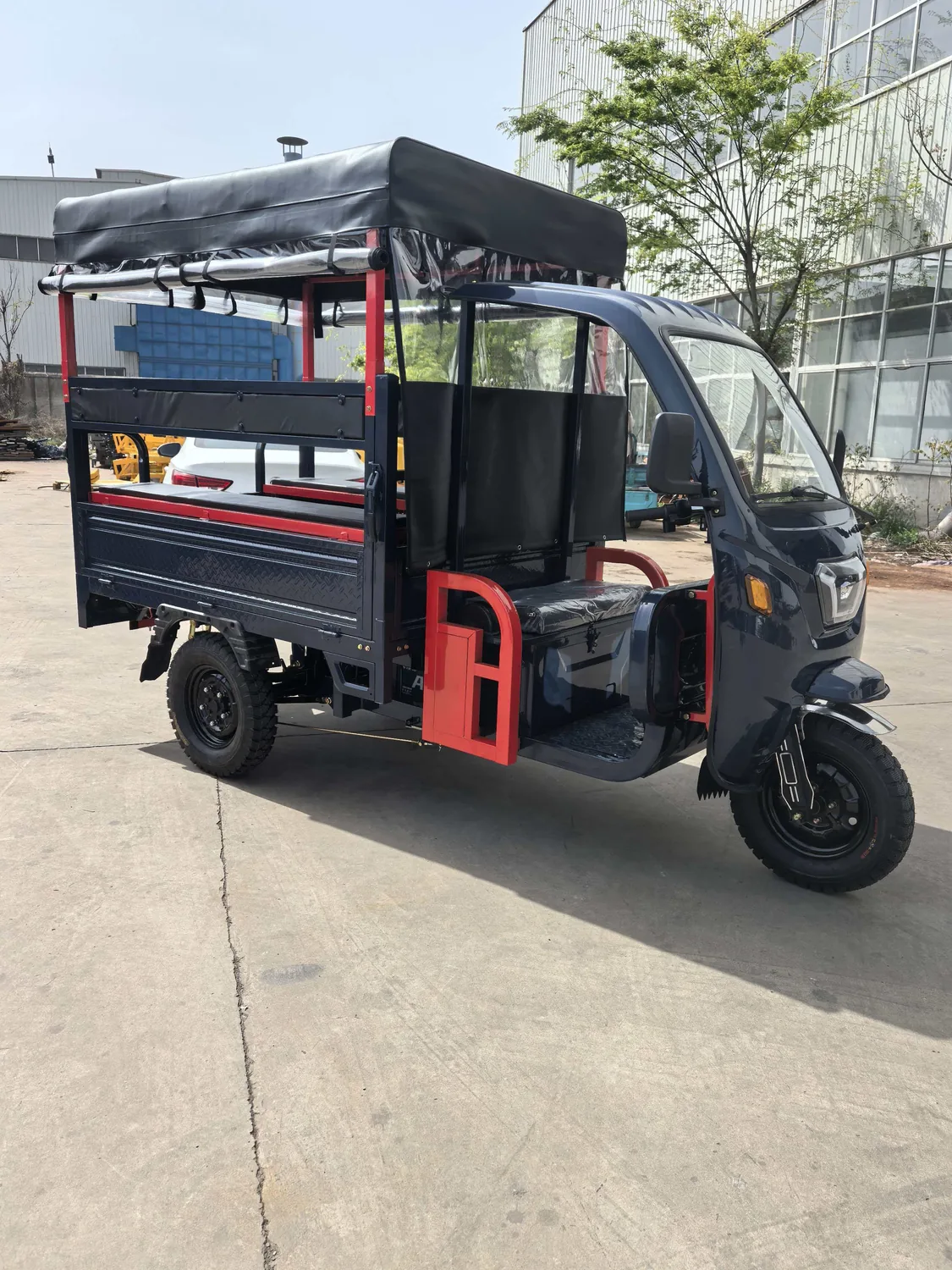
A Yunhai 1.8 passenger-cargo electric tuktuk with 3000W motor reference, 1000 kg loading capacity and a larger body for mixed passenger and cargo duty.
Read More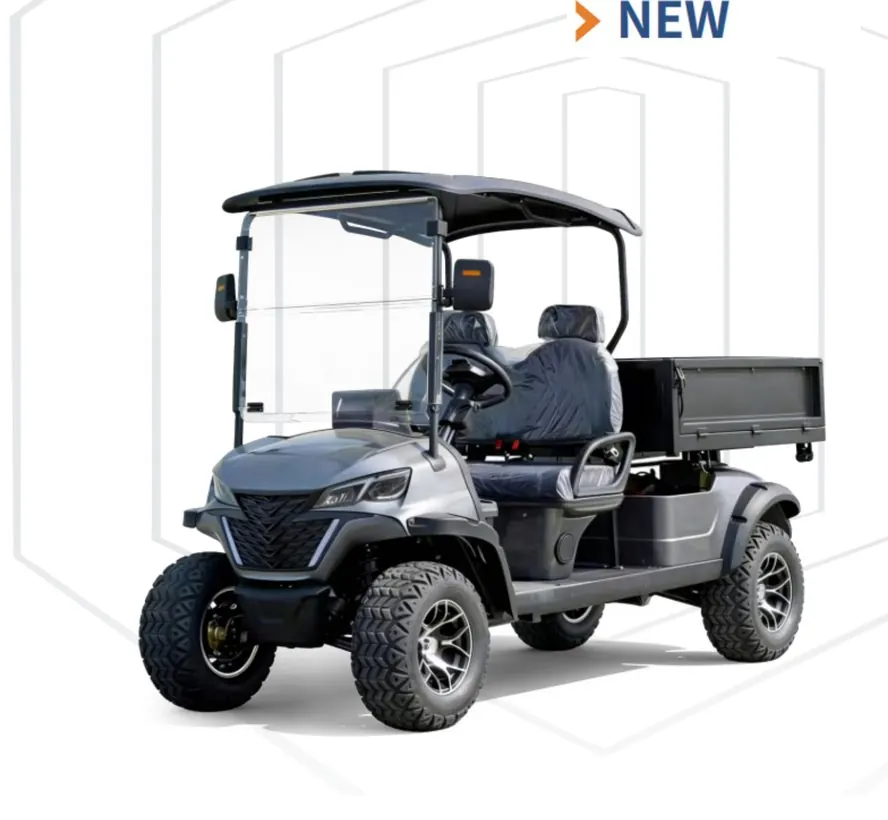
A utility electric tricycle for resort operations, light cargo movement and mixed passenger-service routes where compact size and serviceable drive parts matter.
Read More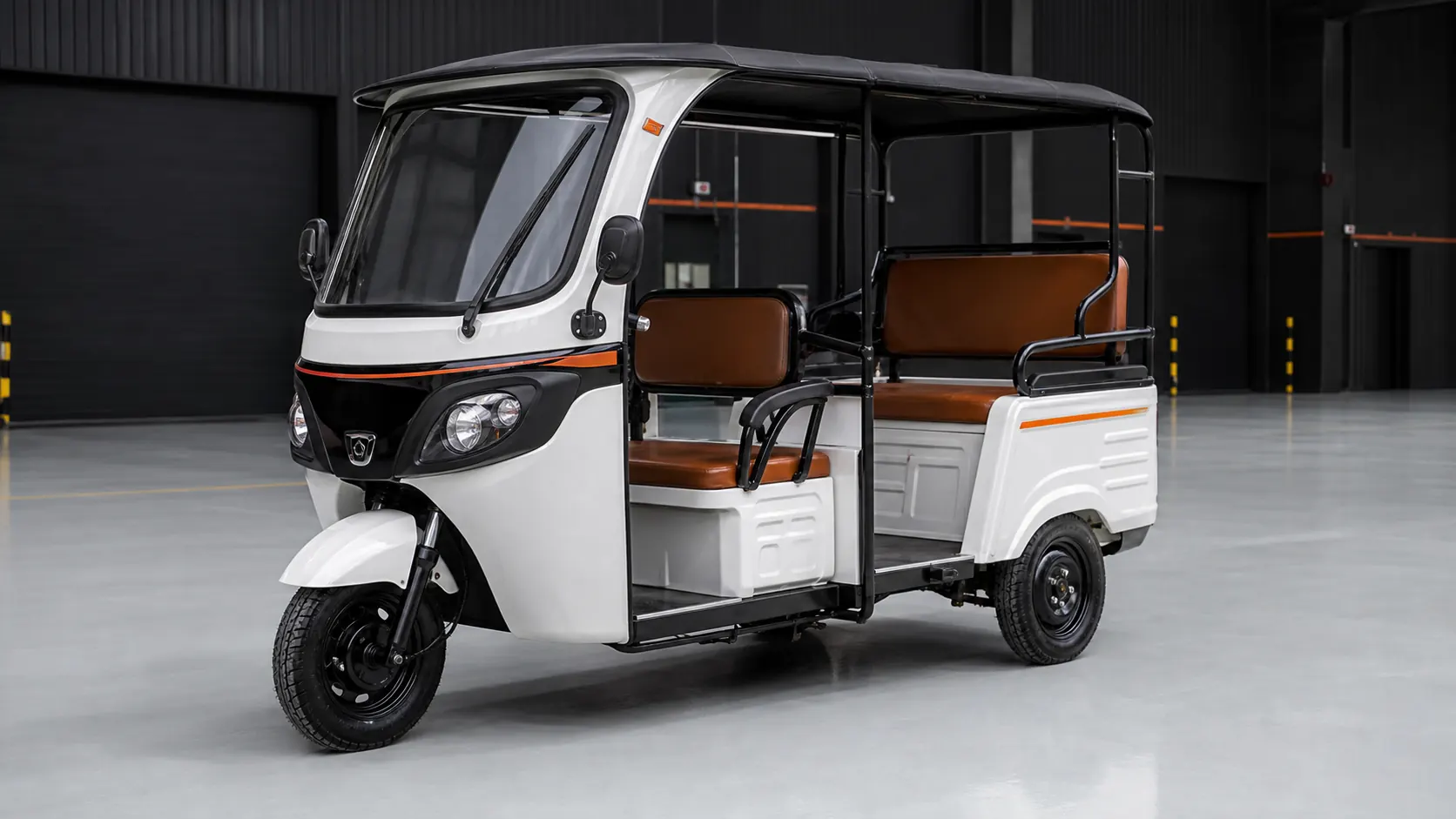
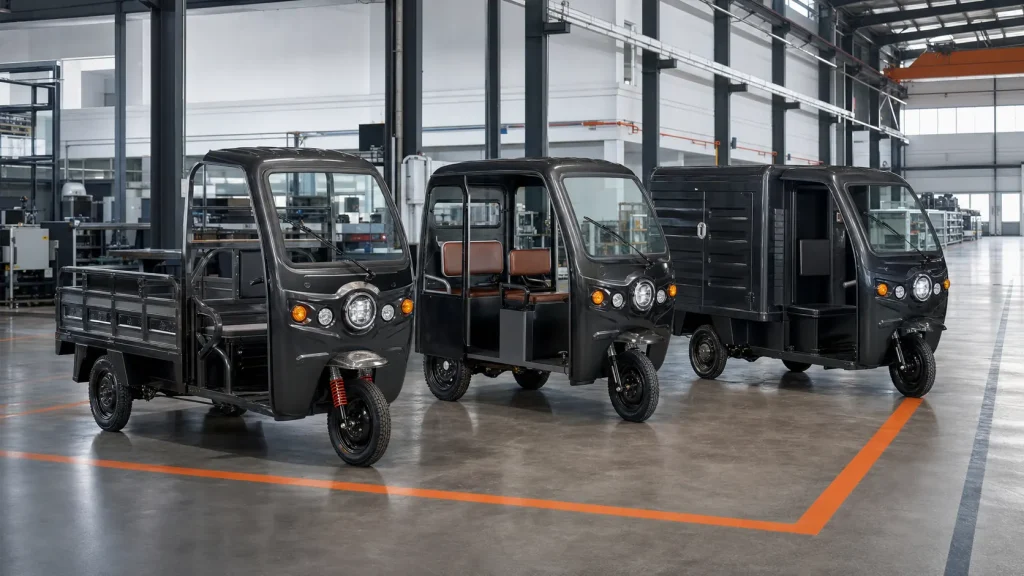
K01 Passenger Electric Tricycle complete vehicle detail for export buyers, with market fit, configuration notes, RFQ preparation and optional matching parts support.
Read More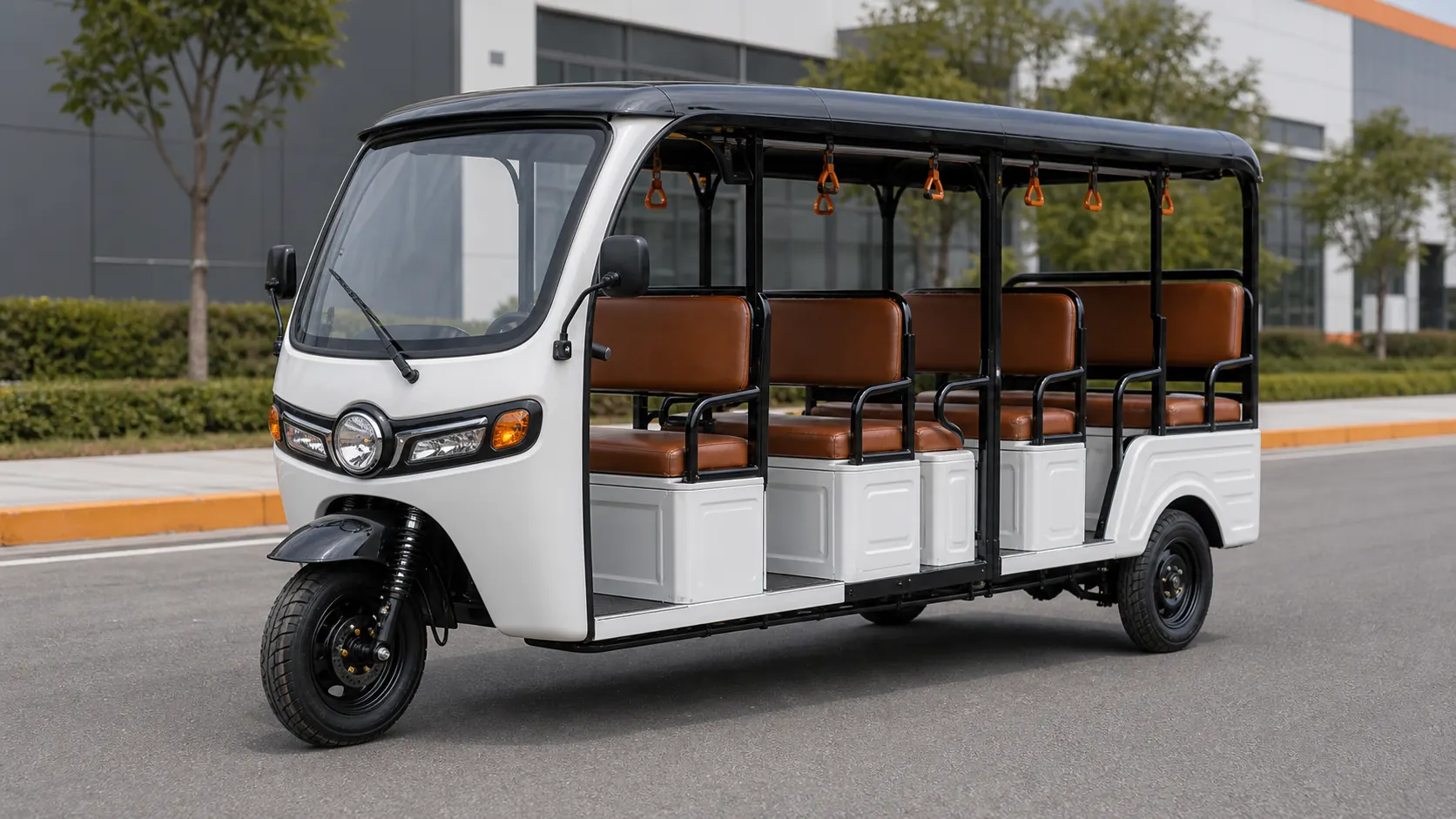
K03 Passenger Electric Tricycle complete vehicle detail for export buyers, with market fit, configuration notes, RFQ preparation and optional matching parts support.
Read More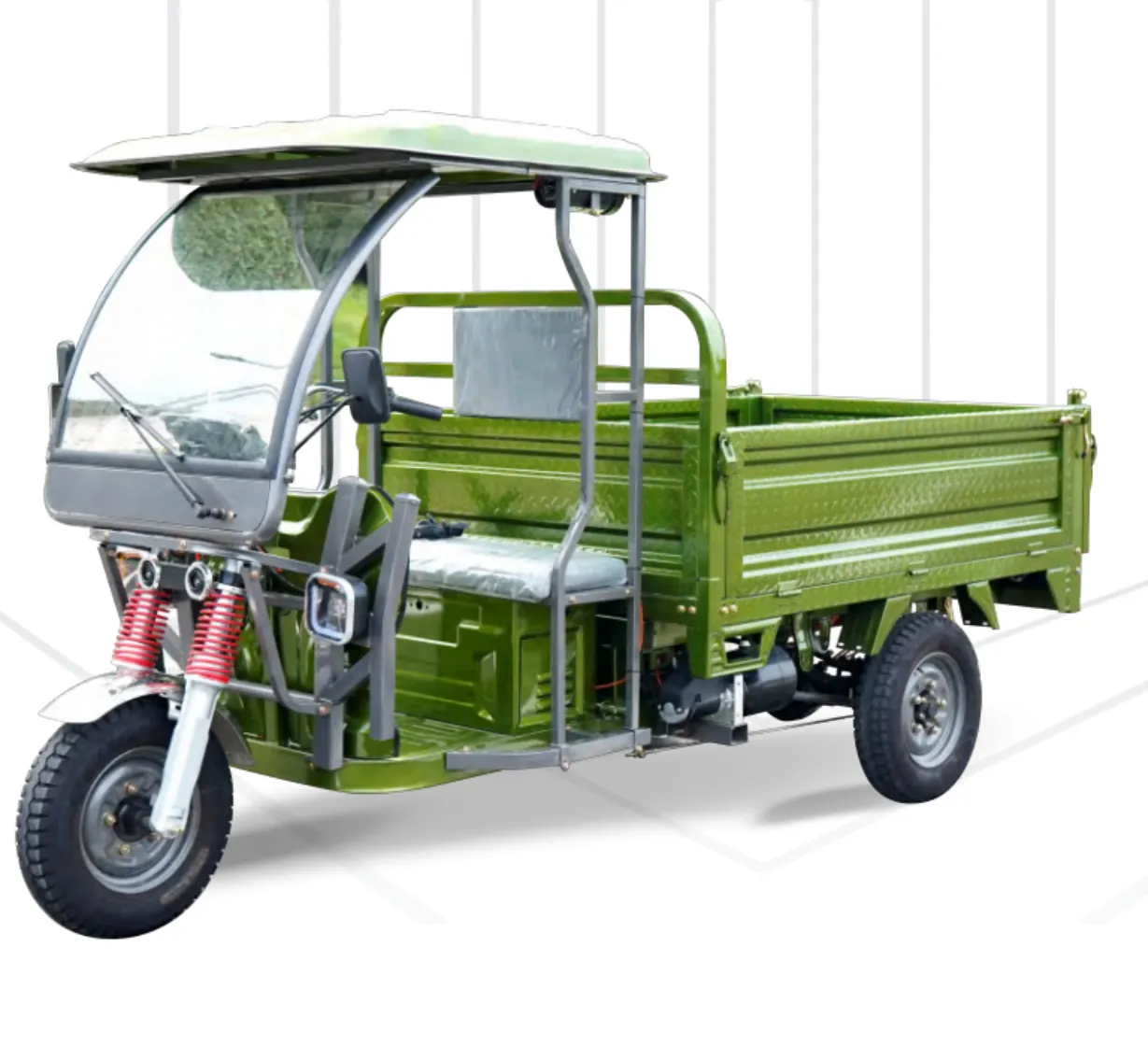
A heavy cargo electric tricycle with 1800 x 1300 mm cargo box reference and 100Ah lithium battery for stronger route work.
Read MoreStability selection notes
When reviewing electric trike options, compare the intended use first: passenger transport, cargo delivery, mixed utility, or short-distance personal mobility. Then confirm the frame layout, load position, braking setup, tire choice, suspension style, seating or cargo dimensions, battery placement, and service access. These details usually affect real stability more than a simple model name.
| Criterion | What To Check | Why It Matters | Buyer Tip |
|---|---|---|---|
| Track width and wheelbase for the intended load | Compare the rear wheel spacing, overall wheelbase, and load position shown in the specification sheet or drawing. | A wider stance and suitable wheelbase can improve stability, but too much length may reduce turning ease in narrow streets or warehouse yards. | Ask: What track width and wheelbase do you recommend for my usual cargo weight, road width, and turning space? |
| Center of gravity with cargo or passengers | Look at where the battery, motor, cargo box, and seats are mounted, and confirm the normal loading height. | A low, centered load reduces the chance of tipping during turns, braking, or riding on uneven ground. | Ask: Can you show the recommended loading area and maximum safe loading height for this trike body? |
| Frame and suspension behavior on rough roads | Confirm the frame type, rear axle arrangement, and suspension design, then relate them to potholes, ramps, farm roads, or paved city routes. | A very stiff setup may feel unsettled on broken roads, while a soft setup can lean more with heavy cargo or passengers. | Ask: Which model is better for my route surface, and how does the suspension handle a full load? |
| Braking control and downhill handling | Review the brake type on each wheel, parking brake arrangement, and any stated downhill-use guidance from the supplier. | Stable braking matters as much as standing stability; uneven or weak braking can pull the trike off line, especially with cargo. | Ask: How should this electric trike be loaded and operated on slopes, and what brake setup is fitted to the quoted model? |
| Tire size, tread, and inflation requirements | Check the tire size, load rating information if supplied, tread pattern, and recommended pressure range for the operating surface. | Tires affect grip, rollover feel, steering response, and comfort. A tire suited for smooth pavement may not suit loose, wet, or damaged roads. | Ask: Which tire option do you suggest for my road surface and load, and what maintenance pressure should operators follow? |
The biggest stability difference is between a trike built mainly for people and one built mainly for cargo. Passenger models often focus on ride comfort, seat access, and predictable handling at moderate speed. Cargo models need stronger attention to load distribution, rear box size, frame stiffness, and braking under weight. A large cargo platform can look useful, but if the load sits too high or too far behind the axle, the trike may feel less controlled when turning or stopping.
Another practical distinction is open-road speed versus working stability. Wider stance, lower center of gravity, suitable tires, and balanced battery placement usually matter more than headline motor power for buyers who care about steady handling. Ask how the trike behaves with the intended load, not just how it performs when empty.
Start with the load and route. A delivery trike carrying boxes through narrow streets needs different stability priorities from a passenger trike used on a campus, resort, farm, or neighborhood road. Share the typical cargo weight, passenger count, road surface, slopes, and turning space before comparing frame types.
Check where the weight sits. Battery location, cargo bed height, seat position, and rear axle layout all affect balance. Lower and more centered mass usually improves steady handling. Avoid choosing only by cargo box volume; a tall load or rear-heavy layout can make a trike feel less stable even if the rated capacity appears suitable.
Look at braking and tires together. Stability is not only about standing still without tipping. The trike also needs controlled braking, tire grip, and suspension response when loaded. Ask what braking arrangement is used, what tire type fits the road surface, and whether the suspension is intended for passengers, cargo, or mixed use.
Do not overbuy motor power without checking control. More power may help on inclines or with heavier loads, but it can also make a trike harder to manage if acceleration, braking, and chassis design are not matched. A useful next step is to describe your operating route and the heaviest normal load, then ask Xuzhou LVHANG Vehicle Industry Co., Ltd. which configuration is designed for that duty.
| Criteria | Importance | Description | Example Options |
|---|---|---|---|
| Passenger, cargo, or mixed-use layout | Essential because the frame, seating, cargo area, and balance are designed around different duties. | Passenger models prioritize seat access and ride comfort, while cargo models need controlled loading, a suitable platform or box, and predictable handling under weight. Mixed-use designs require careful limits for both people and goods. | A campus passenger route and a market delivery route may need different body layouts even if both operate at low speed. |
| Load height and weight distribution | Essential for turning behavior and control when the trike is loaded. | Lower, more centered weight generally supports steadier handling. Compare cargo-bed height, rear overhang, battery position, axle placement, and how the load is secured instead of choosing by cargo volume alone. | A low floor with evenly distributed boxes may handle more predictably than a tall box mounted far behind the rear axle. |
| Braking, tires, and suspension | High because stability includes controlled stopping and tire contact, not only resistance to tipping while stationary. | The braking arrangement, tire design, and suspension should match the expected load and road surface. Confirm how the configuration is intended to behave during repeated stops, uneven pavement, and loaded turns. | A delivery route with rough pavement may call for a different tire and suspension setup from a smooth indoor-site or campus route. |
| Route width, slopes, and turning space | High because a stable design on an open, flat road may not suit narrow paths or sloped turns. | Review the available turning area, surface changes, gradients, stopping locations, and storage access. A larger body or wider stance may improve some handling characteristics while making tight routes harder to navigate. | A market lane with restricted turning space presents a different fit problem from a broad farm or resort road. |
| Three-wheel trike versus four-wheel utility vehicle | Important when choosing between maneuverability and a different low-speed stability profile. | A three-wheel trike may suit routes where turning space is limited, while a four-wheel alternative may be worth comparing for slow, open-area utility work. Evaluate footprint, turning behavior, load position, braking control, and parking space together. | A narrow delivery route may favor a more maneuverable three-wheel layout, while a wide service area may allow comparison with a four-wheel cart. |
Related Options
For a buyer whose priority is the most stable electric trike for daily work, the strongest fit is usually the model that stays controlled on the actual route: loaded turns, uneven pavement, stops on slopes, and repeated start-stop riding. A campus shuttle, market delivery trike, and household utility vehicle may all need different balance and braking choices.
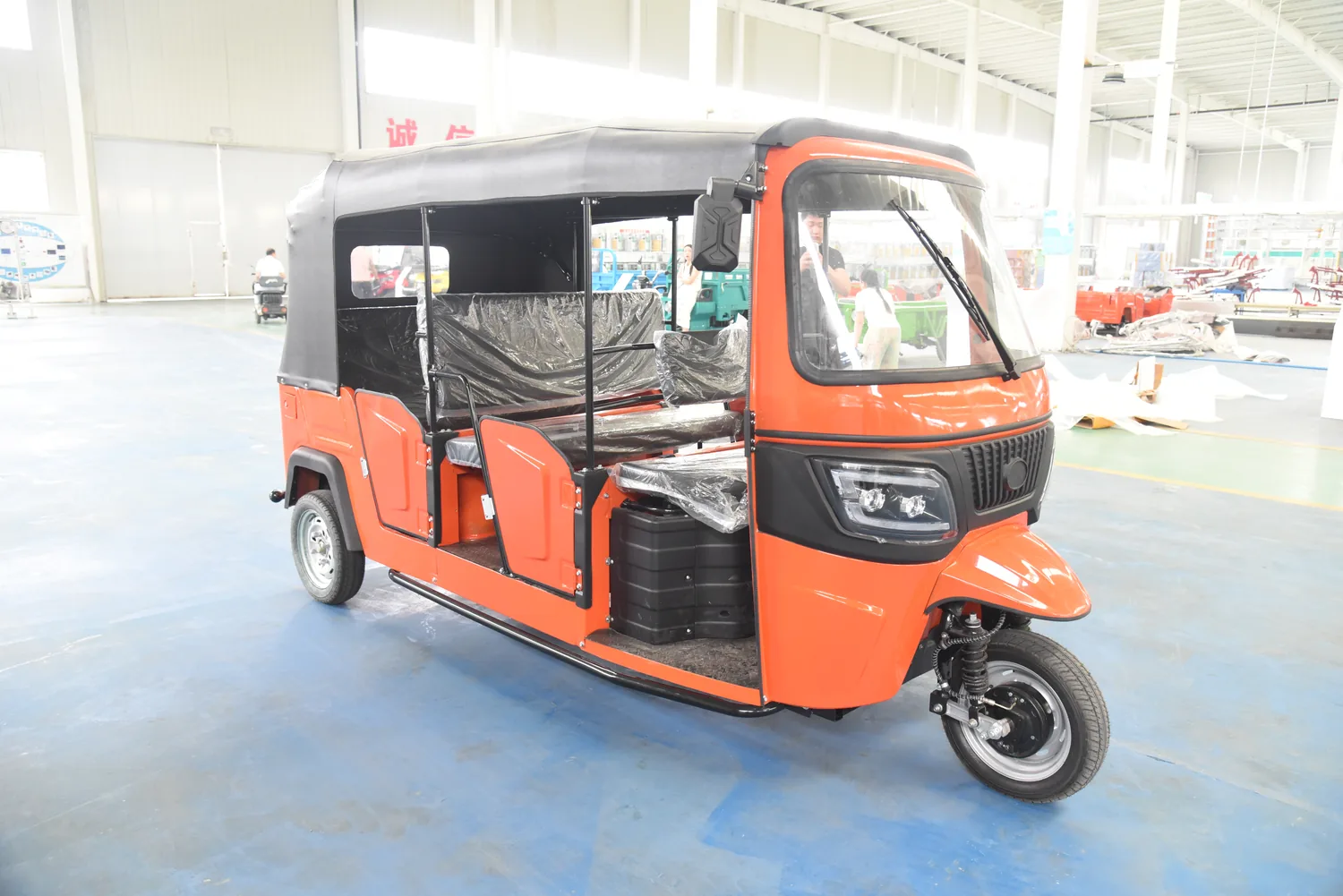
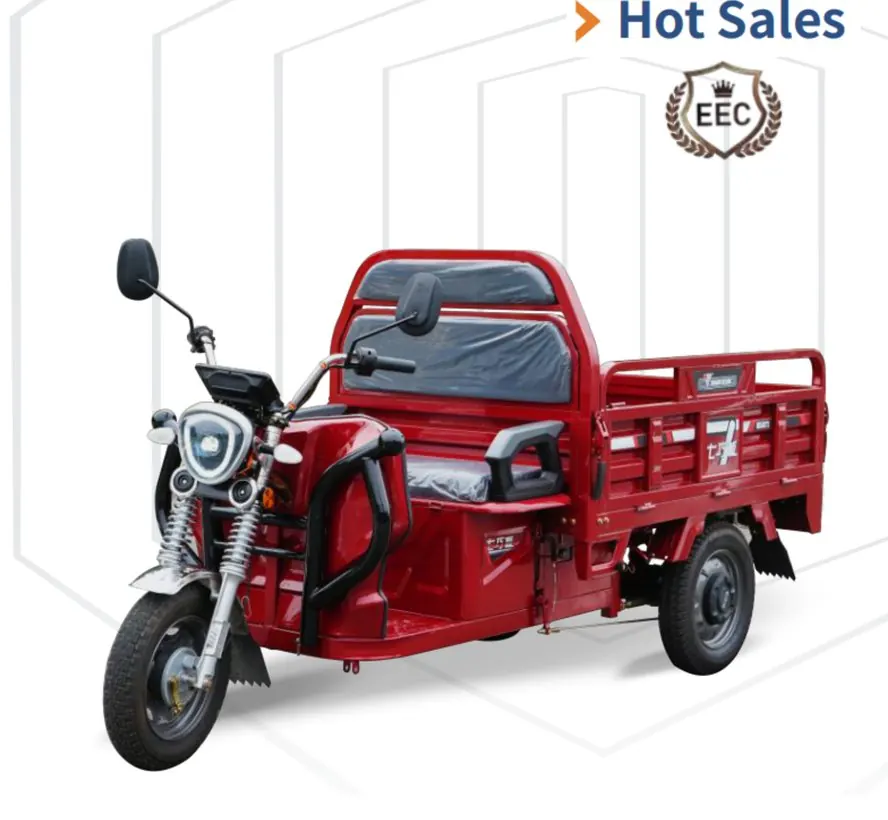
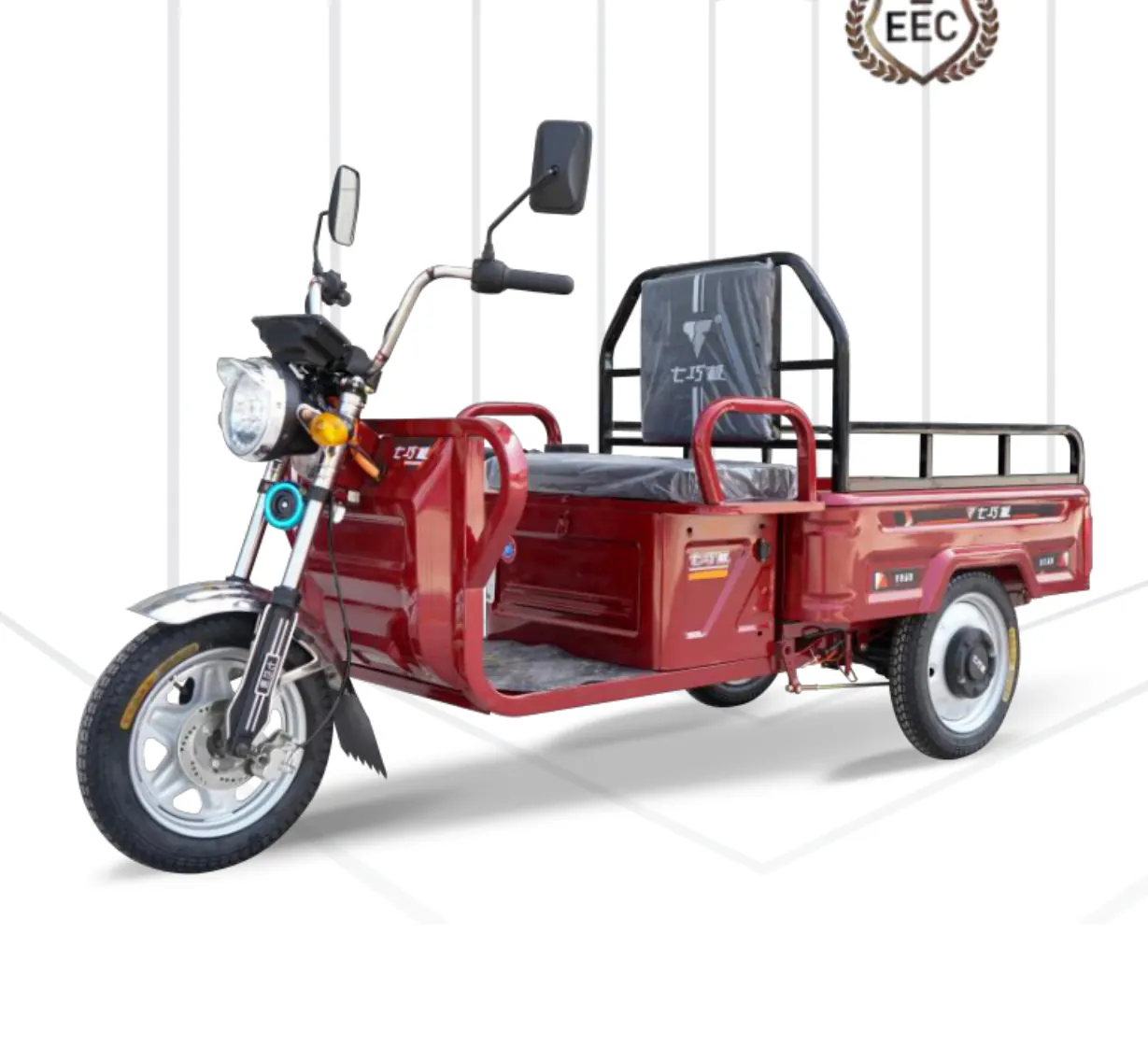
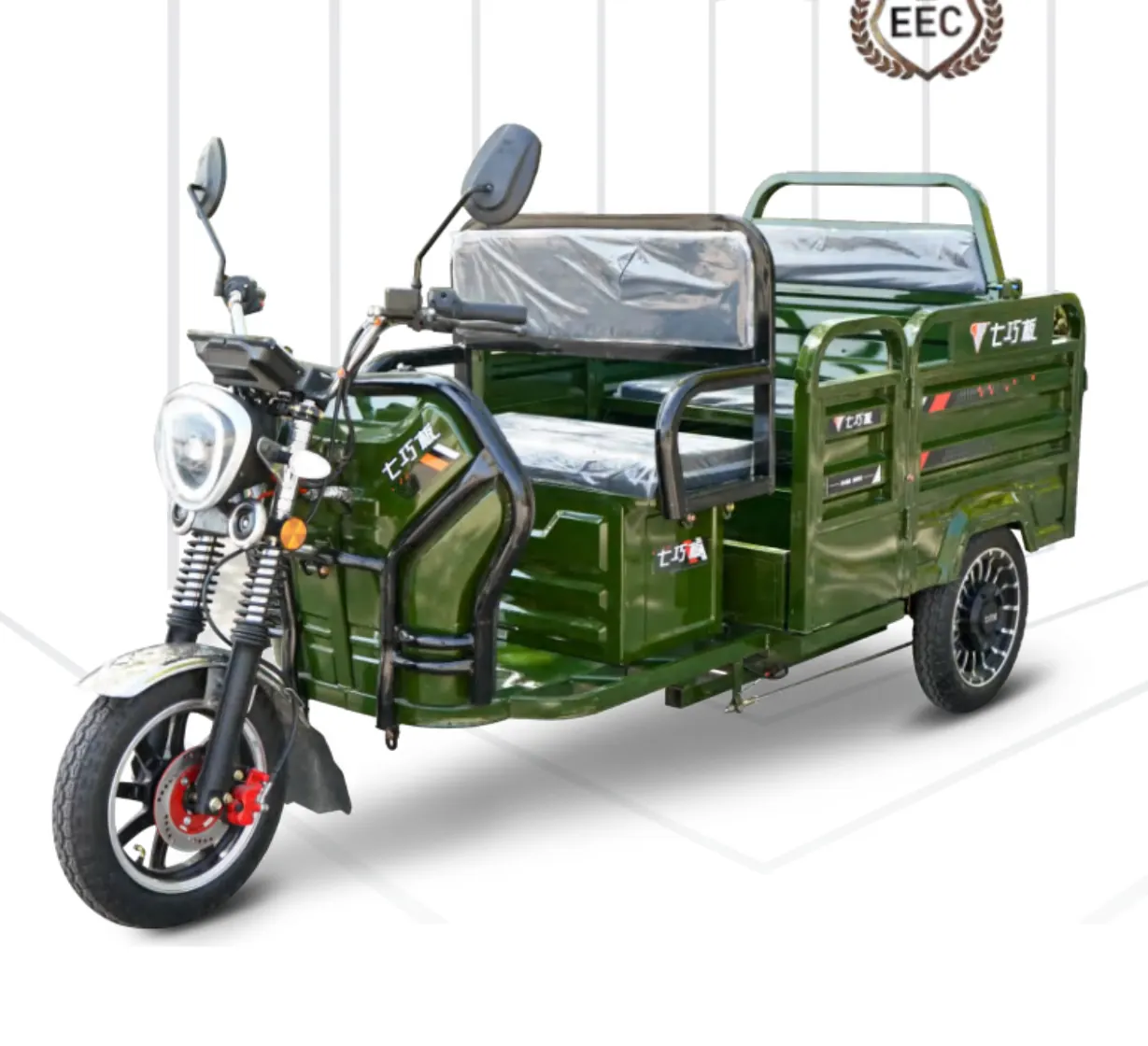
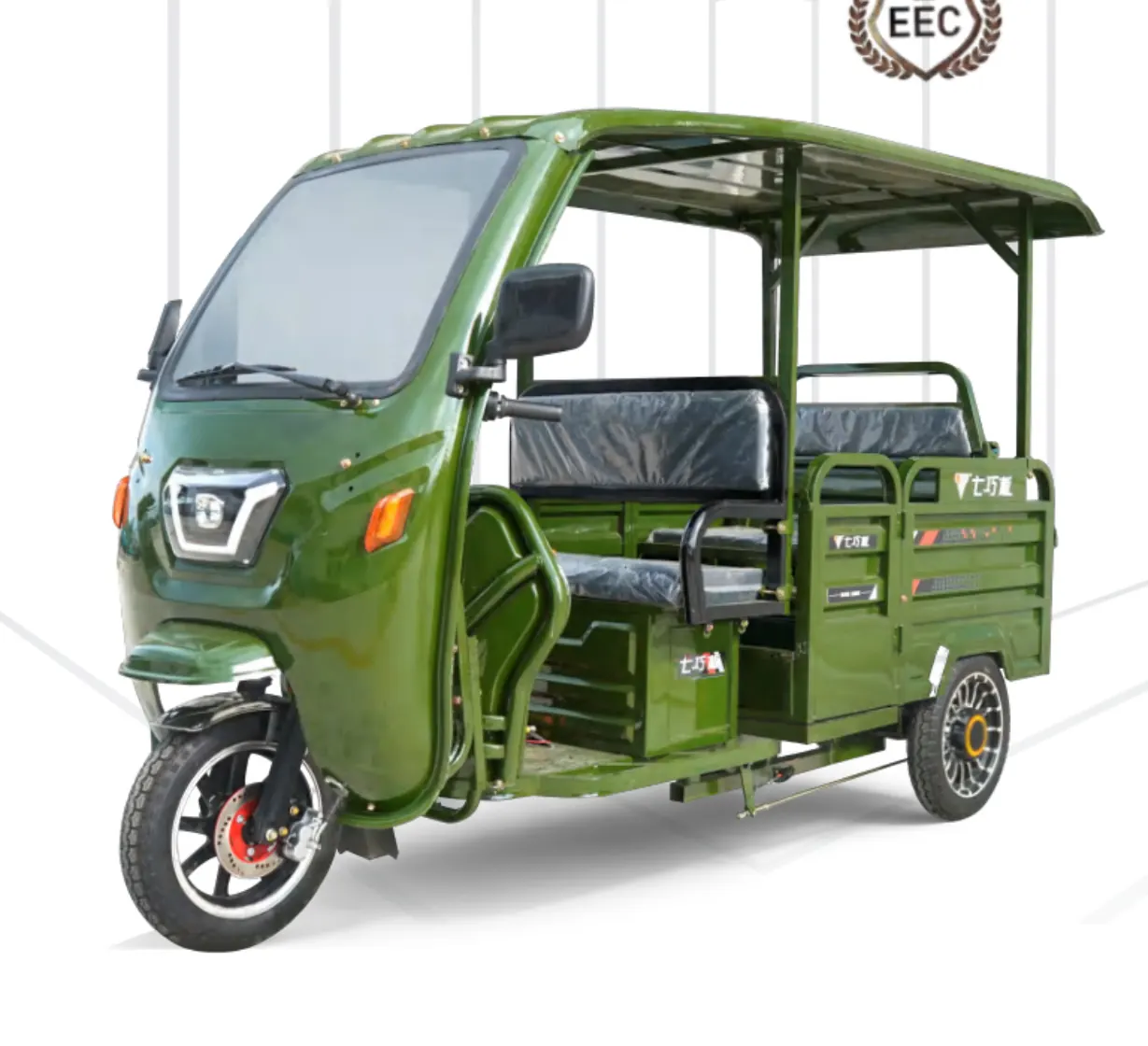
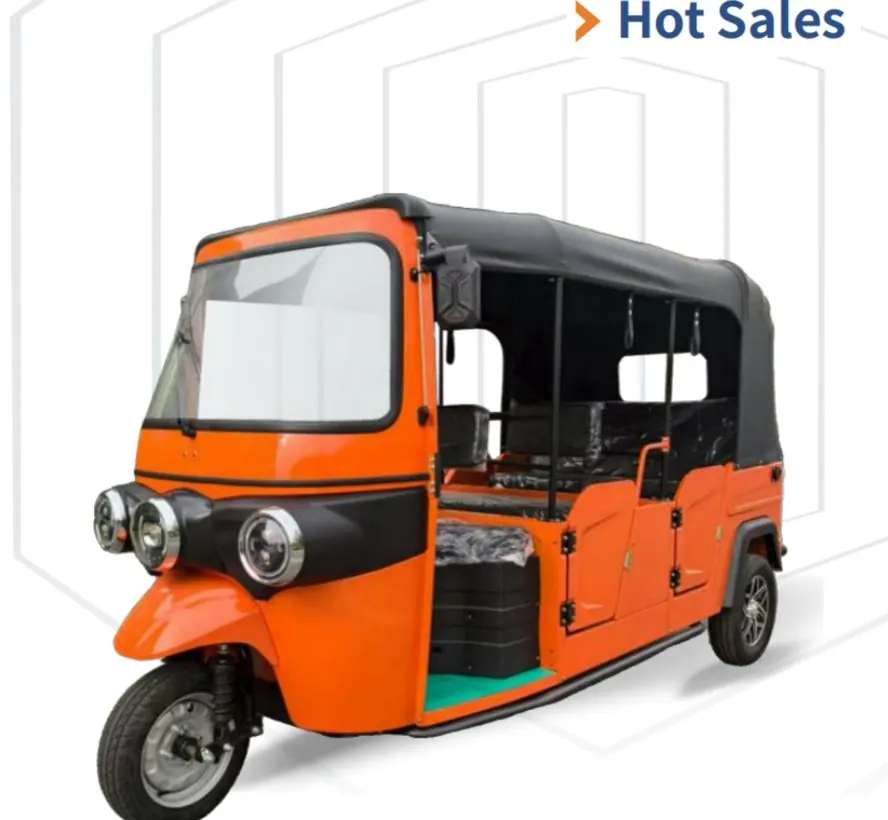
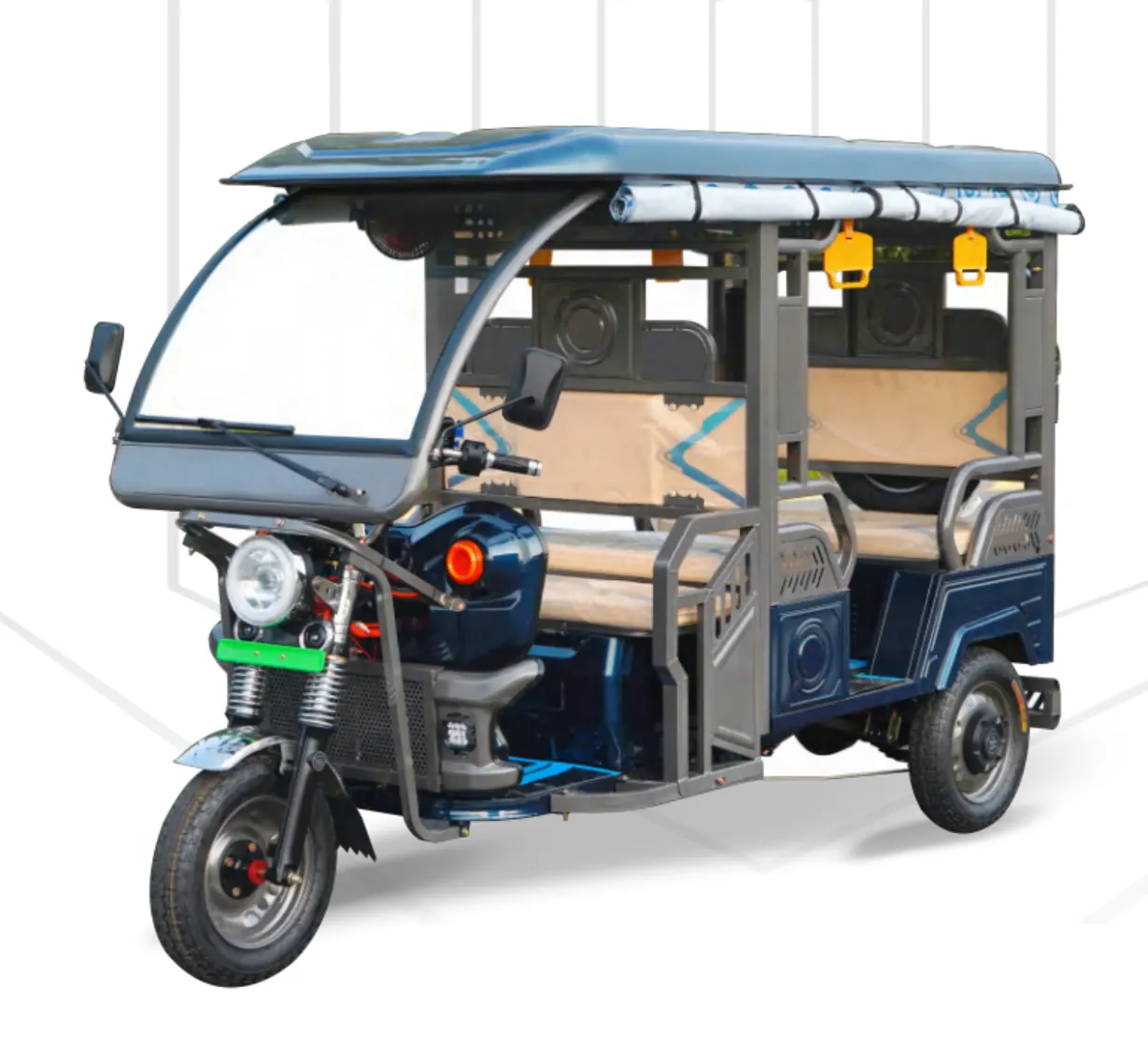
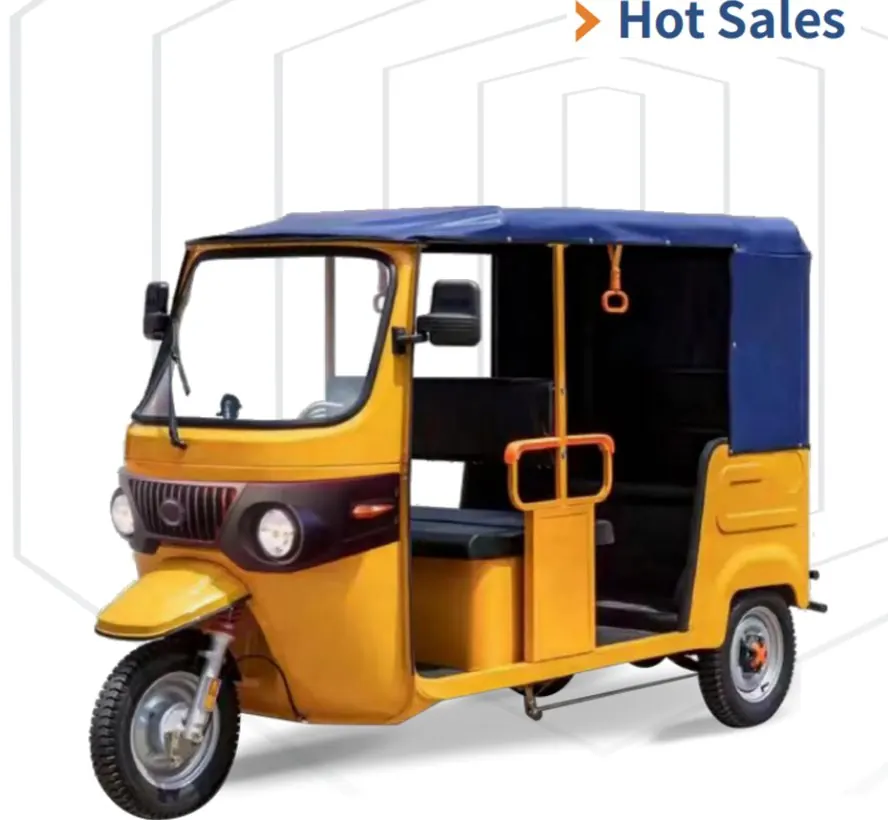
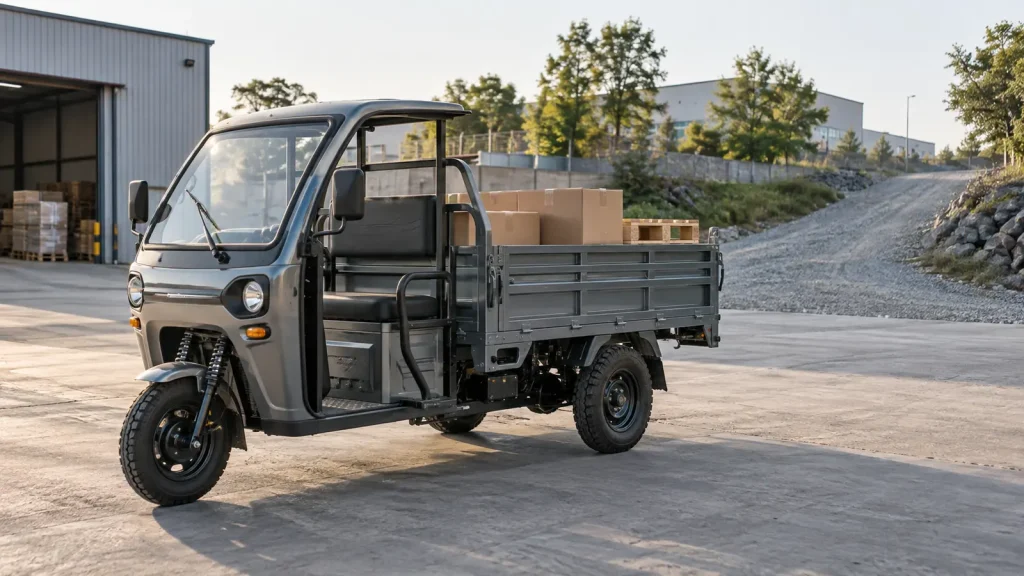
A cargo electric tricycle should be selected from the work cycle, not from one headline specification. Buyers need to define the actual cargo mass and volume, route distance, road grade, surface condition, stop frequency, operating hours, charging window, cargo-body requirement and destination-market rules before comparing models. These inputs interact: a route with repeated starts, steep […]
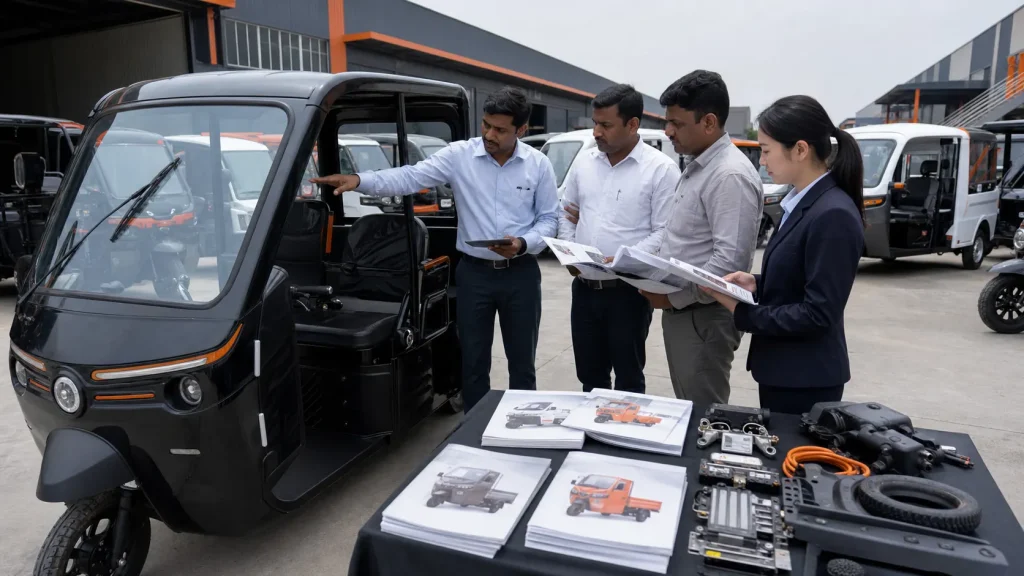
April 21, 2026 / Fengxian, Xuzhou
Why are more and more young people preferring to buy electric unicycles now?
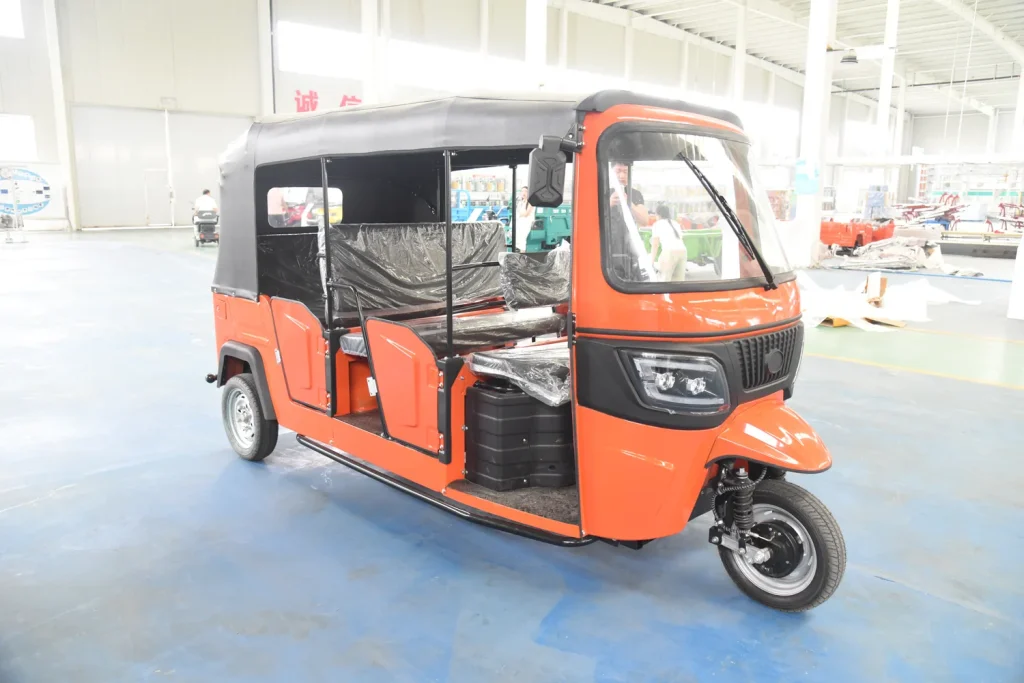
The feeling brought to me by the newly purchased manned electric tricycle
An electric tricycle, different answers from 120 countries
It can be suitable, but stability depends on the loaded center of gravity, braking control, tire grip, suspension, and how the trike handles turns on the route. Ask for guidance based on the actual slopes, surface conditions, stopping points, and typical load rather than judging the vehicle only on flat, empty-road performance.
A four-wheel design may offer a different stability trade-off, especially for slow work on broad, relatively even surfaces, but it can require more space to turn and park. A three-wheel trike may be easier to maneuver in narrow routes, so compare turning space, load placement, braking behavior, and road conditions before choosing.
No. A wider stance can support steady handling, but a high or rear-heavy load, unsuitable suspension, poor tire contact, or uneven braking can still reduce control. Stability should be considered as a complete system rather than inferred from axle width alone.
Provide the intended use, normal and maximum working load, passenger count if relevant, route surface, slopes, turning space, daily distance, and storage limits. Also ask for the frame layout, cargo or seat dimensions, battery position, braking arrangement, tire type, suspension, and service access for the proposed configuration.
Only if the added cargo can be secured without raising the center of gravity or exceeding the vehicle's intended load distribution. Passenger comfort features do not automatically make a trike suitable for boxes, tools, or rear-mounted cargo, so confirm the permitted use and loading arrangement before combining duties.
Tell us the intended use, typical load or passenger count, and the road conditions or slopes on your route. If space is limited, also include turning width or storage limits so the recommended electric trike configuration can be matched more accurately.