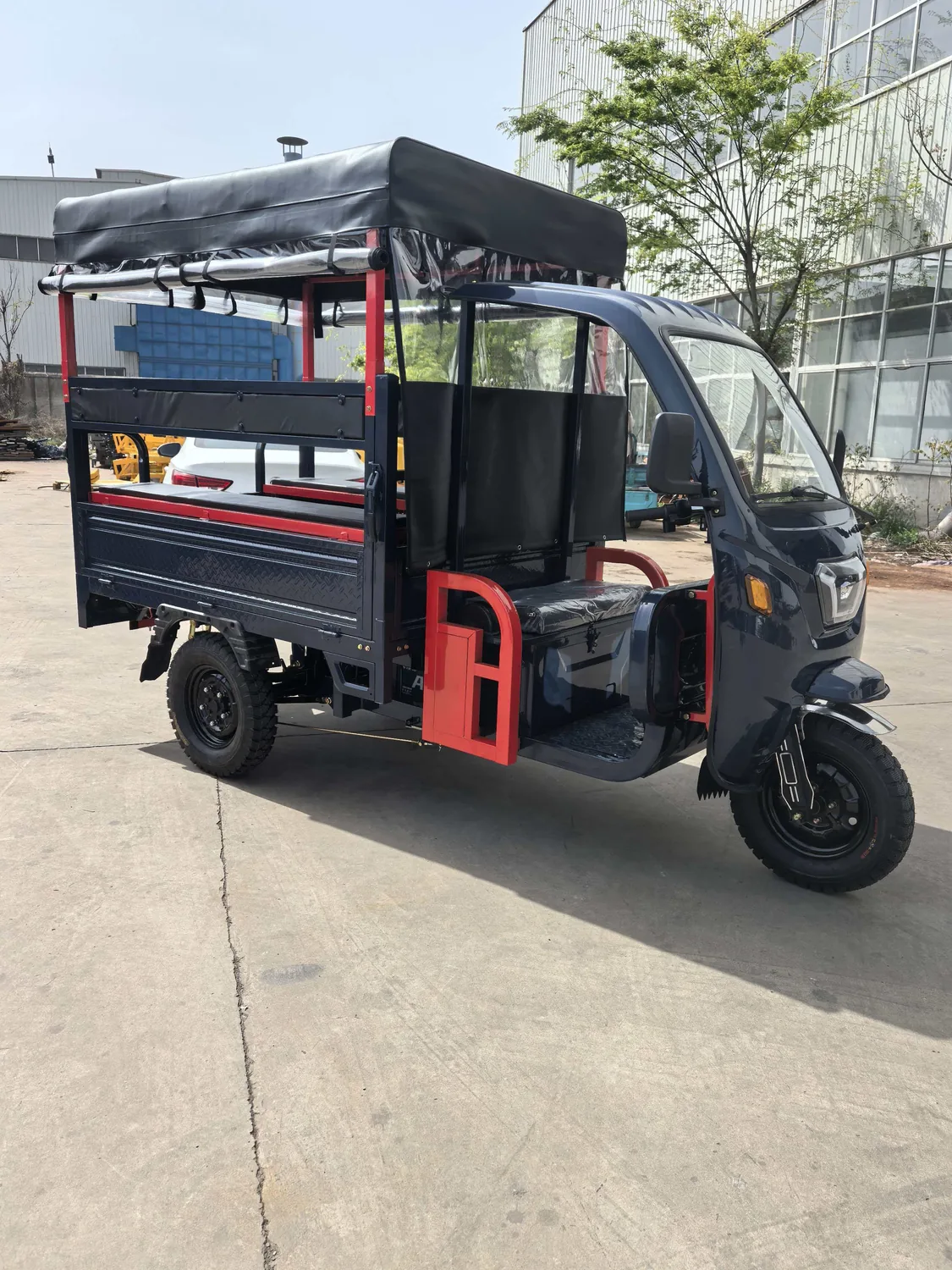
Yunhai 1.8 Passenger-Cargo Electric TukTuk
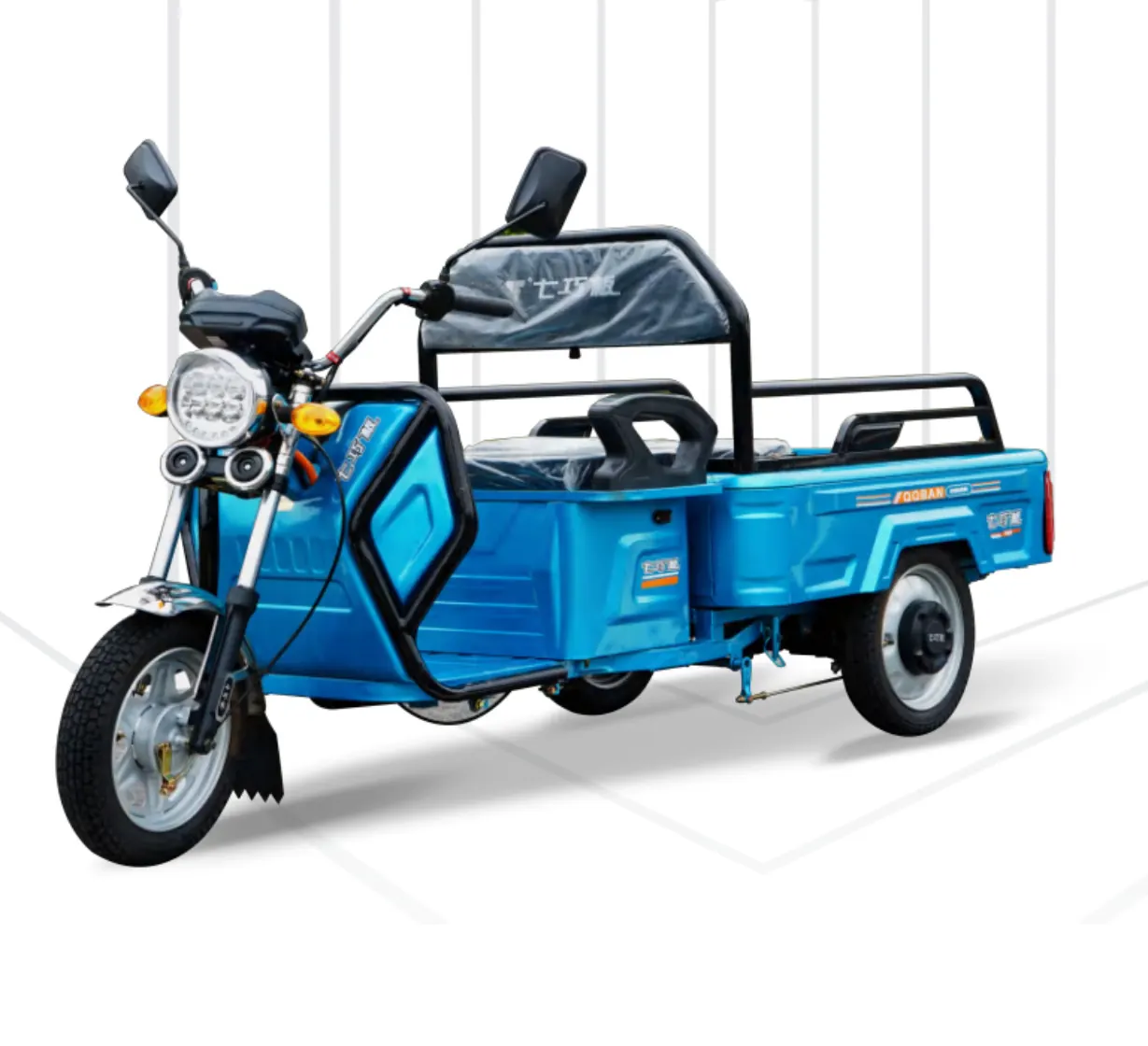
A Yunhai 1.8 passenger-cargo electric tuktuk with 3000W motor reference, 1000 kg loading capacity and a larger body for mixed passenger and cargo duty.
Read MoreElectric Tuk-Tuk for Passenger Routes | Xuzhou LVHANG Vehicle Industry Co., Ltd.
An electric tuk-tuk suits short passenger trips, campus or resort shuttles, neighborhood transport and other routes where easy maneuvering matters more than high road speed. The key purchase decision is matching the passenger layout, weather protection, battery arrangement and route duty to the people and distance the vehicle will carry each day.
Start with the real operating pattern: passenger count, total load, road surface, gradients, daily distance, stopping frequency and available charging. A vehicle that fits a flat private route may be a poor match for public-road traffic, steep streets or frequent full-load journeys.
A Yunhai 1.8 passenger-cargo electric tuktuk with 3000W motor reference, 1000 kg loading capacity and a larger body for mixed passenger and cargo duty.
Read More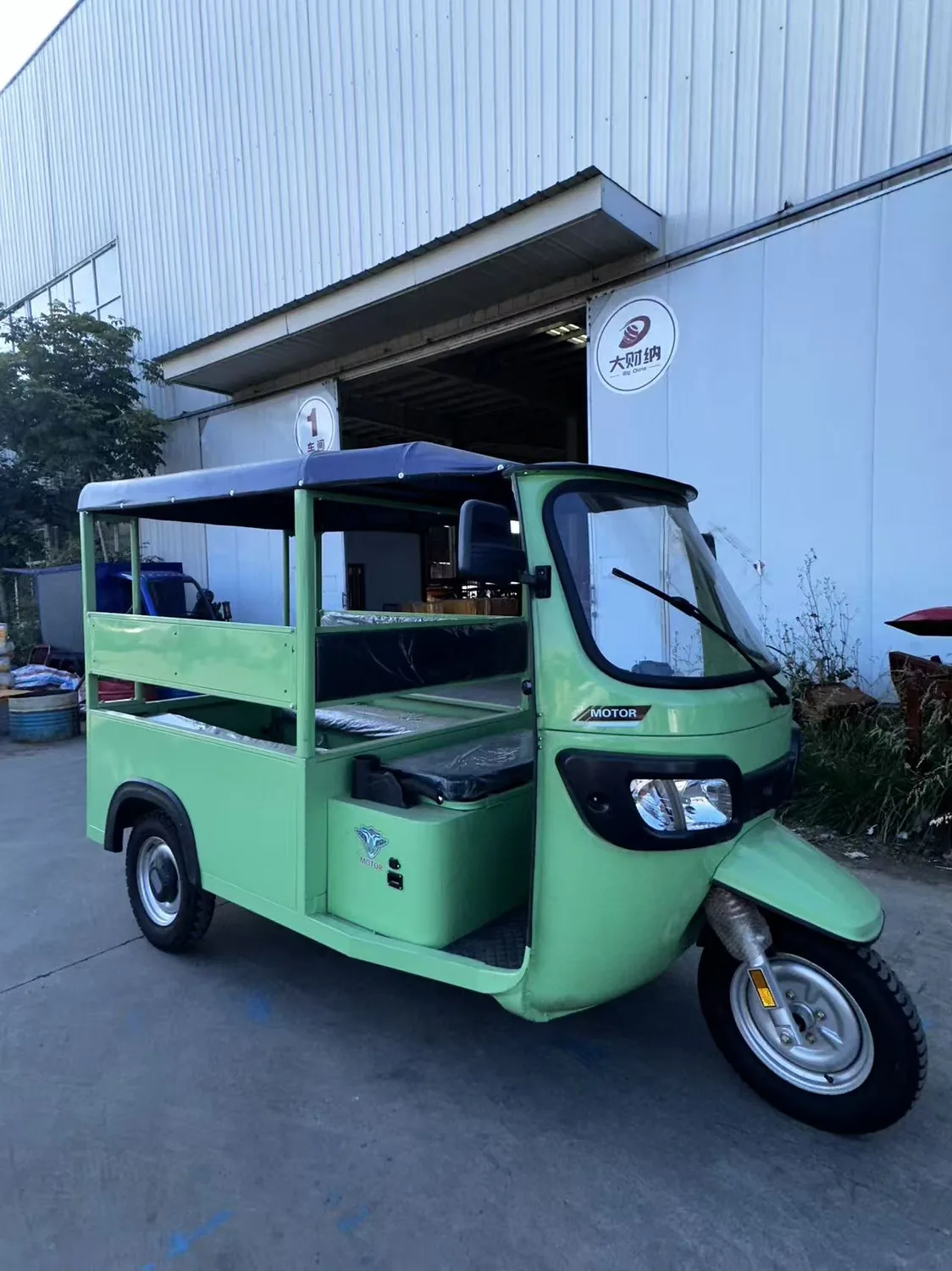
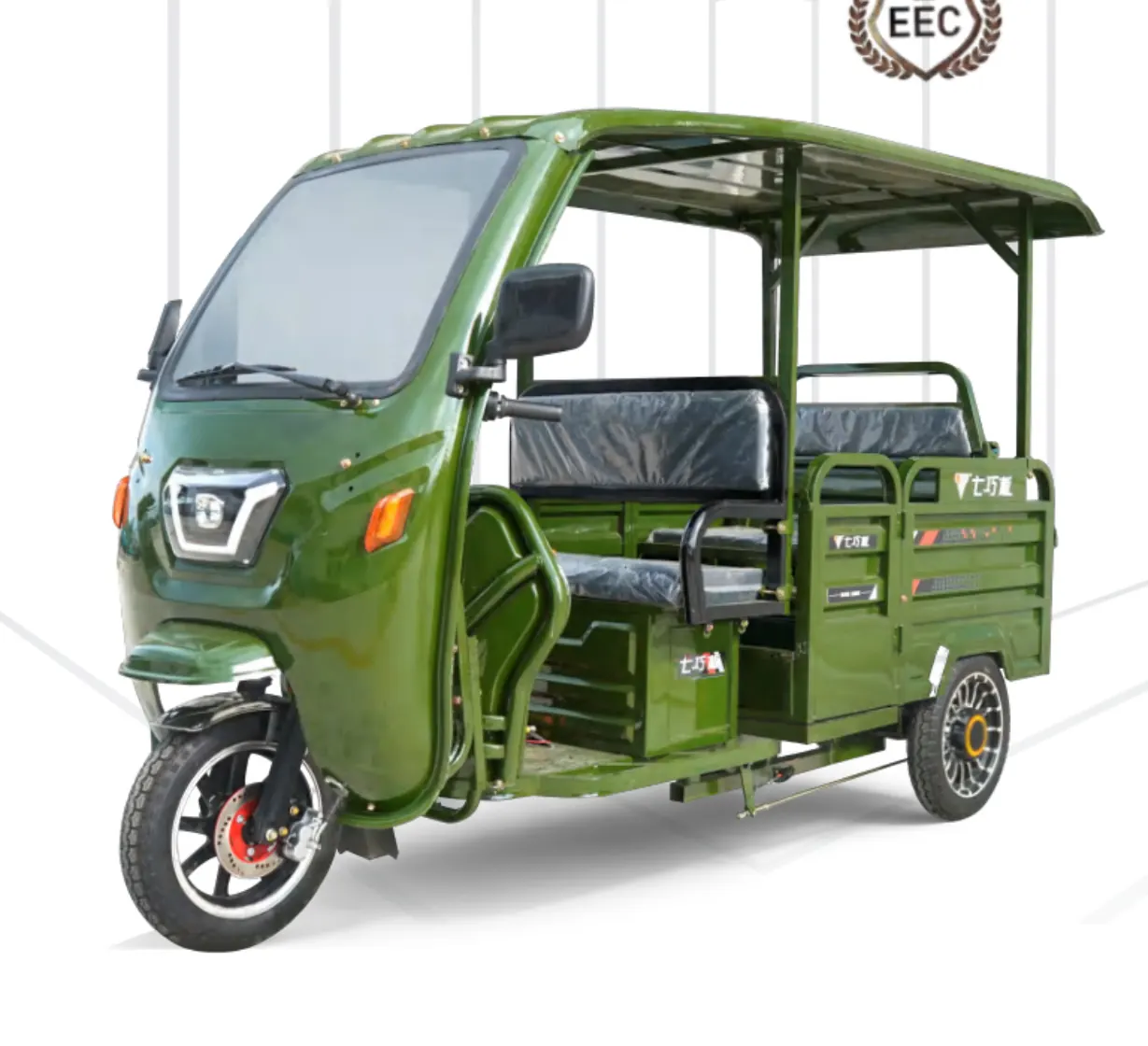
A green 1.6 passenger-cargo electric tuktuk variant with 2000W motor reference, 180 integrated rear axle and longer mileage range options.
Read More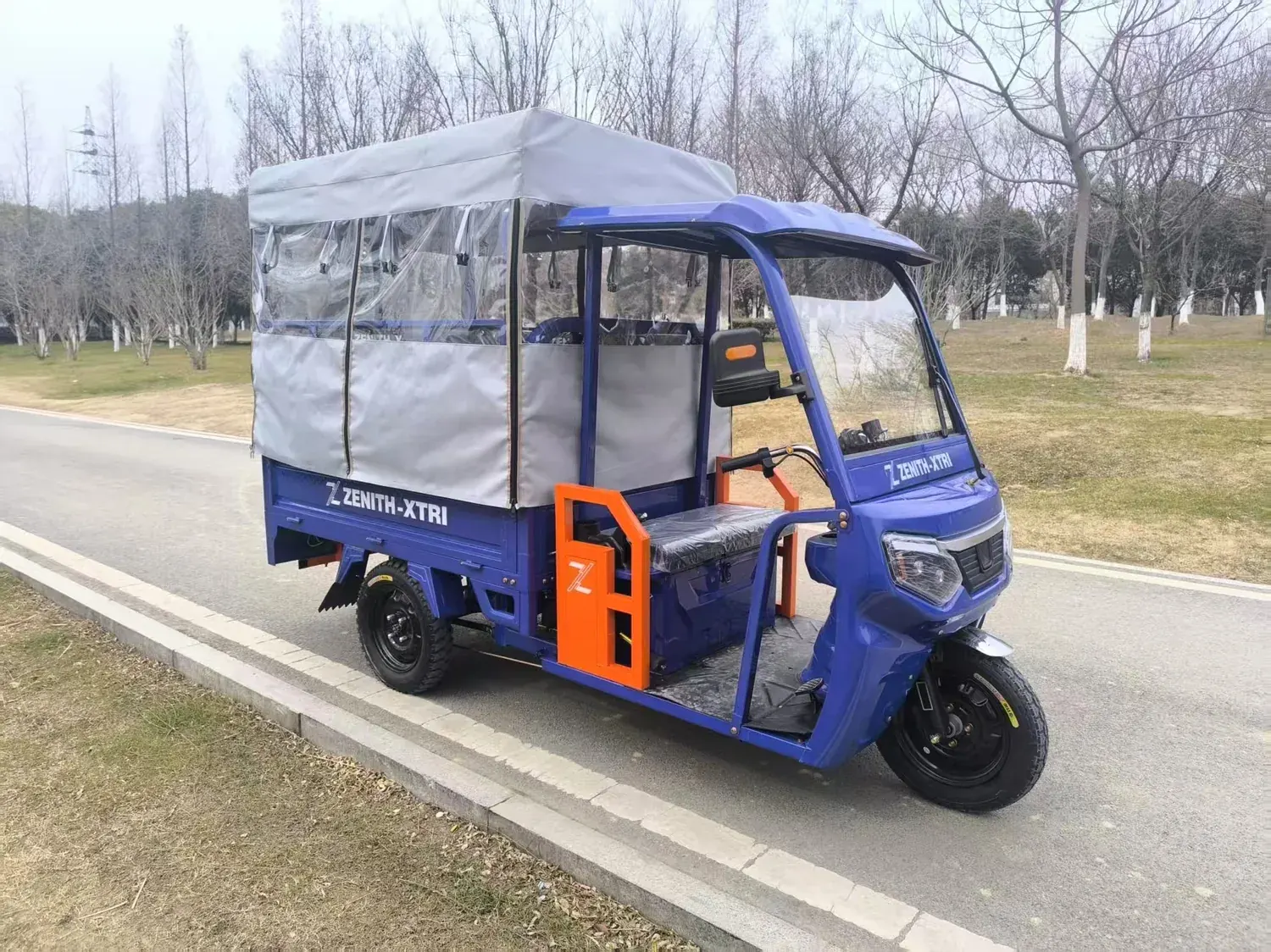
A 1.6 passenger-cargo electric tuktuk for short-route passenger service, light goods movement and mixed-use local transport.
Read More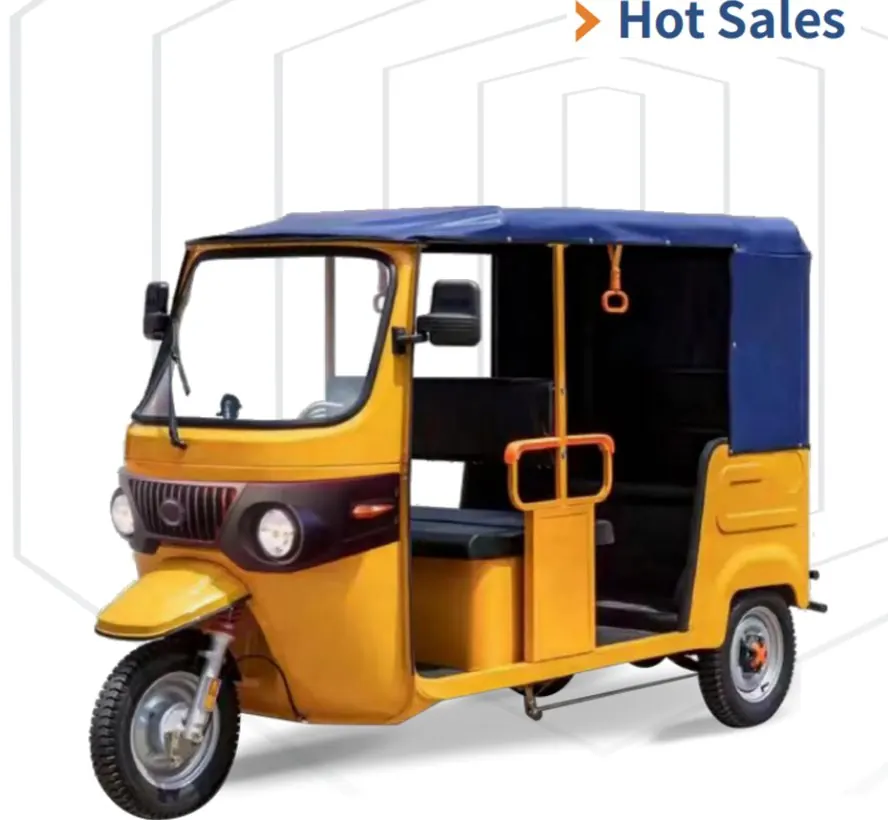
A passenger tuktuk model for local transport services where covered passenger movement and simple service support are priorities.
Read More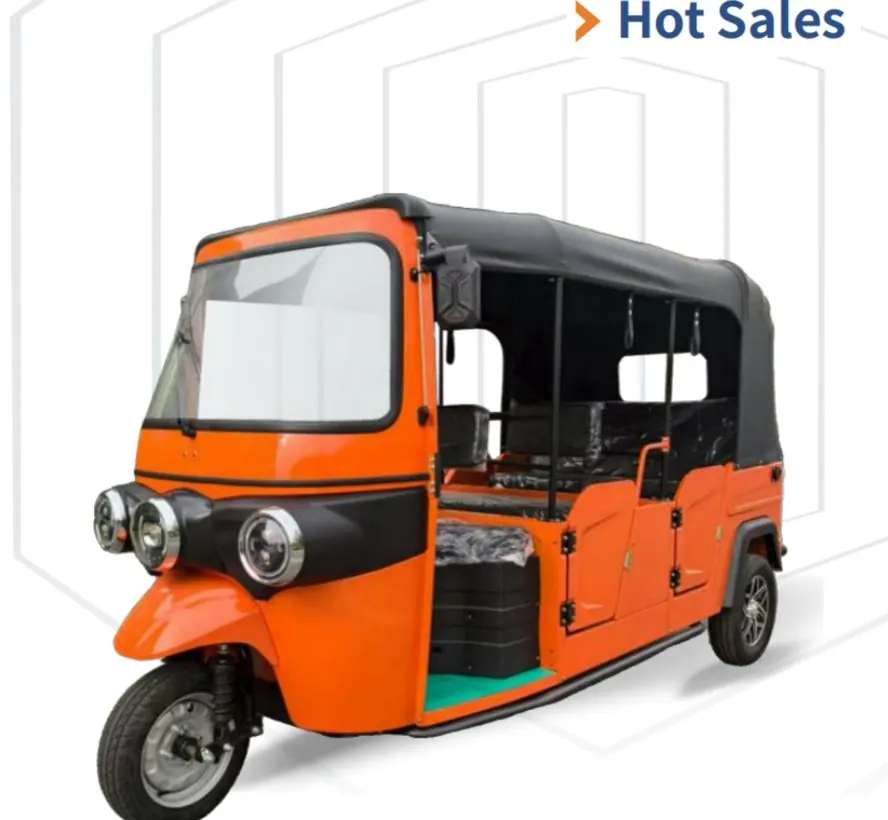
A higher-capacity tuktuk model with 1000 kg listed loading capacity, 72V 3000W motor and 100Ah lithium battery reference.
Read More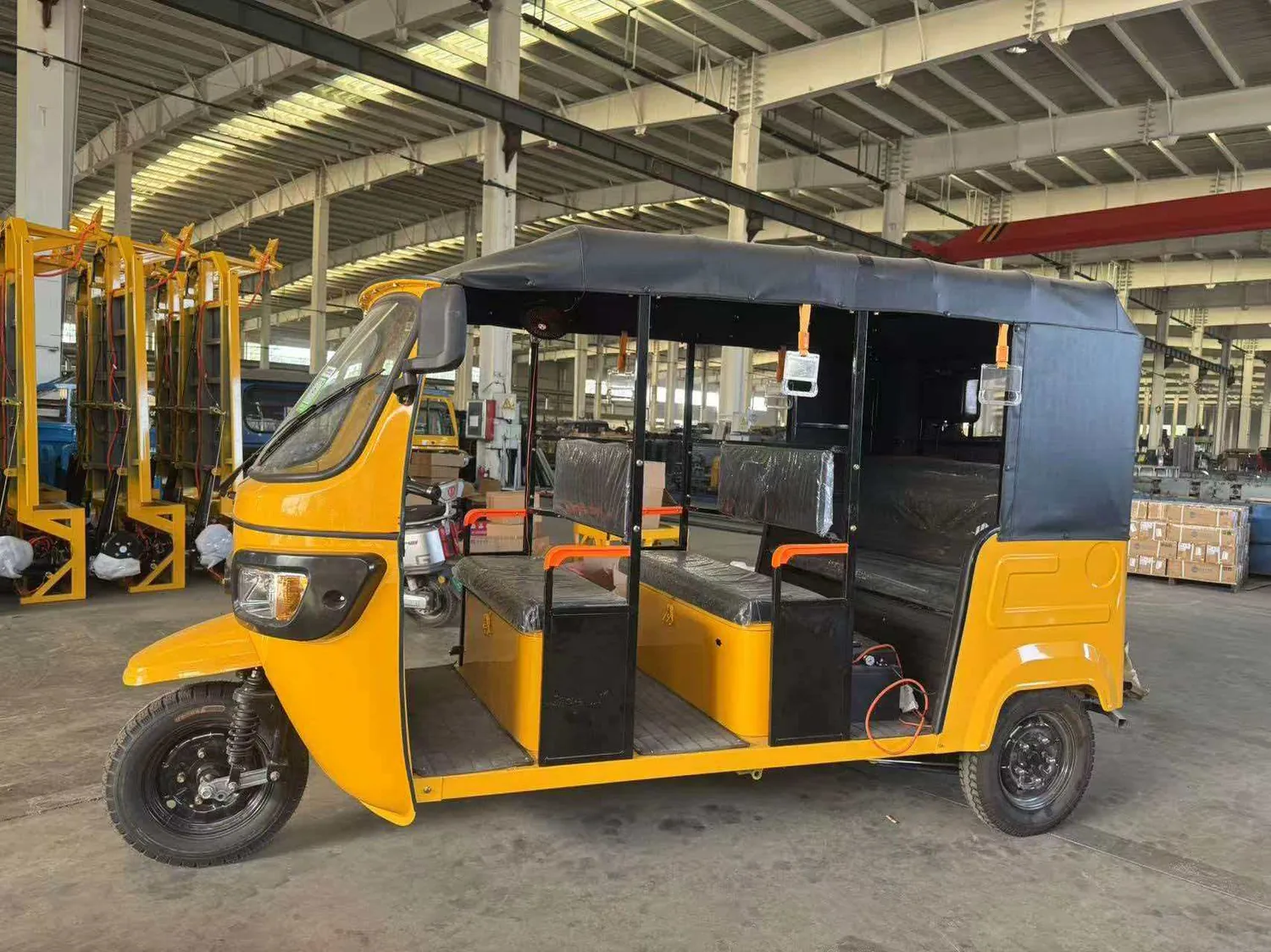
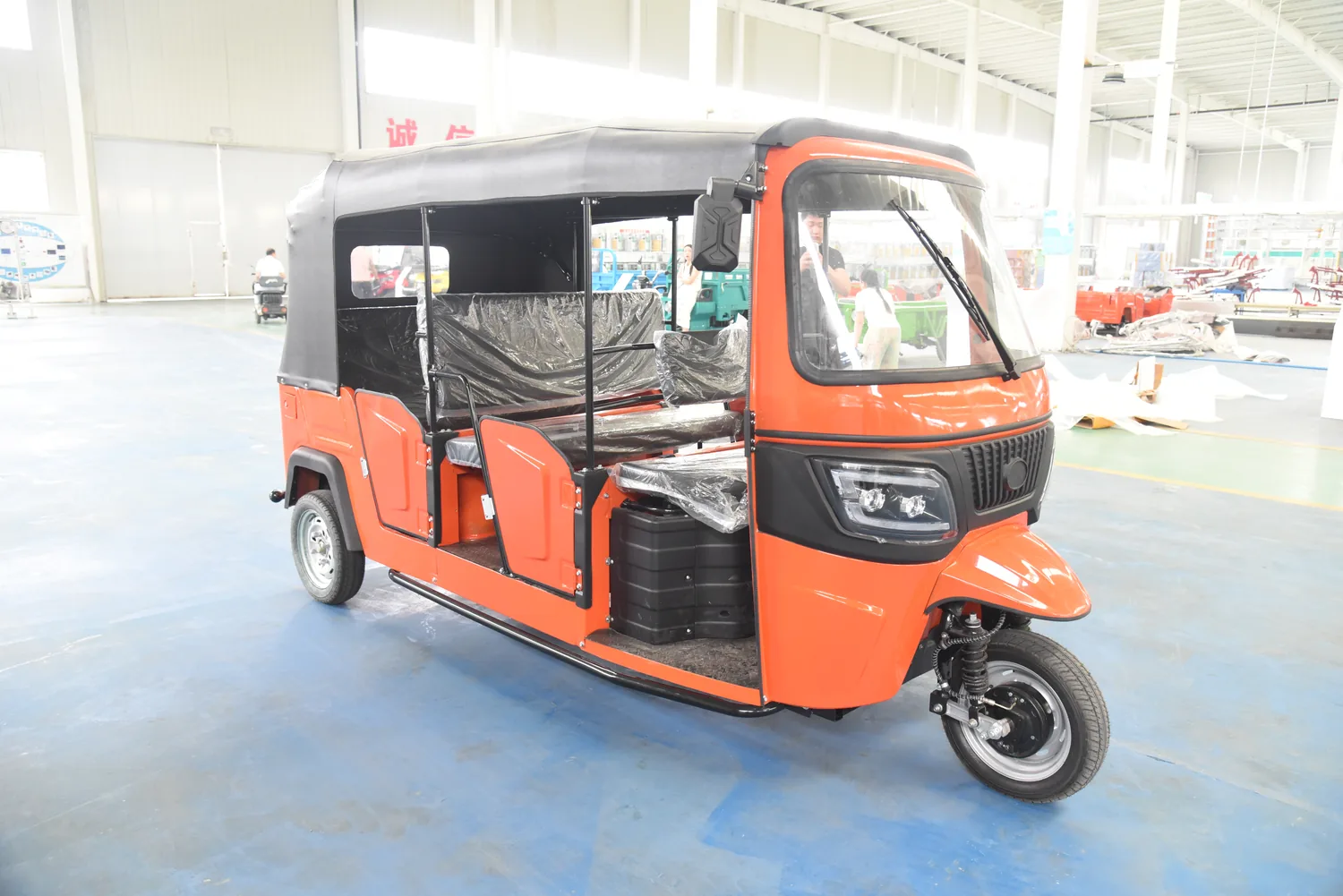
A three-row passenger tuktuk model for local transport, park routes and managed short-distance passenger service.
Read MoreElectric Tuk-Tuk Selection
Compare electric tuk-tuks by passenger capacity, usable cabin dimensions, body enclosure, chassis and suspension layout, battery and charging arrangement, braking system, turning space, controls and service support. The right choice depends on how the vehicle will be loaded and driven; appearance or motor labeling alone does not show whether it will suit a daily shuttle route.
| Criterion | What To Check | Why It Matters | Buyer Tip |
|---|---|---|---|
| Passenger or cargo layout | Confirm the seating plan, cargo area, roof style, doors or side curtains, and whether the vehicle is intended mainly for riders, parcels, market goods, or mixed use. | An electric tuk tuk built for passengers needs comfort, entry space, and weather cover. A cargo version needs load access, tie-down points, and a body that suits the goods carried. | Ask: Is this model configured for passenger transport, cargo delivery, or can the body be customized for my daily route? |
| Load and route duty | Share the typical payload, number of stops, road surface, hills, daily distance, and whether the vehicle starts and stops frequently. | Short urban trips, steep roads, and heavy loads place different demands on the motor, battery, braking system, and frame. A vehicle that works well on flat streets may not suit hilly or overloaded routes. | Ask: Based on my payload and route, which motor, battery, and braking setup would you recommend? |
| Battery type and charging arrangement | Verify the battery chemistry, removable or fixed design, charger type, charging time, and the power supply available at the operating site. | Charging time and battery handling affect daily uptime. A removable battery may suit shared charging areas, while a fixed battery may be simpler for depot charging. | Ask: Can the battery be charged safely with my local power supply, and what charging routine do you suggest for daily commercial use? |
| Vehicle size and maneuverability | Compare overall length, width, turning ability, ground clearance, and cabin access against the streets, alleys, gates, and parking spaces where it will operate. | A larger electric tuk tuk can carry more people or goods, but it may be harder to park, turn, or pass through narrow local roads. | Ask: What are the overall dimensions and turning requirements, and will this model fit my operating area? |
| Parts, maintenance, and after-sales support | Confirm the availability of wear parts such as tires, brakes, lights, controllers, chargers, and body panels, plus guidance for routine maintenance. | Commercial users lose time when simple parts are hard to replace. Clear parts support matters as much as the initial vehicle specification. | Ask: Which spare parts should I order with the first shipment, and how are replacement parts identified later? |
The practical distinction is between a passenger-focused electric tuk-tuk and a platform adapted from a cargo three-wheeler. A passenger model normally prioritizes seating access, handholds, shelter, ride comfort and entry height; a cargo-oriented layout may offer more flexible load space but can compromise passenger comfort and protection.
Open-sided bodies provide ventilation and quick boarding, while enclosed or partly enclosed bodies offer better protection from rain, wind and dust but add weight and may restrict visibility or access. Confirm the seating layout, usable interior space, turning behavior and body materials against the route rather than choosing by appearance alone.
Match the vehicle to the duty cycle. Record the usual number of passengers, their combined weight, route length, gradients, road surface and number of stops. Include occasional peak loads instead of sizing only for an average trip. Ask for the permitted load, tested operating conditions and expected range under a comparable load and route.
Check the battery and charging arrangement. Daily distance is only part of the decision; stop-and-go driving, hills, passenger weight, weather and auxiliary equipment can change energy use. Confirm the battery type, charging method, charging time, replacement process and whether the proposed arrangement fits the electricity supply at the parking location. Do not assume that a removable battery or a second battery is included.
Compare comfort with maneuverability. Check the wheelbase, turning space, suspension, braking equipment, tire type, step height, seating position and roof or side-cover design. A compact body can work well in narrow lanes, but limited interior space may be uncomfortable for longer rides. A larger enclosed body may improve weather protection while making parking and turning more demanding.
Plan ownership before ordering. Confirm the intended road or private-site use, available operating documents, spare-parts process, warranty terms, service instructions and delivery condition for your destination. Send the supplier your passenger count, route profile, daily distance and destination so the proposed configuration can be checked against the actual use rather than a generic vehicle description.
| Criteria | Importance | Description | Example Options |
|---|---|---|---|
| Passenger layout | Critical for comfort, boarding speed and safe use | Check the number of seats, entry height, handholds, legroom and whether passengers can board and exit without crowding. A layout that looks compact may be efficient for short rides but uncomfortable for longer shuttle work. | A resort shuttle may value easy side entry and comfortable seating more than maximum passenger count. |
| Body enclosure | Important when climate and route exposure affect daily service | Open bodies improve airflow and access, while enclosed bodies improve weather protection. The trade-off is added weight, different visibility and possibly less convenient boarding. | A vehicle used in a dry private campus may use an open design, while a rainy route may need side covers or a more enclosed cabin. |
| Battery and charging plan | High impact on daily availability | The battery arrangement must fit the route length, load, charging time and parking location. Do not assume fast charging, removable batteries or spare batteries are included unless confirmed. | A vehicle running several short trips each hour may need overnight charging plus a clear mid-day charging plan if the route is intensive. |
| Route and road conditions | Often the deciding factor between similar-looking vehicles | Gradients, rough surfaces, tight turns and frequent stops place different demands on the chassis, braking, suspension and tires. A model suited to flat paved paths may not be suitable for hills or uneven roads. | A neighborhood route with speed bumps and slopes needs a different setup from a flat exhibition-site shuttle. |
| Service and documentation | Important for long-term operation and destination planning | Confirm spare parts, maintenance instructions, warranty terms, delivery condition and available vehicle documents before ordering. Public-road use may require checks beyond the vehicle specification itself. | A buyer importing for fleet use should confirm what paperwork and service support can be supplied with the order. |
Related Options
For a campus, resort or neighborhood shuttle, give priority to easy boarding, stable handling at low speed, weather protection and a charging plan that fits the operating schedule. For a short-distance passenger service with frequent stops, those practical features may matter more than maximum range or a larger body.
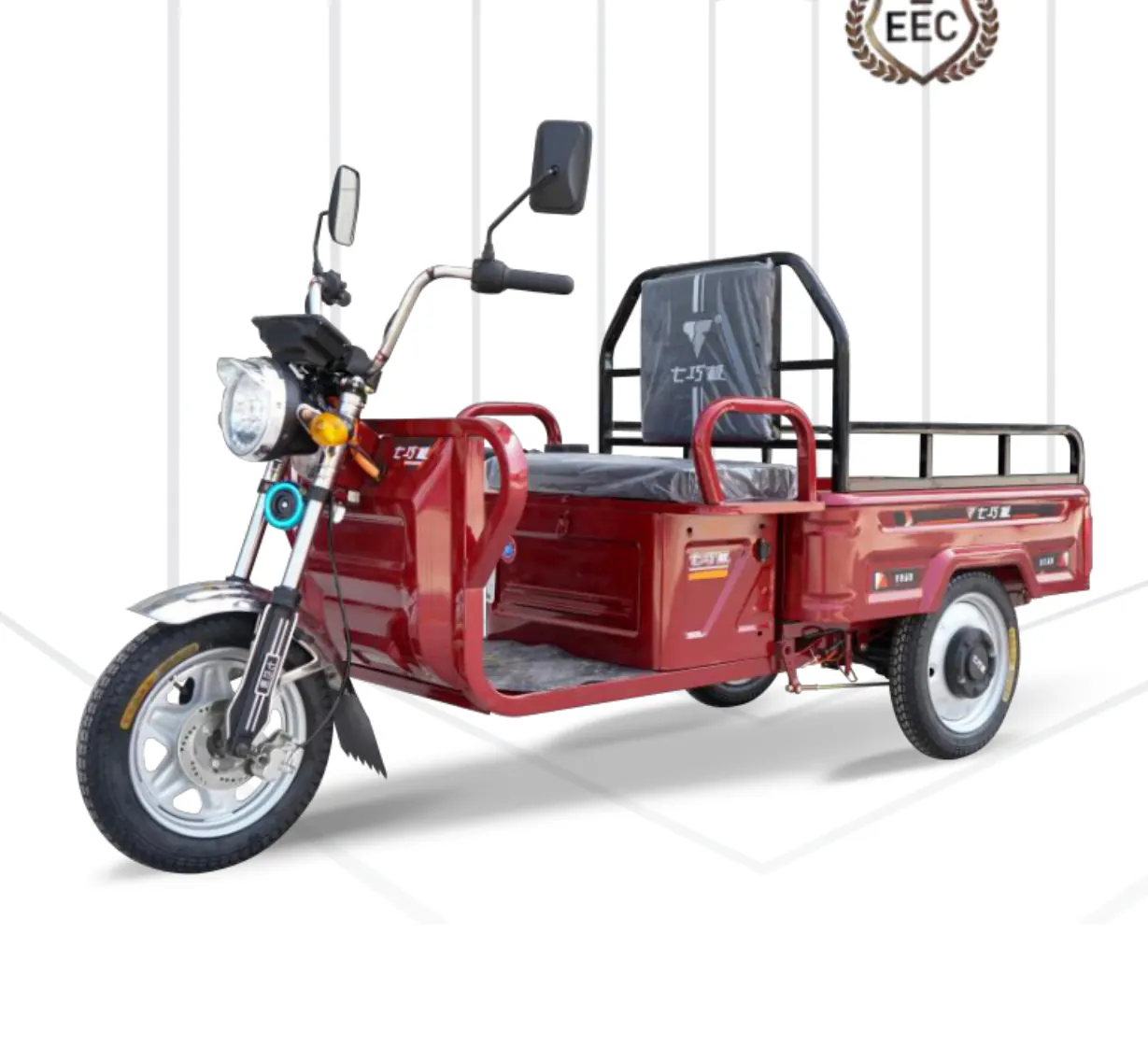
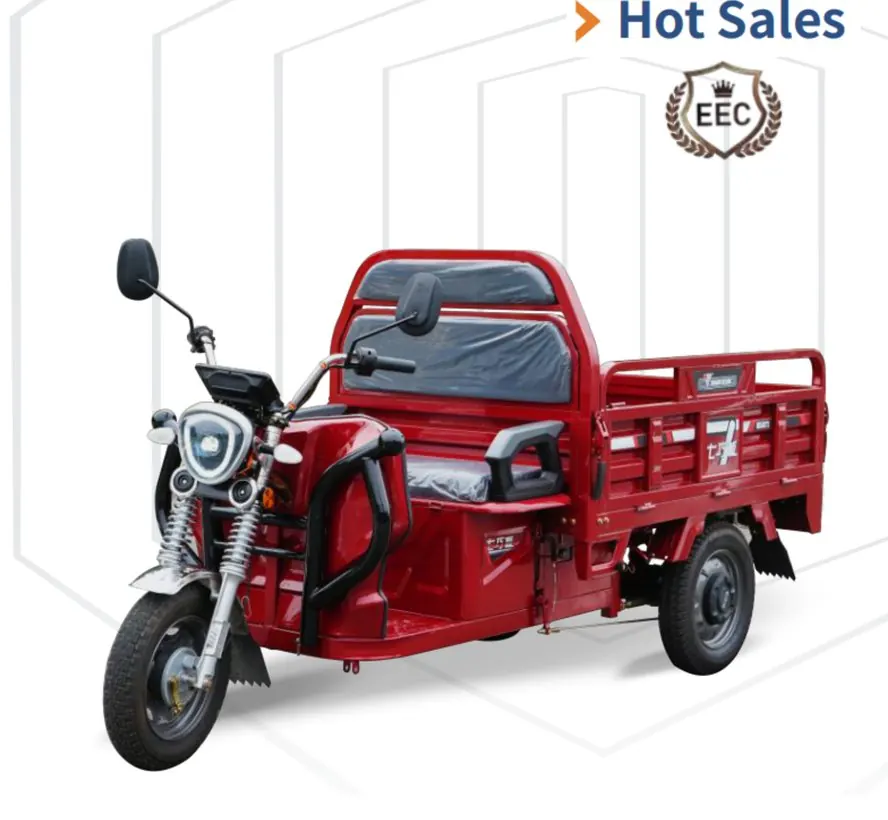
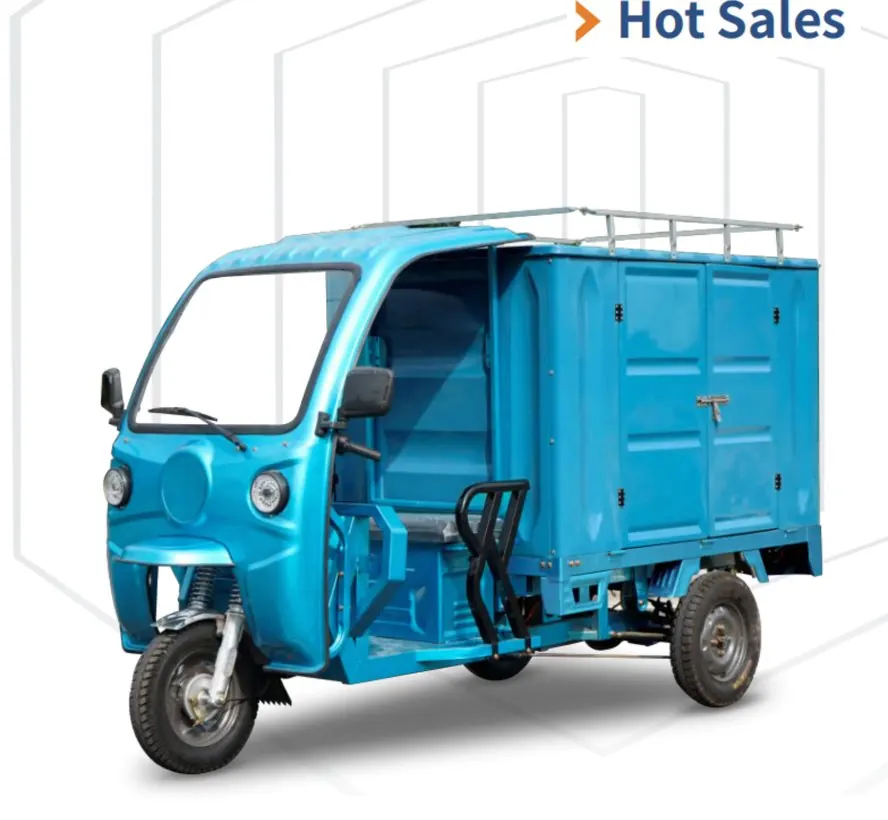
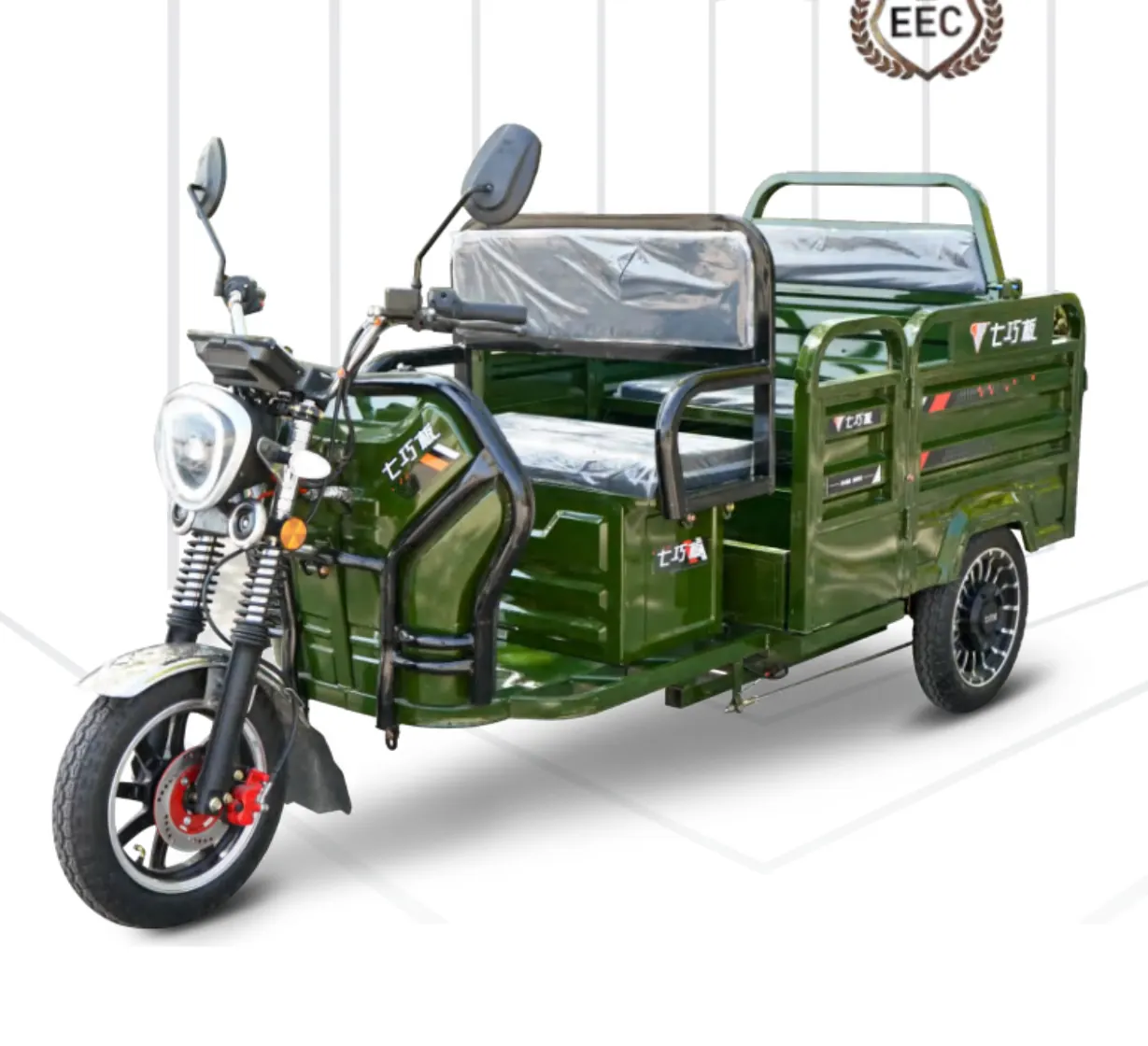
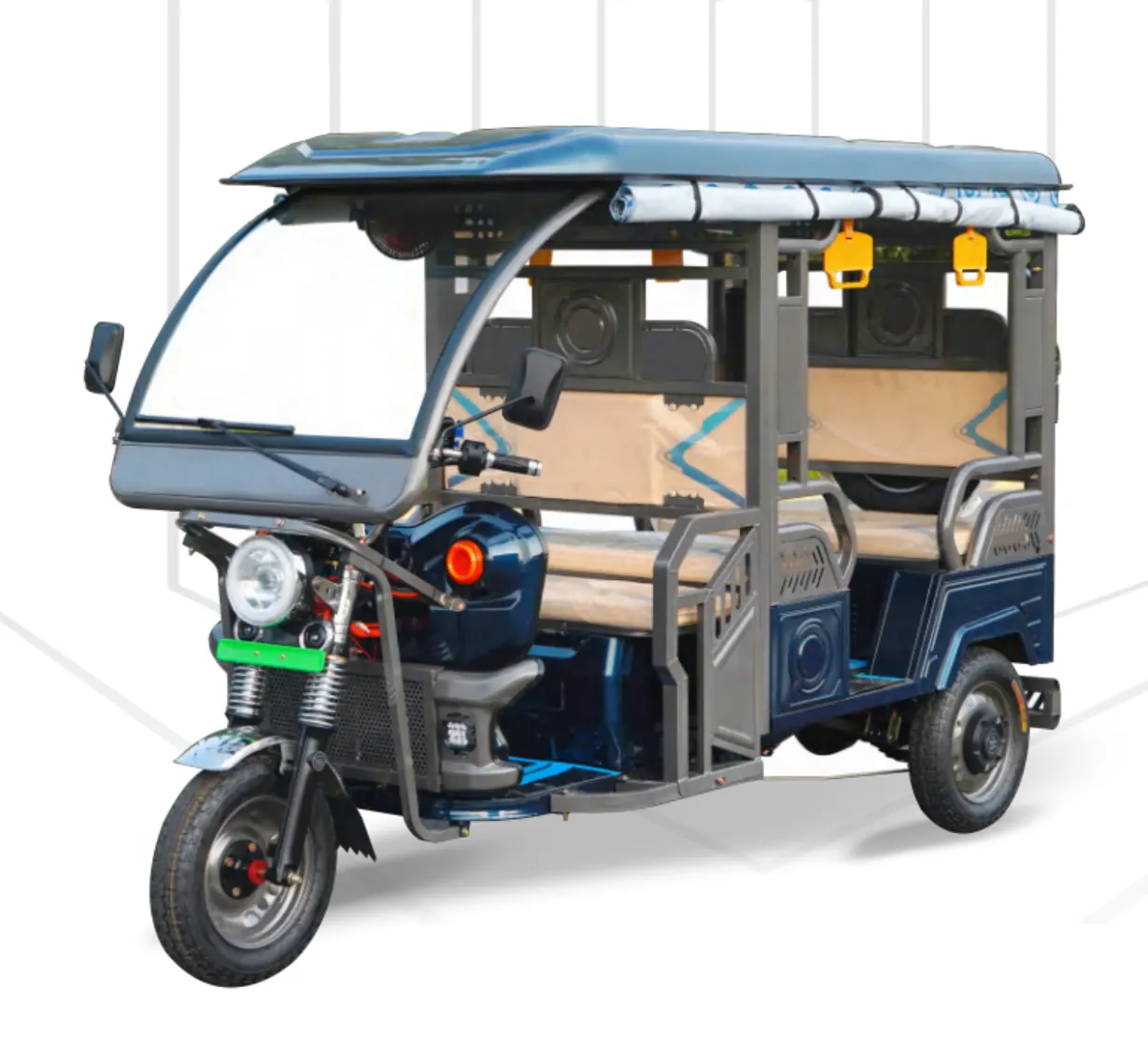
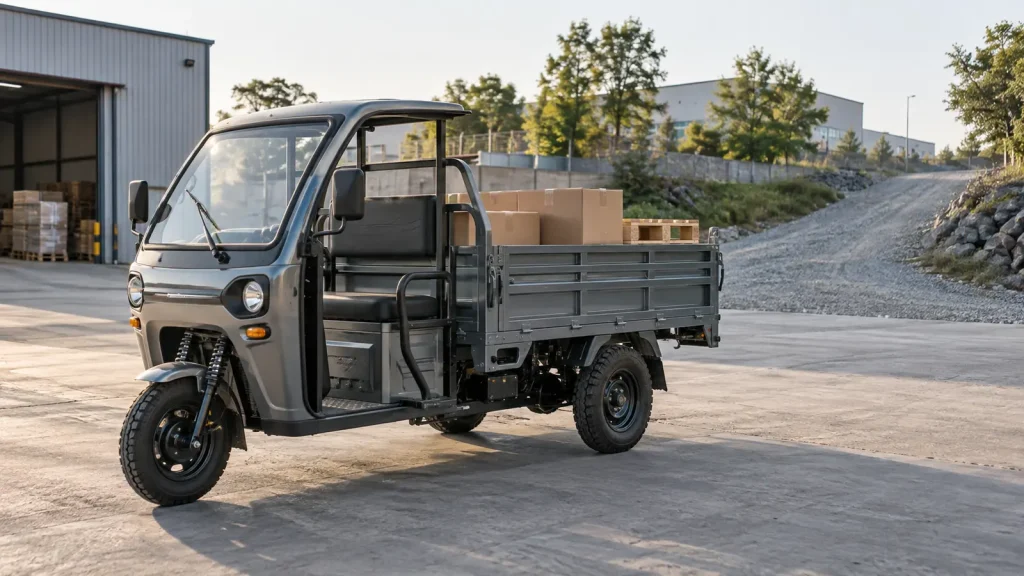
A cargo electric tricycle should be selected from the work cycle, not from one headline specification. Buyers need to define the actual cargo mass and volume, route distance, road grade, surface condition, stop frequency, operating hours, charging window, cargo-body requirement and destination-market rules before comparing models. These inputs interact: a route with repeated starts, steep […]
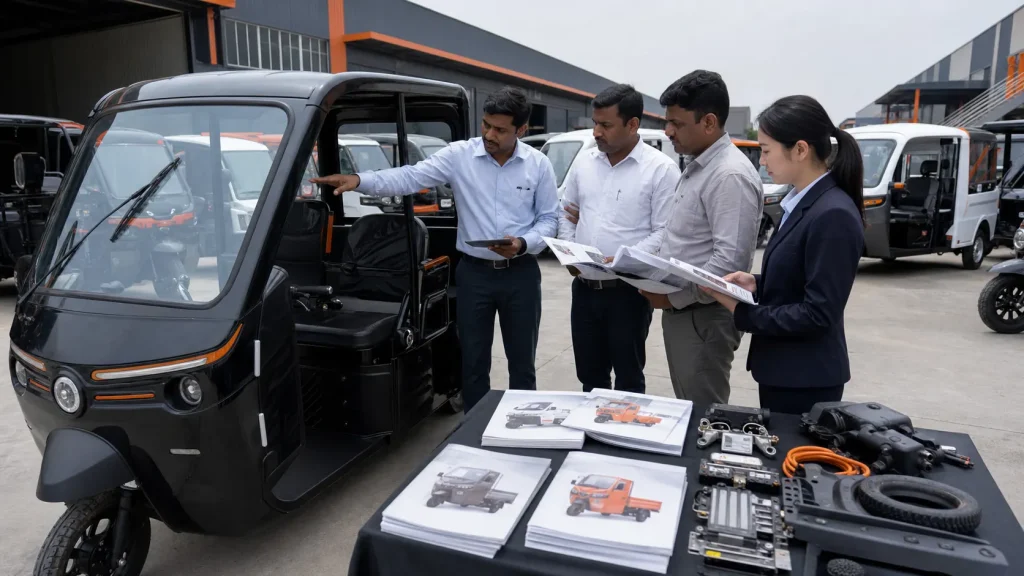
April 21, 2026 / Fengxian, Xuzhou
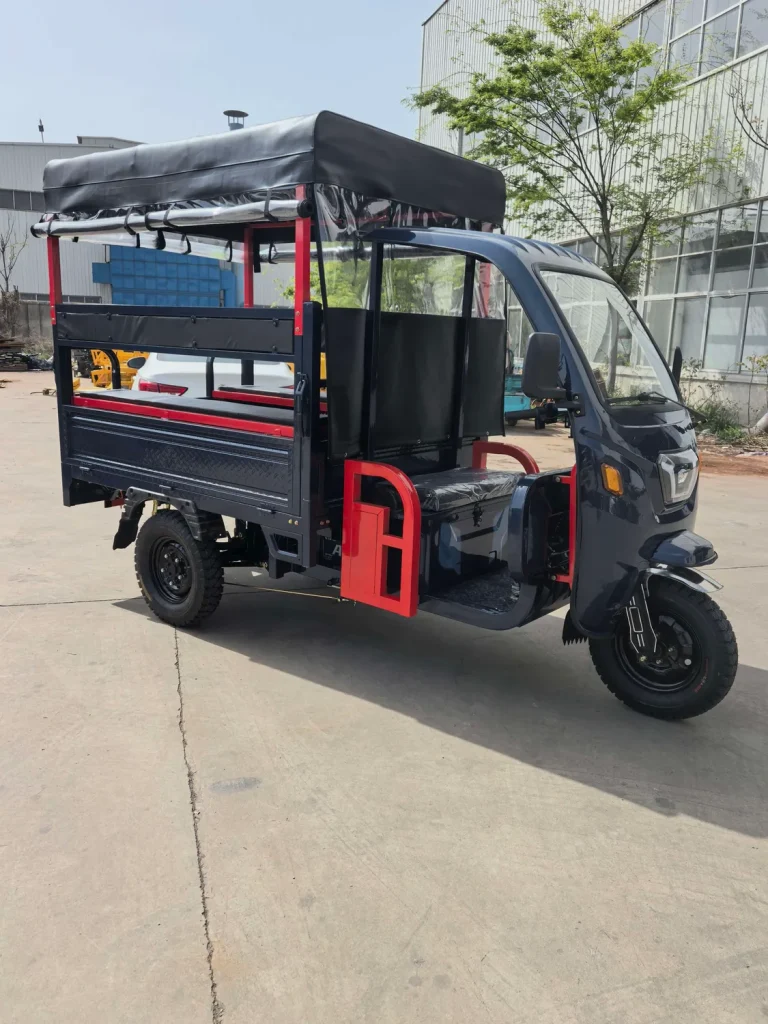
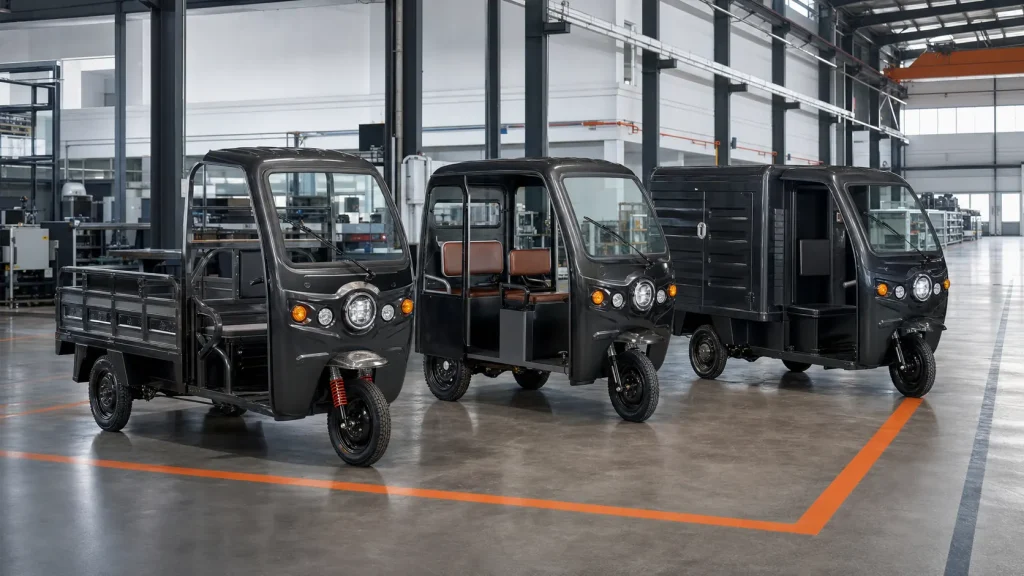
Why are more and more young people preferring to buy electric unicycles now?
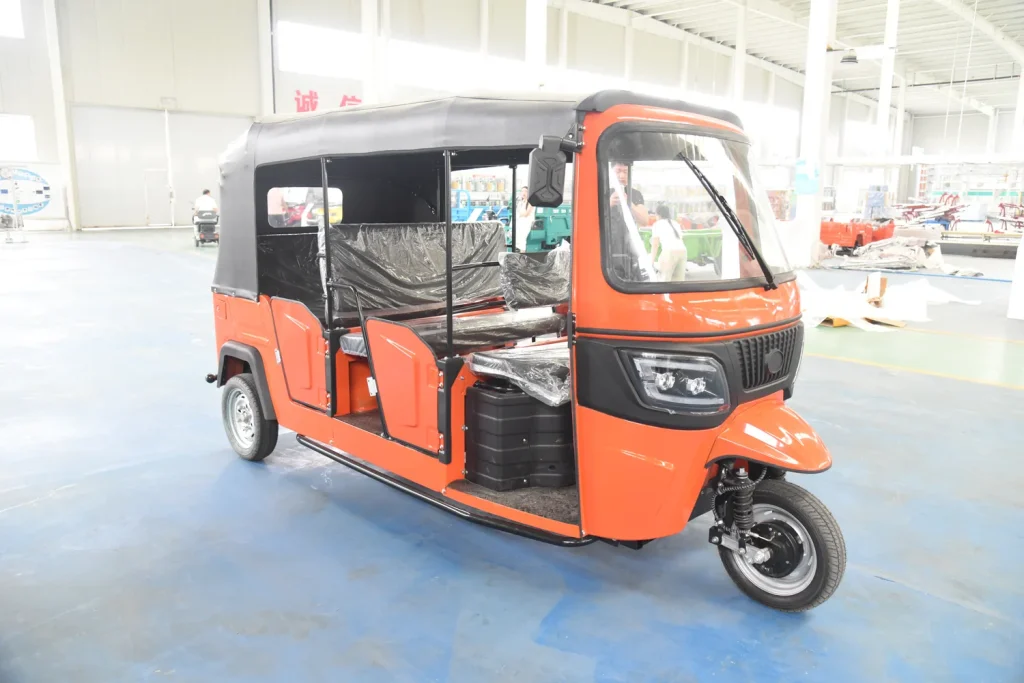
The feeling brought to me by the newly purchased manned electric tricycle
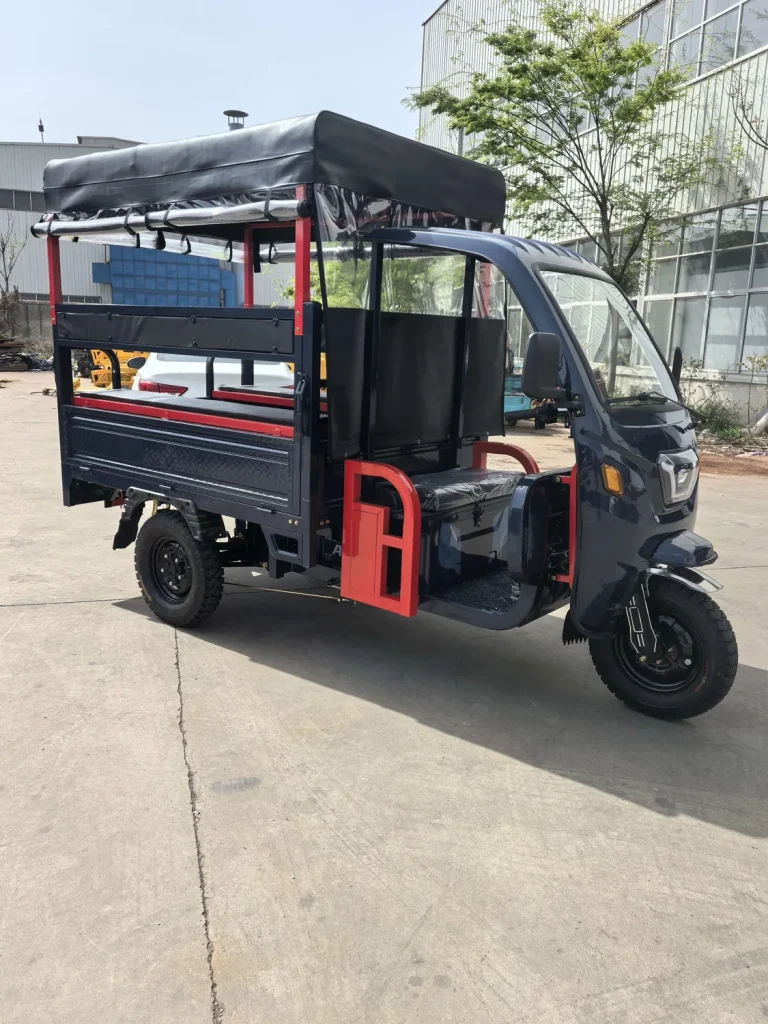
An electric tricycle, different answers from 120 countries
It can be suitable for short, low-speed passenger routes, but suitability depends on the operating area, road conditions, passenger load and local approval requirements. Confirm the intended use with the supplier and check what documents, vehicle category and registration conditions apply at your destination.
An open or semi-open body is easier for quick boarding and ventilation, which can suit campuses, parks and warm climates. An enclosed or partly enclosed body gives better rain, wind and dust protection, but it usually adds weight and may reduce visibility, access or turning convenience.
No. Motor rating alone does not show whether the vehicle will perform well with passengers on your route. Load, controller setup, battery condition, gearing, gradients, braking and heat management all affect real operation, so compare the whole configuration against your duty cycle.
Send the passenger count, estimated total load, daily distance, road surface, gradients, stop frequency, operating hours and charging location. Also state whether the vehicle will run on private property or public roads, because that can change the documents and configuration you need to verify.
Treat range as an operating estimate, not a fixed number. Frequent stops, full passenger loads, hills, soft road surfaces, cold or hot weather and lighting or fan use can reduce usable distance, so ask for range expectations under conditions close to your route.
Please share the expected passenger count and total load, the daily route with distance and gradients, and the destination or available charging arrangement so the suitable configuration can be checked.