Electric Tricycle Motor RFQ: Specifications and Drawings Buyers Should Provide
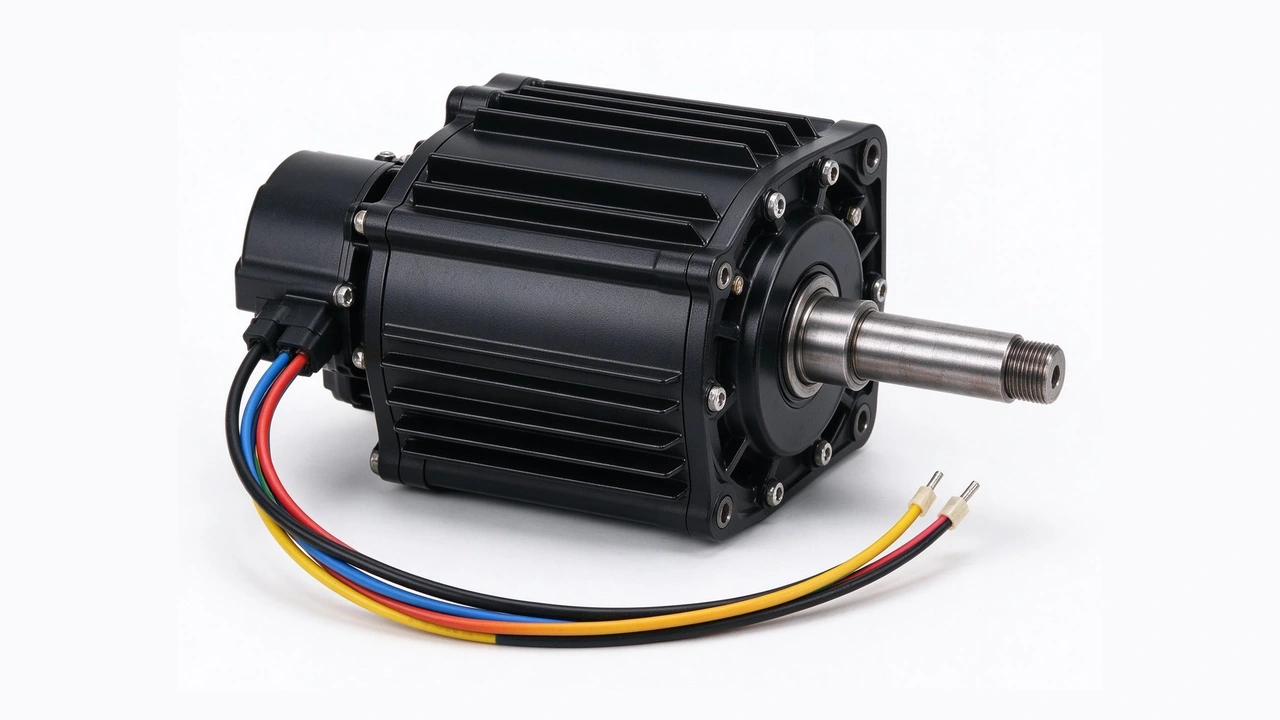
An electric tricycle motor RFQ should identify the motor or vehicle, describe the required operating conditions, and define the mechanical and electrical interfaces. Voltage and wattage alone cannot establish whether a replacement will fit, connect correctly or provide the required output in service. A useful request lets the supplier distinguish confirmed requirements from information that still needs checking.
For buyers sourcing from ECOGO’s electric tricycle motor range, the starting package can include an existing motor’s nameplate, installation photographs and available dimensions. A new vehicle project needs its own installation and operating requirements. In either case, the quotation should identify the proposed configuration and any unresolved differences before a sample or production order is approved.
Is the RFQ for a Replacement Motor or a New Vehicle Project?
Replacement Motors and Distributor Replenishment
For a replacement, provide the complete existing model designation and clear photographs of the nameplate, shaft end, mounting face, cable exit and connectors. Include a photograph of the motor installed in the vehicle: surrounding brackets, the transmission connection and available clearance may explain requirements that a loose-motor photograph misses.
State whether the order requires an unchanged replacement or whether a proposed alternative can be reviewed. An alternative may require a different bracket, coupling or connection arrangement; those changes belong in the supplier’s response. For distributor replenishment, separate motors used on different vehicle versions instead of assuming that similar housings identify the same part.
New Vehicle or OEM Integration
For a new electric three-wheeler project, provide the drive layout, available installation space and intended operating requirements. Include the transmission arrangement, target vehicle speed, loaded vehicle mass and route conditions where these are needed to establish motor demand. These are application inputs, not substitutes for a defined motor operating point. Ask the supplier to identify the assumptions used in any proposed selection.
Which Motor Ratings and Operating Conditions Should Be Provided?
Voltage, Rated Power, Speed and Torque
Specify the required voltage version and the existing or proposed battery and controller configuration. ECOGO’s 900W permanent magnet brushless DC motor page lists 48V, 60V and 72V. A buyer should identify the intended version and obtain its corresponding specifications; several listed voltages do not establish that one supplied unit is universally interchangeable between those systems.
Request rated speed and torque alongside power, and confirm whether the power figure refers to mechanical output or electrical input. The figures must describe the same operating point. At the same mechanical output power, different shaft speeds correspond to different torque values, so matching wattage does not establish matching drive characteristics. An unloaded speed and a peak torque figure cannot be combined to establish rated output. Where available, a torque-speed curve helps show whether the motor can provide the required torque at the intended operating speed.
For an e-rickshaw motor RFQ, vehicle load and route information provide context, but wattage alone does not establish passenger capacity or hill-climbing performance. The transmission, tires, vehicle mass and operating conditions also affect the demand placed on the motor.
Continuous Duty, Temporary Output and Cooling Conditions
Describe how long the motor runs under load, how frequently the vehicle starts, and whether sustained low-speed operation or long climbs are expected. Ask which output is continuous, which is temporary, and what duration and recovery conditions apply to any temporary rating.
State the installation environment, including enclosure and available airflow. A rating based on one cooling arrangement cannot be assumed to apply unchanged inside a more restricted space. Compare offers using the same duty and cooling assumptions, and request the applicable performance information when a listing provides only a nominal power figure.
Which Dimensions Should the Motor Drawing Show?
Shaft Diameter, Shaft Extension and Keyway or Spline Details
The motor shaft drawing should define the shaft diameter, exposed extension and the feature that transmits torque. For a keyed connection, include the relevant keyway dimensions and position; for a spline, provide its specified form and dimensions. Identify shoulders, threads or retaining features where they locate or secure the mating component.
Every length needs a clear start and end point. ECOGO’s 1200W permanent magnet brushless DC motor listing uses the field “Shaft Length” for 226 mm; the 900W listing uses the same field for 206 mm. Neither label alone establishes the exposed shaft extension. Confirm the measurement on a drawing before using it to approve a coupling or gearbox interface.
Pilot Diameter, Flange, Bolt Pattern and Installation Envelope
Show the mounting face, locating pilot or register if present, mounting-hole pattern, hole sizes and any relevant thread details. State the relationship between these features and the shaft centerline. The same number of mounting holes does not guarantee that two motors align with the same transmission.
Include the complete installation envelope and the space needed for assembly. A housing may clear a bracket while leaving insufficient room to fit a fastener or attach a connector. Use tolerances from the design requirements or an agreed supplier drawing; a photograph or an approximate measurement is not a tolerance specification.
Cable Exit, Connector Clearance and Drawing Revision
Mark the cable exit position, required routing space and connector location. Identify the viewing direction when specifying rotation or the orientation of a feature. Keep units, drawing number and revision visible so that the quotation, sample review and production order refer to the same interface definition. A three-dimensional model can assist clearance checks, while the agreed drawing must still identify the dimensions and tolerances used for acceptance.
What Wiring and Feedback Information Does the Supplier Need?
Motor Type, Feedback Sensors and Connector Pin Assignments
Identify the motor type and supply the available wiring diagram. List the power connections and any feedback or temperature-sensor connections actually fitted. If Hall sensors or other feedback devices are used, the supplier needs the relevant sensor and connection information to assess compatibility.
Provide connector photographs together with connector identification and pin assignments where available. State wire and cable information relevant to the installation. Matching plug shapes or wire colors do not prove matching functions. Ambiguous descriptions such as a wire count should be clarified rather than interpreted as a complete pinout.
Existing Controller Information and Required Functions
Include the controller’s exact model and available specification or wiring information. Note functions that the vehicle requires, such as reverse operation, and ask the supplier to confirm compatibility with the proposed motor configuration. The supplier should identify any required changes to the controller configuration, wiring or motor feedback before the proposed motor is treated as a replacement.
Housing descriptions and control-related names also need care. A square housing describes physical form; it does not, by itself, identify the feedback arrangement or establish electrical compatibility. Use model-specific documentation to resolve those questions.
What Can Buyers Send If a Complete Motor Drawing Is Unavailable?
Nameplate Photos, Marked Measurements and Existing Samples
An RFQ can start without a complete CAD package. Send the nameplate, photographs of the installed motor and close views of both mechanical and electrical interfaces. Add a measured sketch showing where each dimension begins and ends. Keep the existing motor or a representative sample available if further comparison is needed.
This package supports preliminary identification. It does not automatically settle tolerances, connector functions or operating capability. For a new design, provide the available layout and requirements instead of presenting an unrelated replacement motor as proof of fitment.
Separate Confirmed Data from Items Awaiting Verification
Distinguish nameplate data, measured dimensions, design targets and supplier-confirmed specifications. If a dimension is approximate, say how it was obtained and ask for the corresponding drawing dimension. If a performance requirement has not been defined, describe the operating task. Clear uncertainty is more useful than a precise-looking number with no basis.
How Should the RFQ, Supplier Offer and Sample Approval Be Linked?
Initial RFQ Fields and Supplier Confirmation
Use a shared comparison sheet so that each supplier responds to the same requirements. The sheet should record the buyer’s information, the offered configuration and any deviations or unresolved items.
| Information group | Buyer provides | Supplier confirms |
| Identity and application | Existing model or new-project requirements; vehicle and use | Offered model, configuration and intended application |
| Performance | Known ratings, required operating point and duty | Rating definitions, applicable performance and operating conditions |
| Mechanical interfaces | Drawings, measured sketch and installation space | Dimensions, tolerances, mounting details and drawing revision |
| Electrical interfaces | Controller information, wiring records and connector photos | Connections, feedback configuration and compatibility requirements |
| Supply and ordering | Sample and initial-order quantities, destination and required items | Included parts, exclusions, commercial terms and outstanding decisions |
Confirm whether the offer covers the motor alone or also includes specified leads, connectors, mounting hardware or other agreed items. Separate sample arrangements from production quantities. Minimum order quantities, pricing, lead times and any required documentation belong in the confirmed offer, not in assumptions carried over from another model.
Agreed Drawings, Functional Checks and Acceptance Conditions
Before approving bulk supply, agree how the sample will be checked for installation, connection functions and the required operating conditions. A motor that bolts into place has passed only part of that review. Likewise, an unloaded running check alone does not demonstrate performance throughout the intended duty.
Record the accepted configuration, drawing revision, relevant wiring information and any approved deviations. If a proposed change affects an interface or rating, resolve it before treating the sample approval as authorization for that changed configuration.
A useful motor RFQ gives the supplier enough information to identify a suitable configuration and makes unresolved requirements visible. To begin an ECOGO inquiry, send your motor specifications and fitment information for review, including the nameplate, shaft and mounting photographs, available drawings, vehicle application and required quantities. The resulting quotation can then be checked against the same mechanical, electrical and operating requirements.