LVHANG Blog

How to Build a Starter Stock List for Tricycle Parts Distributors

A practical starting point for distributors who need service parts that move, fit and replenish cleanly instead of filling the warehouse with slow items.

Parts Stock

Start with parts that create real service demand

For a new tricycle parts distributor, the first stock list should not be a copy of a complete vehicle catalog. A vehicle catalog shows what can be sold as a finished unit. A parts stock list should show what is likely to be repaired, replaced, damaged, worn out or requested by local service teams.

LVHANG usually starts the discussion from the working vehicle population: cargo tricycles, passenger tricycles, special-purpose bodies, mixed fleets or small local assembly projects. Once the operating use is clear, the starter stock can be grouped by parts system instead of by model name alone.

The first order should be narrow enough to manage but wide enough to prove demand. If every possible part is ordered in tiny quantity, the distributor gets a confusing stock room. If only one or two systems are ordered, the local repair network may still need to buy from other suppliers. The better approach is to build a focused first list around common service systems, then use real sales and repair feedback to plan the second order.
Before quantity planning, confirm the target vehicle type, voltage range, common motor power, brake format and mounting dimensions. This prevents a starter stock order from becoming slow-moving inventory.
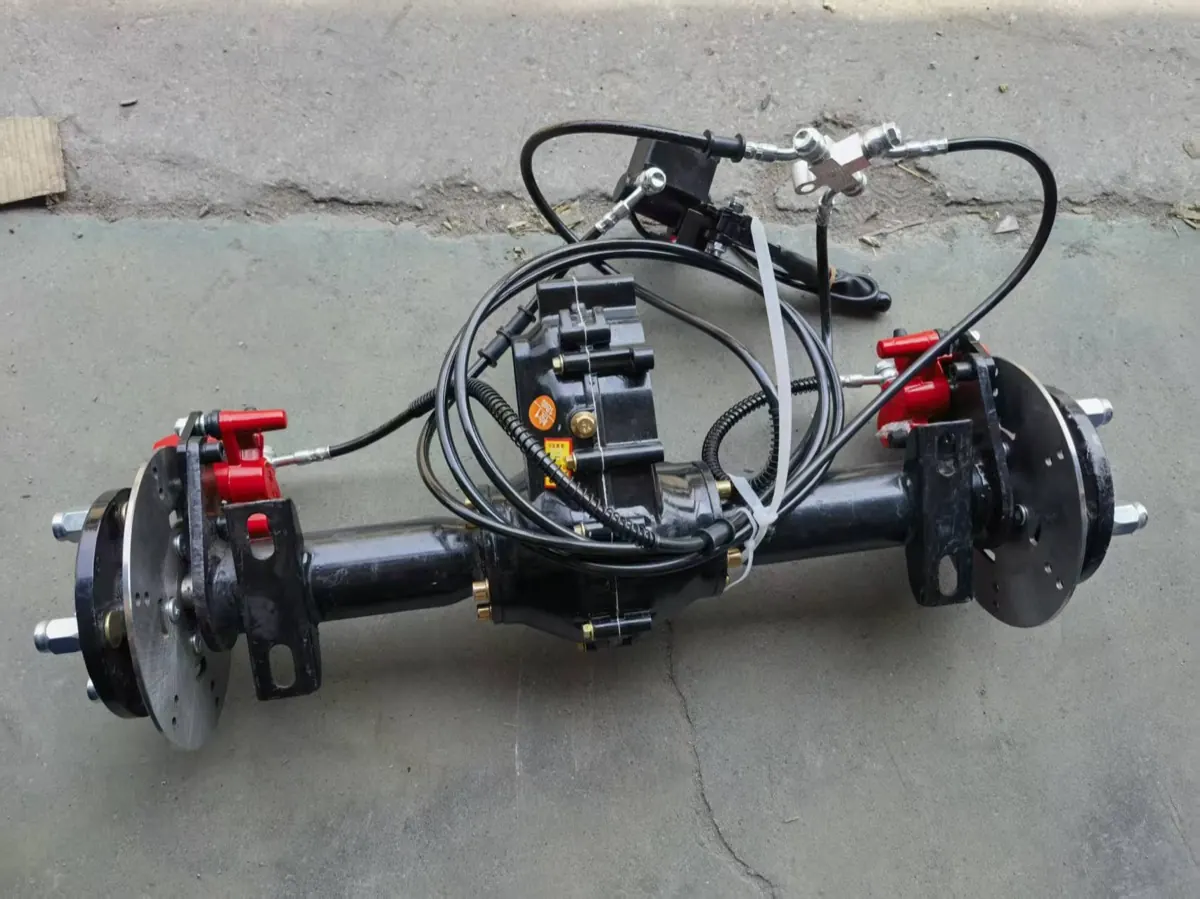
Rear axle parts for tricycle distributor stock

Core System

Rear axle and drivetrain parts

Rear axle assemblies and drivetrain service parts are often the first systems to confirm when a distributor serves cargo and mixed local fleets.

Browse rear axle parts →

Starter Stock Matrix

What to prioritize in a first parts order

The exact list depends on the local vehicle base, but the logic below helps buyers avoid random purchasing.

Parts systemWhy it movesWhat to confirm firstFirst order note
ControllersElectrical failures, upgrades and replacement demand from repair shopsVoltage, wattage, connector layout, handle type and motor matchStock fewer models with confirmed local fitment instead of many similar ratings
Rear axle & drivetrainHeavy-load cargo routes and rough roads create service demandBrake format, axle type, shaft size, mounting position and load useConfirm vehicle photos before ordering multiple axle references
Brake partsWear items, safety-related repairs and frequent workshop requestsHub size, brake type, lining format and installation positionGroup with rear axle data to avoid brake mismatch
Lighting & switchesHigh turnover from daily use, impact damage and easy replacementVoltage, connector, mounting position and body styleUseful for both passenger and cargo service stock
Suspension & support partsRoad condition, load weight and local usage decide replacement frequencyMounting size, material, left/right position and vehicle referenceStart with proven items after checking dominant vehicle types

Quantity Planning

Quantity tiers protect the first stock order

A starter stock list needs quantity tiers. Fast-moving, low-risk service parts can be ordered more confidently. Expensive or compatibility-sensitive items should be confirmed more carefully.

Tier 1

Fast-moving service parts

Controllers, brake parts, lights, switches and accelerator parts are frequently requested by repair shops and service teams. These are good candidates for a practical first stock list when specifications are confirmed.

Tier 2

Heavy drivetrain items

Rear axle, gearbox, shafts, motor and suspension references should be matched to the dominant local vehicle types. These parts can move well, but the wrong mounting size can turn them into dead stock.

Tier 3

Trial items and samples

When compatibility is not certain, keep quantity controlled. Use a sample or small first batch, confirm local fitment, then move the confirmed item into regular replenishment.

Working Method

A better way to build the first list

Map the local vehicle base

Identify whether the market is mainly cargo tricycles, passenger routes, special vehicles, mixed fleets or local assembly. This decides which parts systems matter first.

Collect failed-part photos

Ask repair shops or service teams for photos of common failed parts. Real repair demand is more reliable than a generic catalog list.

Confirm electrical and mounting data

Voltage, wattage, connectors, brake type, shaft size and mounting points should be checked before any bulk stock decision.

Review after the first shipment

Record which parts moved quickly, which stayed on the shelf and which needed extra compatibility support. Use that feedback to shape repeat orders.

Avoid

Common first-order mistakes

Weak first orders usually share the same problems: product names without fitment data, too many unconfirmed items in tiny quantities, vehicle references treated as part SKUs, and carton labels that cannot support repeat replenishment.

A practical starter stock order should be easy to receive, easy to sell, and easy to reorder with clearer quantity after local demand is proven.

Prepare a parts RFQ →

Need a starter stock list?

Send your common vehicle types, market, voltage range and current repair demand. LVHANG can help organize a practical first parts list.