7 Seater E Rickshaw Price Selection Guide | Xuzhou LVHANG Vehicle Industry Co., Ltd.
7 Seater E-Rickshaw Price and Configuration Guide
A 7 seater e rickshaw price depends less on the seat count alone and more on the vehicle structure, battery choice, motor and controller package, braking system, cabin layout, and the level of finishing required for passenger service.
For a buyer comparing quotations, the useful question is not only “what is the lowest price?” but “what is included in that price, and will the vehicle suit the route, passenger load, charging routine, and local operating conditions?”
What Changes the Price of a 7 Seater E Rickshaw
The biggest practical distinction is between a basic passenger model built for short, flat routes and a heavier-duty 7 seater configuration intended for frequent stops, fuller loads, rougher roads, or longer daily operation. Both may be described as 7 seaters, but they can differ in frame strength, suspension comfort, battery type, charger, tyres, lighting, weather protection, and driver controls.
This matters because a cheaper quotation may exclude items that affect daily use, such as battery capacity, charger compatibility, spare wheel, canopy material, rear-view mirrors, seat trim, or documentation. Ask for the full configuration behind the price before comparing offers from Xuzhou LVHANG Vehicle Industry Co., Ltd. or any other manufacturer.
Start with the route and passenger load. A 7 seater e rickshaw used for campus transport, resort shuttles, neighborhood passenger service, or tourist routes may need different seating comfort, ground clearance, weather cover, and turning radius. A vehicle that works well on smooth private roads may not be the best choice for uneven public roads or steep sections.
Check the battery and charging arrangement carefully. Battery type, usable range, charging time, charger plug, and replacement cost can change the total cost of ownership. Do not compare two prices unless you know what battery is included, whether the charger is supplied, and whether the battery setup matches your daily charging window.
Look beyond the body style. Seat layout, entry height, handrails, roof coverage, windscreen, lighting, mirrors, brake type, suspension, tyre choice, and driver visibility all affect passenger comfort and operating safety. A low price can be attractive, but thin seats, weak weather protection, or limited braking performance may create problems in daily service.
Ask for a written configuration with the quotation. Send your expected passenger count, road condition, daily distance, preferred battery type, and destination market. Then confirm what is included in the quoted price, such as battery, charger, accessories, packing, spare parts, and any customization. That gives you a quote you can actually compare.
| Criteria | Importance | Description | Example Options |
|---|---|---|---|
| Battery and charger package | High—this affects the initial quotation and daily operating routine. | Compare the battery type, included capacity, charger, charging requirements, expected daily use, and replacement considerations. A lower-priced vehicle may include a different battery package or omit the charger. | Compare two quotations only after confirming that both include the same battery type and a compatible charger. |
| Load, road, and duty requirements | High—the same seating count can be offered in configurations intended for different operating conditions. | Check frame construction, suspension, tyres, ground clearance, braking system, motor and controller setup, and the expected passenger load. More demanding routes can make a heavier-duty configuration preferable to a basic short-route model. | A resort shuttle on smooth private roads may need a different setup from a vehicle used on uneven roads with frequent full-load trips. |
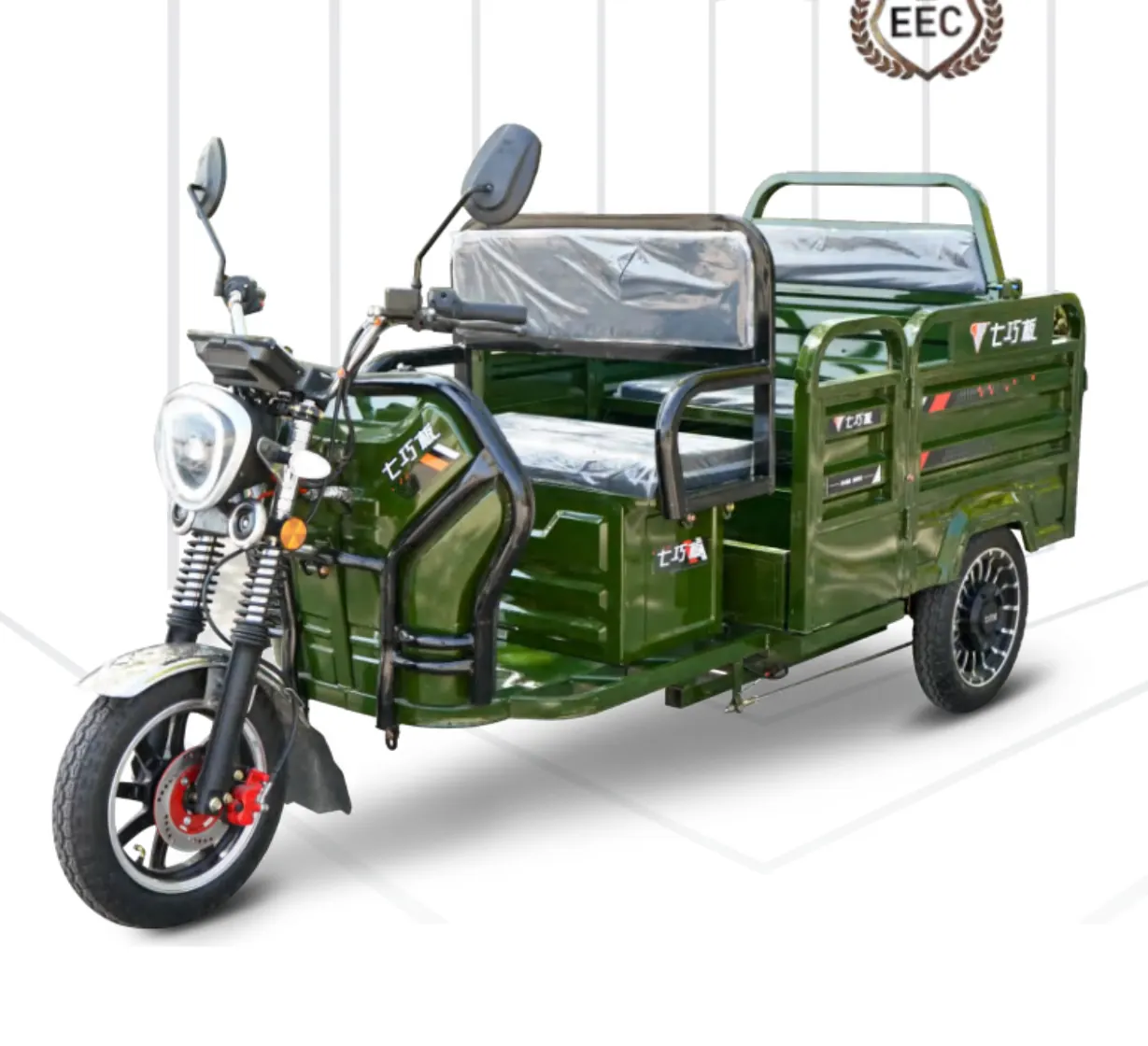
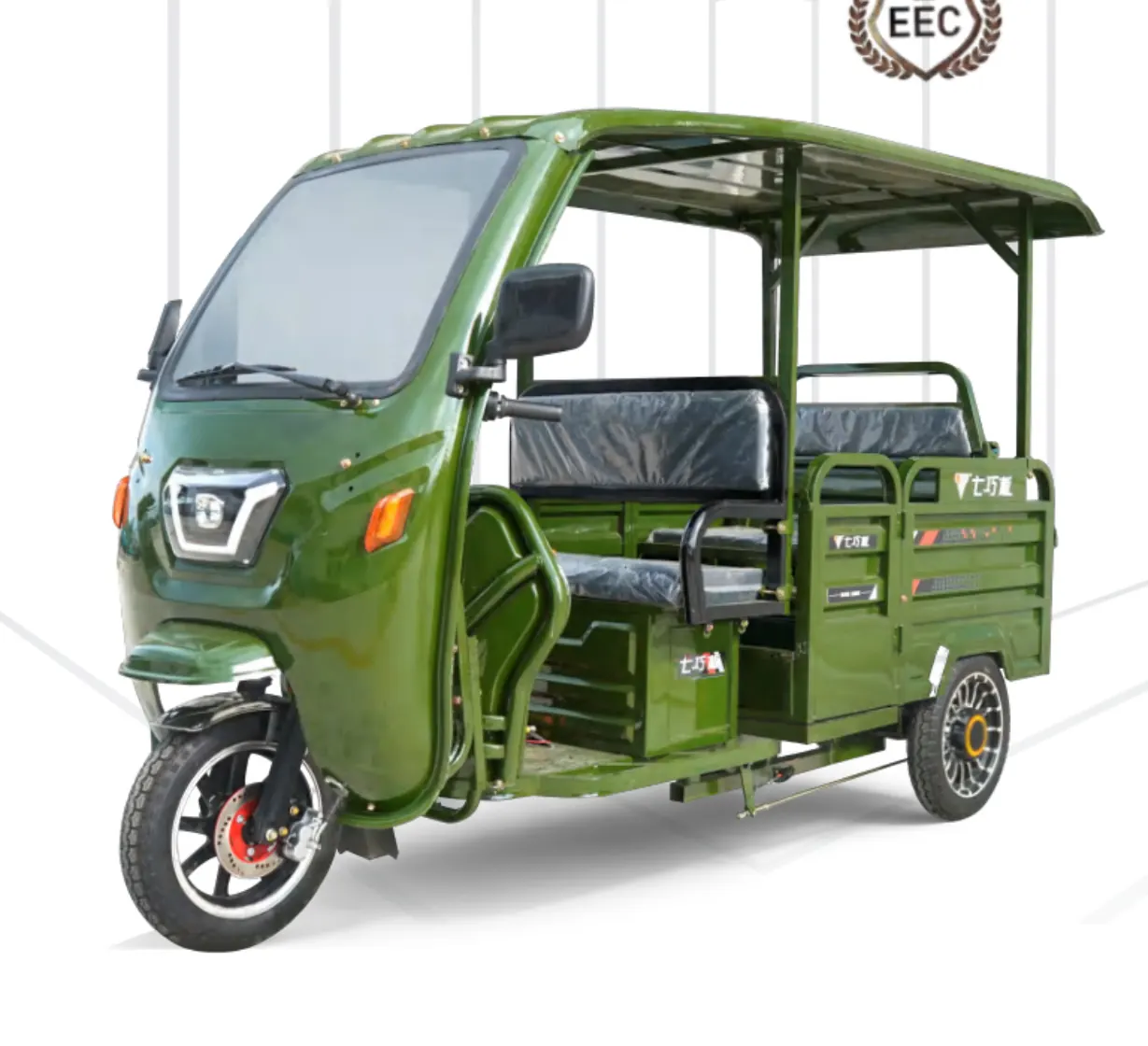
| Seating and passenger protection | High—comfort, access, visibility, and weather protection affect daily passenger use. | Review the seating layout, entry height, handrails, roof or canopy, windscreen, seat finish, driver visibility, mirrors, and lighting. Confirm how the supplier defines the stated seat count. | A covered shuttle with handrails may be more suitable for regular passenger service than an open layout, even if both are described as seven-seat vehicles. |
| What the quoted price includes | High—different quotation scopes can make similar-looking prices impossible to compare. | Separate the base vehicle from the battery, charger, accessories, spare wheel, spare parts, packing, customization, and any service or warranty terms offered. Ask the supplier to identify exclusions as well as included items. | One quotation may cover the vehicle body only, while another may include the battery, charger, canopy, and selected accessories. |
| Purchase price versus operating fit | Important—the lowest initial price may not match the route or charging schedule. | Consider daily distance, charging time, passenger turnover, road surface, weather exposure, and expected maintenance alongside the purchase price. A configuration that fits the work can provide a more useful comparison than a cheaper vehicle with unsuitable equipment. | For long daily operation, compare charging and battery replacement considerations rather than selecting solely on the lowest quoted amount. |
Product Selection
Related Options
For passenger shuttle use, the priority is usually reliable daily operation with comfortable seating and predictable charging, not simply the lowest purchase price. A practical 7 seater model should match the route length, road surface, expected load, and local service conditions before the final price is judged.
Blog Articles / Reviews
What Is the Price of an E-Rickshaw? Key Cost Factors
There is no single fixed price for an e-rickshaw because the term covers vehicles with different passenger capacities, loading requirements, batteries, voltage platforms, motors, bodies and operating roles. A quotation for a compact local passenger vehicle cannot be compared directly with a higher-capacity passenger model simply because both are described as electric rickshaws. For B2B […]
What Is an E-Rickshaw? Types, Uses and Key Components
An e-rickshaw is a battery-powered three-wheeled vehicle designed mainly for short-distance passenger transport, although some configurations combine passenger seating with cargo or utility functions. Depending on the market, similar vehicles may also be described as electric rickshaws, electric tuk-tuks or passenger electric tricycles. The name alone, however, does not define the vehicle specification. Passenger capacity, […]
Frequently Asked Questions
Is a 7-seat model suitable for regular passenger service?
It can suit short shuttle routes, campus transport, resorts, neighborhood service, and similar applications, provided the seating, brakes, suspension, weather protection, and load capacity match the route. For steep sections, uneven roads, frequent stops, or consistently full loads, ask whether the proposed configuration is intended for those conditions rather than choosing by seat count alone.
How does the battery choice affect the purchase decision?
Battery type can change the quoted price, vehicle weight, charging routine, usable range, and future replacement expense. Compare the complete battery and charger package, then check whether it matches your daily distance and available charging time instead of comparing the vehicle price alone.
Does “7 seater” always mean seven passengers can ride?
Not necessarily. Sellers may describe the seating arrangement differently, so confirm whether the stated count includes the driver and request a seating diagram or written passenger-capacity description. Also check the available space, handrails, entry arrangement, and load limits for the intended passengers.
When is a heavier-duty configuration worth its higher price?
The extra cost may be justified for frequent full loads, rougher surfaces, longer daily operation, or routes where passenger comfort and braking consistency matter. A basic configuration may be more economical for light, short-distance use on smooth private roads, but the trade-off should be assessed against expected maintenance and operating demands.
What should I ask to receive a comparable quotation?
Request a written configuration covering the vehicle, battery, charger, motor and controller, brakes, tyres, canopy or cabin, lighting, mirrors, accessories, spare parts, packing, and any requested customization. Also state the destination market, passenger use, daily distance, road conditions, and preferred battery type so different quotations describe comparable vehicles.
Leave Your Message
Share your passenger use case, expected daily distance, road conditions, preferred battery type, and destination market so the quotation can match the actual vehicle configuration you need.