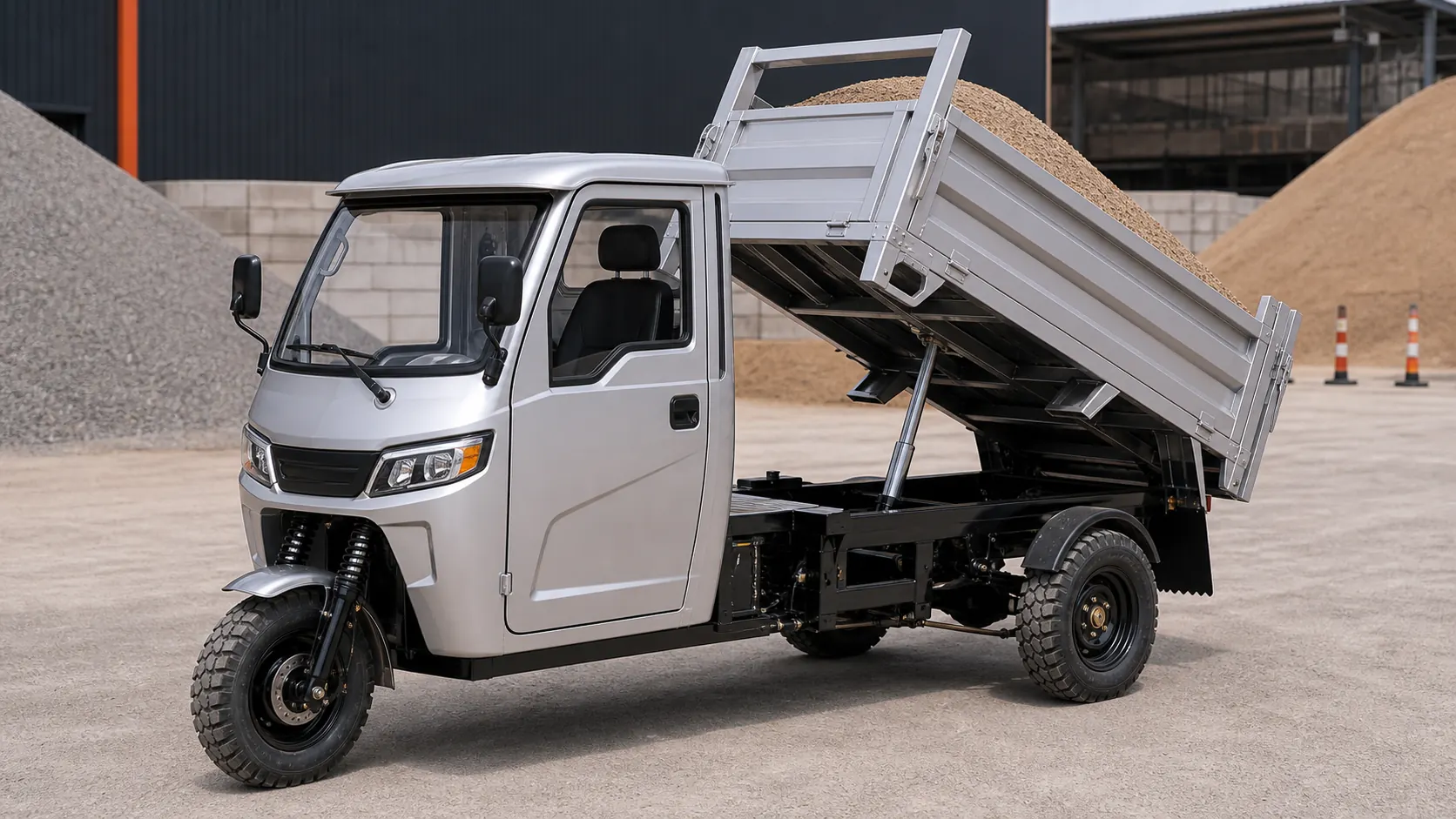
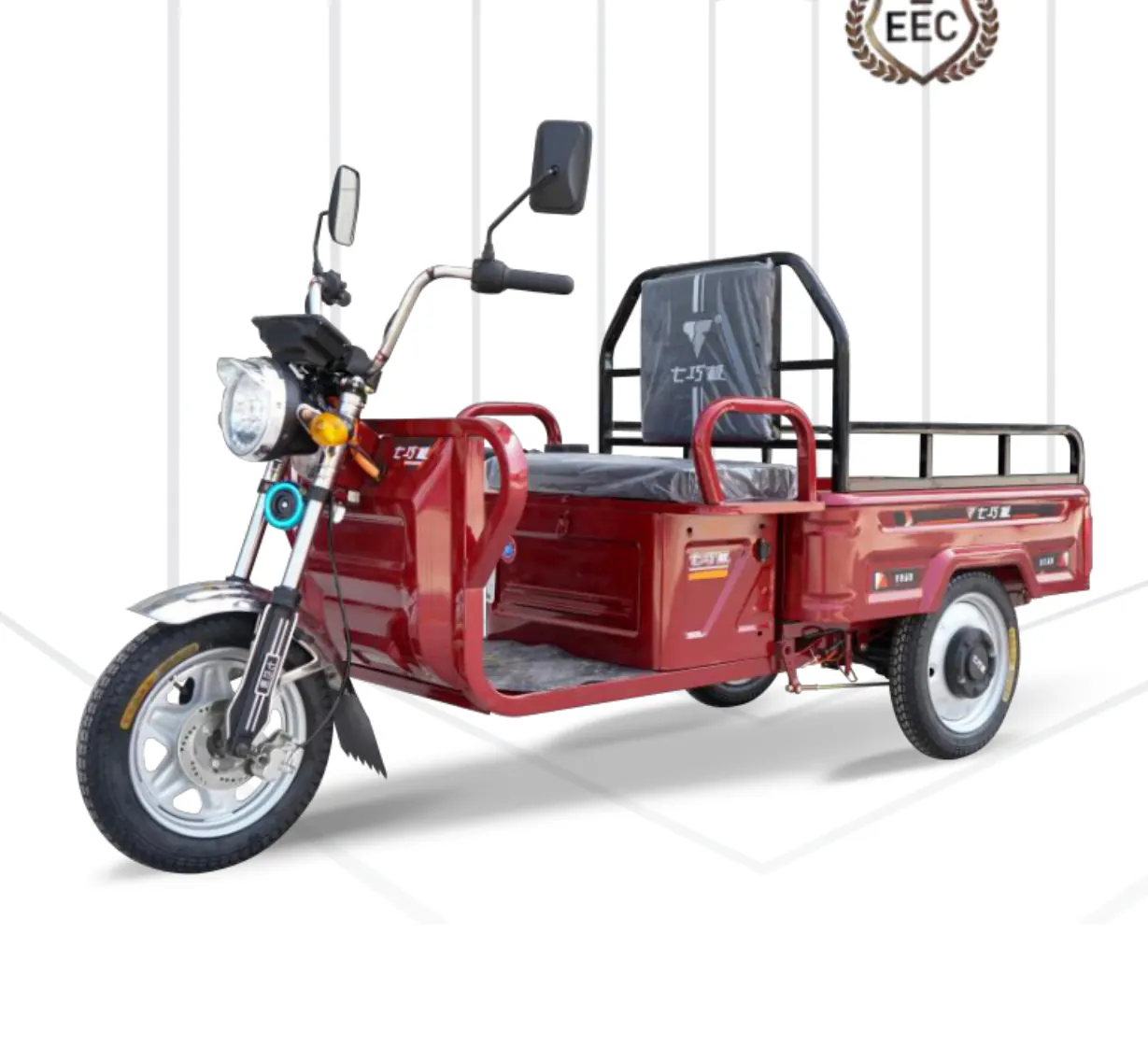
HPZ20 Cargo Electric Tricycle
HPZ20 Cargo Electric Tricycle complete vehicle detail for export buyers, with market fit, configuration notes, RFQ preparation and optional matching parts support.
Read MoreElectric Four Wheeler Rickshaw Selection Guide | Xuzhou LVHANG Vehicle Industry Co., Ltd.
An electric four-wheeler rickshaw suits short-distance passenger transport, site shuttles and local service routes where occupants need more stability and weather protection than a typical three-wheel vehicle provides. The key decision is whether the vehicle should prioritize passenger comfort, enclosed protection, cargo flexibility or easy manoeuvring in confined streets.
Before requesting a quotation from Xuzhou LVHANG Vehicle Industry Co., Ltd., define the route, passenger load, road surface and charging conditions. Those details affect the suitable body layout, battery arrangement, seating configuration and operating range.
HPZ20 Cargo Electric Tricycle complete vehicle detail for export buyers, with market fit, configuration notes, RFQ preparation and optional matching parts support.
Read More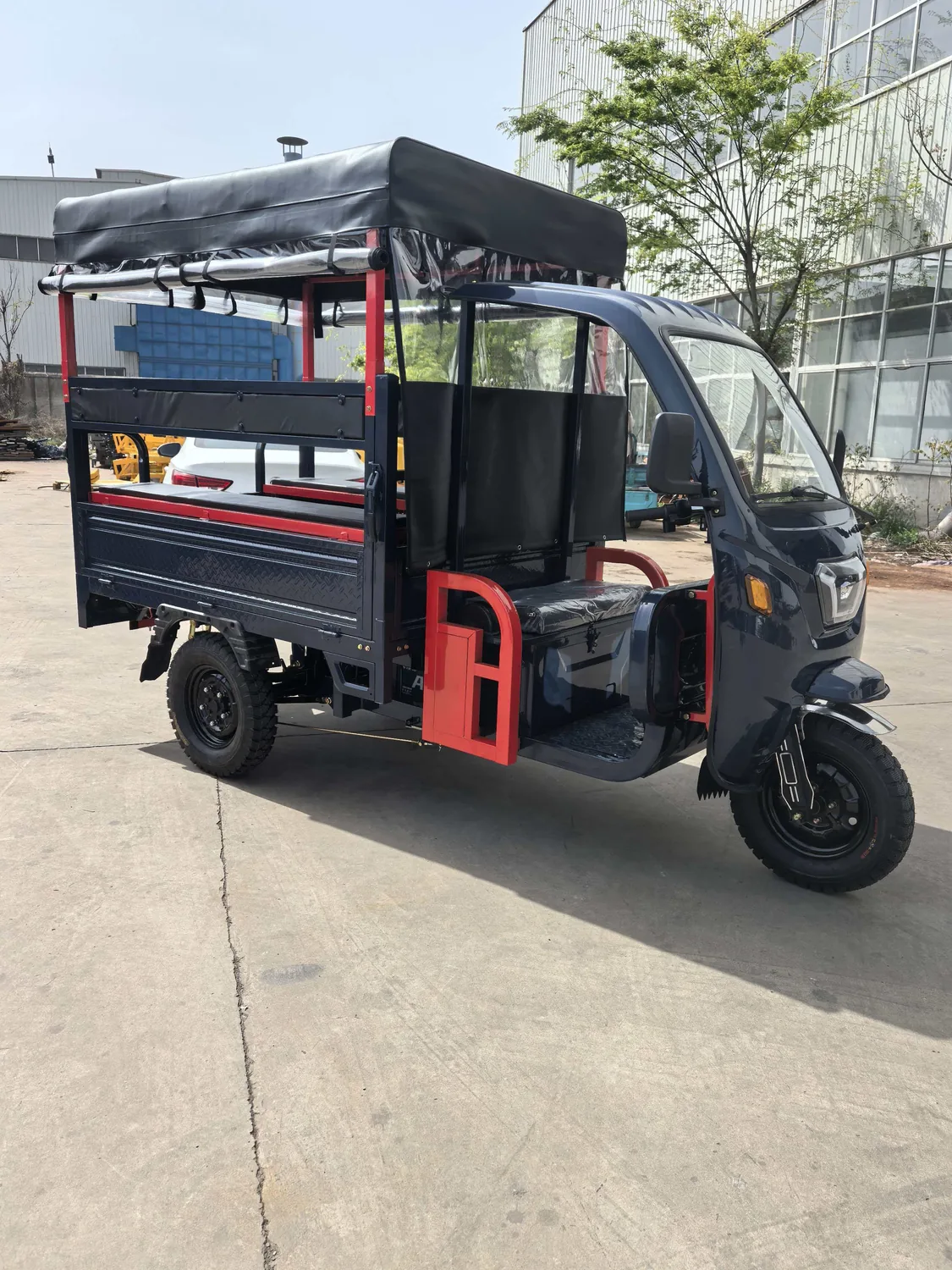
A Yunhai 1.8 passenger-cargo electric tuktuk with 3000W motor reference, 1000 kg loading capacity and a larger body for mixed passenger and cargo duty.
Read More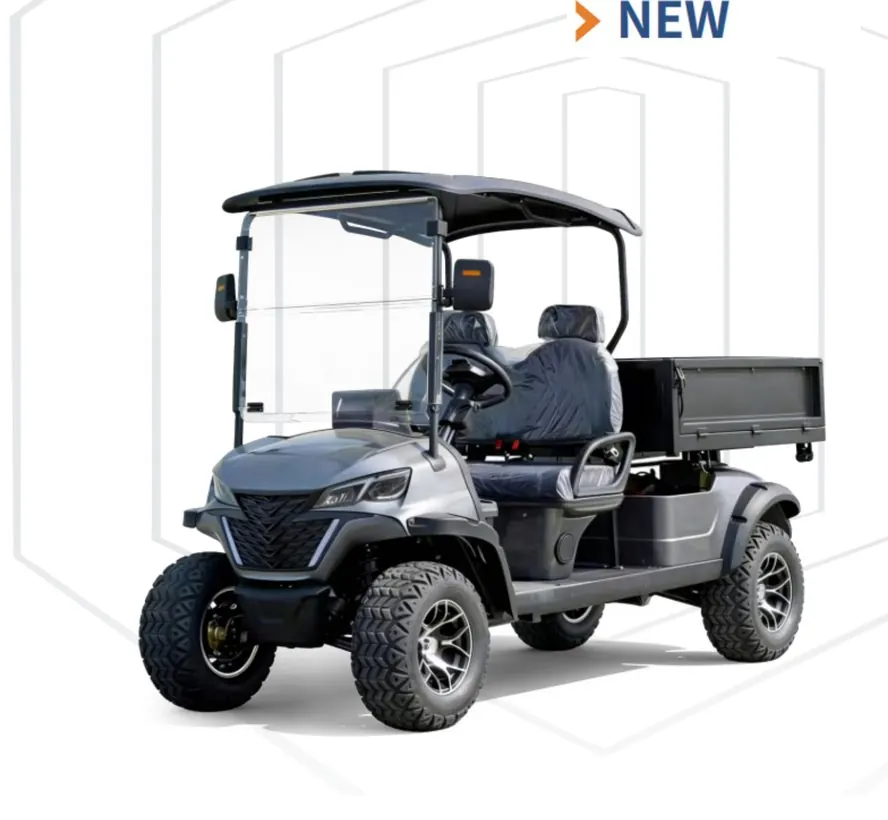
A utility electric tricycle for resort operations, light cargo movement and mixed passenger-service routes where compact size and serviceable drive parts matter.
Read More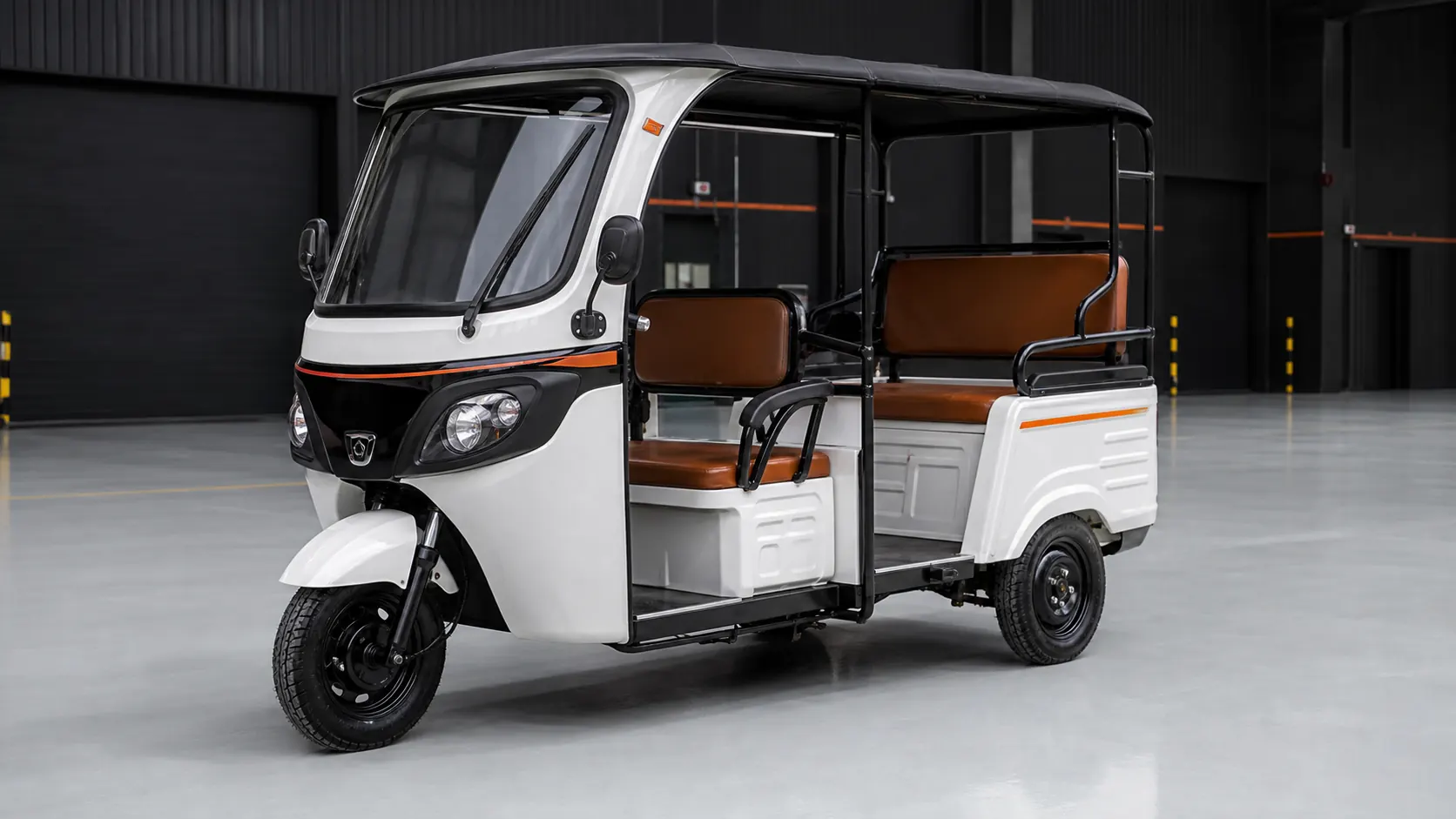
K01 Passenger Electric Tricycle complete vehicle detail for export buyers, with market fit, configuration notes, RFQ preparation and optional matching parts support.
Read More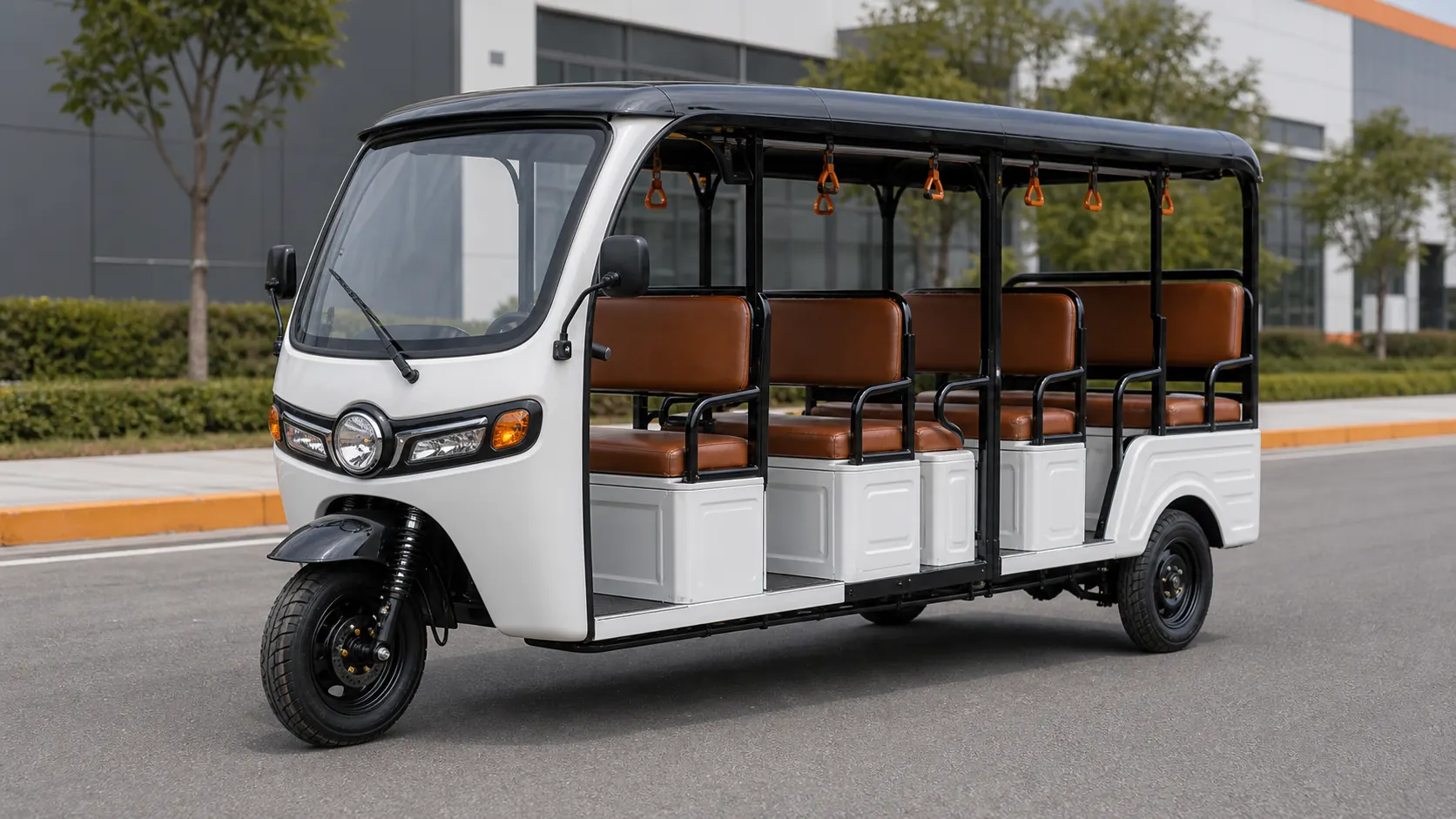
K03 Passenger Electric Tricycle complete vehicle detail for export buyers, with market fit, configuration notes, RFQ preparation and optional matching parts support.
Read More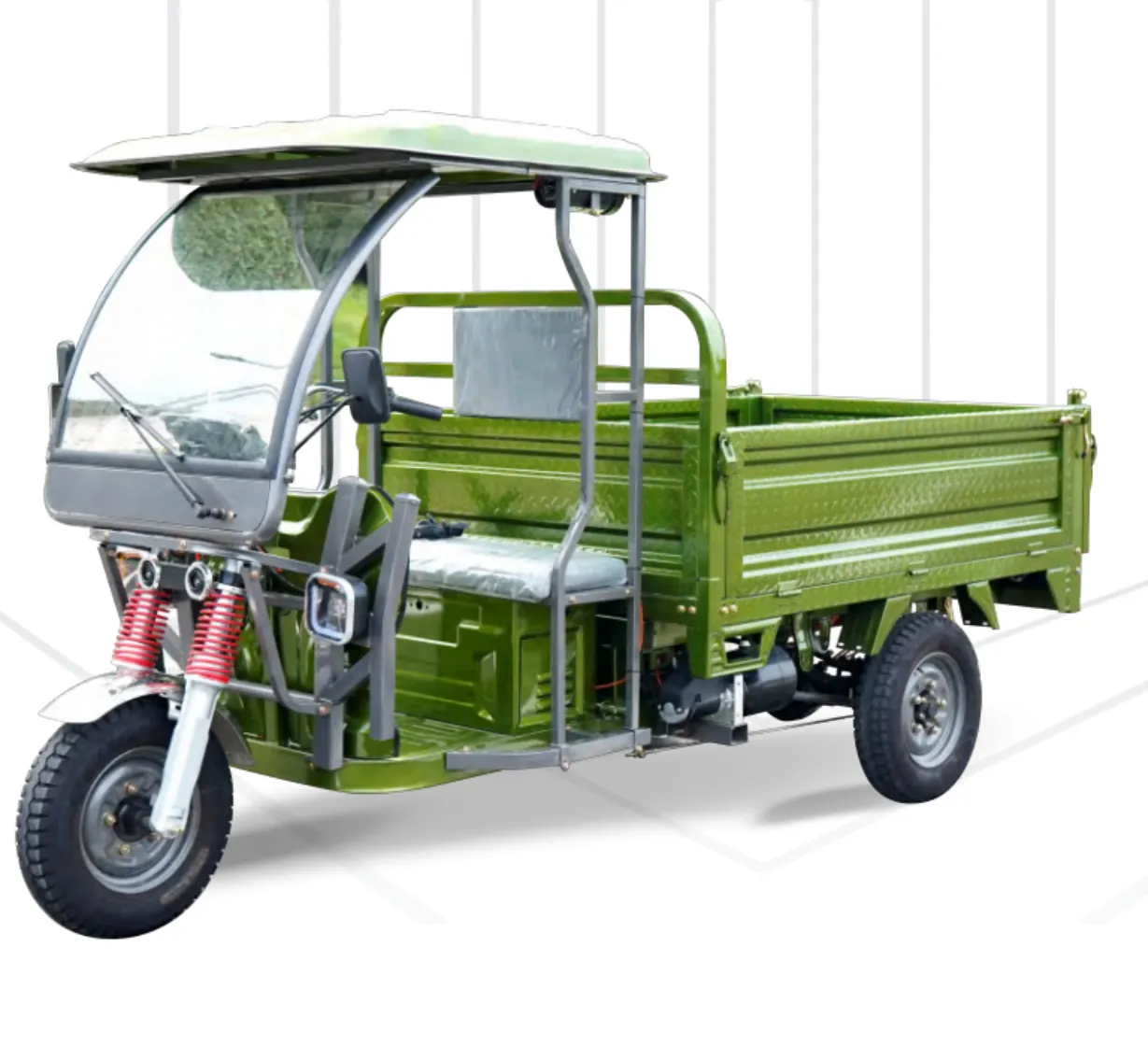
A heavy cargo electric tricycle with 1800 x 1300 mm cargo box reference and 100Ah lithium battery for stronger route work.
Read MoreConfiguration considerations
Compare electric four-wheeler rickshaw options by intended use, seating or cargo layout, body enclosure, ground clearance, turning space, battery and charging arrangement, braking and suspension design, maintenance access and available support. The right choice depends on the complete vehicle configuration rather than a single motor or battery description.
| Criterion | What To Check | Why It Matters | Buyer Tip |
|---|---|---|---|
| Passenger layout and rated seating | Confirm the number of passenger seats, driver position, entry height, roof coverage and luggage space from the model drawing or photos. | A four wheeler rickshaw used for passenger service must match local route demand without making boarding slow or uncomfortable. | Ask: How many passengers is this model designed to carry, and can you share interior dimensions and seat layout photos? |
| Battery type and daily range fit | Compare battery chemistry, capacity, charger type and expected range under loaded city driving, not only unloaded test conditions. | Short trips, frequent stops and full passenger loads reduce practical range and affect how many shifts the vehicle can complete per charge. | Ask: What range should we expect with the normal passenger load on flat urban roads, and what charging time is required? |
| Motor, controller and hill performance | Review motor rating, controller specification and the recommended gradient or road conditions for loaded operation. | A rickshaw that feels acceptable on flat roads may struggle with inclines, rough streets or repeated stop-start service when fully occupied. | Ask: What motor and controller setup do you recommend for our route, which includes hills or uneven roads? |
| Chassis, suspension and braking setup | Look at frame construction, front and rear suspension type, brake type and tire size for the intended road surface. | Passenger comfort, stopping confidence and maintenance frequency depend heavily on the running gear, especially on broken pavement or mixed roads. | Ask: Which suspension and brake configuration is supplied, and is there an option better suited to rough local roads? |
| Service parts and local maintenance | Confirm availability of wear parts such as brake components, tires, controller, charger, lights and body panels before ordering. | Downtime matters more than the purchase price if the rickshaw is used daily for passenger income or fleet service. | Ask: Which spare parts should we buy with the first order, and are parts interchangeable across your four wheeler rickshaw models? |
The main practical difference between a four-wheeler and a three-wheeler is the balance between stability and manoeuvrability. Four wheels can provide a more planted platform for passengers and an enclosed body, but the vehicle may need more turning space and may carry more structural weight.
This distinction matters on narrow market streets, uneven compounds and busy campuses. A buyer running a fixed shuttle route may value cabin space and ride stability, while a delivery or mixed-use operator may need a shorter body, easier access and a layout that leaves room for cargo.
Match the body to the job. For passenger use, check the number of seats, step-in height, handholds, ventilation, visibility and protection from rain or sun. For mixed passenger-and-cargo work, confirm how the rear area is divided and whether goods can be secured without obstructing occupants or the driver.
Check the route, not only the motor label. Flat paved roads, ramps, rough compounds and repeated stop-start operation place different demands on the chassis, brakes, suspension and battery. Share the route surface, gradients, daily distance and expected load so the proposed configuration can be assessed against actual duty.
Consider charging and service access. Confirm the battery type, charging method, replacement process, controller and motor support, and which parts can be obtained in your operating market. A vehicle that fits the route but cannot be maintained locally can create more downtime than a simpler configuration.
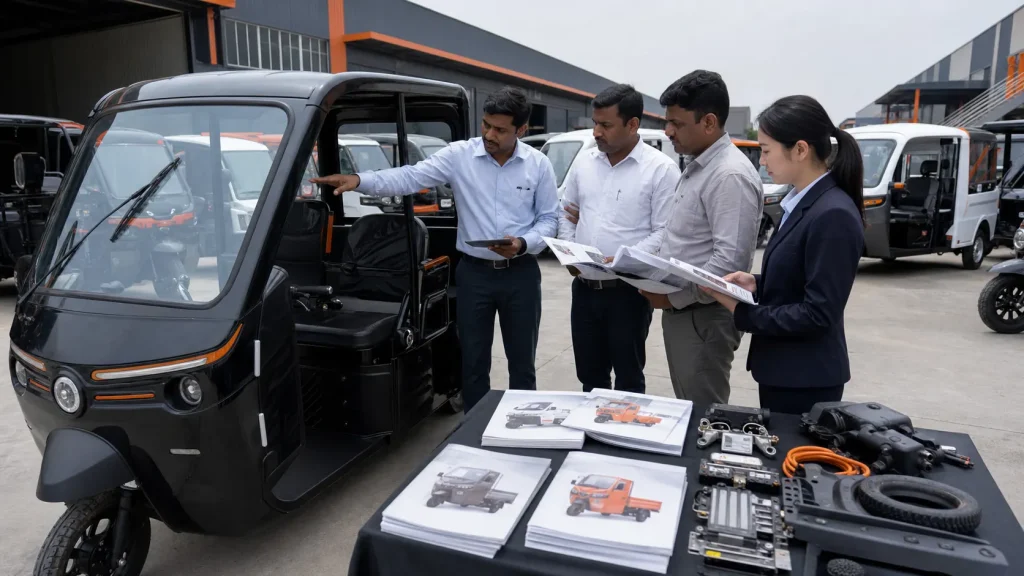
Avoid comparing quotations by vehicle price alone. Ask what is included in the body, seating, battery, charger, safety equipment, spare parts and documentation. For an enquiry, provide the intended use, passenger or payload requirement, route conditions and destination, then ask Xuzhou LVHANG Vehicle Industry Co., Ltd. which configuration and after-sales arrangements match those conditions.
| Criteria | Importance | Description | Example Options |
|---|---|---|---|
| Passenger, cargo or mixed-use layout | This is a primary fit decision because the body and interior arrangement determine usable space, access and load security. | Compare dedicated seating, an open or enclosed cargo area, and divided layouts for mixed duties. Check whether goods can be restrained without obstructing occupants or the driver. | A fixed campus shuttle may need a passenger-focused interior, while a local service route may need a separate rear cargo area. |
| Route width and manoeuvrability | High importance on market streets, compounds, alleys and other routes with limited turning space. | Assess vehicle length and width, turning requirements, access points and the space available for reversing or loading. A four-wheel layout may offer a more planted platform but can require more room than a smaller alternative. | A compact route with frequent tight turns may favour a shorter layout over a longer body with more seating or cargo space. |
| Road surface, gradients and duty cycle | Essential for matching the vehicle to real operating conditions rather than relying on a motor or battery label alone. | Share paved and unpaved sections, ramps, uneven areas, daily distance, stop-start frequency and expected passenger or cargo load. Ask how the proposed chassis, brakes, suspension and battery arrangement correspond to that duty. | A flat, predictable shuttle route presents different demands from a route with repeated ramps and rough compound surfaces. |
| Body enclosure and passenger access | Important when occupants need protection from rain or sun, frequent boarding or clear visibility. | Compare roof or cabin coverage, ventilation, visibility, step-in height, handholds, seating access and the ease of entering and exiting. More enclosure can improve protection but may affect weight, visibility or interior space. | A passenger service operating in exposed conditions may prioritise weather protection, while a short open-site route may value faster boarding. |
| Battery, charging and service support | Important for daily availability and operating continuity, especially on repeated routes. | Confirm the battery type, charging method, expected duty assumptions, replacement process, controller and motor support, and the availability of relevant parts in the operating market. Compare the complete support arrangement rather than vehicle price alone. | An operator with one overnight charging period should discuss the planned daily distance and charging routine before choosing a configuration. |
Related Options
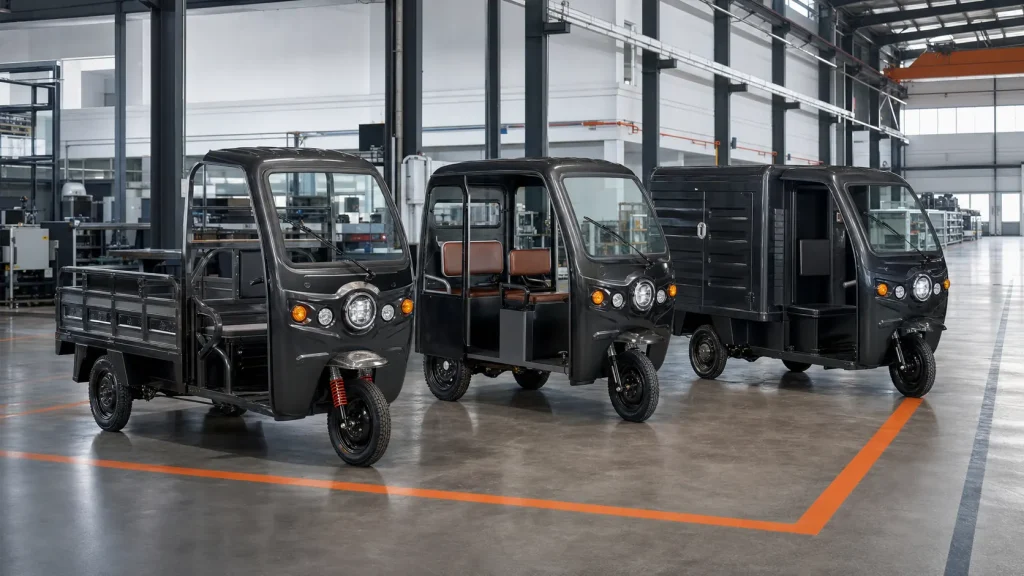
For a campus or hotel shuttle, passenger capacity, step-in access, weather protection and predictable charging may be the main priorities. For a neighbourhood delivery route, a compact body, usable cargo space, secure load restraint and easy manoeuvring may matter more. Compare configurations against the real route and duty instead of treating one layout as suitable for every application.
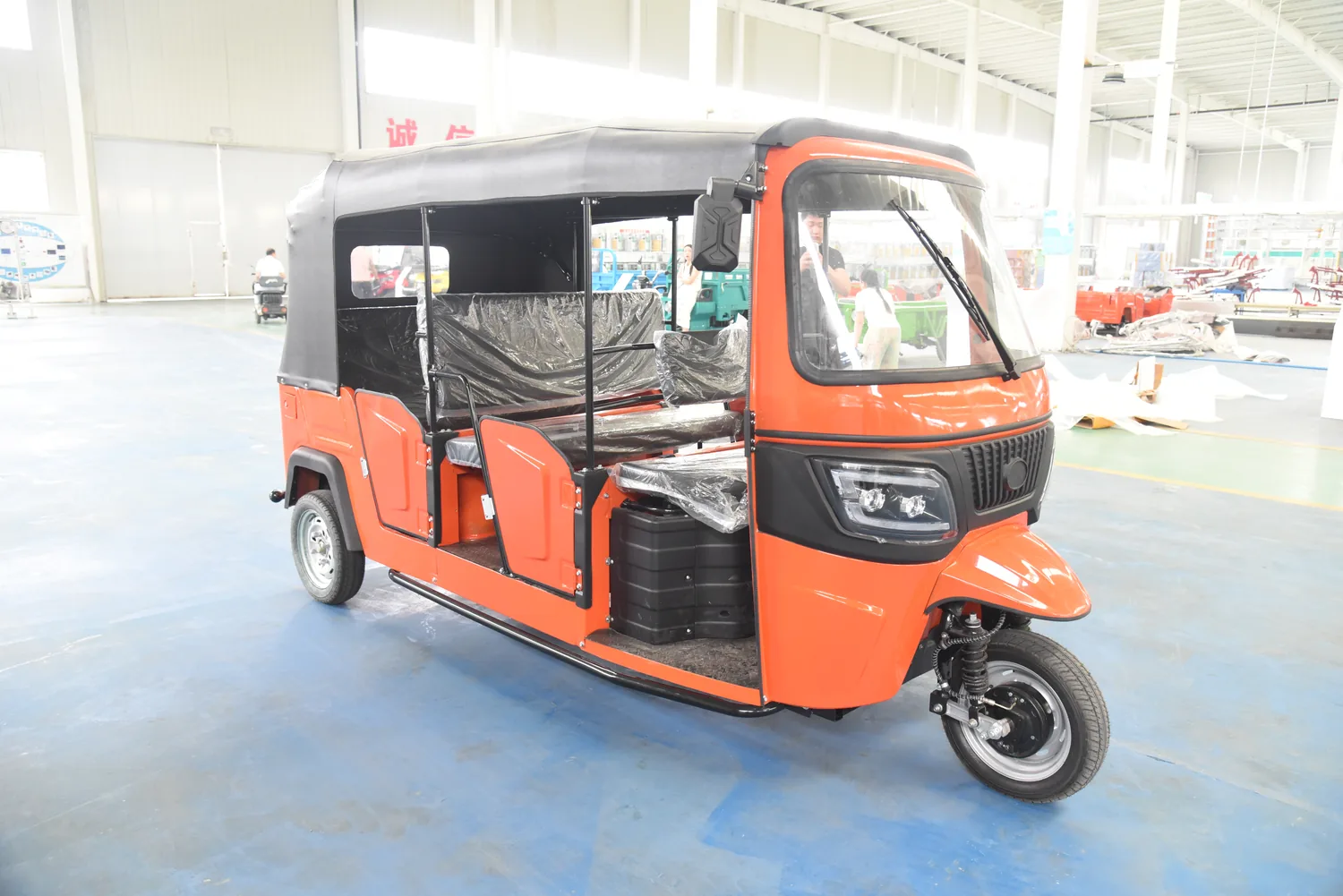
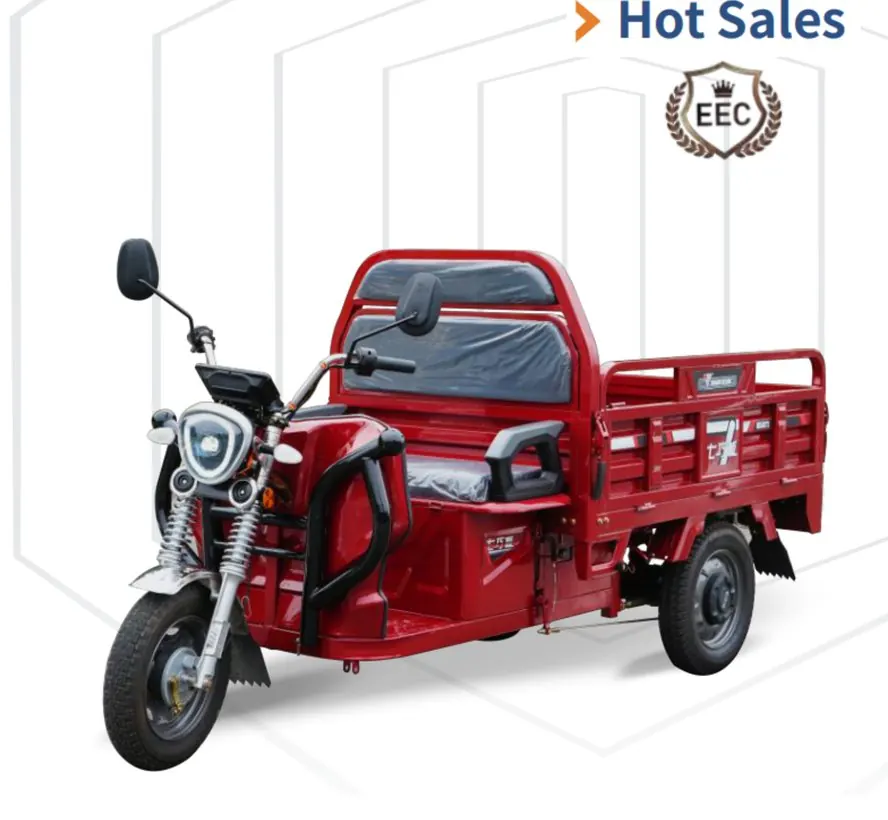
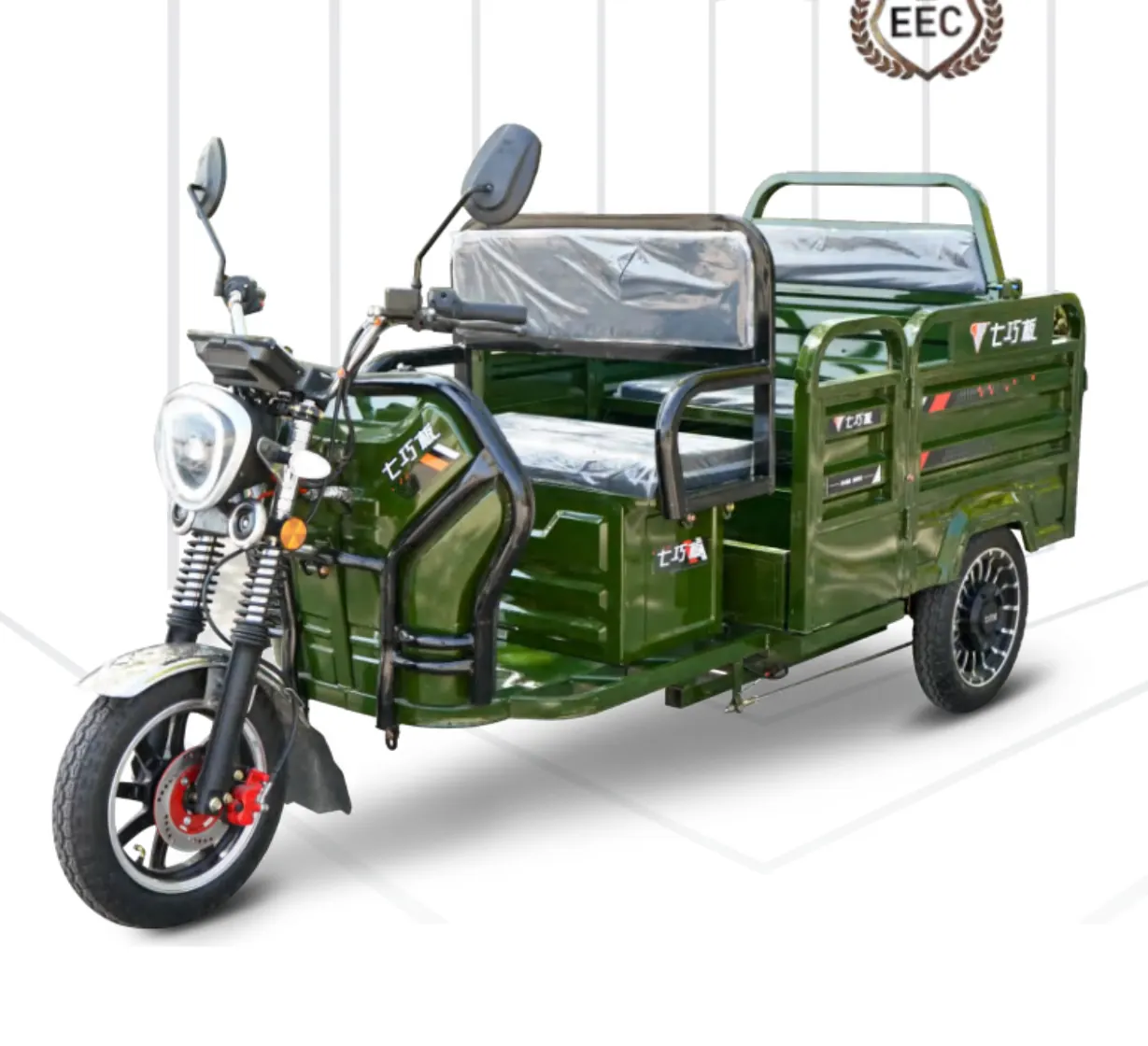
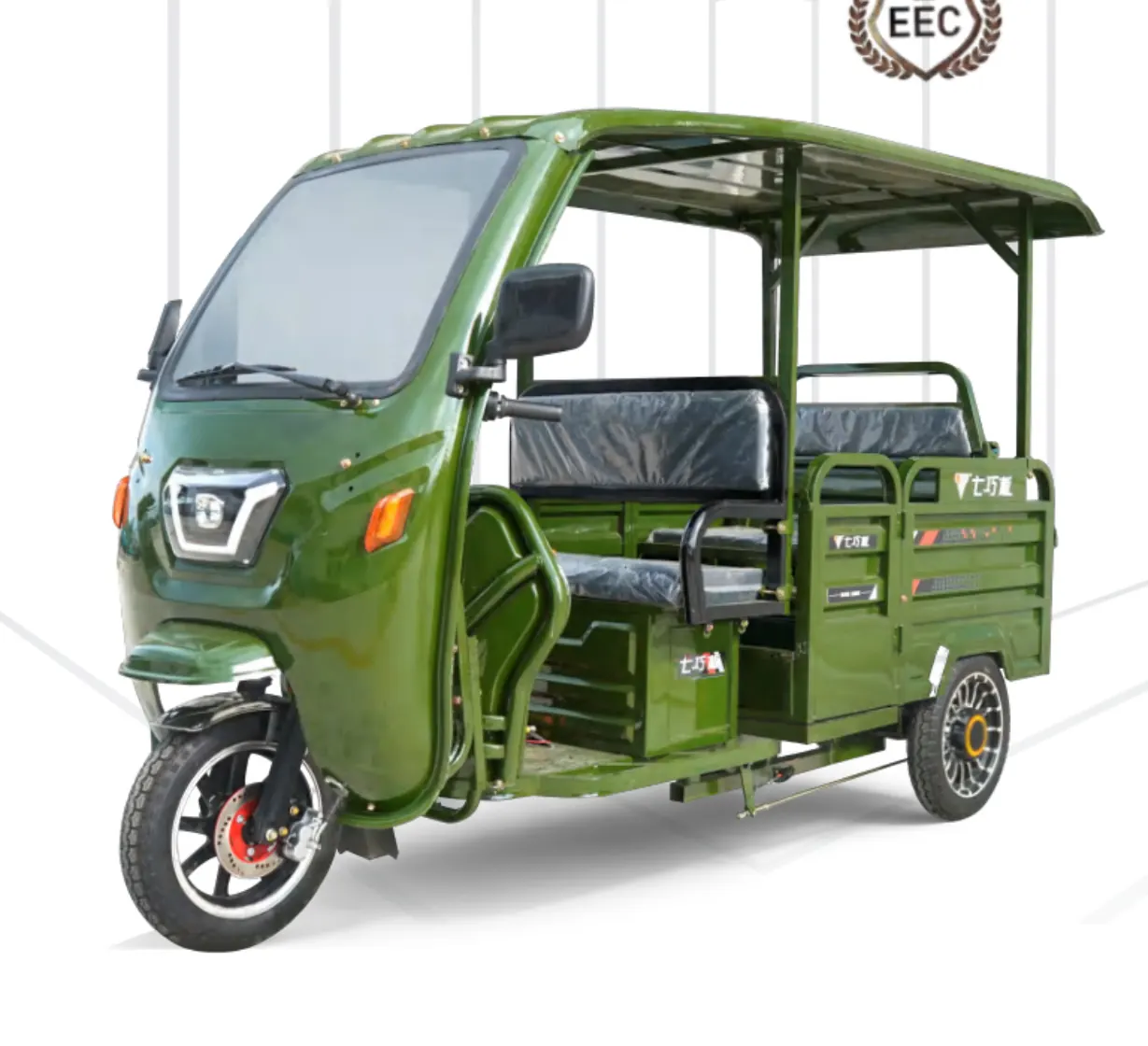
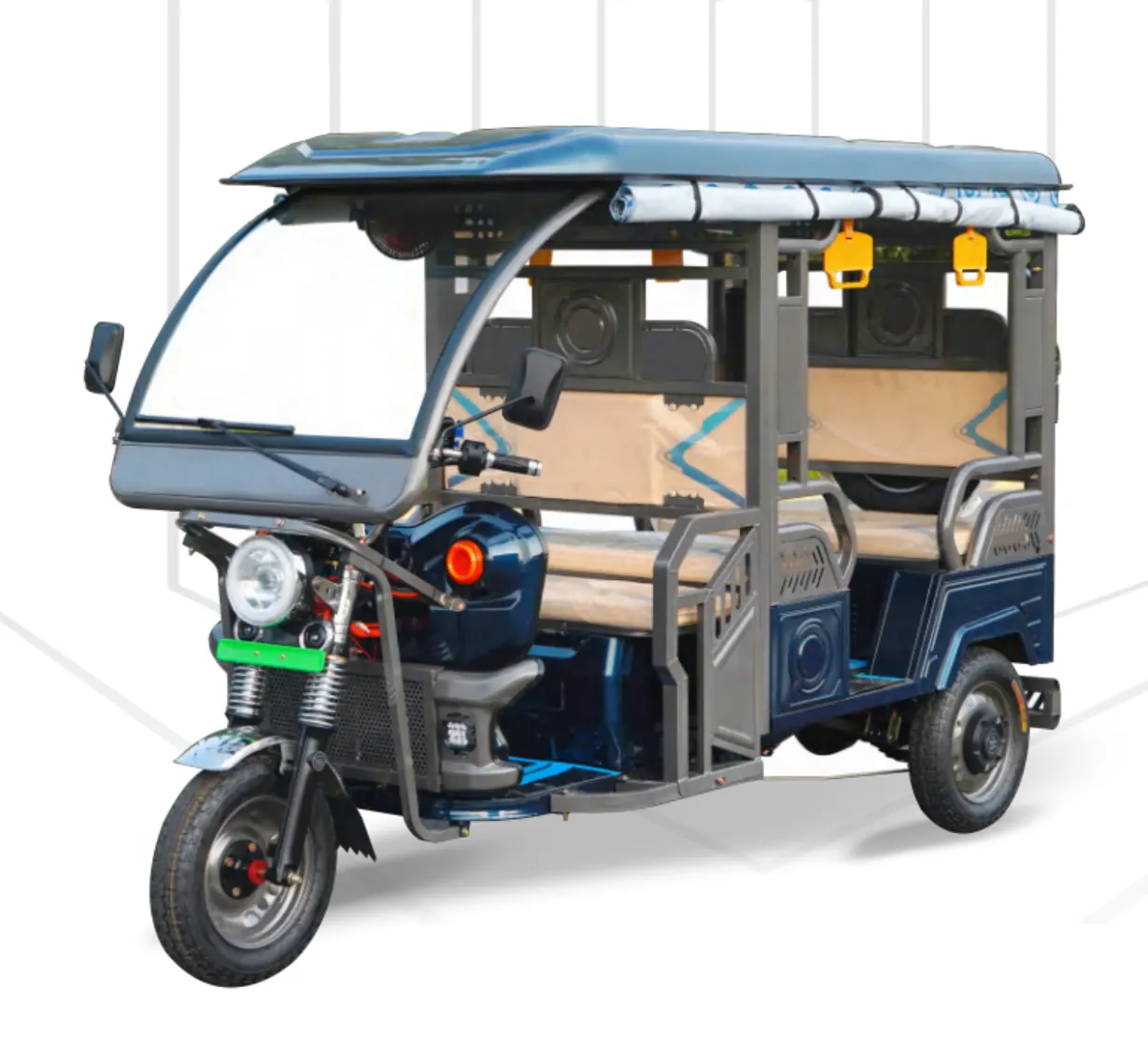
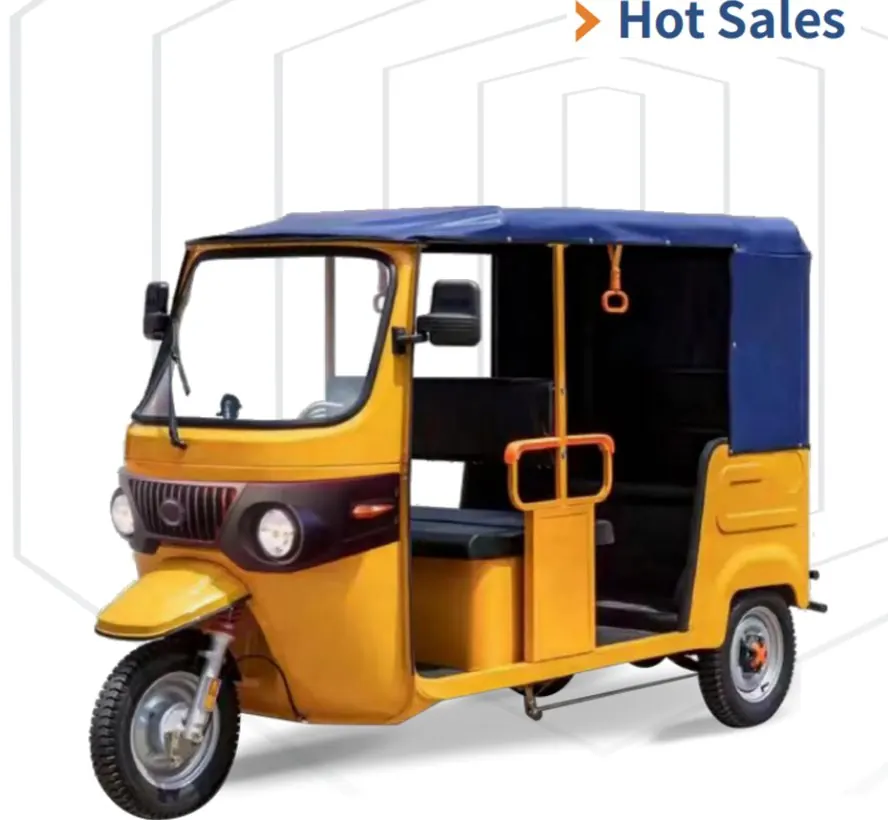
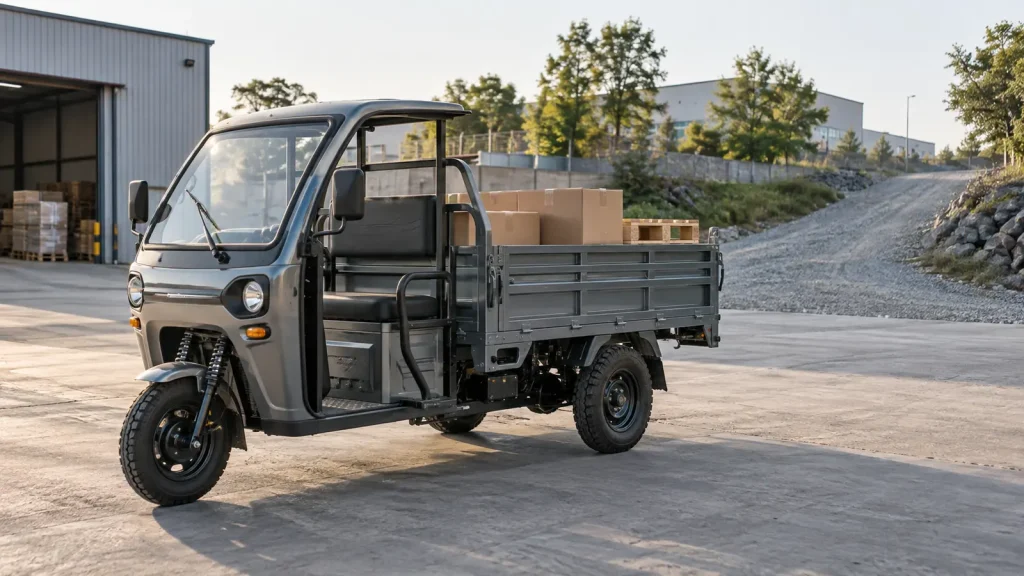
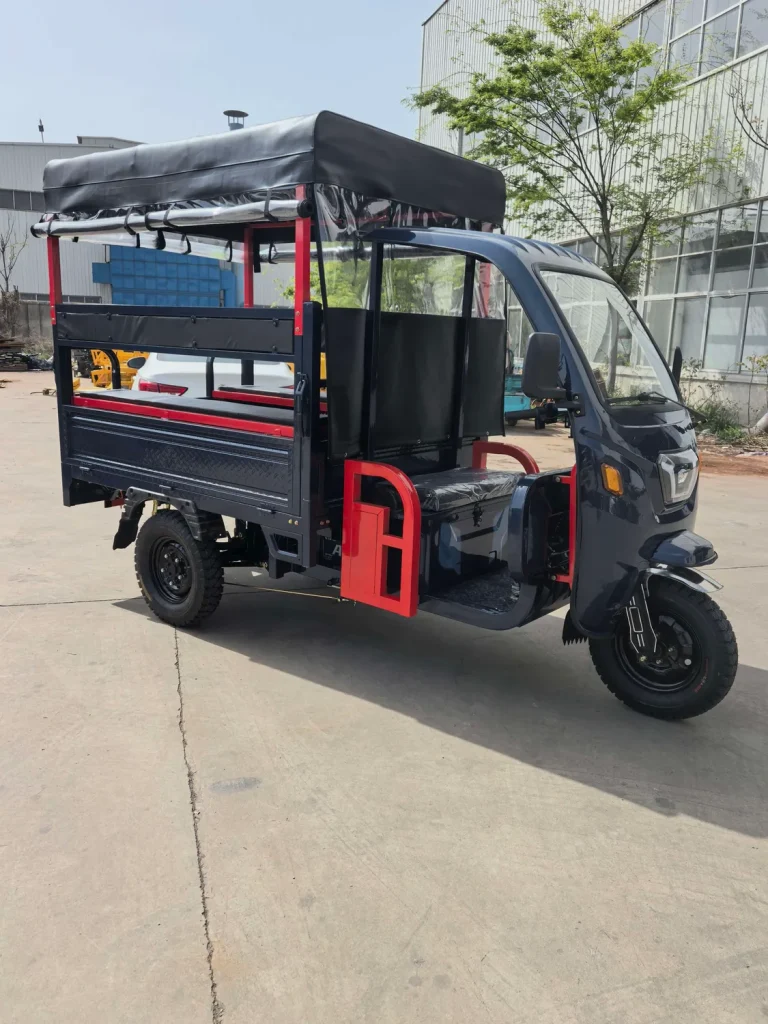
A cargo electric tricycle should be selected from the work cycle, not from one headline specification. Buyers need to define the actual cargo mass and volume, route distance, road grade, surface condition, stop frequency, operating hours, charging window, cargo-body requirement and destination-market rules before comparing models. These inputs interact: a route with repeated starts, steep […]
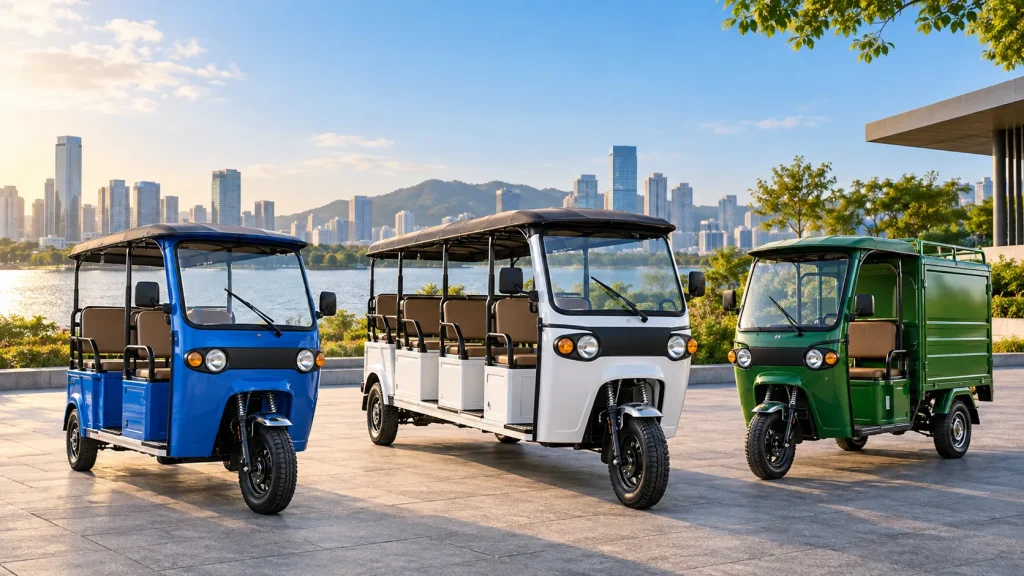
There is no single fixed price for an e-rickshaw because the term covers vehicles with different passenger capacities, loading requirements, batteries, voltage platforms, motors, bodies and operating roles. A quotation for a compact local passenger vehicle cannot be compared directly with a higher-capacity passenger model simply because both are described as electric rickshaws. For B2B […]
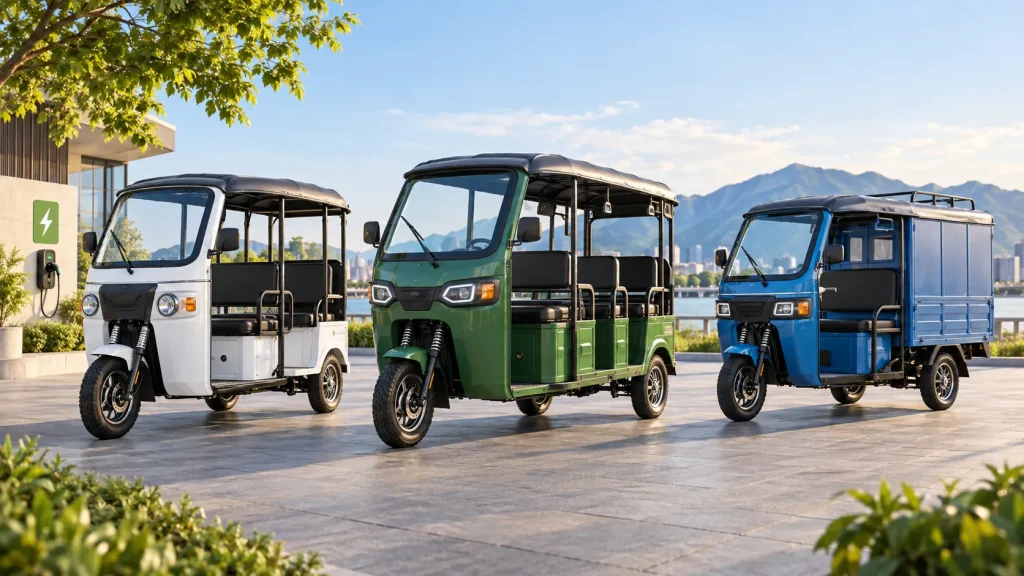
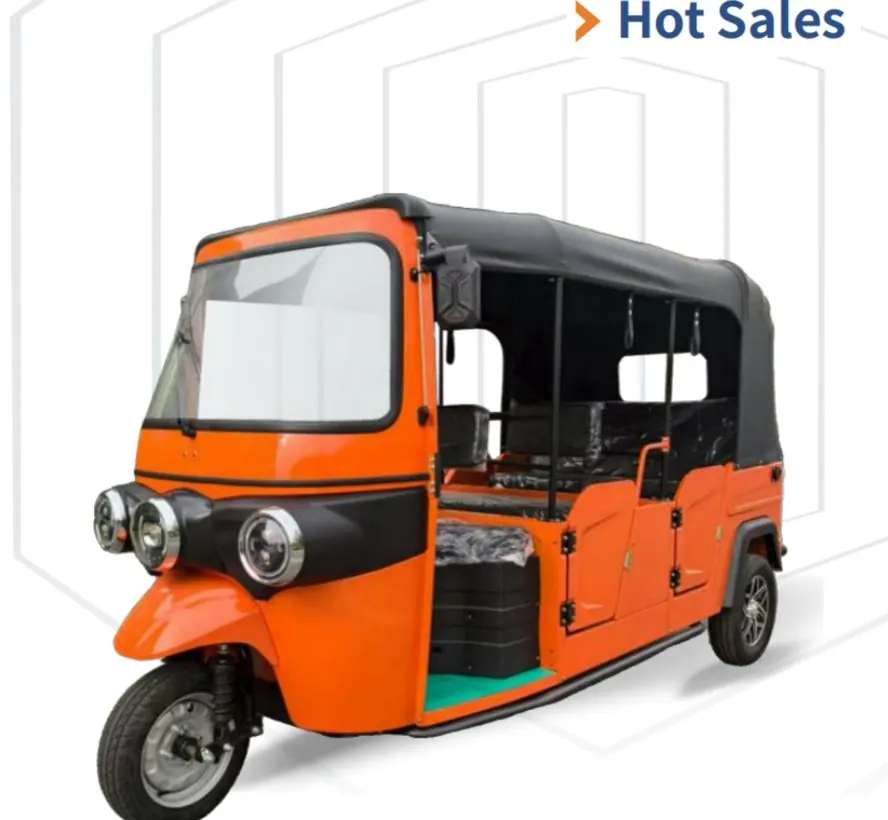
An e-rickshaw is a battery-powered three-wheeled vehicle designed mainly for short-distance passenger transport, although some configurations combine passenger seating with cargo or utility functions. Depending on the market, similar vehicles may also be described as electric rickshaws, electric tuk-tuks or passenger electric tricycles. The name alone, however, does not define the vehicle specification. Passenger capacity, […]
April 21, 2026 / Fengxian, Xuzhou
Why are more and more young people preferring to buy electric unicycles now?
It can suit short, repeatable routes such as campus, hotel, estate or local community shuttles when the seating, access and body protection match the operating conditions. Confirm the required passenger capacity, route surface, turning space, gradients and charging routine before selecting a configuration.
A three-wheeler may be preferable where narrow streets, tight turning areas or a lighter vehicle are more important than the additional stability and body space associated with four wheels. The trade-off is between manoeuvrability and the platform, enclosure and layout the application requires.
No. Four wheels do not by themselves confirm suitability for steep routes, rough surfaces, heavy payloads or frequent stop-start operation. Chassis design, brakes, suspension, ground clearance, battery arrangement and the stated passenger or cargo duty still need to be checked.
Provide the intended use, passenger or cargo requirement, daily distance, road surface, gradients, operating climate, charging conditions and destination. Also ask what the quotation includes for the body, seating, battery, charger, safety equipment, spare parts and documentation.
A mixed-use layout may work for light, planned duties if passengers and goods have separate, secure areas and access remains clear. It may be less suitable than a dedicated passenger or cargo body when either the passenger load or cargo volume changes substantially during daily operation.
Tell us the intended use, expected passenger or cargo load, and destination or route conditions so we can discuss a suitable vehicle configuration.