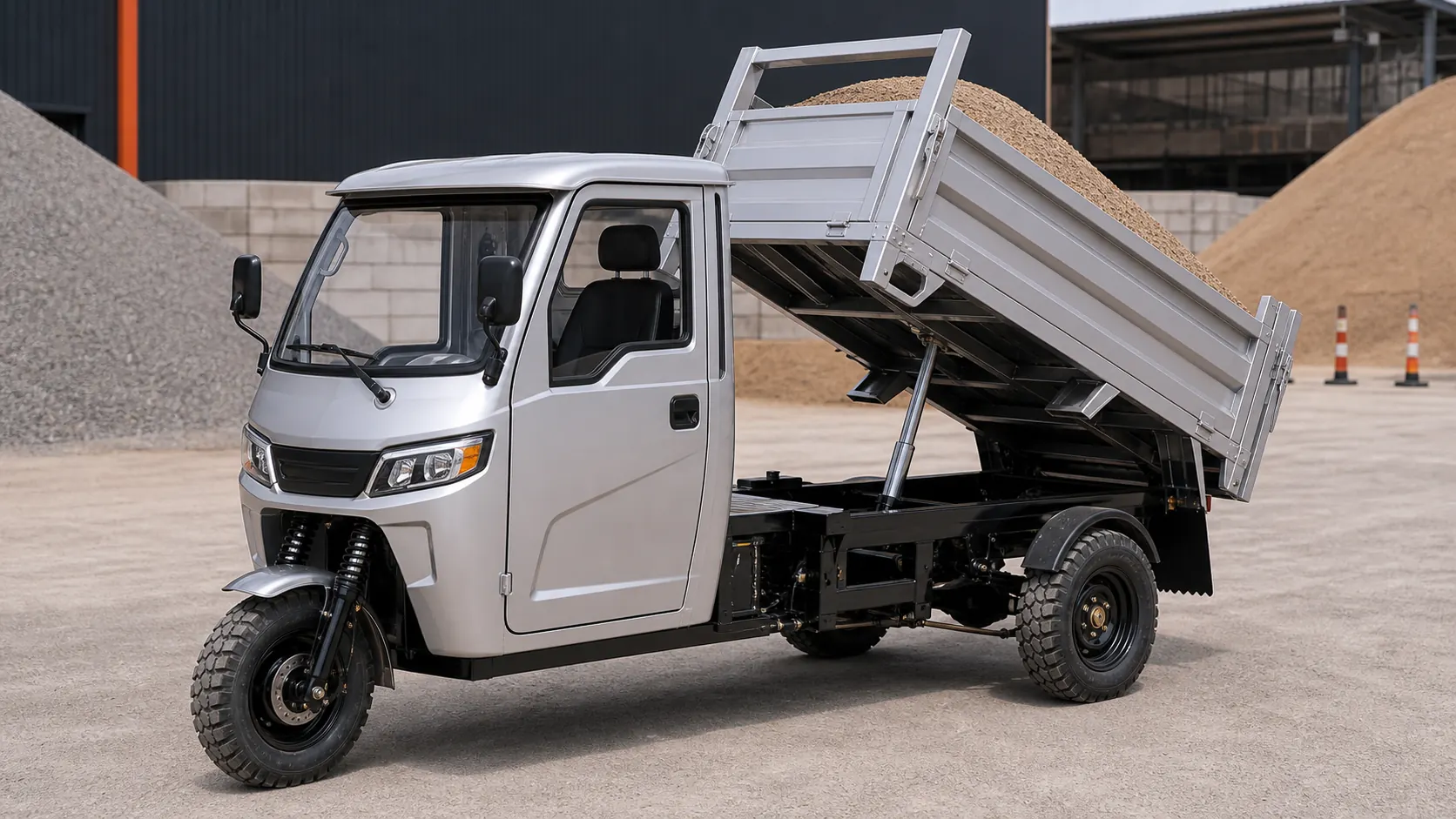
HPZ20 Cargo Electric Tricycle
HPZ20 Cargo Electric Tricycle complete vehicle detail for export buyers, with market fit, configuration notes, RFQ preparation and optional matching parts support.
Read MoreElectric Tricycle Design for Work Duty | Xuzhou LVHANG Vehicle Industry Co., Ltd.
Electric tricycle design affects payload, rider control, battery placement, service access and daily operating cost. A cargo vehicle for market deliveries should not be designed the same way as a passenger tricycle, a waste collection unit or a short-route campus vehicle.
The main decision is the duty cycle: what the tricycle carries, where it runs, how often it stops, and who maintains it. Those details shape the frame layout, rear axle choice, cargo body, braking setup, suspension, motor matching and battery configuration.
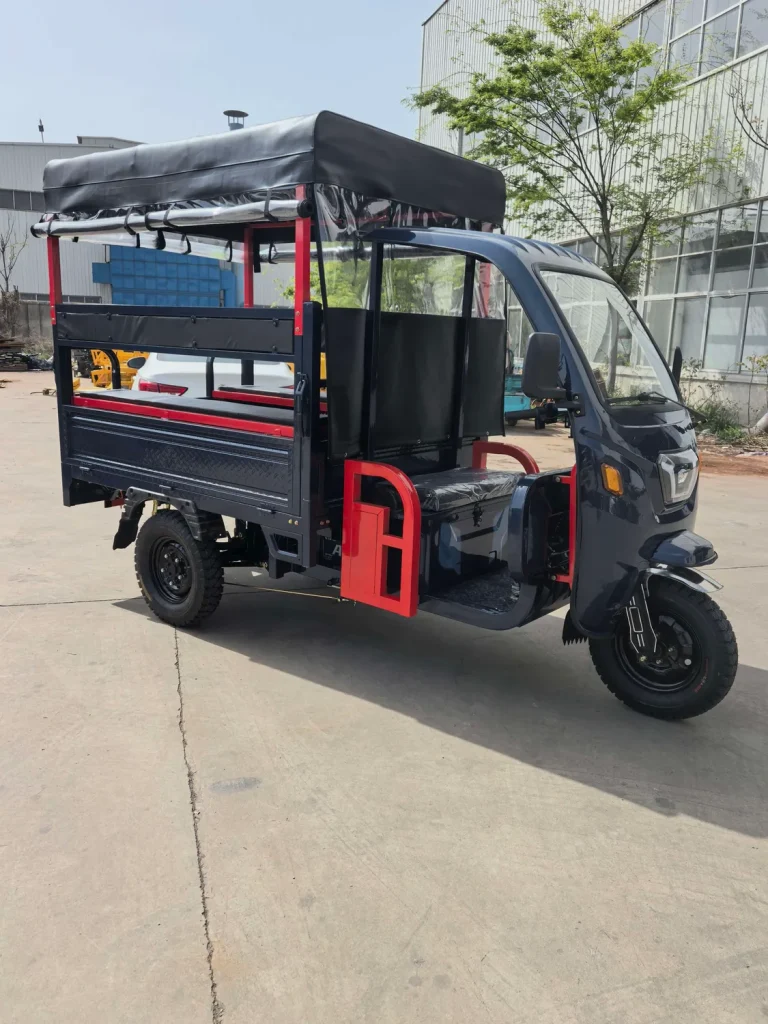
HPZ20 Cargo Electric Tricycle complete vehicle detail for export buyers, with market fit, configuration notes, RFQ preparation and optional matching parts support.
Read More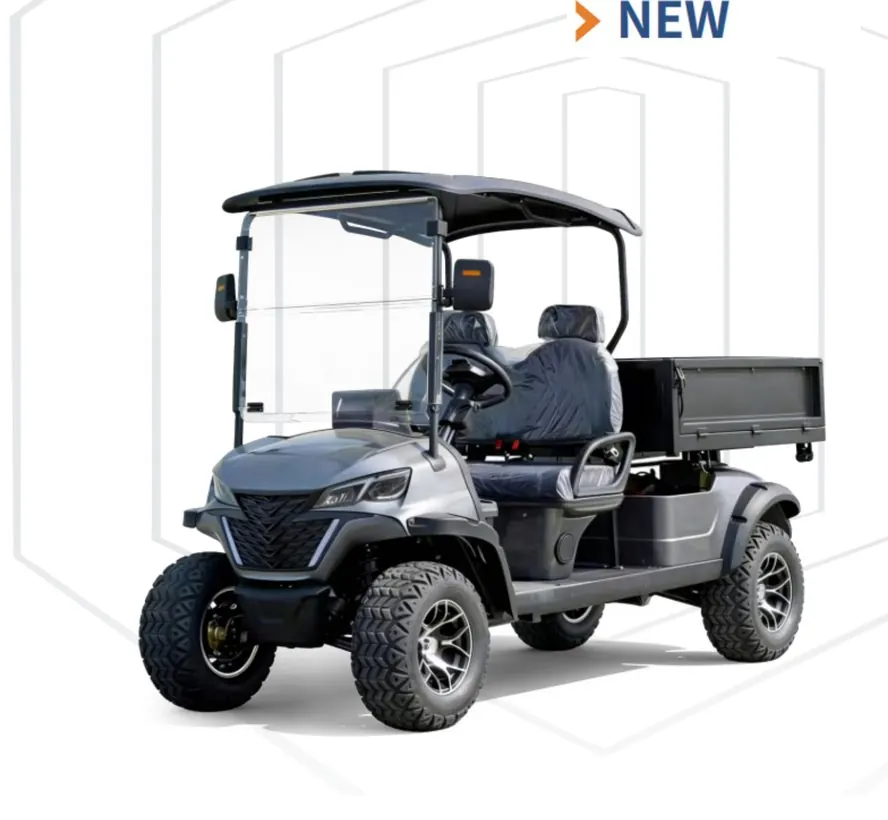
A utility electric tricycle for resort operations, light cargo movement and mixed passenger-service routes where compact size and serviceable drive parts matter.
Read More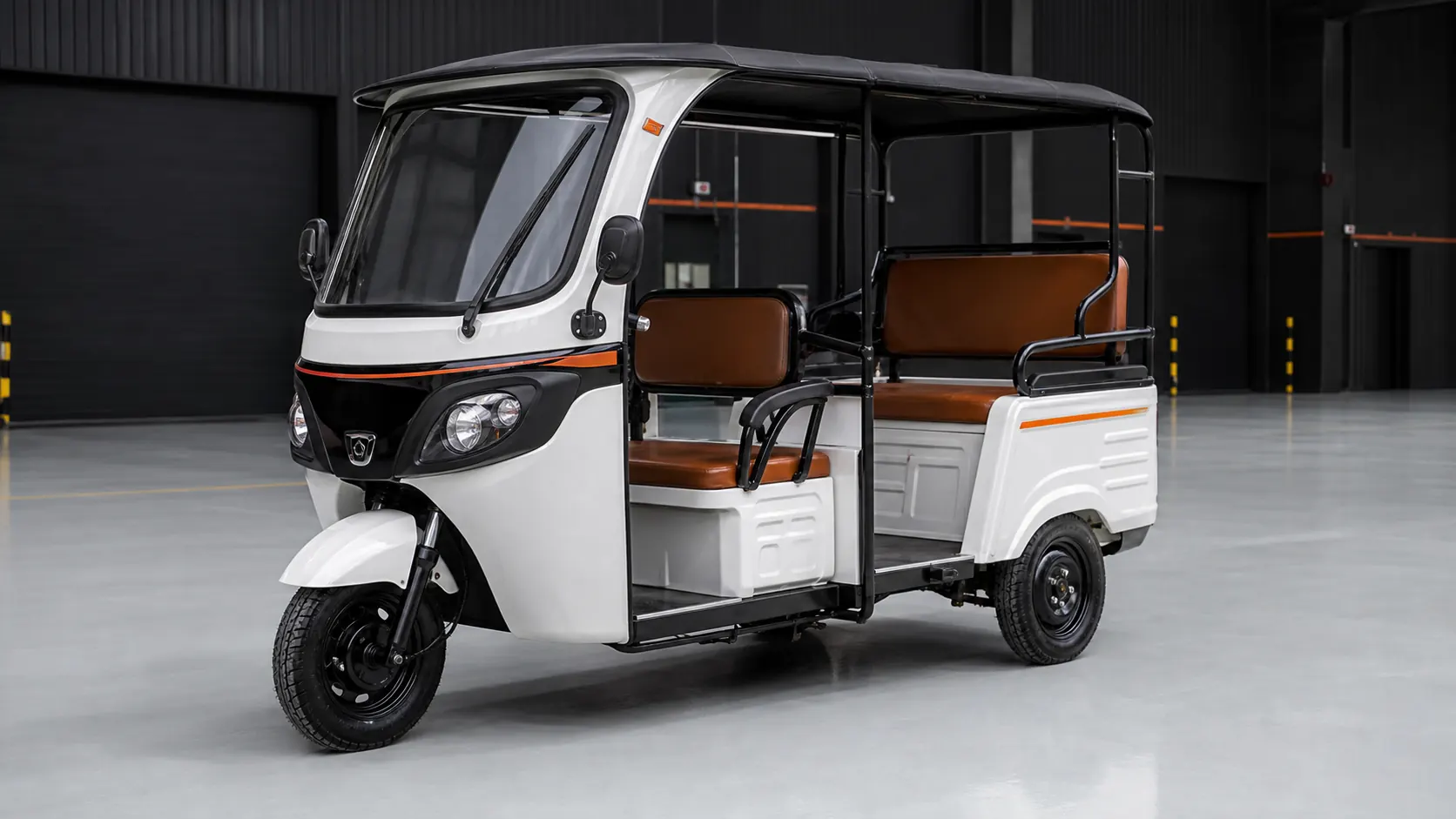
K01 Passenger Electric Tricycle complete vehicle detail for export buyers, with market fit, configuration notes, RFQ preparation and optional matching parts support.
Read More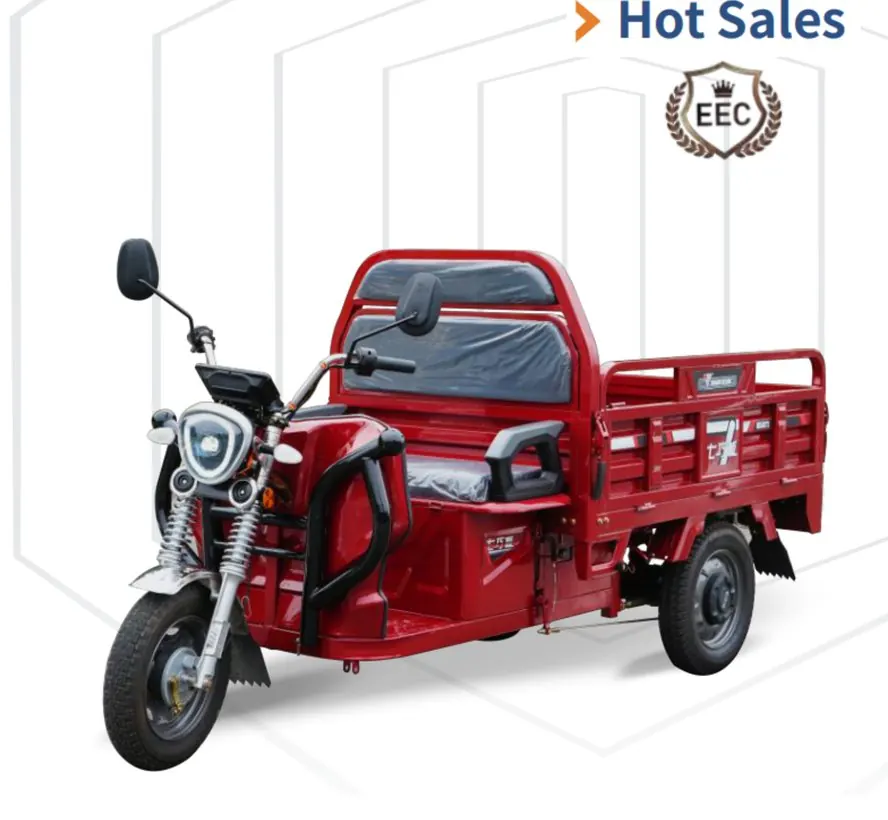
A mid-size cargo electric tricycle with 1500 x 1000 mm cargo box reference for daily delivery, market and service operations.
Read More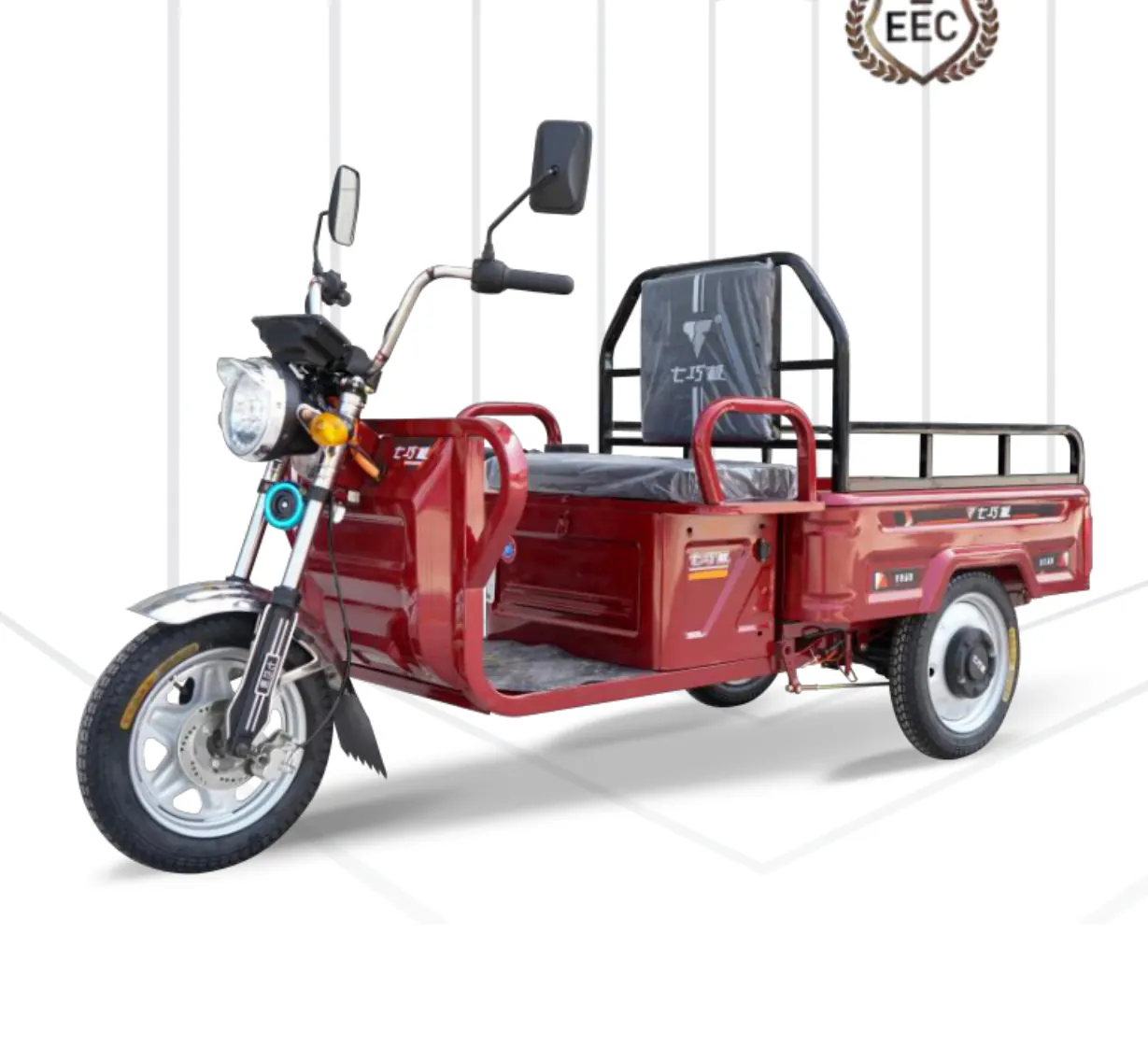
A compact cargo model for markets that need a lighter electric tricycle with practical mileage and a straightforward 60V power system.
Read More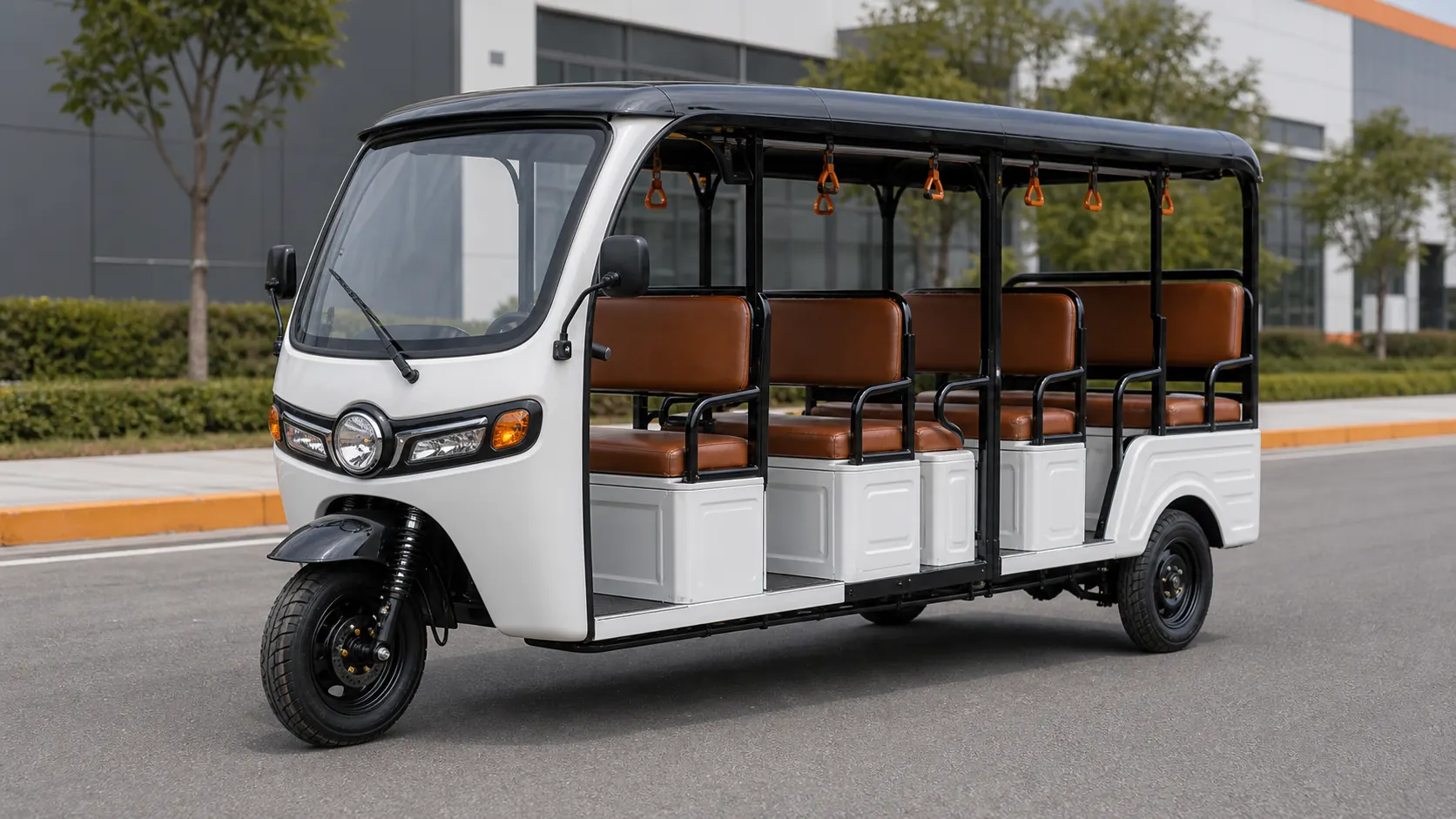
K03 Passenger Electric Tricycle complete vehicle detail for export buyers, with market fit, configuration notes, RFQ preparation and optional matching parts support.
Read MoreDesign criteria
When comparing electric tricycle design options, focus on frame layout, cargo body format, rear axle arrangement, braking method, battery position, weather protection and service access. The right combination depends on the job the vehicle performs every day, not only on size or exterior style.
| Criterion | What To Check | Why It Matters | Buyer Tip |
|---|---|---|---|
| Frame layout and rider position | Review a dimensioned drawing or physical walk-around showing wheelbase, seating position, ground clearance and turning space. | These design choices affect stability, manoeuvrability and access through the intended work area. | Can you show how the proposed layout fits our aisles, gates, ramps and parking space? |
| Cargo bed size and load placement | Compare usable bed dimensions, side-wall design, tie-down points and the stated load distribution guidance. | A bed that suits the parcel size but places weight too high or too far back can change handling and braking behaviour. | Where should our typical load sit, and what loading limits apply to each part of the bed? |
| Rear axle arrangement | Ask whether the design uses an integrated or split rear axle and request the relevant maintenance and turning guidance. | Axle architecture influences cornering behaviour, drivetrain service and how the tricycle handles uneven ground. | Which axle design is proposed for our route, and what service parts or adjustments does it require? |
| Battery, motor and controller integration | Confirm the battery location, removal method, motor position, controller access and protection from water, dust and impact. | Layout affects weight balance, charging convenience, service access and reliability in the working environment. | Can the battery be removed for charging, and how are the electrical components accessed for inspection? |
| Braking, suspension and control layout | Review the brake arrangement, suspension components, parking brake, lighting controls and rider reach from the seated position. | Controls and chassis response must suit frequent stops, slopes, uneven surfaces and the rider’s working posture. | What changes are available for our terrain, stop frequency and rider-control requirements? |
A useful distinction is between designing around maximum load and designing around actual route duty. A heavier frame, larger cargo box or stronger rear assembly may look safer on paper, but it can reduce range, raise energy use and make the vehicle harder to handle if the route is light and stop-start.
For repeated commercial use, stability and serviceability often matter as much as headline capacity. Buyers should ask how the design keeps the load centered, protects electrical components from water and vibration, gives technicians access to wear parts, and remains comfortable enough for long daily use.
Start with the load, not the appearance. Box size, wheelbase, frame reinforcement and rear suspension should match the goods being carried. Bulky but light parcels need different body dimensions from dense agricultural goods, bottled water or tools. A common mistake is choosing a large cargo body without checking how the loaded vehicle turns, climbs and brakes.
Match the drive system to the route. Flat urban delivery, village roads, ramps, unpaved sections and frequent stops place different demands on the motor, controller, rear axle and braking system. Integrated and split rear axle layouts can suit different maintenance and durability priorities, so confirm which design is intended for your road conditions and service habits.
Check rider ergonomics and maintenance access early. Seat height, handlebar position, pedal or footboard space, mirror placement and weather protection affect daily safety and fatigue. For fleet buyers, easy access to tires, brakes, wiring, battery compartments and controller locations can reduce downtime more than a cosmetic feature ever will.
Before asking for a design recommendation, prepare a short duty description: typical cargo type and weight range, route surface, daily distance, charging pattern and any body style requirements. Xuzhou LVHANG Vehicle Industry Co., Ltd. can then discuss which design choices are worth confirming for your application instead of guessing from a model name alone.
| Criteria | Importance | Description | Example Options |
|---|---|---|---|
| Application type | High, because the vehicle layout should follow the work it performs | Cargo delivery, passenger movement, waste collection and utility service place different demands on body shape, seating, suspension, braking and access. | A parcel delivery vehicle may need a secure cargo box, while a passenger tricycle may need easier entry and better seat comfort. |
| Load position and body layout | High for stability, handling and braking confidence | The size, height and position of the cargo or passenger area influence center of gravity, turning behavior and how the tricycle feels when loaded. | Dense goods carried low and centered are easier to manage than tall, rear-heavy loads. |
| Route and road surface | Important, because flat streets and rough roads do not stress the vehicle in the same way | Road quality, gradients, ramps, stop-start traffic and unpaved sections affect choices around motor matching, suspension, axle layout and braking. | A tricycle used on village roads may need different durability priorities from one used on short, flat campus routes. |
| Service access | Important for fleets and daily commercial use | A practical design should allow technicians to reach wear parts, wiring, brakes, tires, controller areas and battery compartments without unnecessary disassembly. | A fleet operator may value fast brake and tire access more than a decorative body panel. |
| Rider comfort and control | Medium to high, depending on daily operating hours | Seat position, handlebar reach, foot space, visibility, weather protection and braking feel affect fatigue and safe operation over repeated trips. | A rider making frequent deliveries benefits from easy entry, clear mirrors and predictable low-speed handling. |
Related Options
For a delivery operator, the best design priority may be stable low-speed handling with a loaded cargo box. For a passenger or community transport application, rider comfort, entry height and smooth braking may matter more. Define the use case first, then review which design choices support that work.
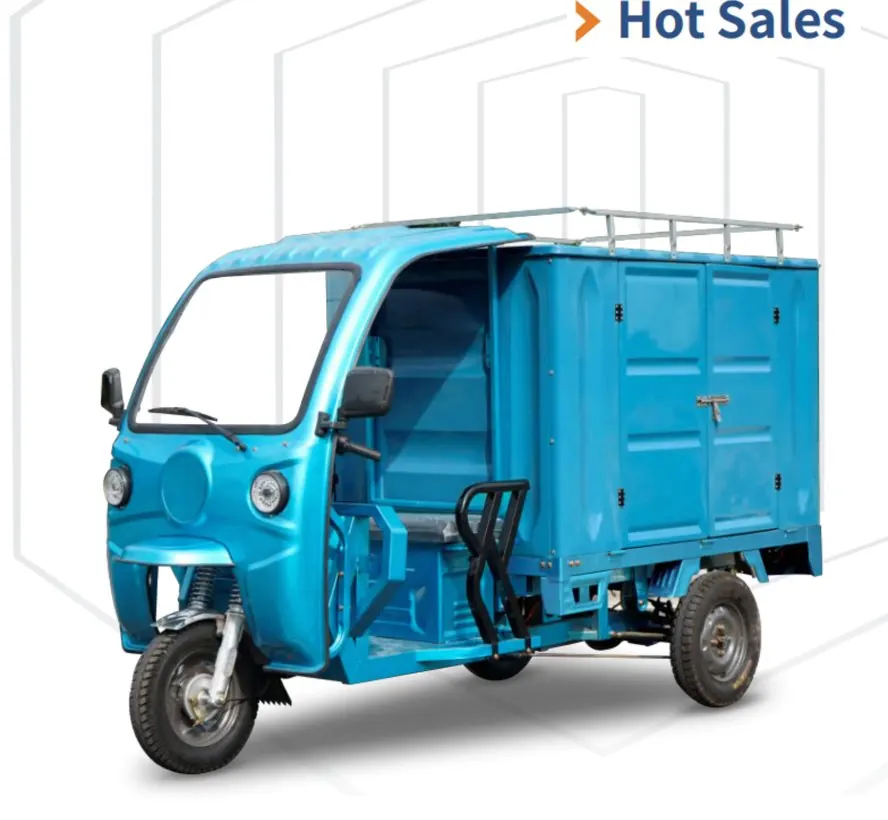
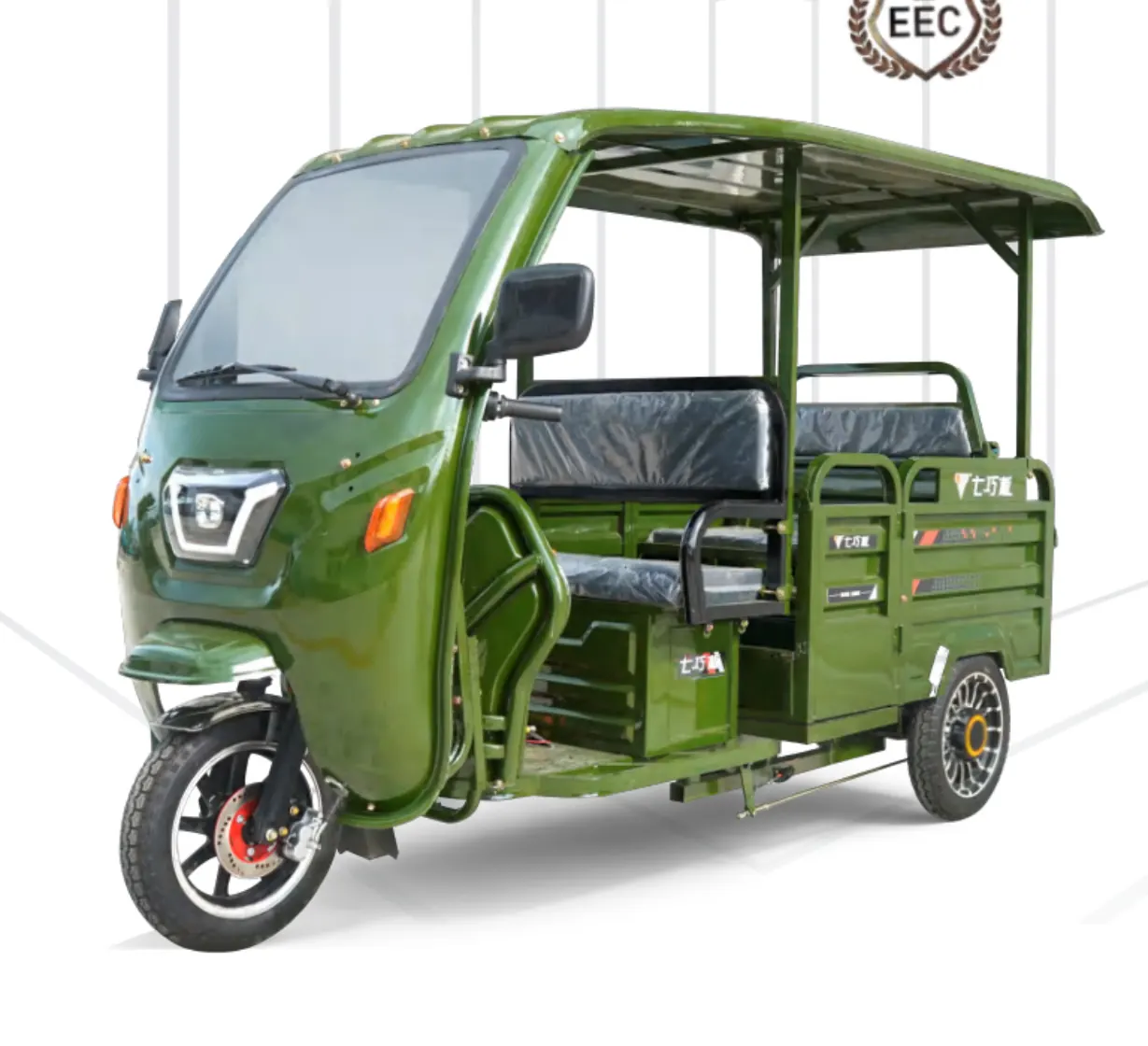
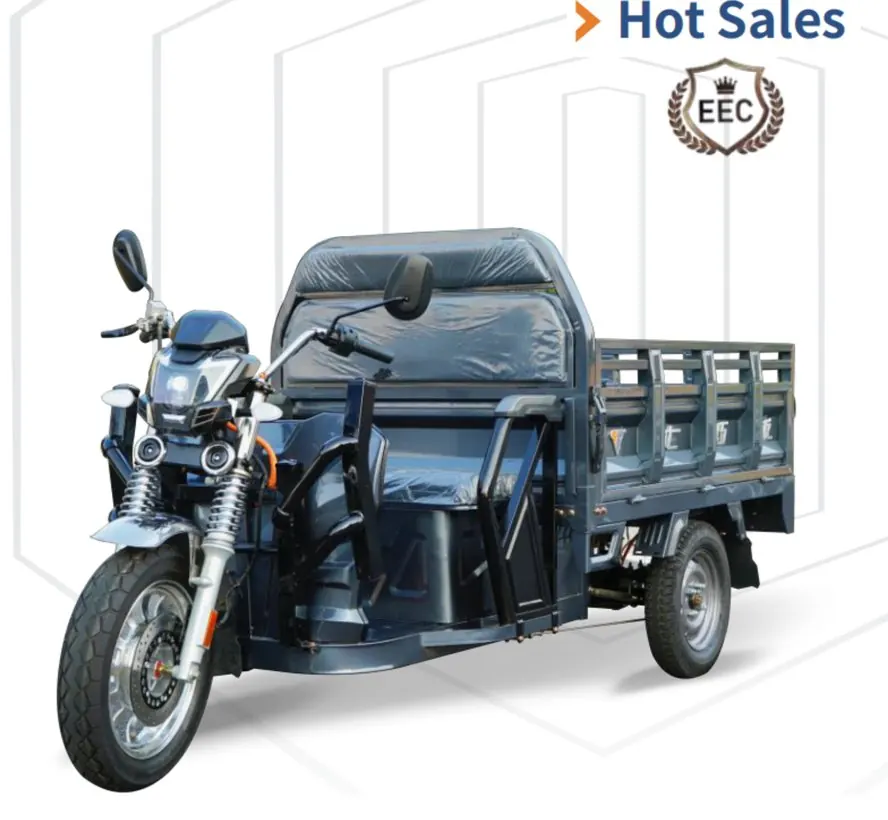
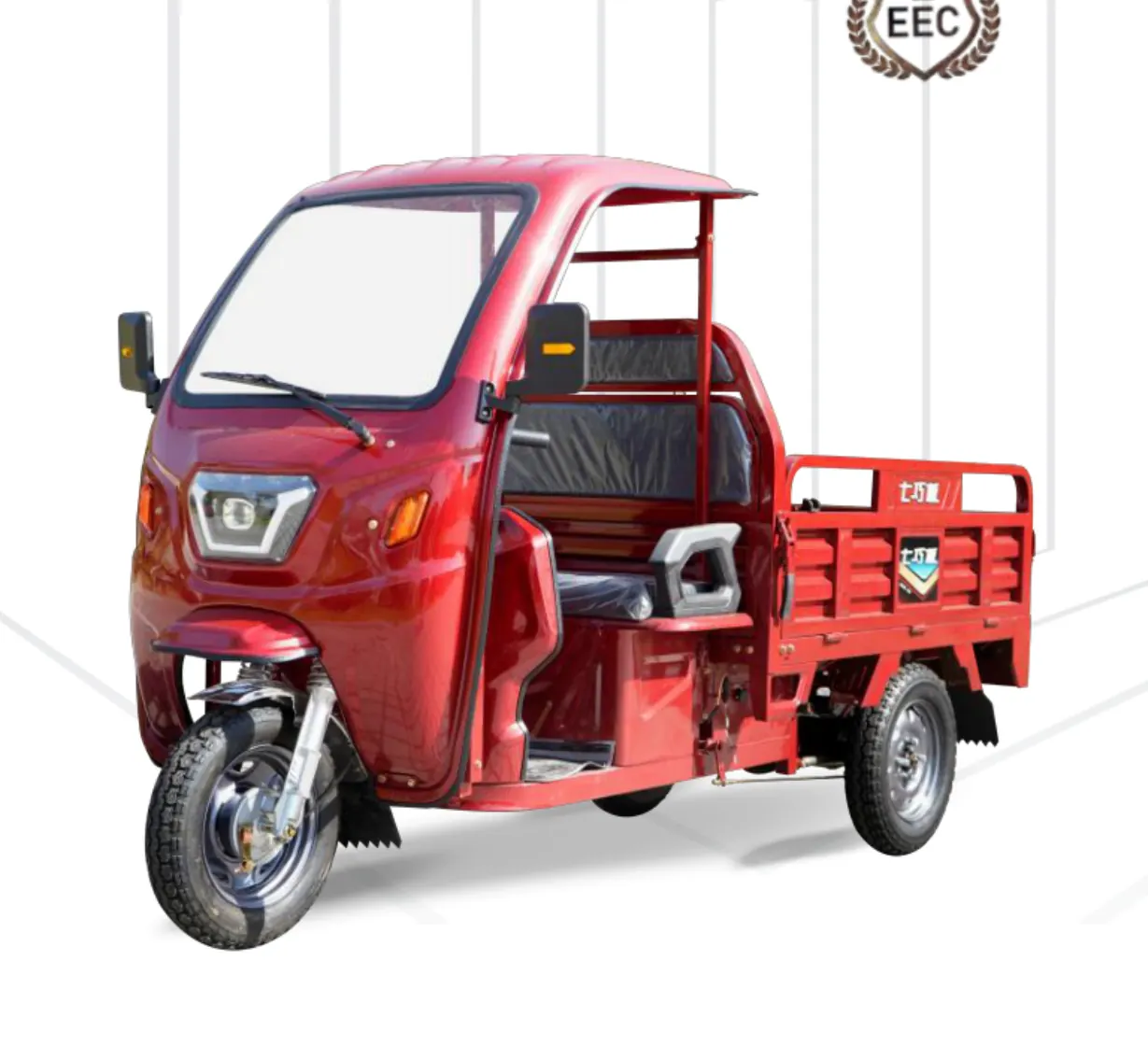
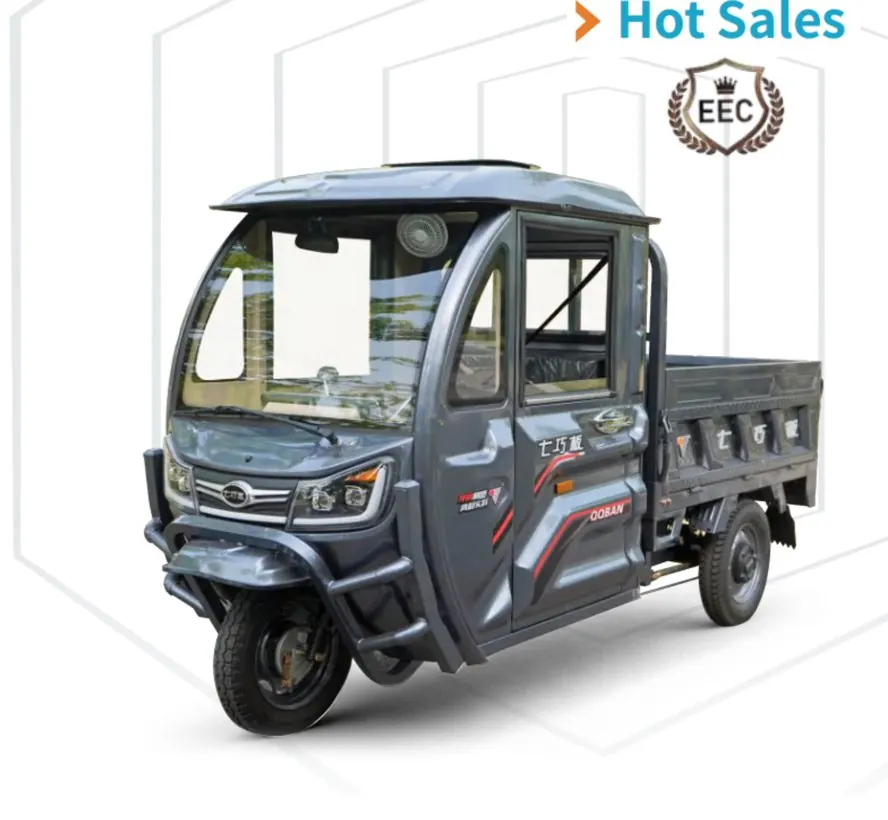
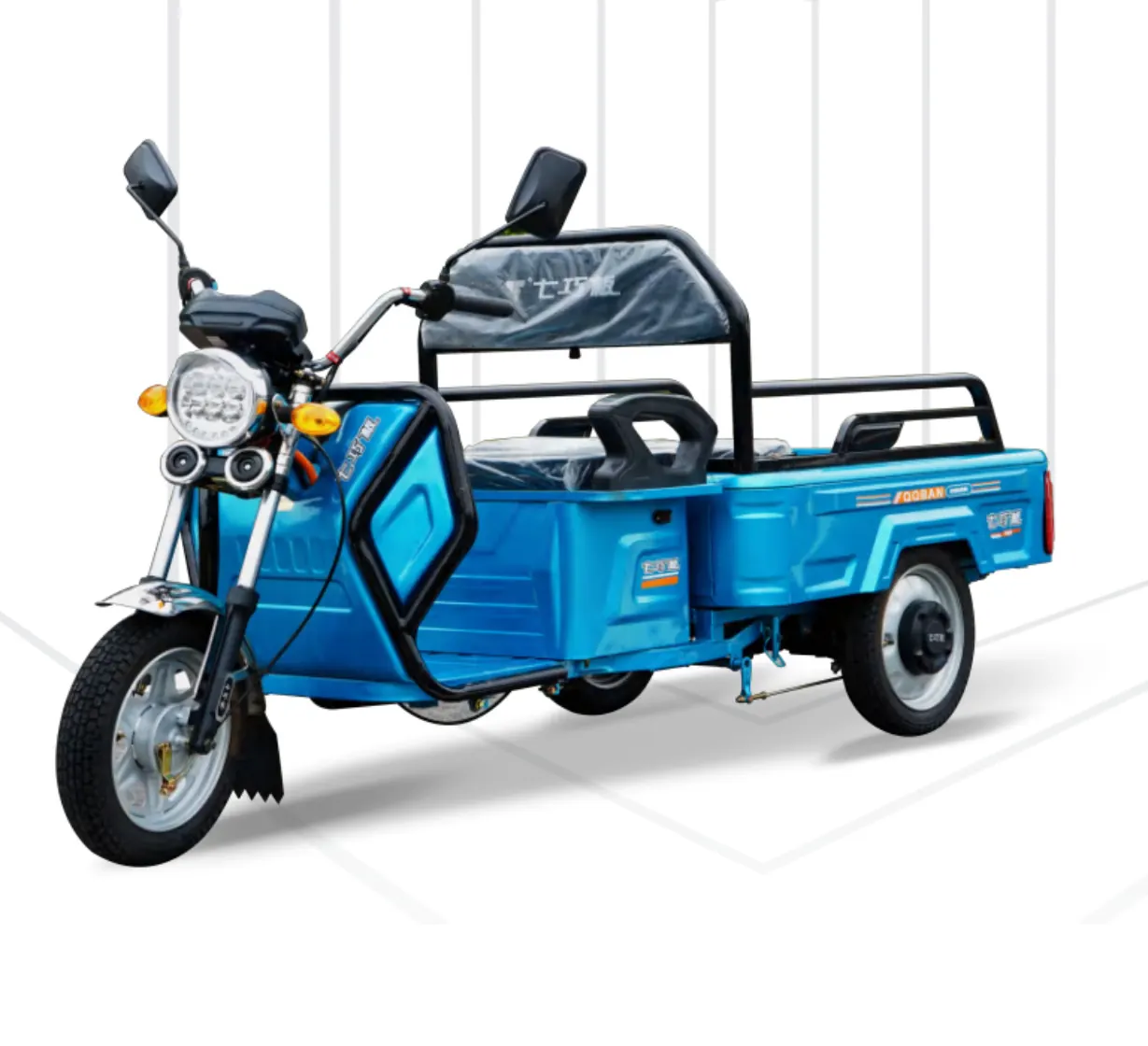
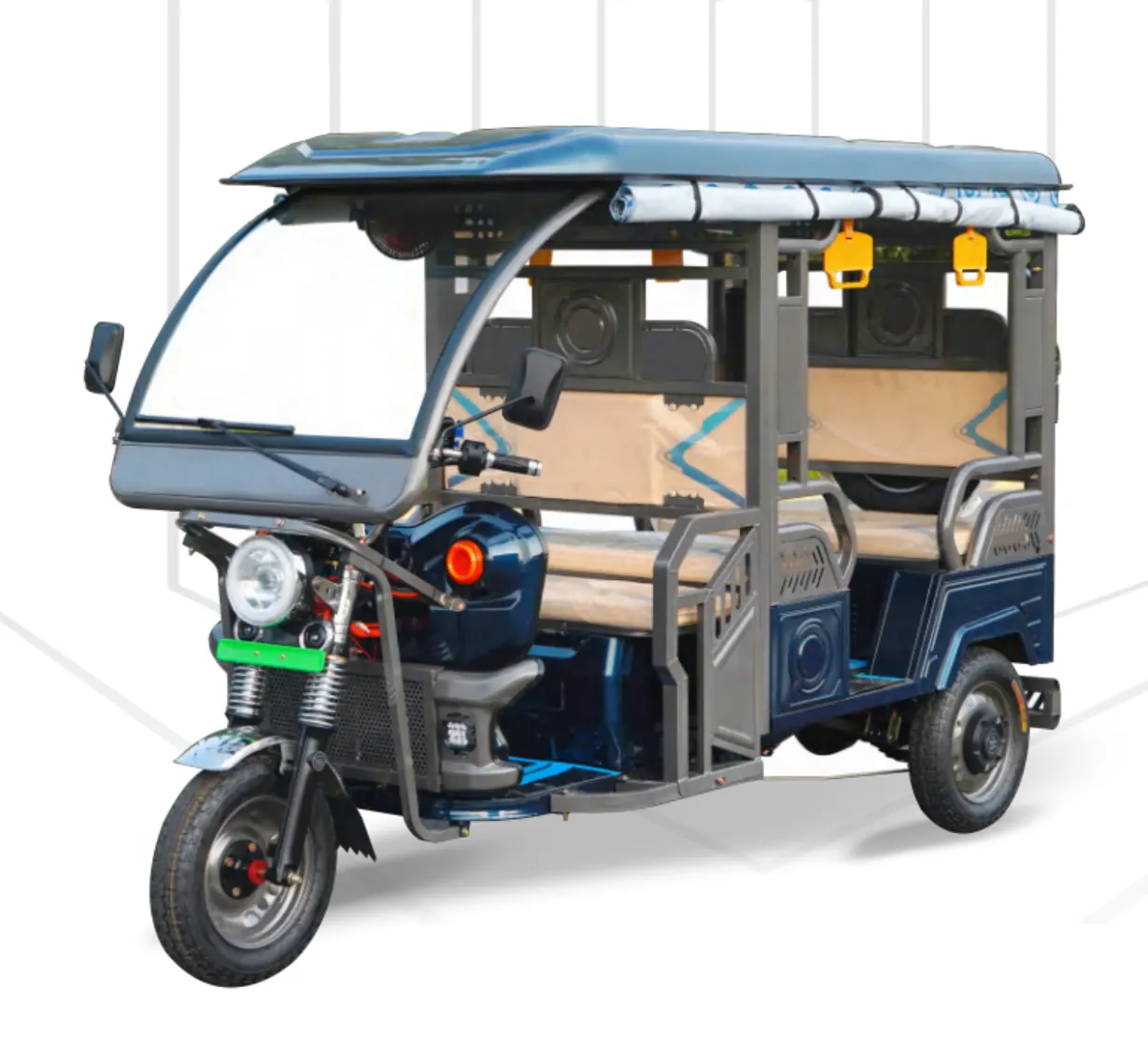
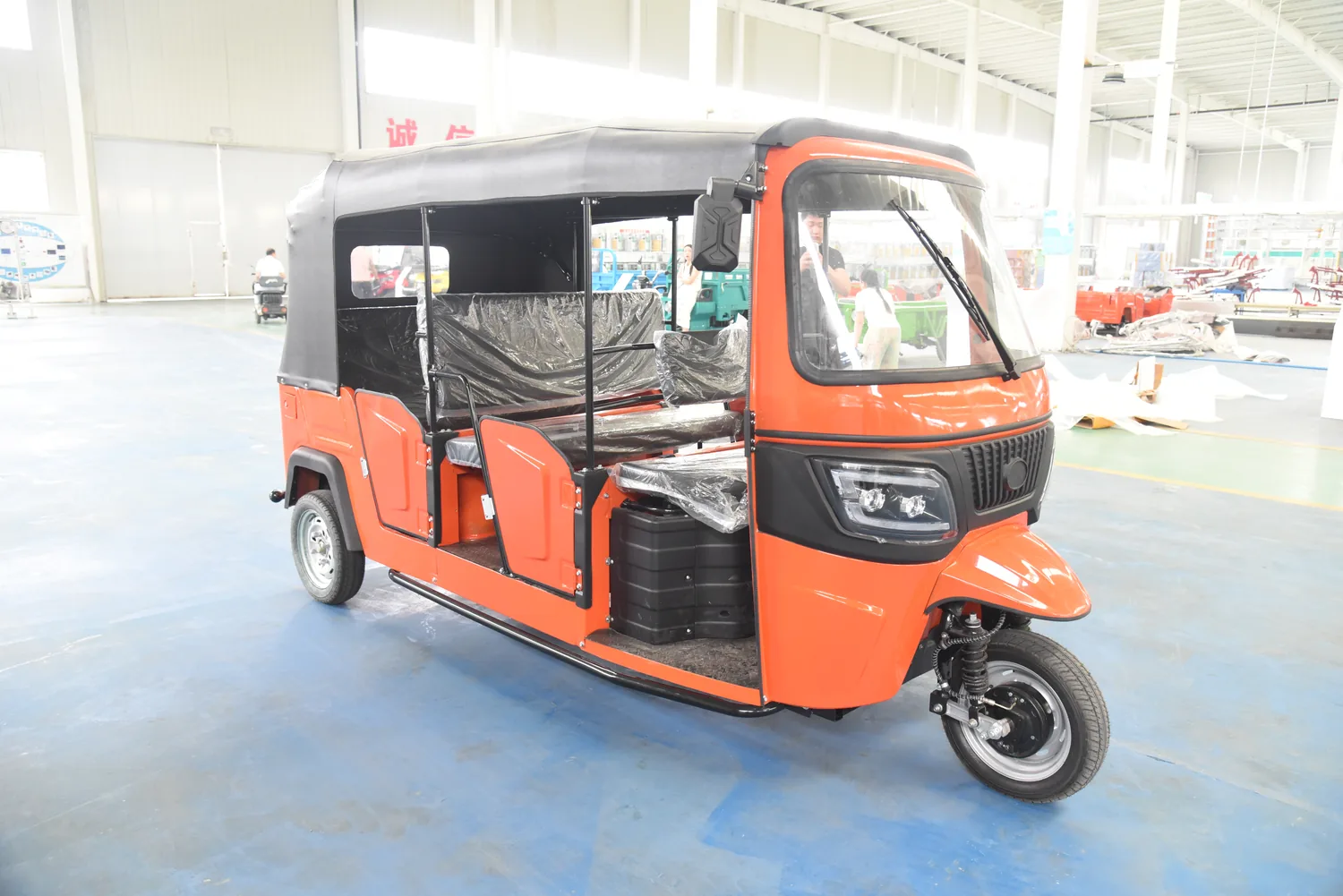
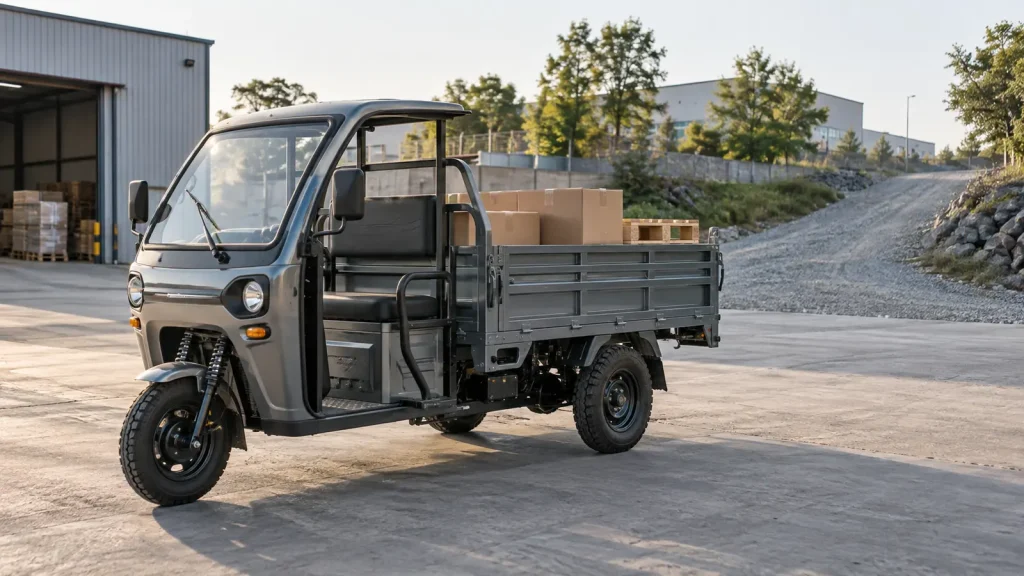
A cargo electric tricycle should be selected from the work cycle, not from one headline specification. Buyers need to define the actual cargo mass and volume, route distance, road grade, surface condition, stop frequency, operating hours, charging window, cargo-body requirement and destination-market rules before comparing models. These inputs interact: a route with repeated starts, steep […]
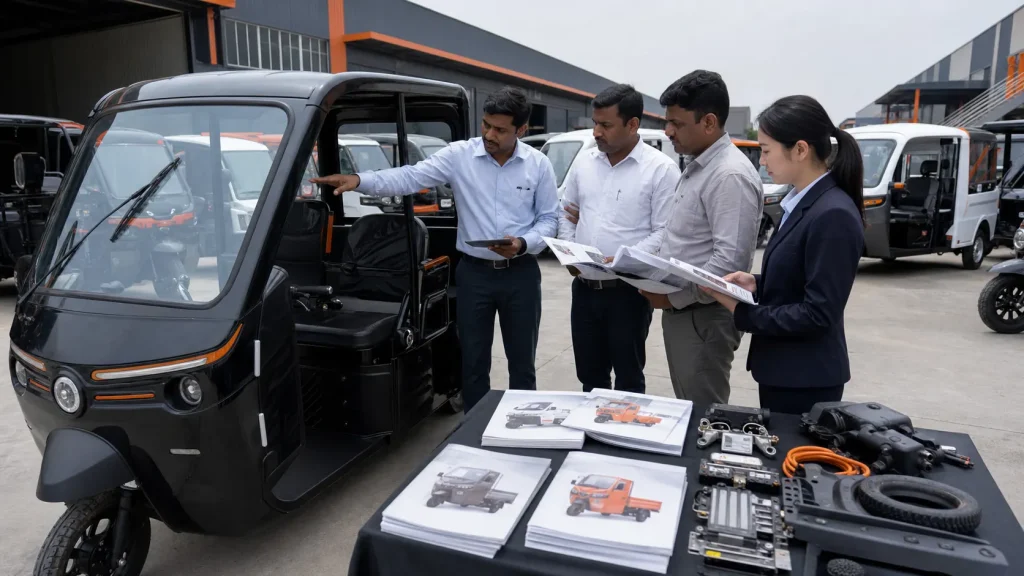
April 21, 2026 / Fengxian, Xuzhou
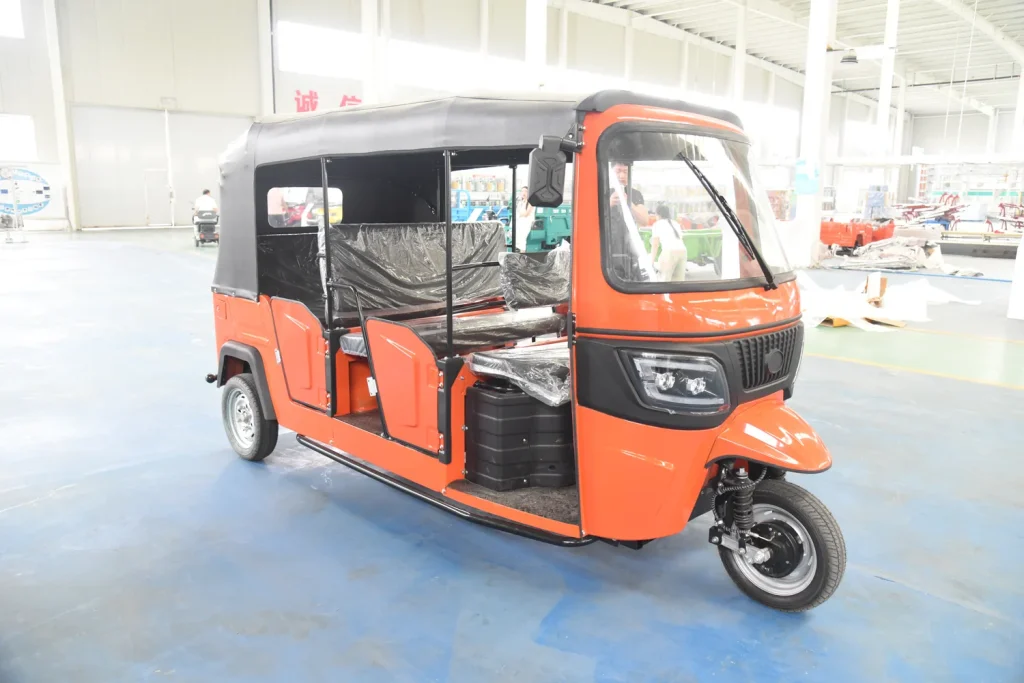
The feeling brought to me by the newly purchased manned electric tricycle
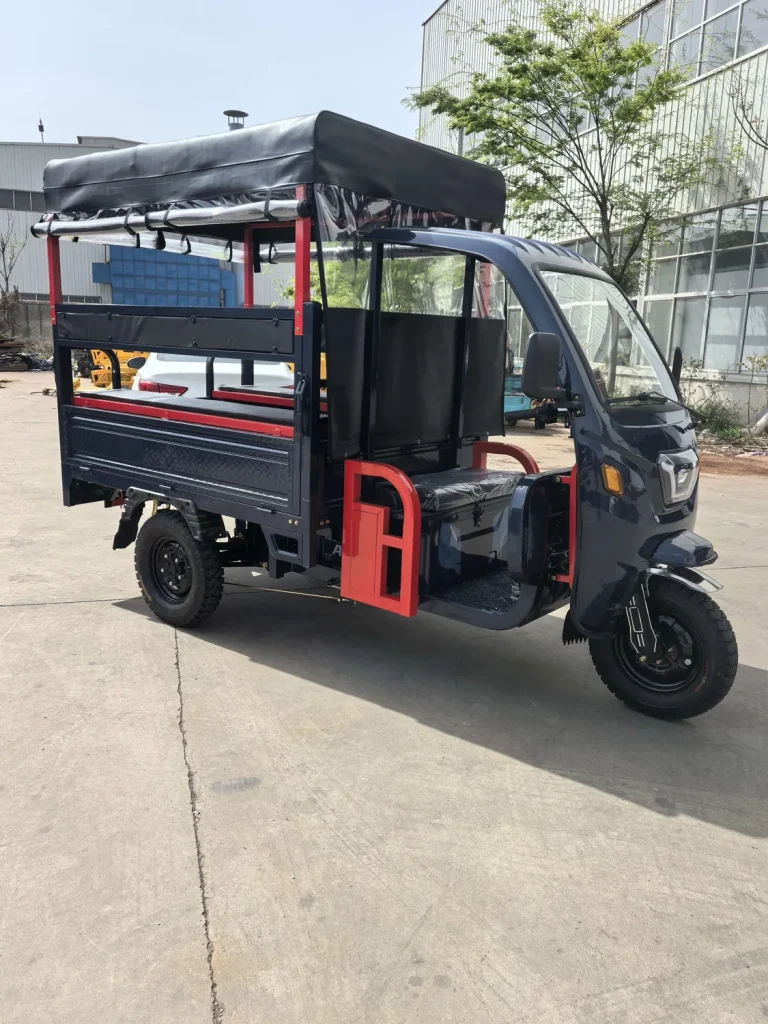
An electric tricycle, different answers from 120 countries
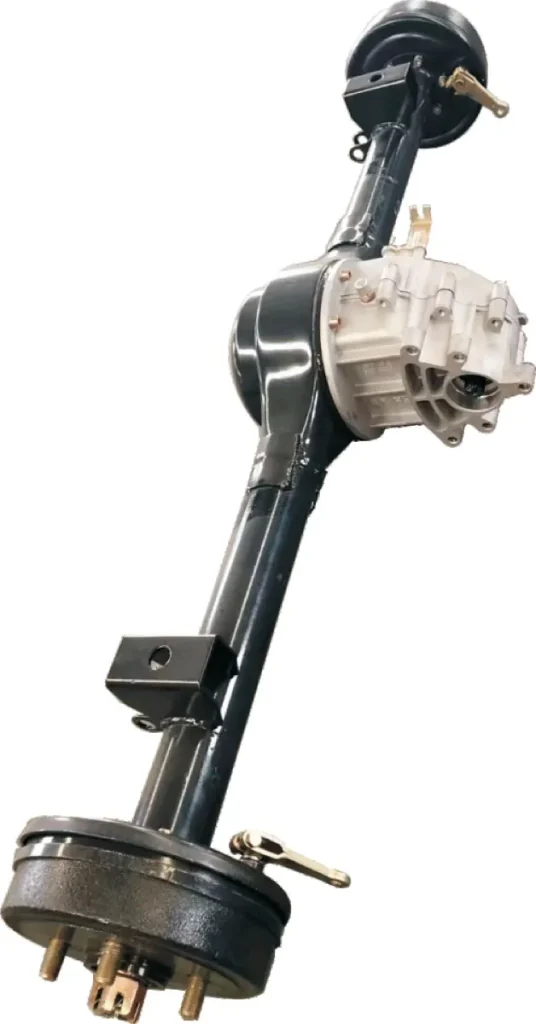
Compare load capacity, maintenance convenience, motor service and application fit before selecting a rear axle path.
Cargo use usually needs attention to load position, cargo body strength, rear suspension, braking stability and access for unloading. Passenger use places more weight on entry height, seating comfort, weather protection, smooth acceleration and predictable braking. The same chassis style may not serve both jobs well without changes to layout and equipment.
No. A larger box can carry bulky goods, but it may increase weight, affect turning space and make the vehicle less stable if the load sits high or far behind the axle. Match the body size to the usual cargo shape and weight, not the largest possible load you might carry once in a while.
The better choice depends on road conditions, maintenance habits and the loads the tricycle carries. Buyers often compare these layouts for durability, service access, parts replacement and how the vehicle behaves under load. Ask which axle layout is recommended for your route surface, expected payload and local repair capability.
Battery placement affects balance, protection from water and impact, ease of removal, charging access and available cargo space. A low, protected location can help stability, but it still needs practical service access. Confirm how the design protects the battery compartment and wiring during daily use.
Provide the main application, typical load type, approximate weight range, daily distance, road surface, hills or ramps, stopping frequency and charging routine. Photos or dimensions of the intended cargo can also help. These details make the discussion more useful than choosing only by model appearance.
Share the intended cargo or passenger use, typical route surface, and daily operating distance. If possible, include preferred body style and any charging or maintenance constraints.