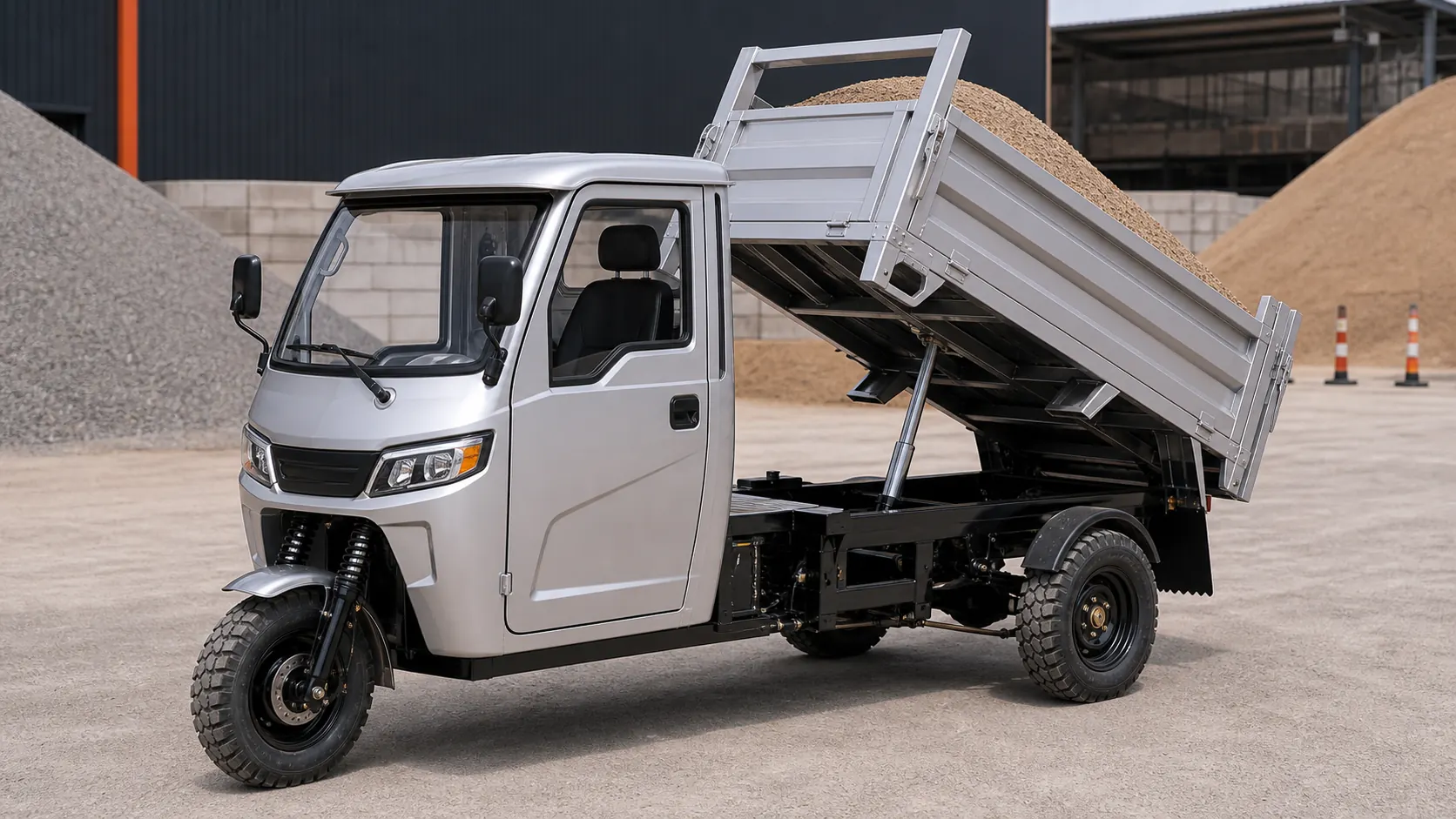
HPZ20 Cargo Electric Tricycle
HPZ20 Cargo Electric Tricycle complete vehicle detail for export buyers, with market fit, configuration notes, RFQ preparation and optional matching parts support.
Read MoreElectric Tricycles for UK Use | Xuzhou LVHANG Vehicle Industry Co., Ltd.
An electric tricycle for the UK is usually chosen around one of two jobs: moving people over short distances or carrying cargo through tight streets, yards, campuses, resorts, farms, or private sites. The main decision is not only battery size or body style; it is whether the tricycle suits the route, load, storage space, charging routine, and the rules that apply where it will be used.
For a buyer comparing options from Xuzhou LVHANG Vehicle Industry Co., Ltd., the useful starting point is the intended duty cycle: passenger use, cargo delivery, site transport, or mixed work. That decides the frame layout, rear axle type, cabin or open body, braking needs, weather protection, and the questions to confirm before ordering.
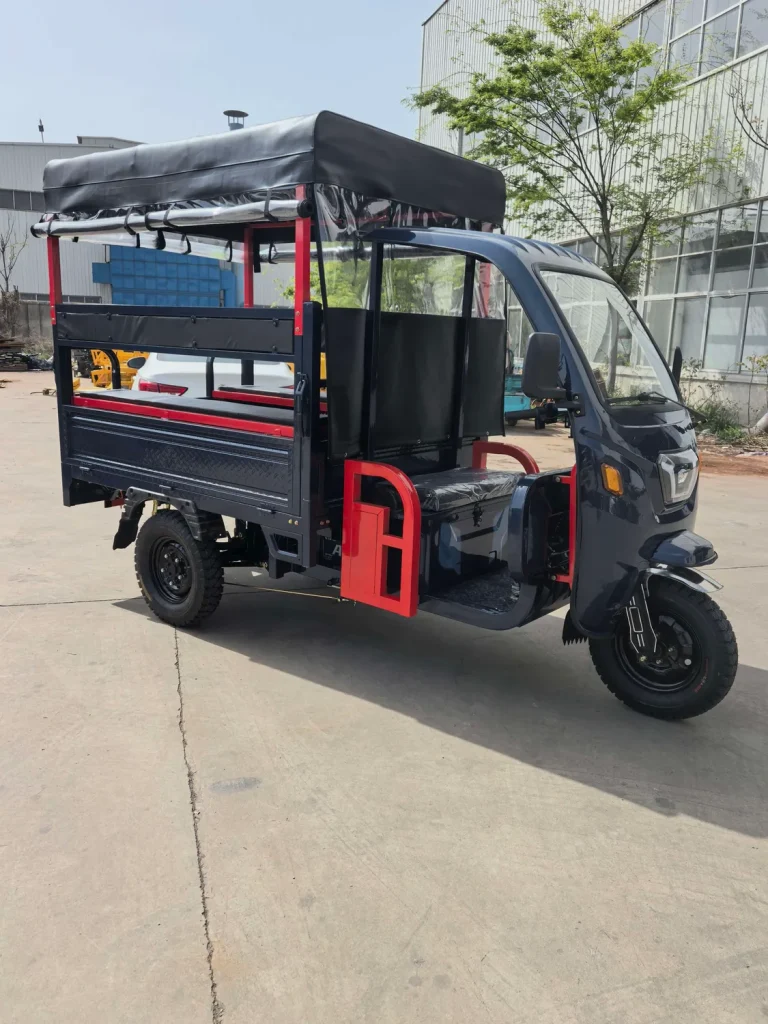
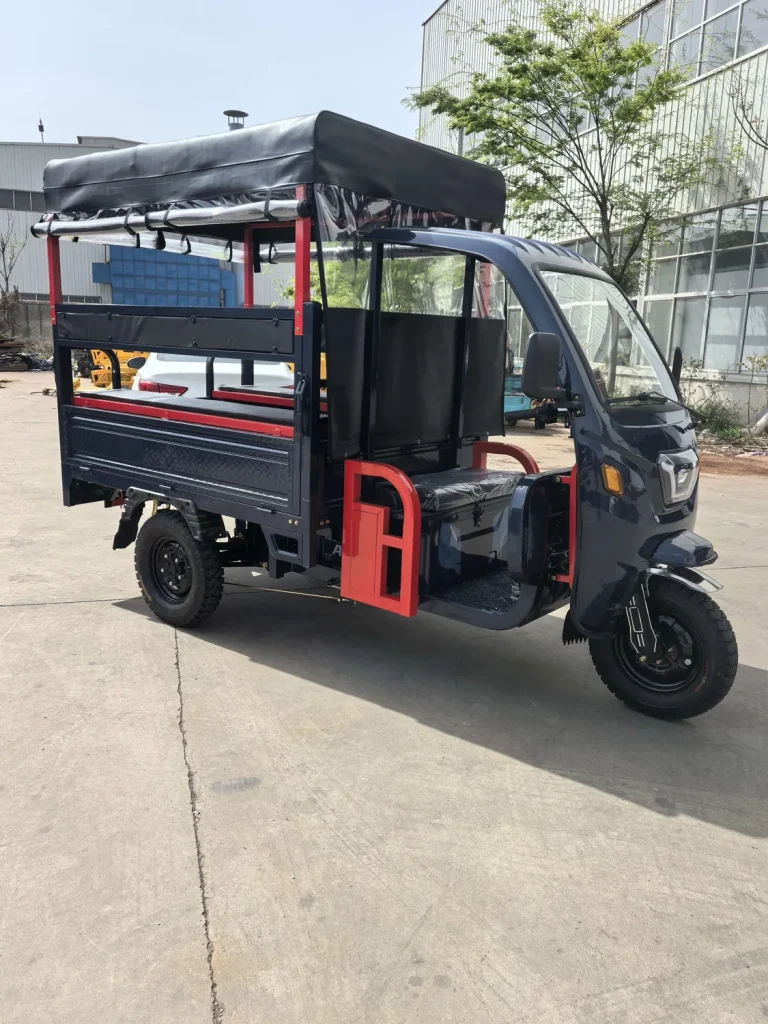
HPZ20 Cargo Electric Tricycle complete vehicle detail for export buyers, with market fit, configuration notes, RFQ preparation and optional matching parts support.
Read More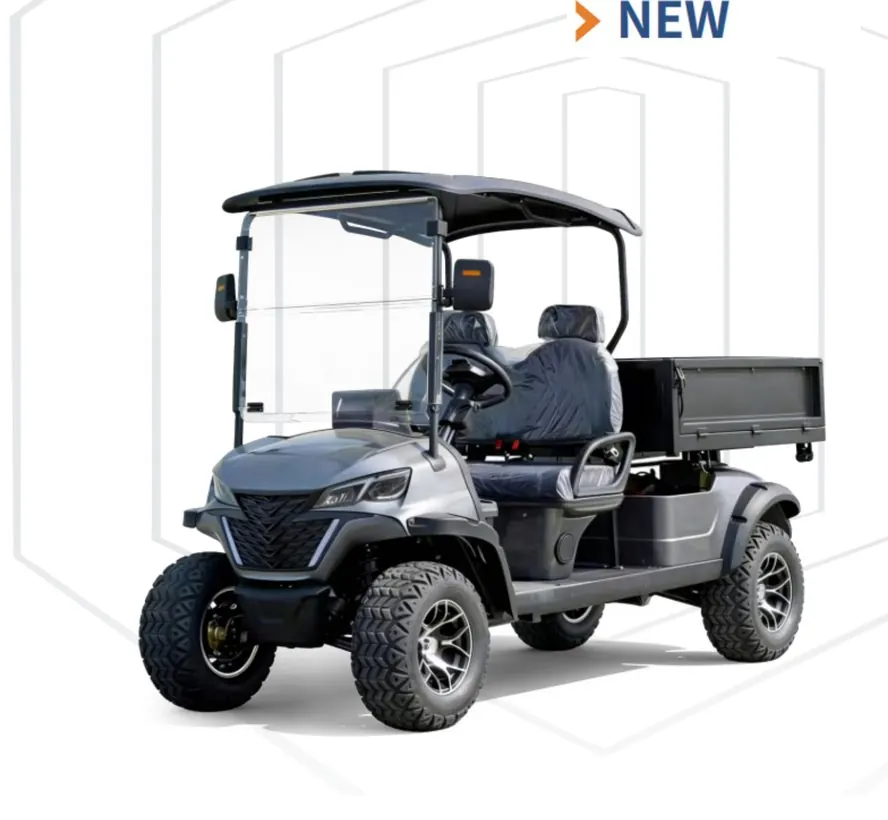
A utility electric tricycle for resort operations, light cargo movement and mixed passenger-service routes where compact size and serviceable drive parts matter.
Read More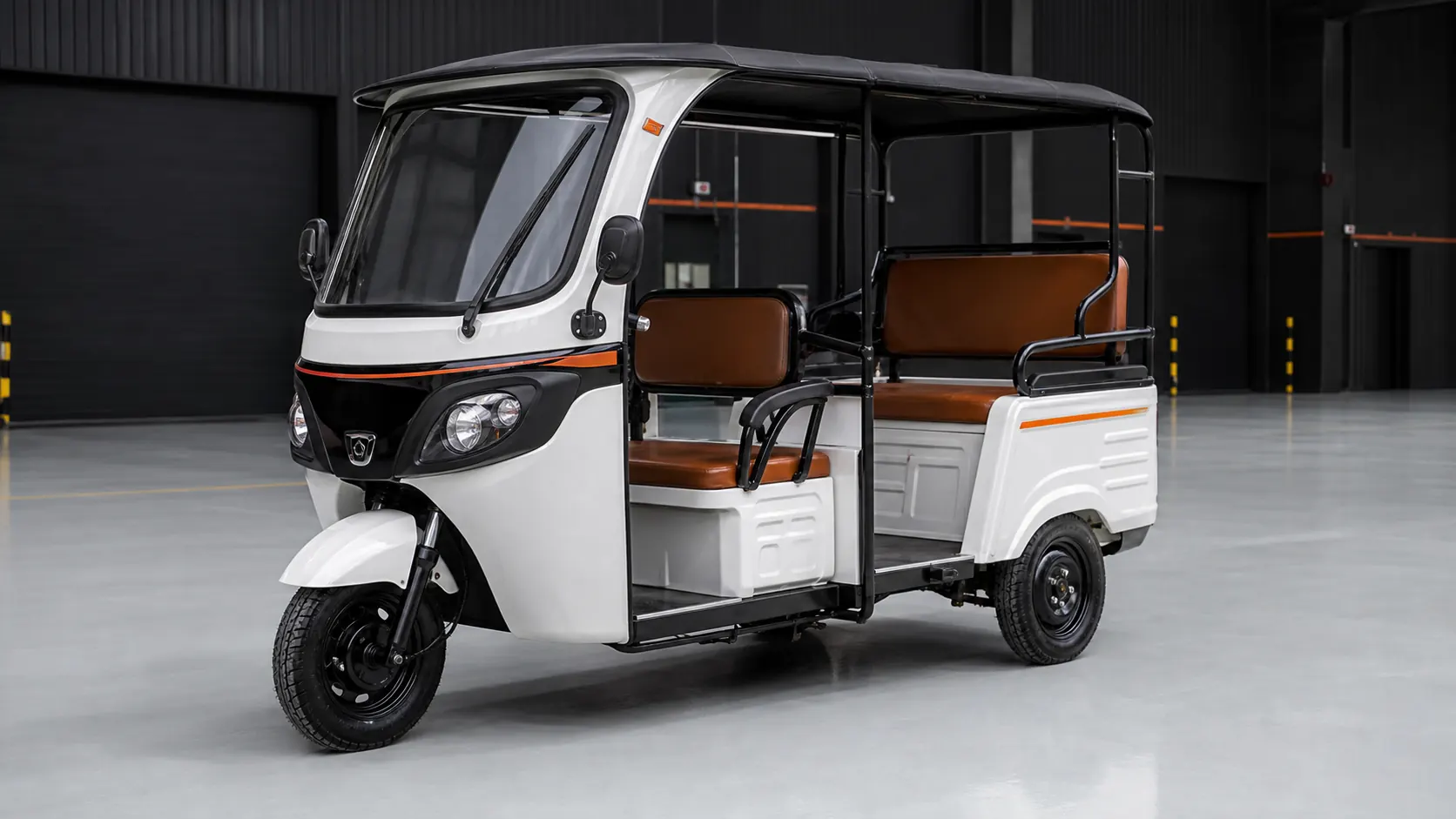
K01 Passenger Electric Tricycle complete vehicle detail for export buyers, with market fit, configuration notes, RFQ preparation and optional matching parts support.
Read More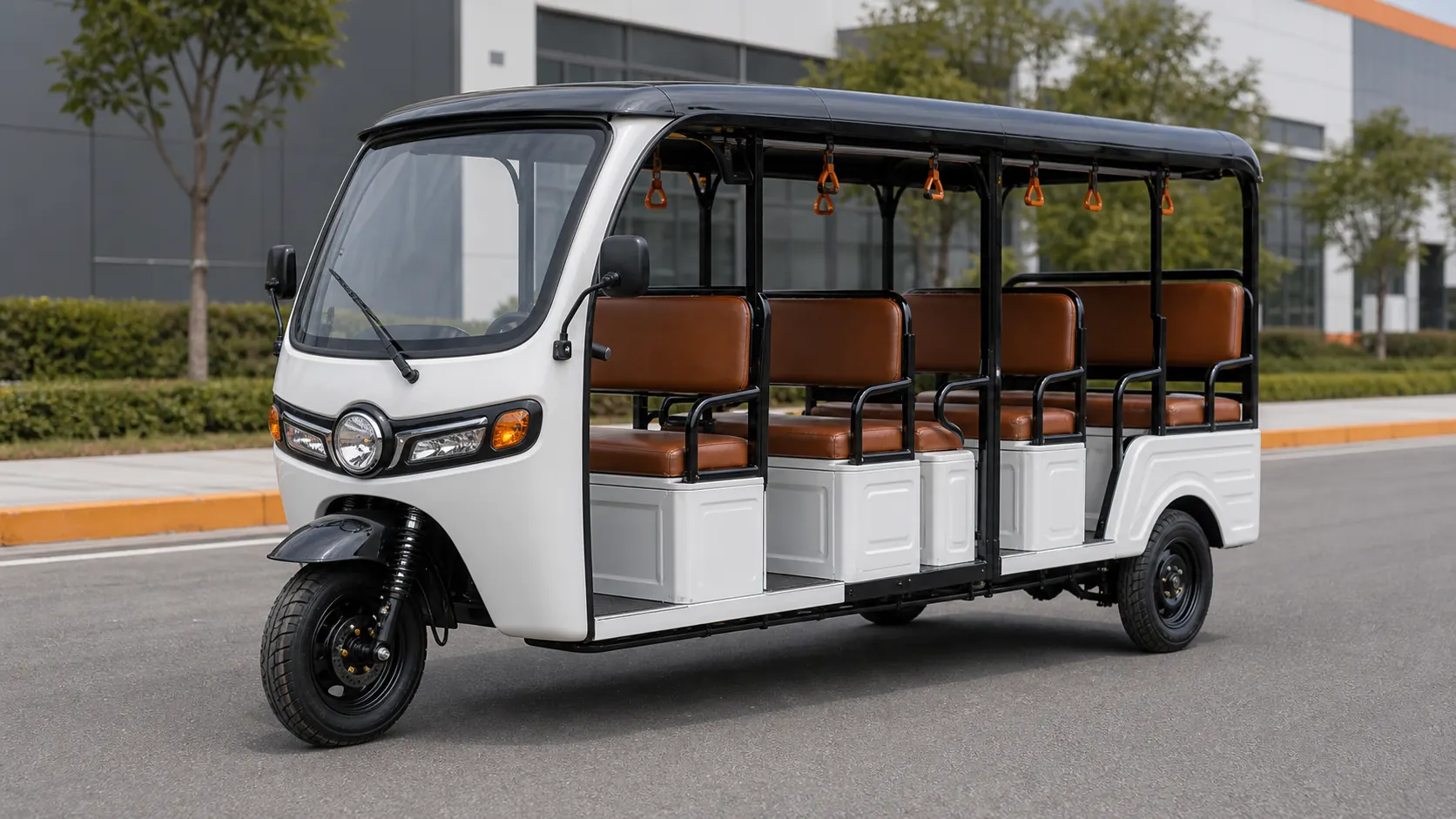
K03 Passenger Electric Tricycle complete vehicle detail for export buyers, with market fit, configuration notes, RFQ preparation and optional matching parts support.
Read More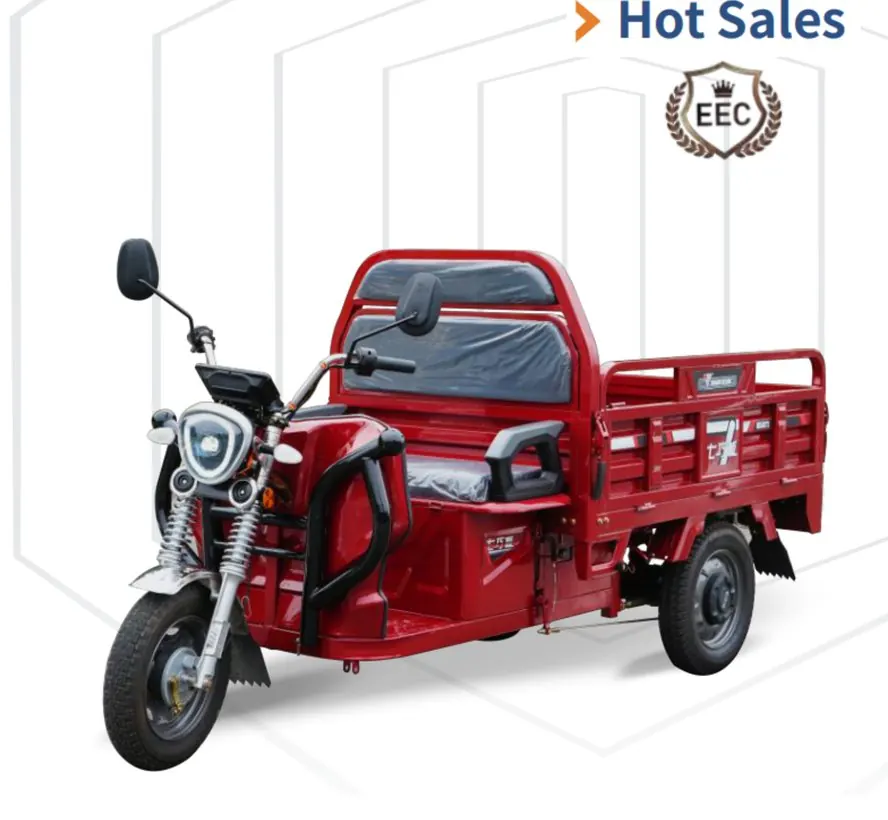
A mid-size cargo electric tricycle with 1500 x 1000 mm cargo box reference for daily delivery, market and service operations.
Read More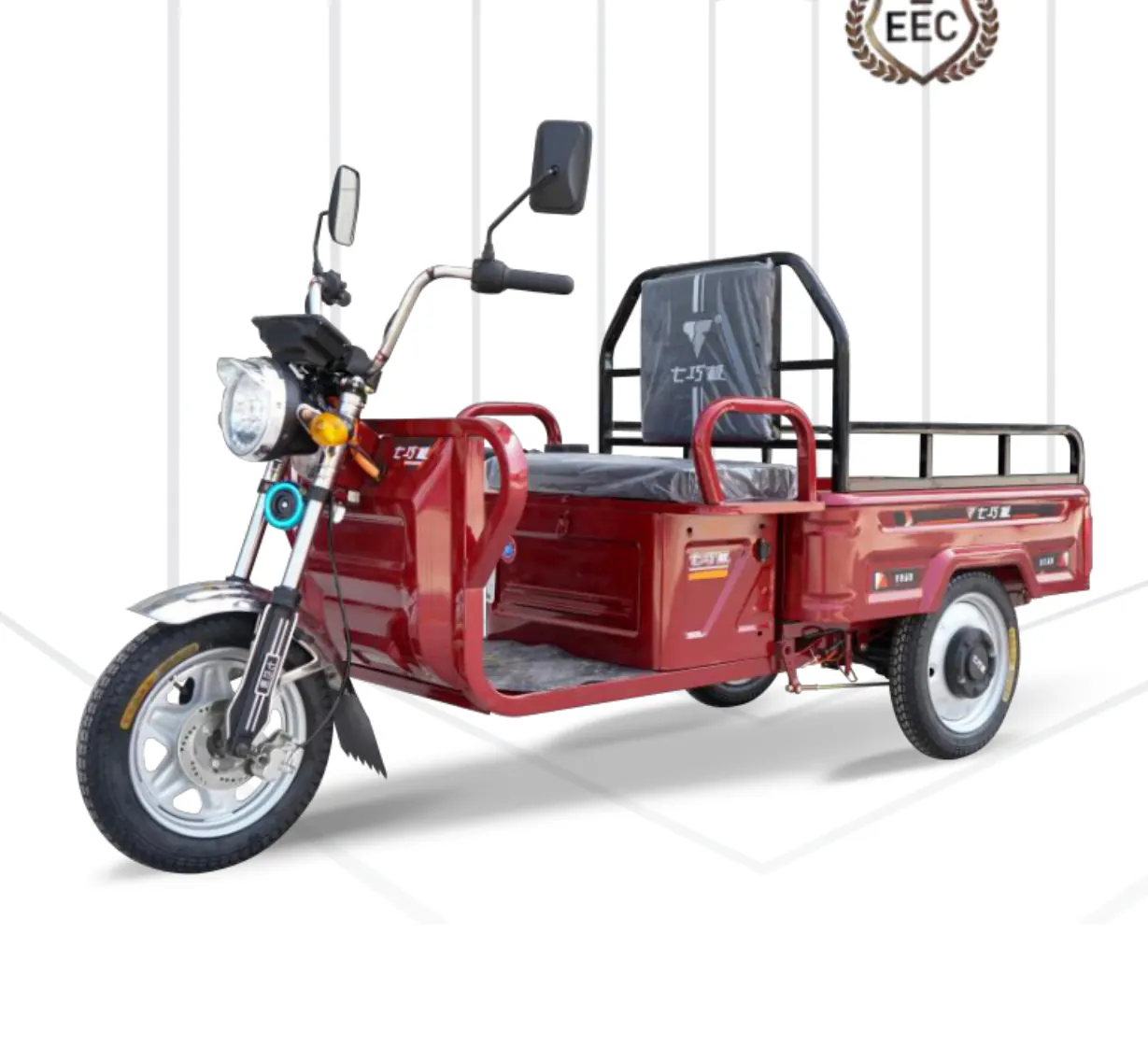
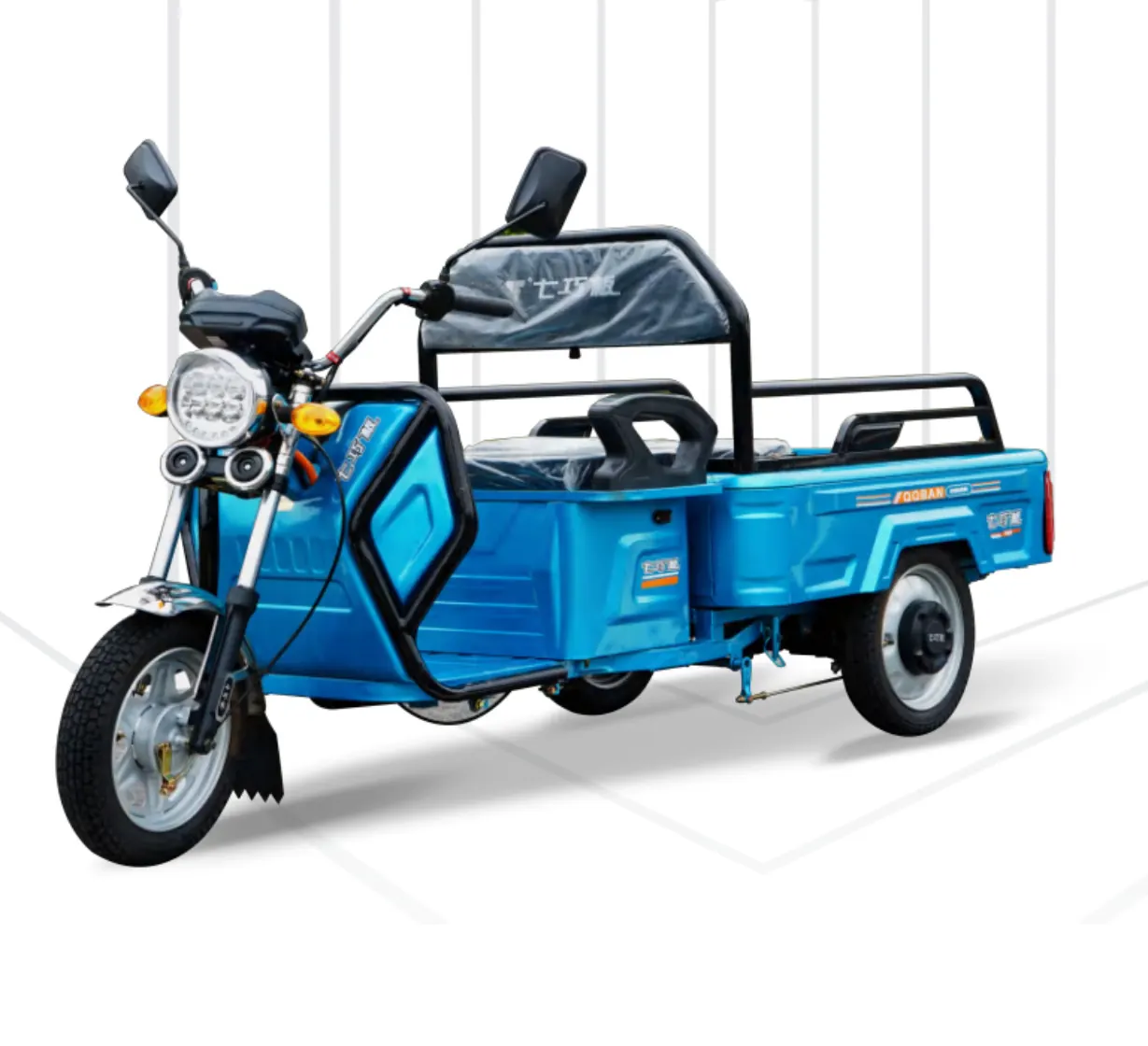
A compact cargo model for markets that need a lighter electric tricycle with practical mileage and a straightforward 60V power system.
Read MoreSelection criteria
Useful comparison points for an electric tricycle include cargo or passenger layout, enclosed or open body, rear axle design, braking arrangement, tyre choice, charging setup, weather protection, service access, and the documents available for the intended destination. These details matter more than a single headline range figure because they affect daily usability and long-term maintenance.
| Criterion | What To Check | Why It Matters | Buyer Tip |
|---|---|---|---|
| UK road use and vehicle classification | Confirm the exact intended use: private land, site transport, cargo delivery, passenger carrying, or public-road operation in the UK. | An electric tricycle that suits factory yards or campuses may not be acceptable for UK road use without the right approval, registration, insurance, lighting, mirrors and braking equipment. | Ask: “For this model, what documents and equipment are supplied for the way we plan to use it in the UK?” |
| Load, route and gradient duty | Compare the normal payload, cargo size, daily distance, hill sections, stop-start frequency and road surface before choosing a model. | A tricycle used for short flat warehouse runs needs a different motor, battery, frame and rear axle setup from one carrying cargo on sloped urban routes. | Ask: “Can you recommend a configuration based on our payload, route distance, gradients and number of trips per day?” |
| Battery type, charging and replacement plan | Verify battery chemistry, charging voltage, charger plug arrangement, charging time, removable or fixed battery design, and replacement availability. | Charging convenience affects daily use as much as range. UK buyers also need to plan where batteries will be charged, stored and replaced over the vehicle’s life. | Ask: “What charger is supplied, can it match our local charging setup, and how do we buy replacement batteries later?” |
| Braking, lighting and wet-weather suitability | Review the brake type, parking brake, tyres, lights, reflectors, guards, cab or canopy options, and corrosion protection details. | UK use often involves rain, low light and mixed surfaces. Poor braking, visibility or weather protection can limit safe and practical operation. | Ask: “Which braking, lighting and weather-protection options are available for outdoor UK operation?” |
| Spares, service access and shipment details | Confirm availability of wear parts, controller and motor spares, manuals, wiring information, packing method and after-sales contact process. | Downtime costs more when a simple part is hard to identify or source. Clear service information also helps local technicians diagnose faults safely. | Ask: “Can you provide a spare-parts list, service manual and packing details before we place an order?” |
The biggest practical distinction is between road-use expectations and private-site use. A tricycle that works well inside a warehouse, holiday park, farm, industrial estate, or closed campus may not automatically be suitable for public roads in the UK. Before choosing a model, confirm where it will operate and what approvals, lighting, mirrors, braking equipment, documentation, and registration pathway may be required for that use.
Cargo and passenger tricycles also place different demands on the vehicle. Cargo versions need stable load placement, a strong rear structure, easy loading height, and enough low-speed pulling ability. Passenger versions need safer access, seating comfort, weather protection, visibility, and predictable handling. Choosing by appearance alone can lead to a vehicle that is either underbuilt for the load or too bulky for the route.
Start with the route, not the catalogue photo. Short flat trips, stop-start delivery rounds, sloped private roads, and narrow urban access all stress an electric tricycle differently. Share the typical distance per shift, road surface, gradients, turning space, and whether the vehicle must reverse, park indoors, or enter lifts, gates, or loading bays.
Match the body to the load. For parcels, tools, food boxes, or maintenance supplies, ask about cargo box dimensions, loading method, payload expectations, and whether the load is dense or bulky. For passenger movement, discuss seat layout, entry height, roof or cabin options, ventilation, and the comfort level expected in wet or cold weather.
Do not treat battery capacity as a standalone answer. Range depends on load weight, driving speed, gradients, temperature, tyre condition, and stop frequency. A larger battery can help, but it may add cost and weight. The better question is how many trips or hours the vehicle must complete before charging, where it will charge, and whether downtime between shifts is available.
For UK-bound enquiries, ask early about documentation, charger plug and voltage requirements, spare parts support, packaging method, and any configuration needed for the intended operating environment. If public-road use is planned, confirm the compliance route with a qualified local adviser before committing to a specification.
| Criteria | Importance | Description | Example Options |
|---|---|---|---|
| Operating location | Critical for specification and documentation | A tricycle used on a private estate, farm, warehouse area, or holiday park may have different needs from one intended for public-road use. The intended location affects equipment, paperwork, lighting, visibility, and the questions to resolve before purchase. | A site-only maintenance vehicle may prioritise cargo space and low-speed control, while a public-road plan requires early checks on approval and registration requirements. |
| Cargo versus passenger layout | Defines the basic vehicle type | Cargo versions should be assessed by load shape, access height, balance, and containment. Passenger versions should be assessed by seating, entry, visibility, comfort, and weather protection. | Parcel work may suit a rear cargo box, while short passenger movement around a resort or campus may need easier boarding and a protected cabin. |
| Route and duty cycle | Strong influence on motor, battery, braking, and handling choices | Short flat routes, hilly private roads, stop-start delivery rounds, and rough yards stress the vehicle differently. Daily distance alone is not enough without load weight, surface, gradients, and stopping frequency. | A light-load route with many stops may need different priorities from a heavier site route with slopes and uneven ground. |
| Open body versus enclosed body | Important for weather, access, and vehicle size | Open bodies can be easier to load and clean, while enclosed bodies can protect people or goods from rain and wind. Enclosure may increase overall dimensions and affect manoeuvring or indoor storage. | Tool transport inside a covered site may not need a cabin; passenger movement in wet weather may benefit from one. |
| Charging and service planning | Practical for daily operation and downtime control | The charging location, available downtime, plug and voltage needs, spare parts access, and maintenance approach should be discussed before ordering. A vehicle that suits the route still needs a realistic charging and support plan. | A single-shift vehicle may charge overnight, while a multi-shift site may need planned charging breaks or a different battery strategy. |
Related Options
For a UK delivery round, estate operation, farm site, or passenger shuttle, the best fit is the tricycle that carries the normal load without feeling unstable, completes the working shift with a practical charging plan, and can be serviced without unusual delays. A small cargo body may suit frequent light parcels, while a larger enclosed body or passenger cabin may be better where weather protection and security matter.
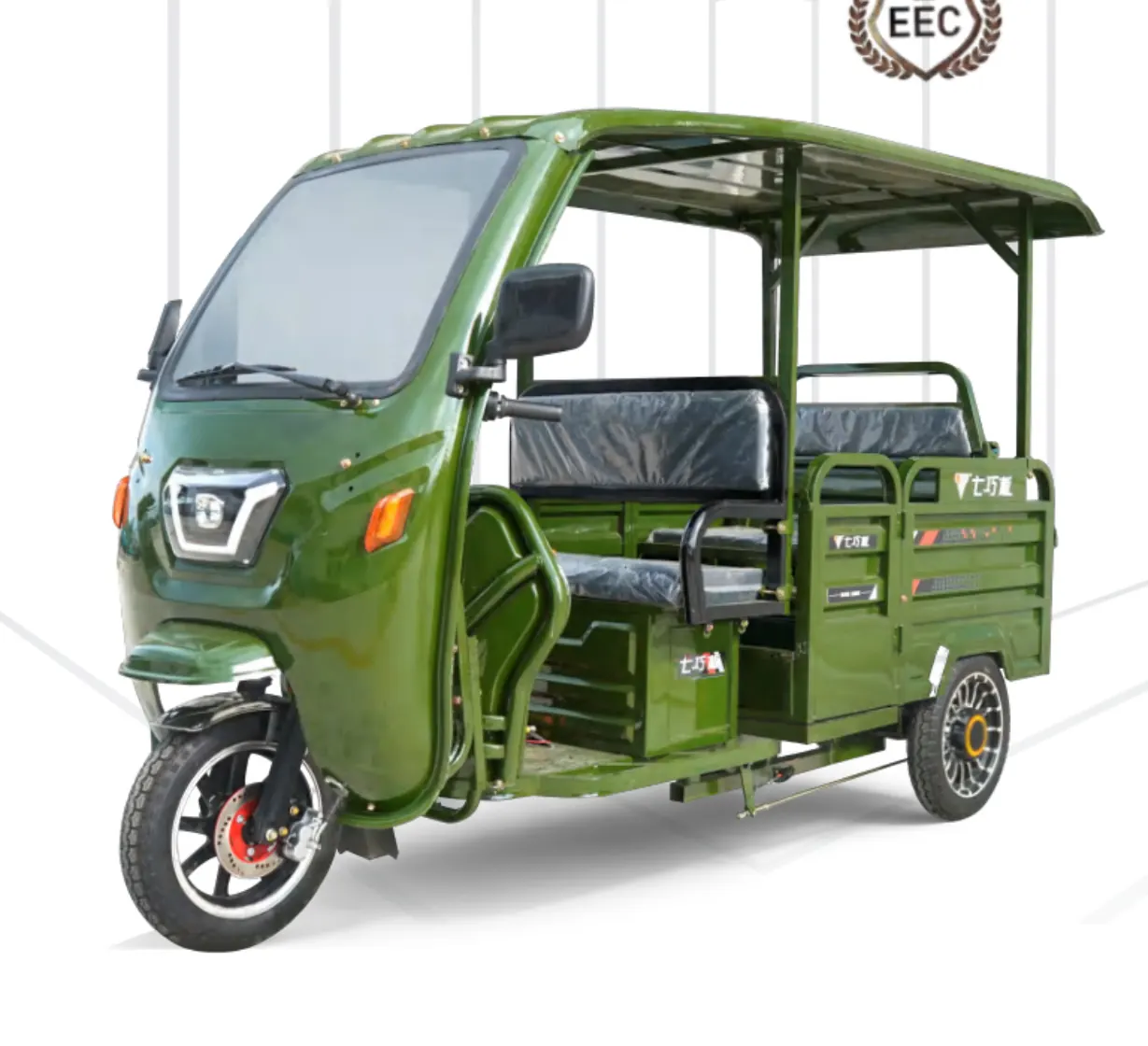
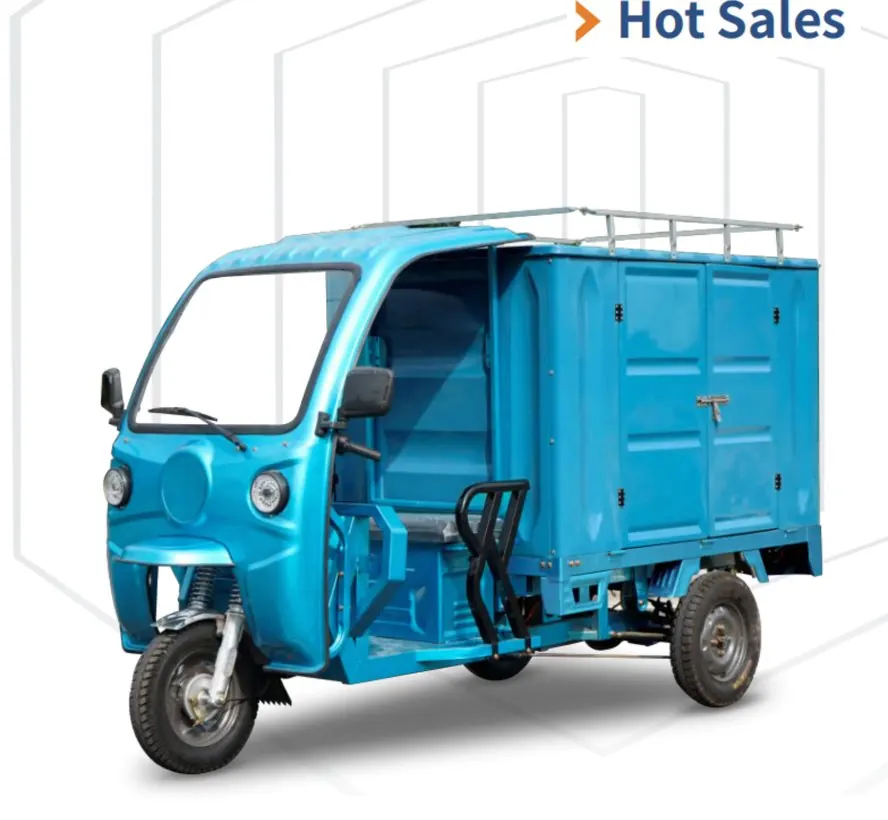
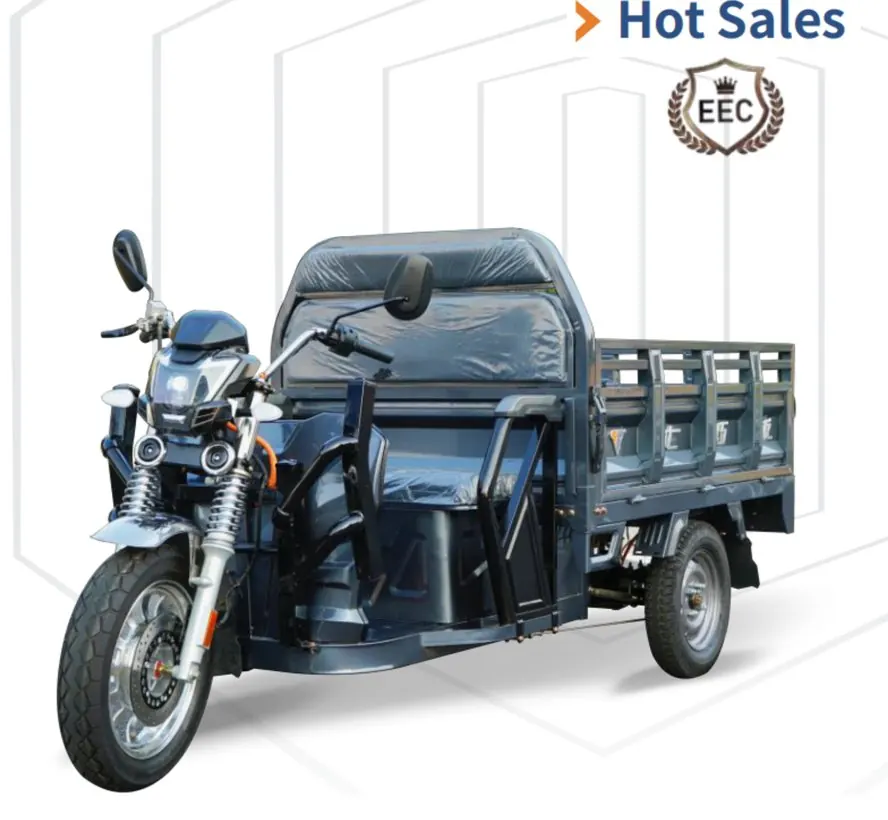
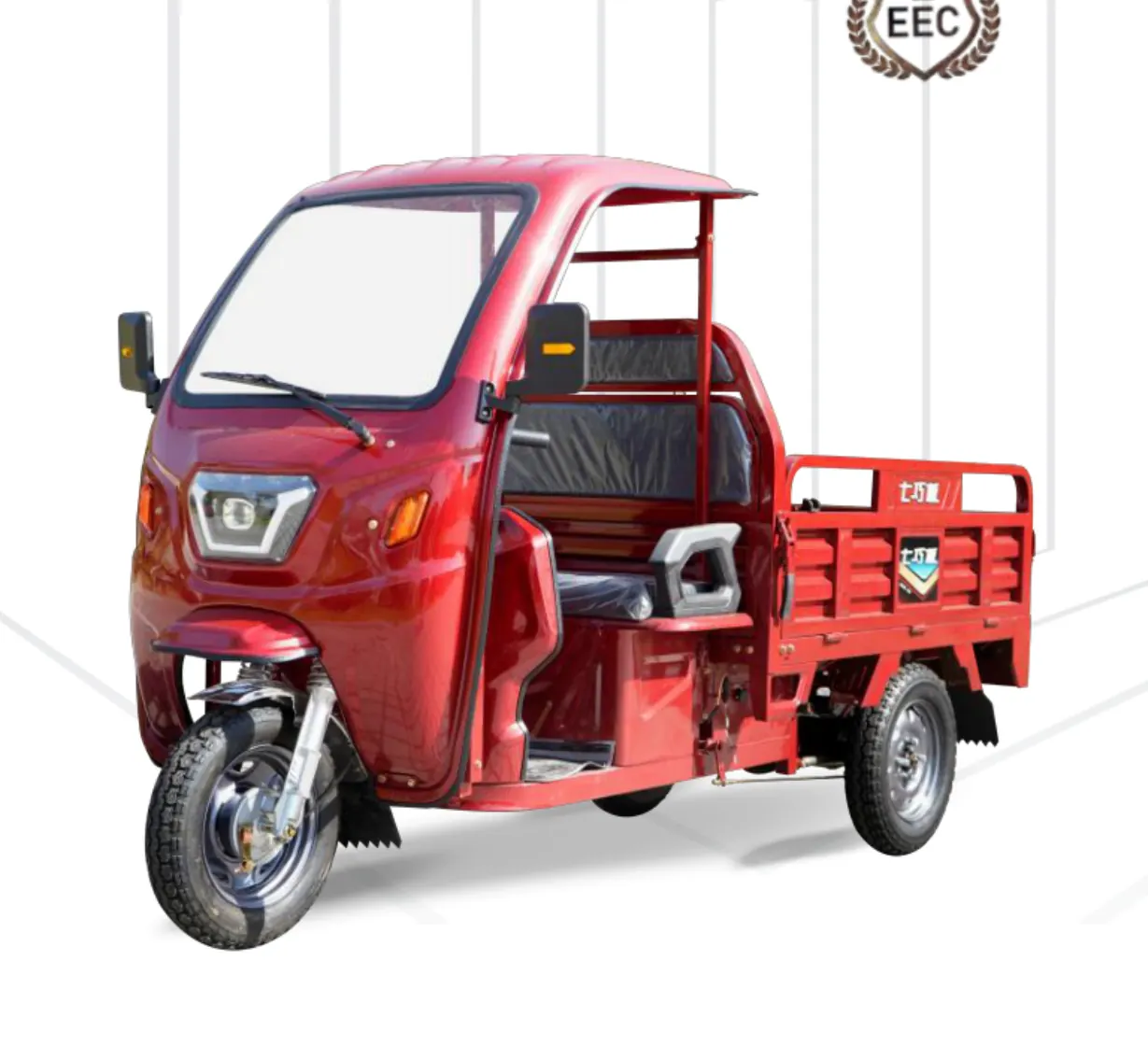
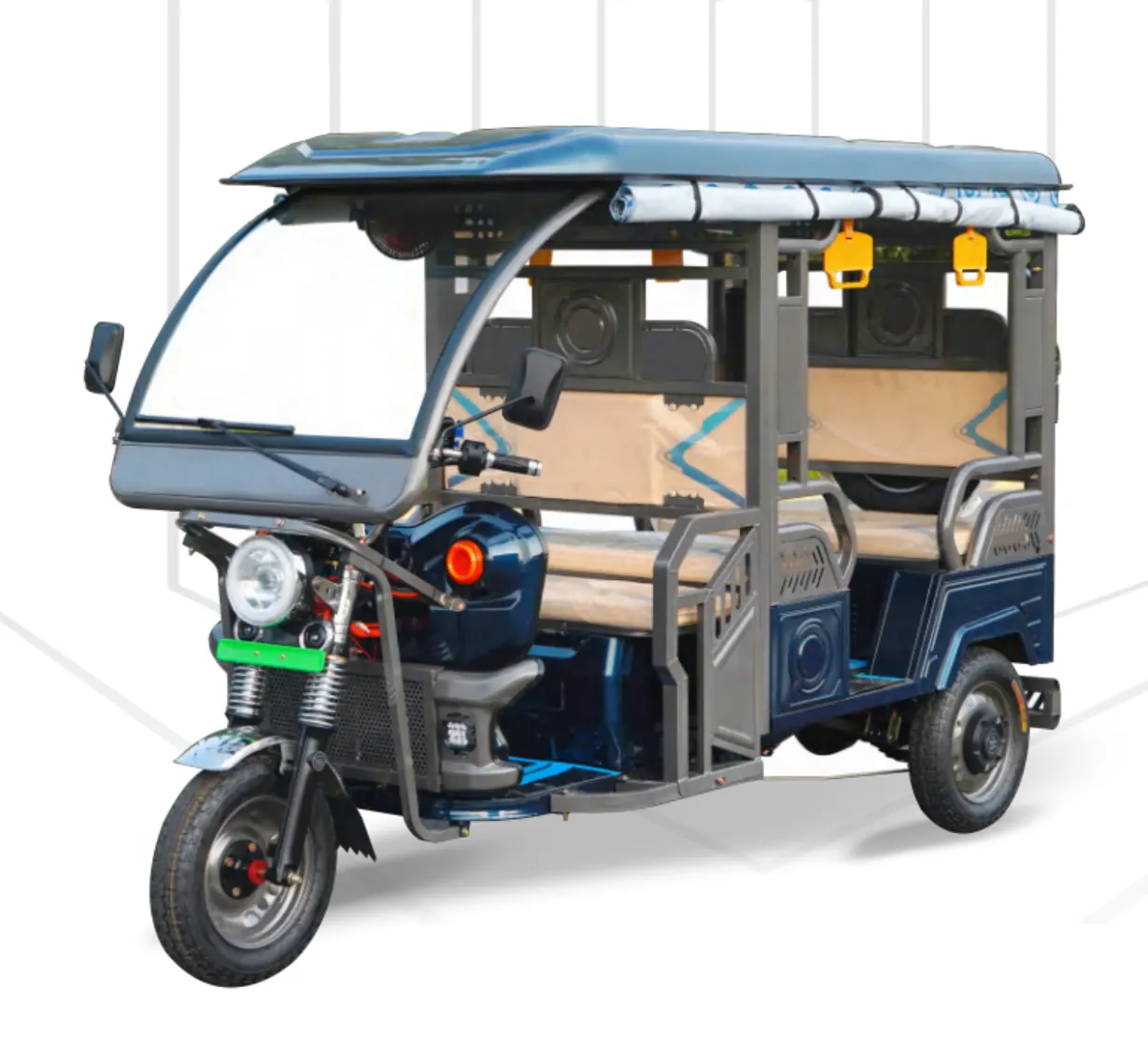
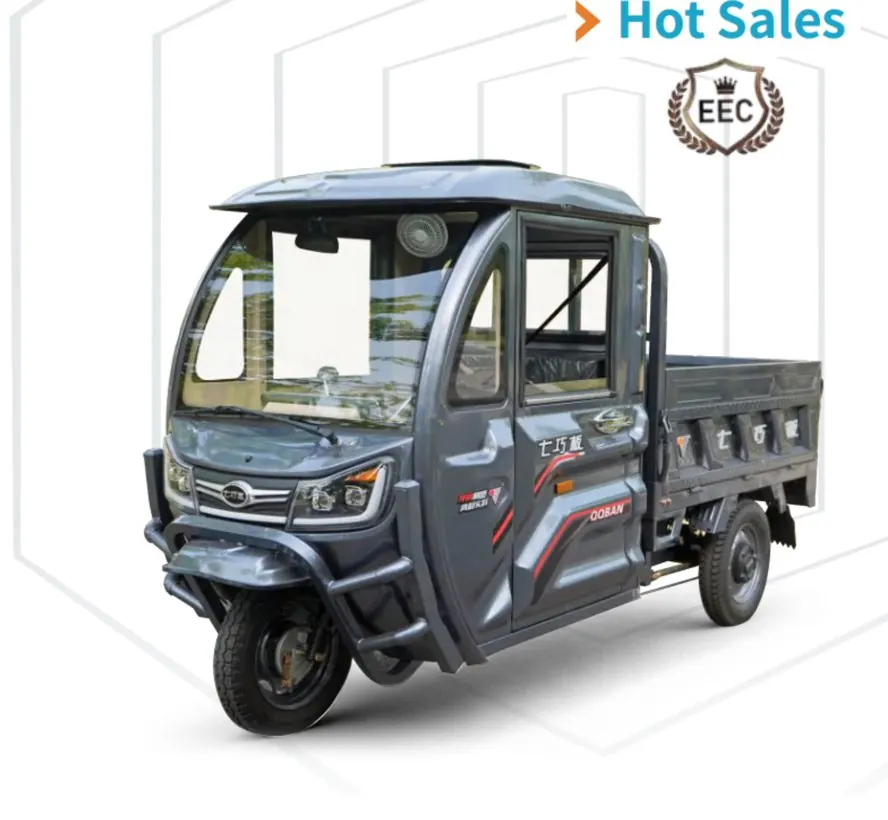
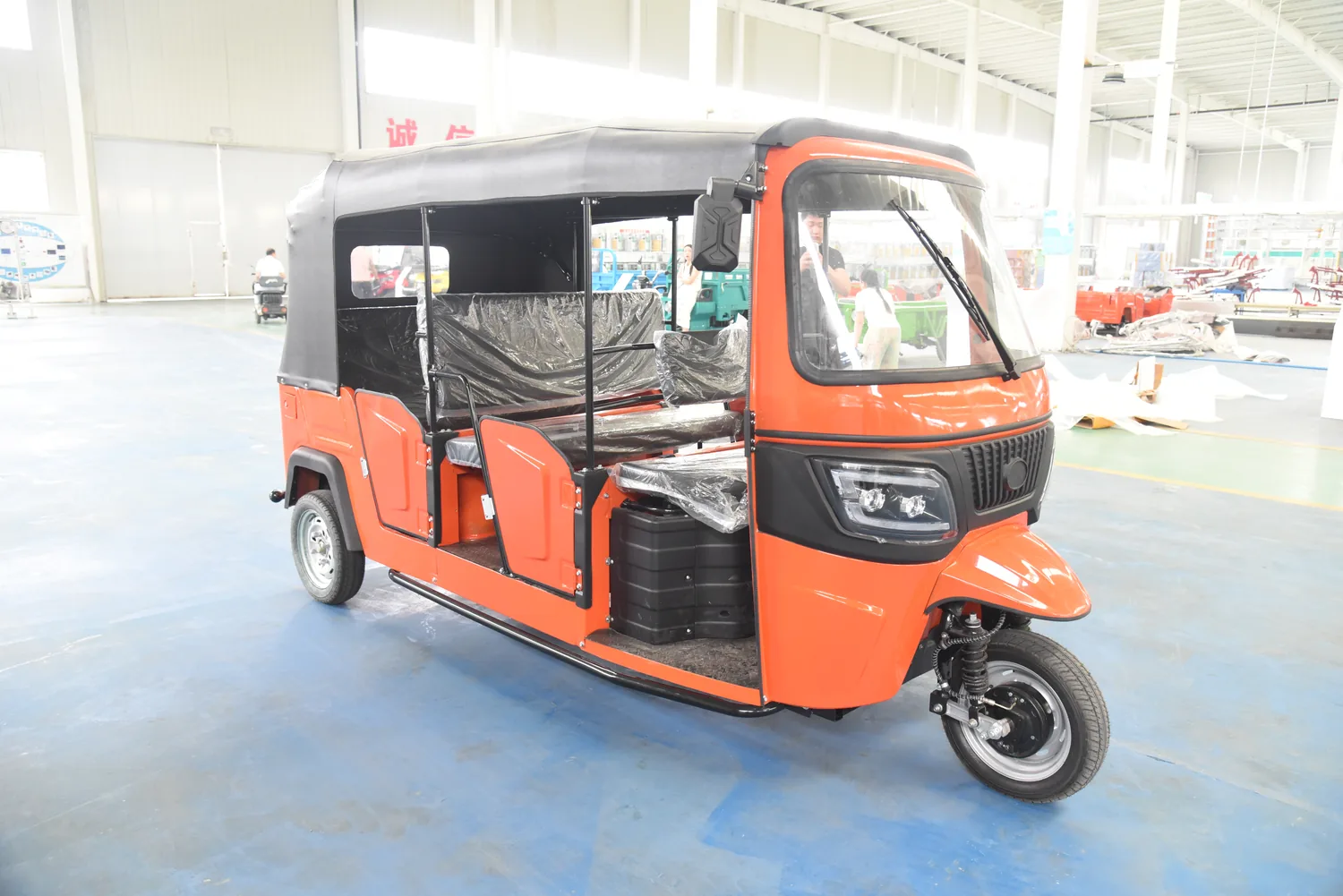
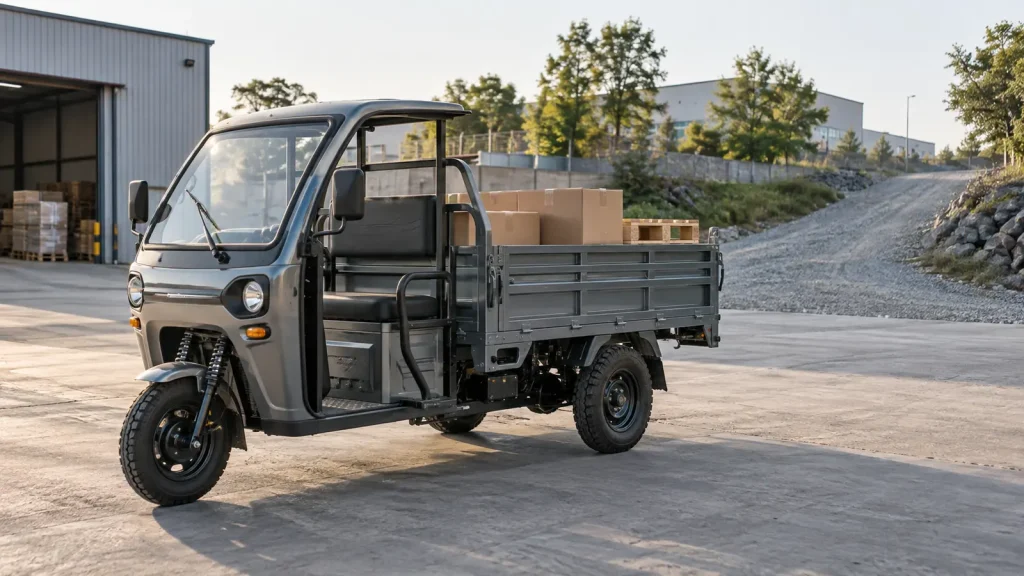
A cargo electric tricycle should be selected from the work cycle, not from one headline specification. Buyers need to define the actual cargo mass and volume, route distance, road grade, surface condition, stop frequency, operating hours, charging window, cargo-body requirement and destination-market rules before comparing models. These inputs interact: a route with repeated starts, steep […]
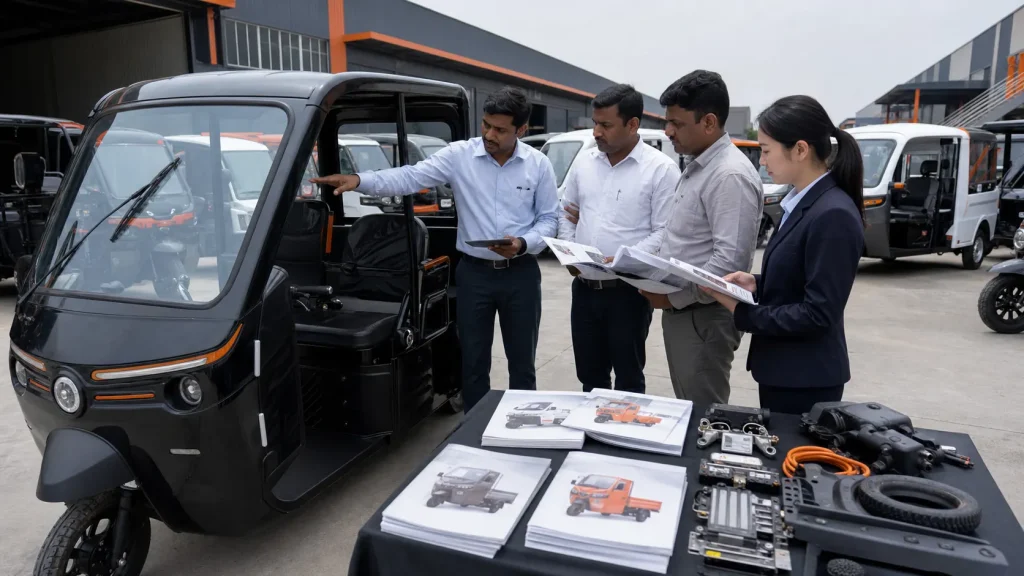
April 21, 2026 / Fengxian, Xuzhou
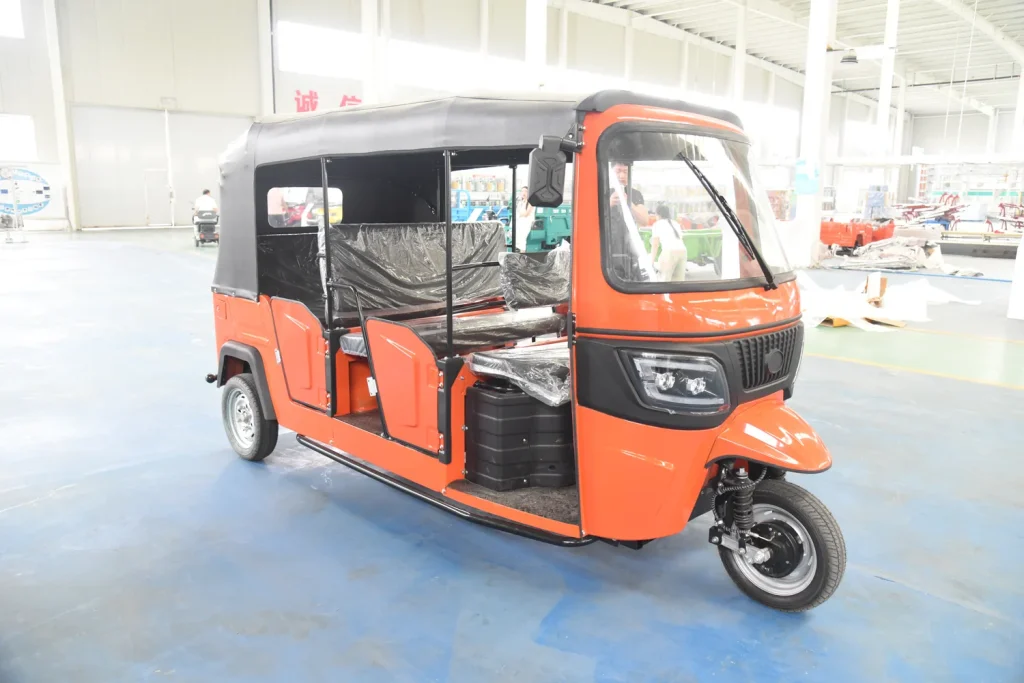
The feeling brought to me by the newly purchased manned electric tricycle
An electric tricycle, different answers from 120 countries
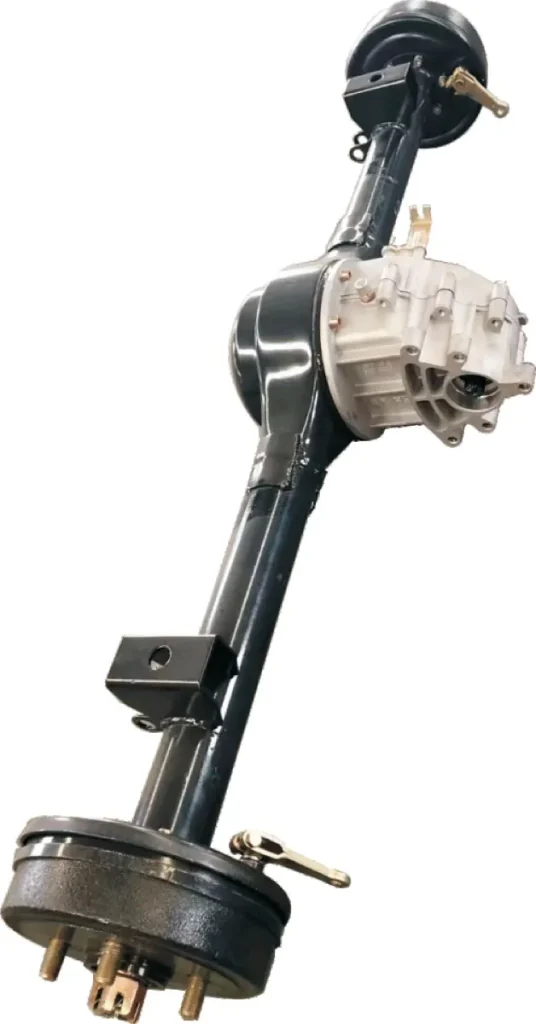
Compare load capacity, maintenance convenience, motor service and application fit before selecting a rear axle path.
Sometimes, but the layout usually favours one job. Cargo work needs a stable load area, tie-down or containment options, and easy loading, while passenger use needs safe access, seating, weather protection, and comfort. If the vehicle will do both, describe the normal load and the occasional use so the compromise is clear.
Confirm the intended route first: private land, controlled site use, or public roads. For public-road use, ask what documents, lighting, mirrors, braking equipment, charger details, and vehicle identification information can be supplied, then check the approval and registration route with a qualified local adviser before ordering.
Not always. A larger battery can extend working time, but it may add weight, cost, and charging time. The better buying question is how many hours or trips the tricycle must complete between charges, under what load, on what surfaces, and in what temperatures.
Range is not a fixed number in daily work. Payload, hills, stop-start driving, tyre condition, speed, weather, and driver behaviour can all change how far the tricycle travels on one charge. Ask for guidance based on your route and load rather than relying only on a headline range claim.
An open body is often simpler for loading bulky items, cleaning, and operating in sheltered sites. An enclosed body or cabin can protect goods, tools, passengers, or the driver from rain and wind, but it may add size, weight, and access constraints. Measure gates, storage space, loading bays, and turning areas before deciding.
Share the application, route type, daily distance, normal load or passenger count, gradients, storage space, charging location, and whether use is on private land or public roads. Photos or dimensions of narrow access points, loading areas, and parking spaces can also prevent a poor fit.
Send the intended use, typical load or passenger count, route type, daily distance, and whether the tricycle will operate on private land or public roads in the UK.