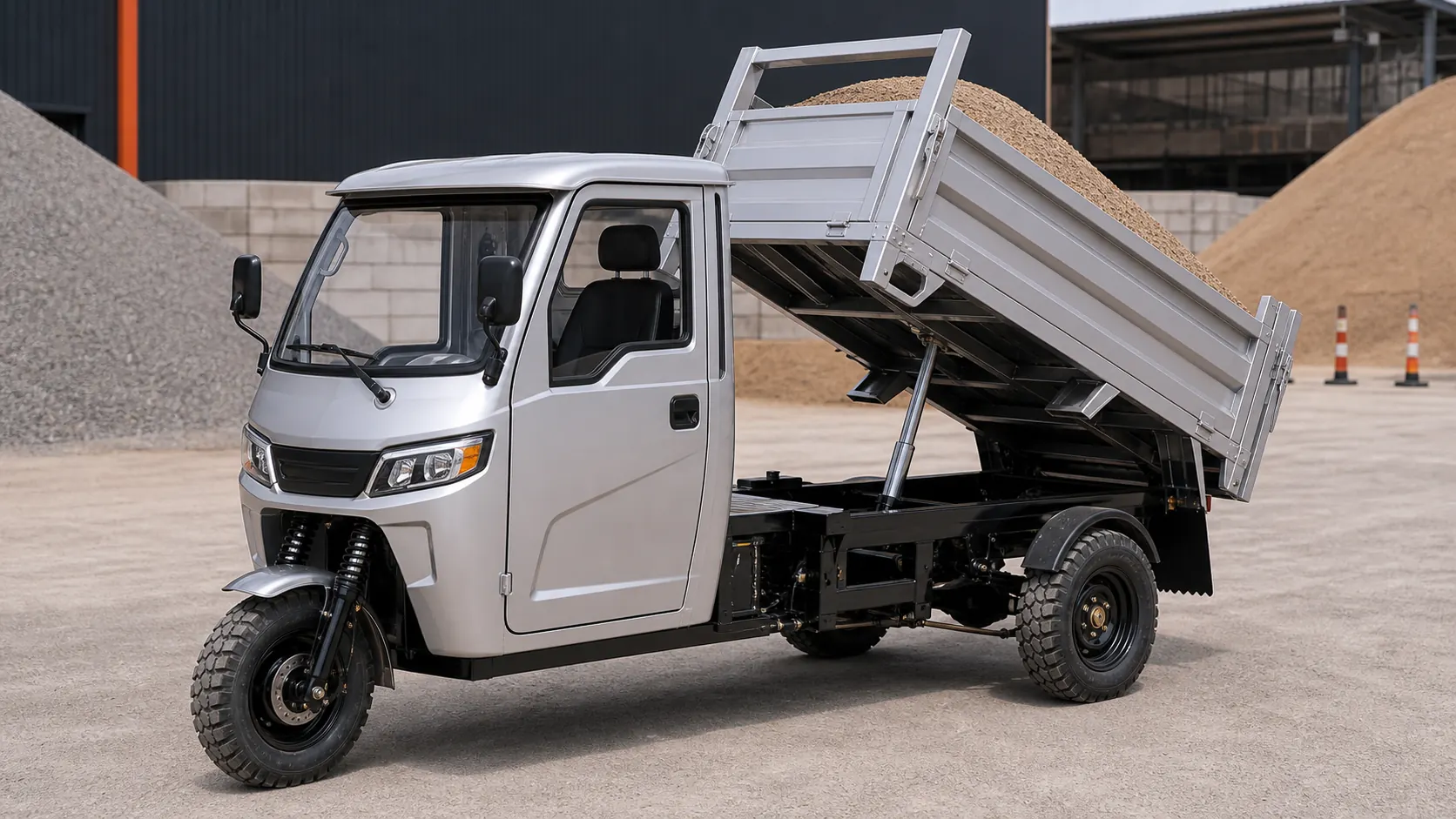
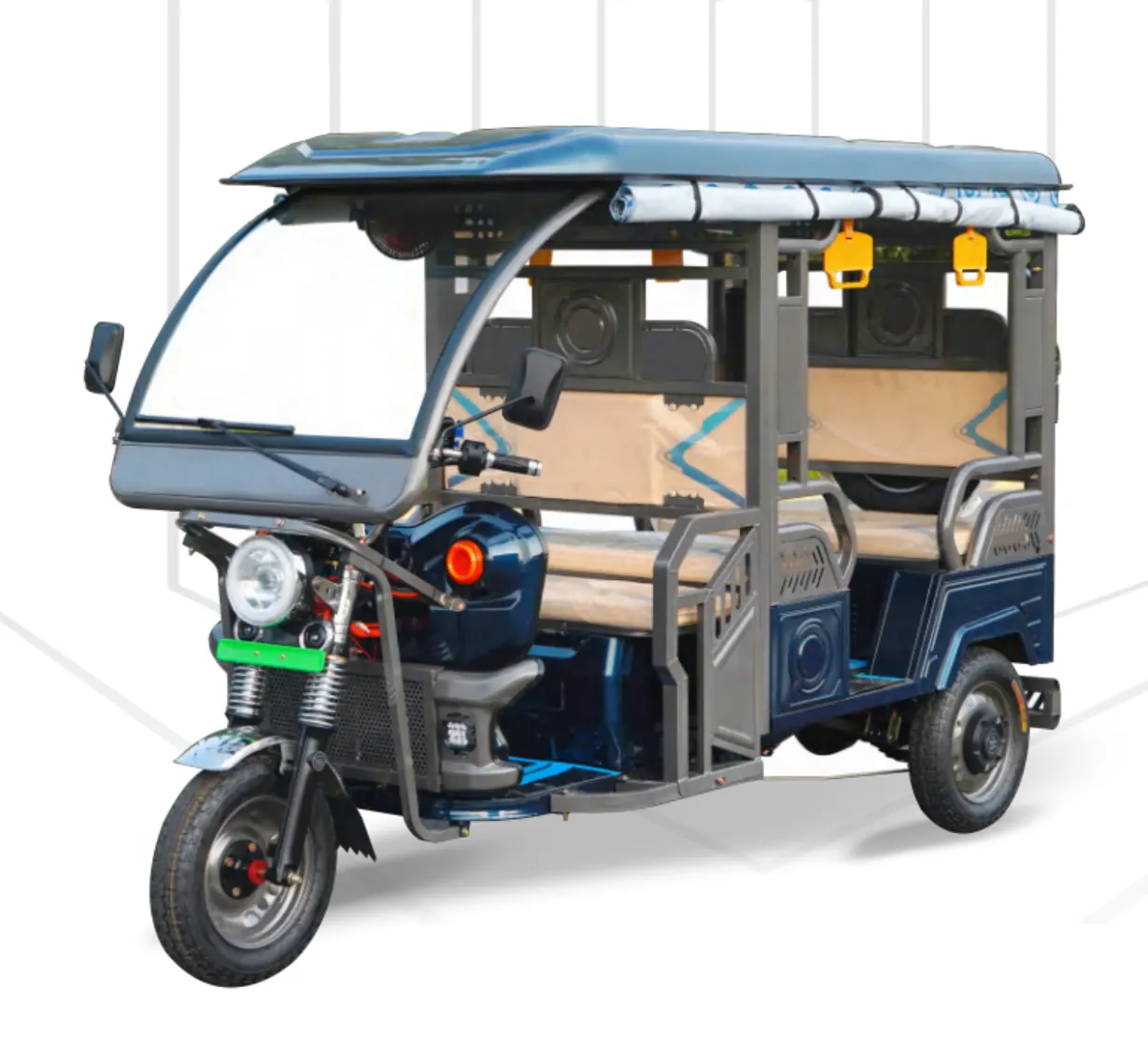
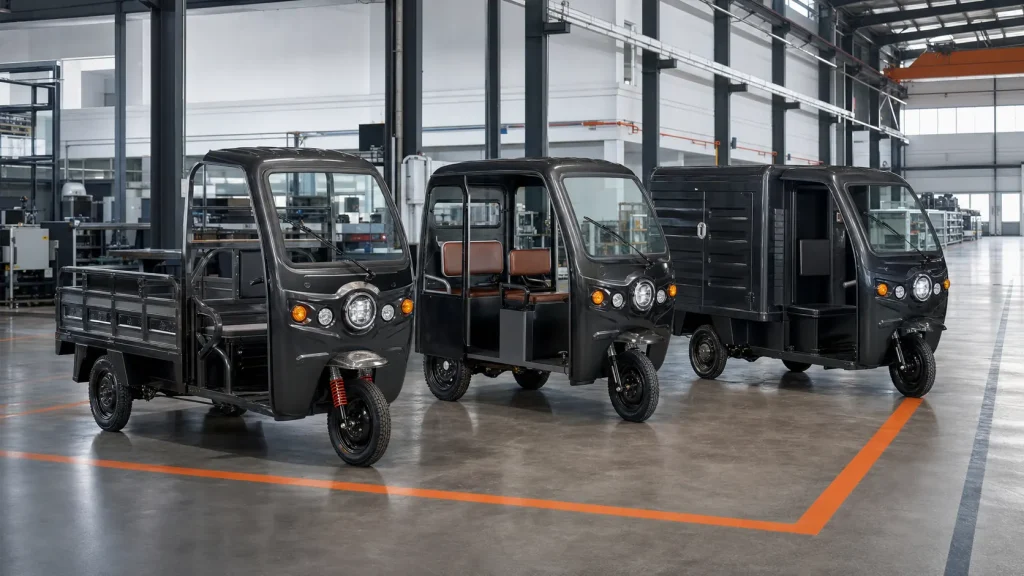
HPZ20 Cargo Electric Tricycle
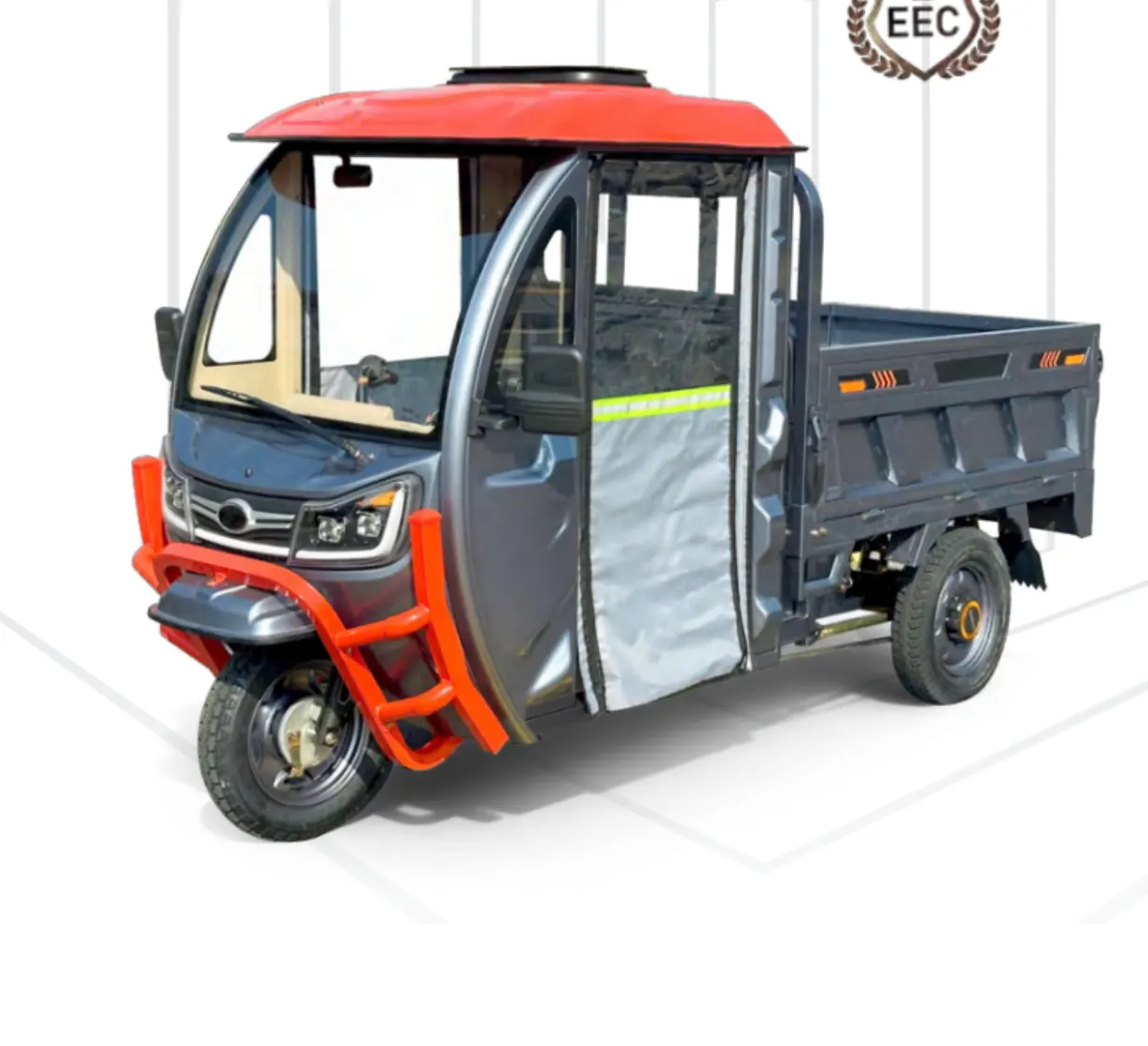
HPZ20 Cargo Electric Tricycle complete vehicle detail for export buyers, with market fit, configuration notes, RFQ preparation and optional matching parts support.
Read MoreElectric Vehicle Traction Control Selection Guide | Xuzhou LVHANG Vehicle Industry Co., Ltd.
Electric vehicle traction control matters most when a vehicle must pull away smoothly, climb ramps, carry changing loads, or keep grip on wet, loose, or uneven roads. For electric cargo tricycles and light utility EVs, the decision is not only whether traction control is present, but how the controller, motor, axle, tires, load weight, and route conditions work together.
A well-matched traction setup can reduce wheel spin, harsh starts, and driver corrections. A poorly matched setup may feel strong on paper but waste energy, overheat components, or make the vehicle harder to control under real delivery or passenger duty.
HPZ20 Cargo Electric Tricycle complete vehicle detail for export buyers, with market fit, configuration notes, RFQ preparation and optional matching parts support.
Read More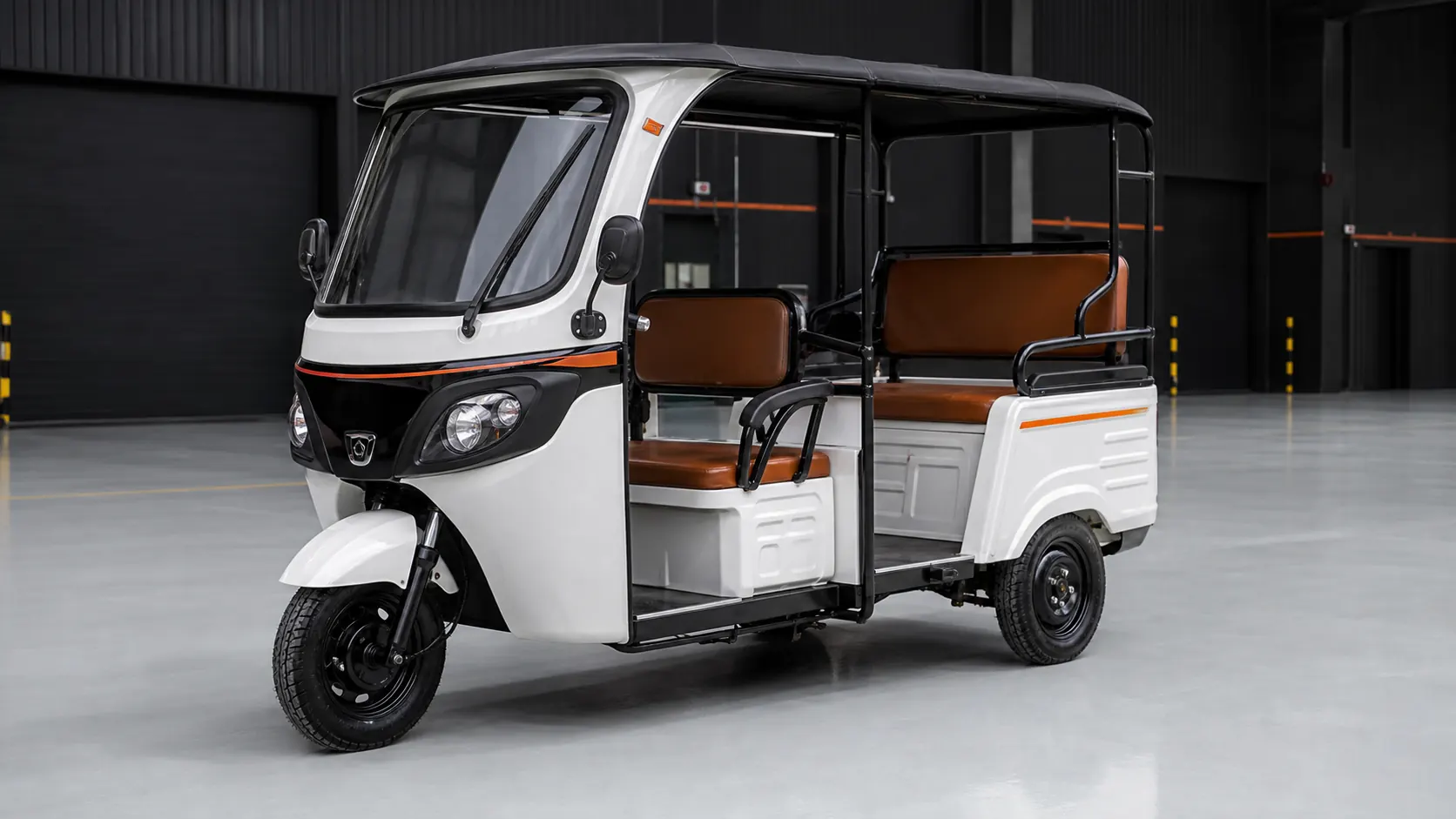
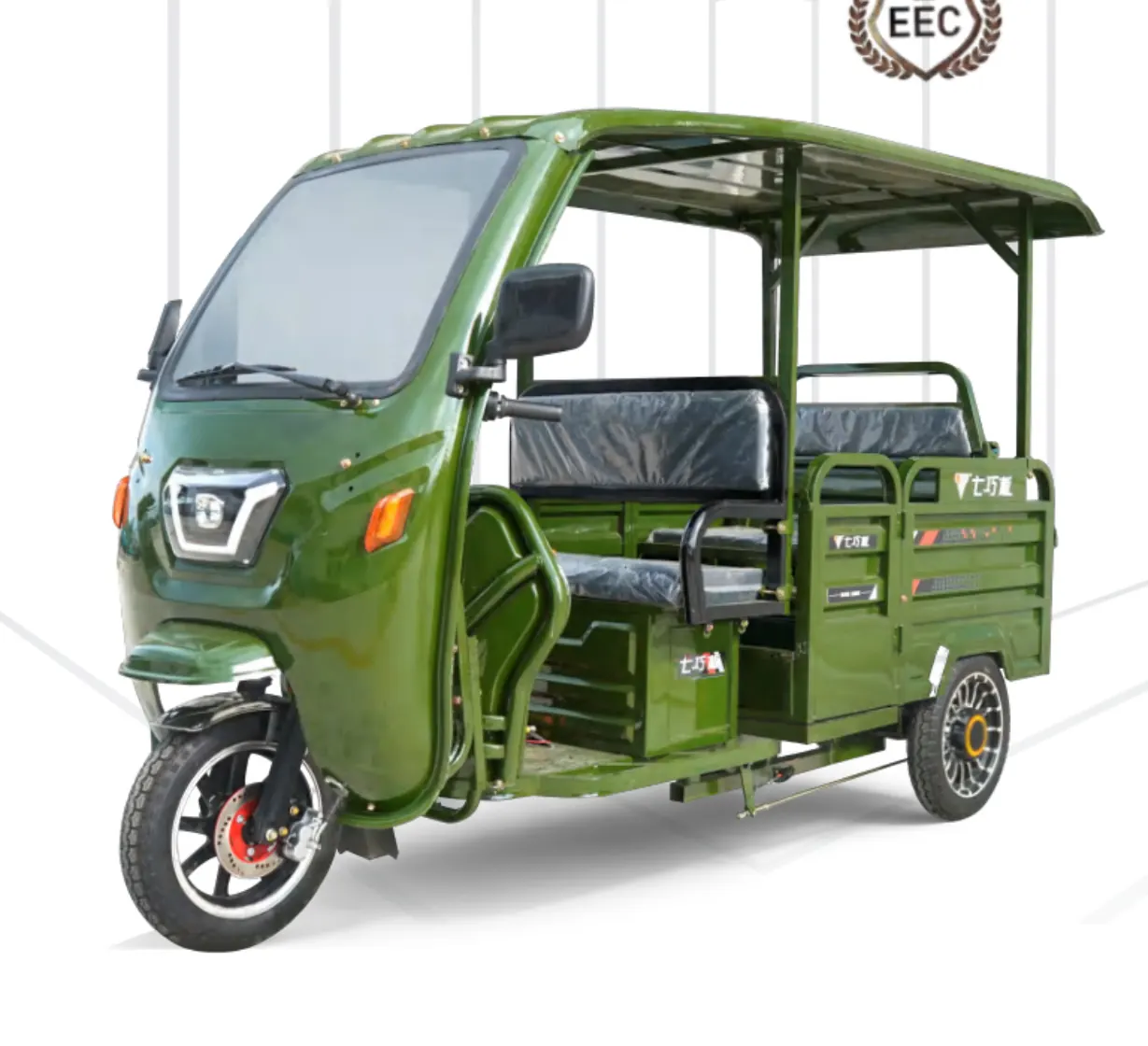
K01 Passenger Electric Tricycle complete vehicle detail for export buyers, with market fit, configuration notes, RFQ preparation and optional matching parts support.
Read More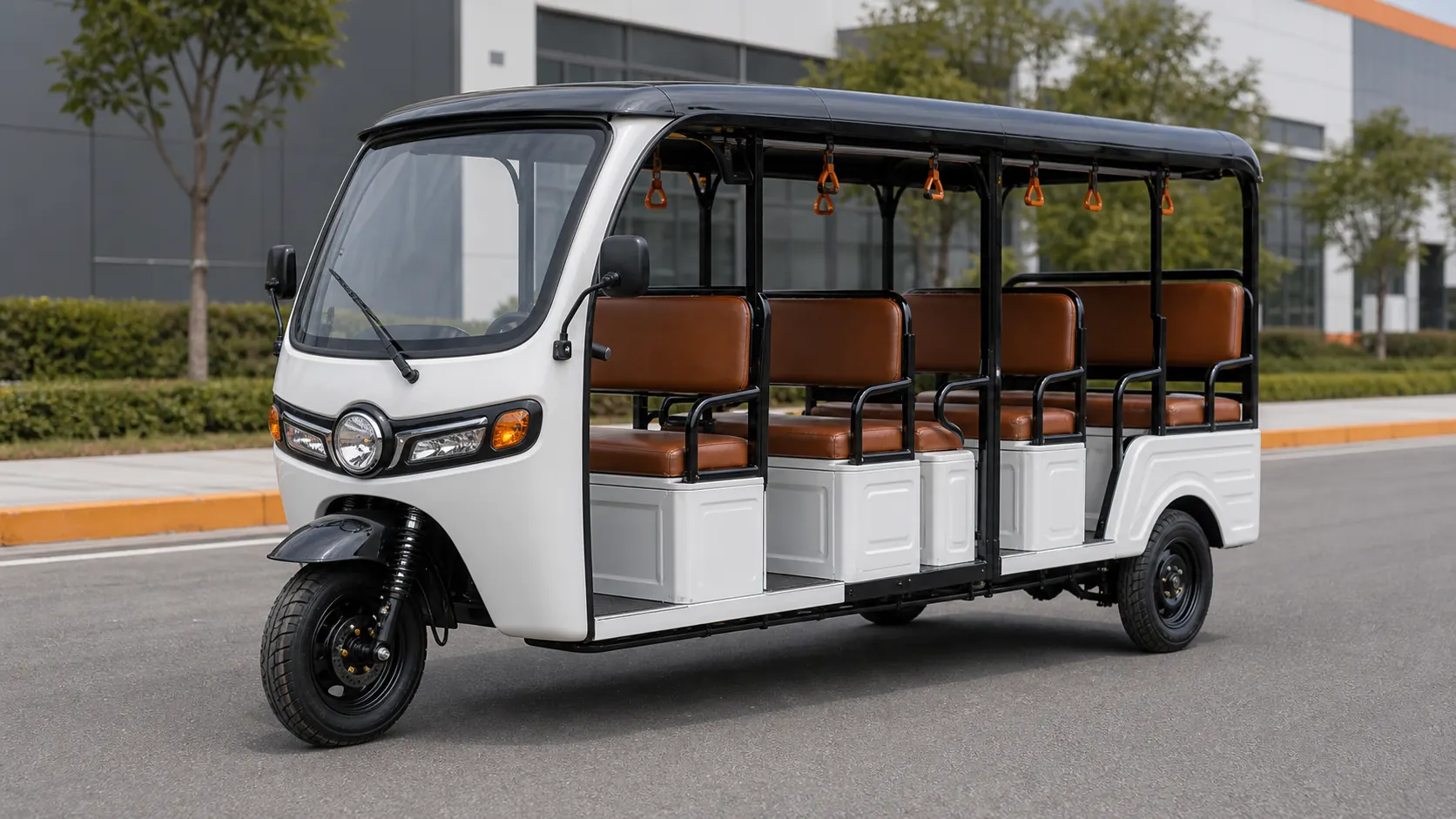
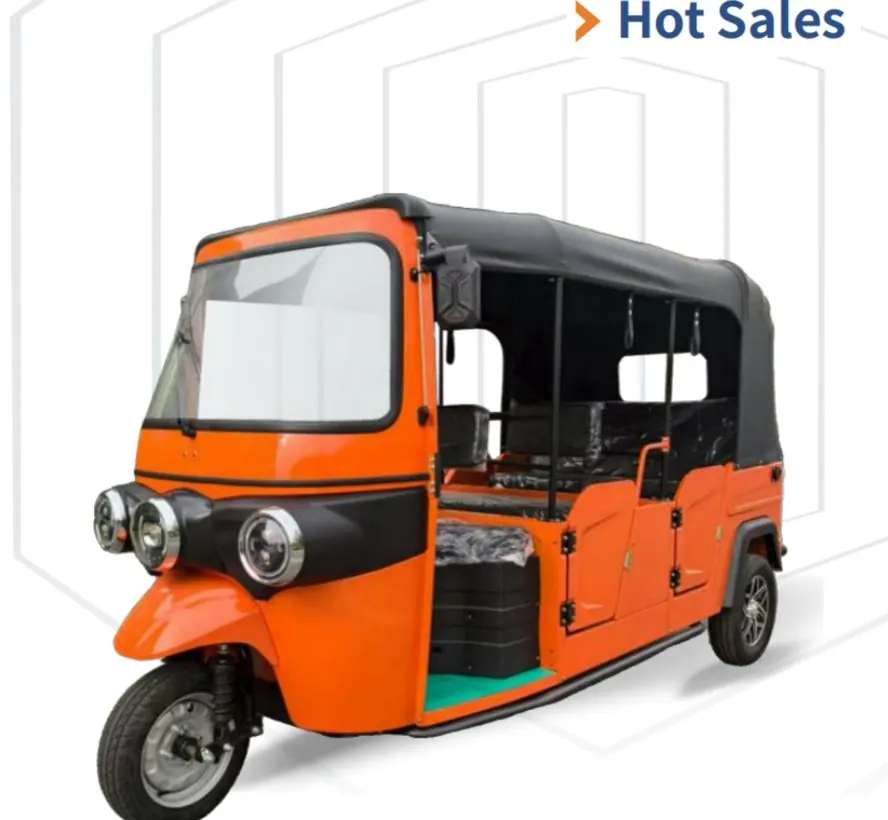
K03 Passenger Electric Tricycle complete vehicle detail for export buyers, with market fit, configuration notes, RFQ preparation and optional matching parts support.
Read More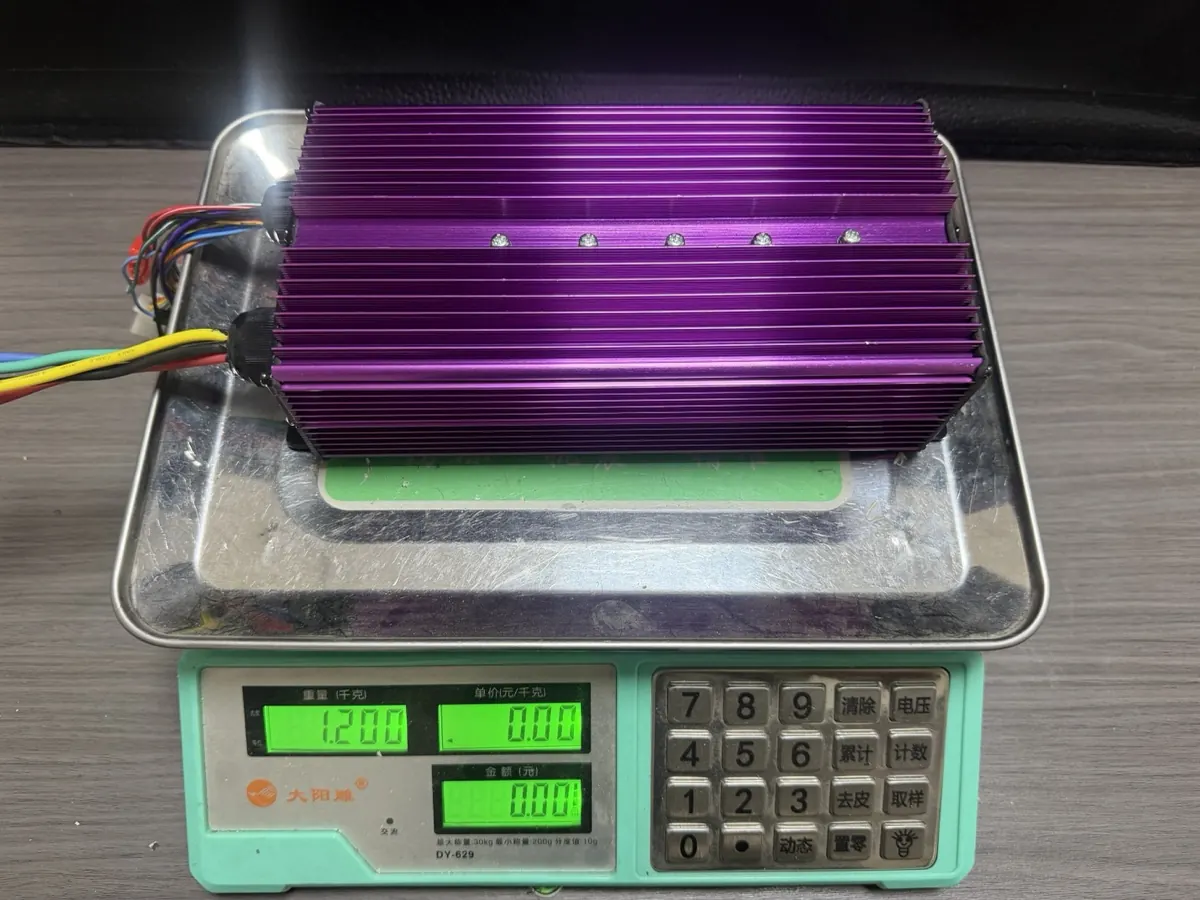
Rear-Handle Controller 1000W 27-12-6.5 product details for electric tricycle parts buyers, including specs, compatibility notes and RFQ information.
Read More
Rear-Handle Controller 1200W 30.5-13-7.5 product details for electric tricycle parts buyers, including specs, compatibility notes and RFQ information.
Read More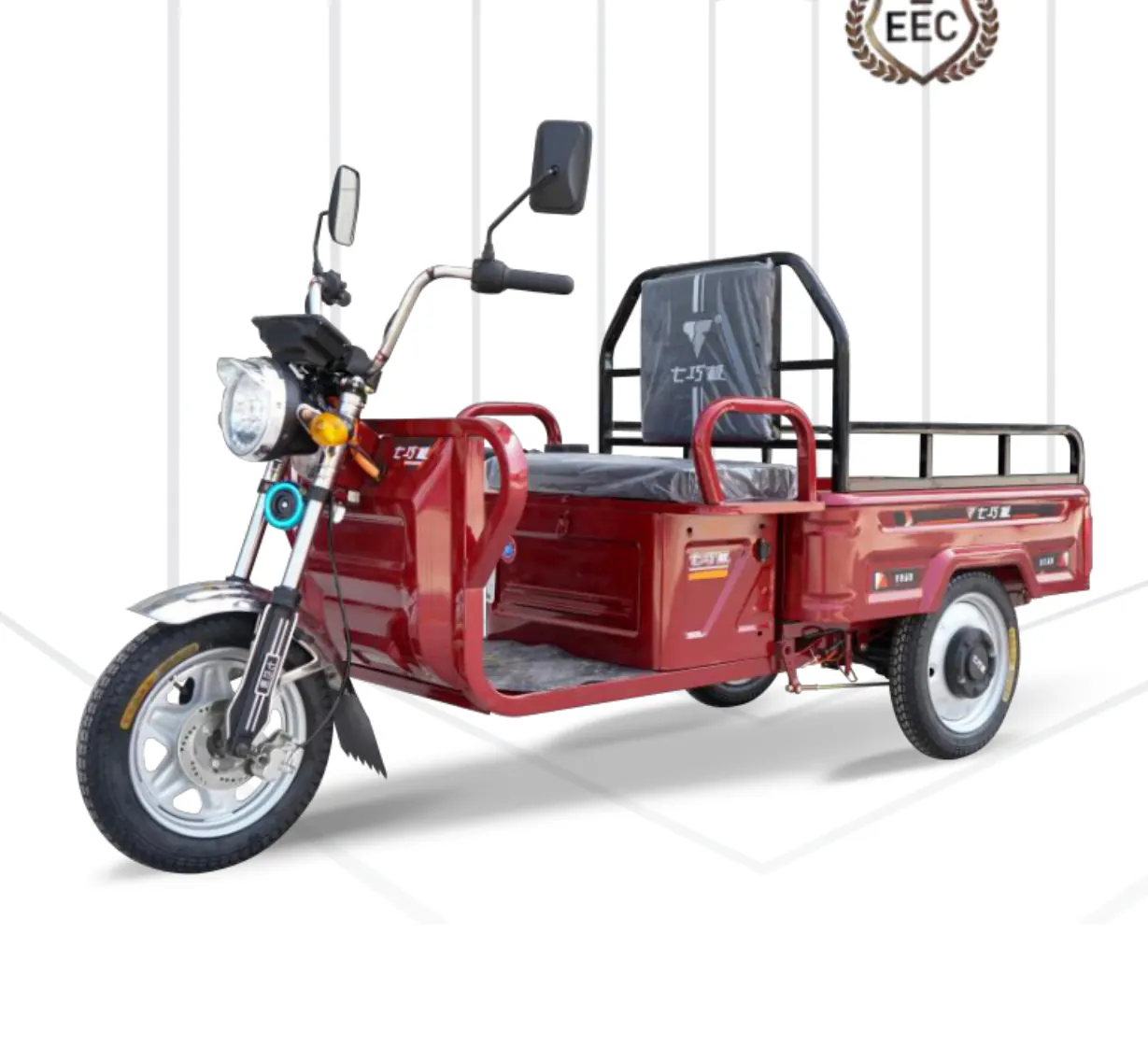
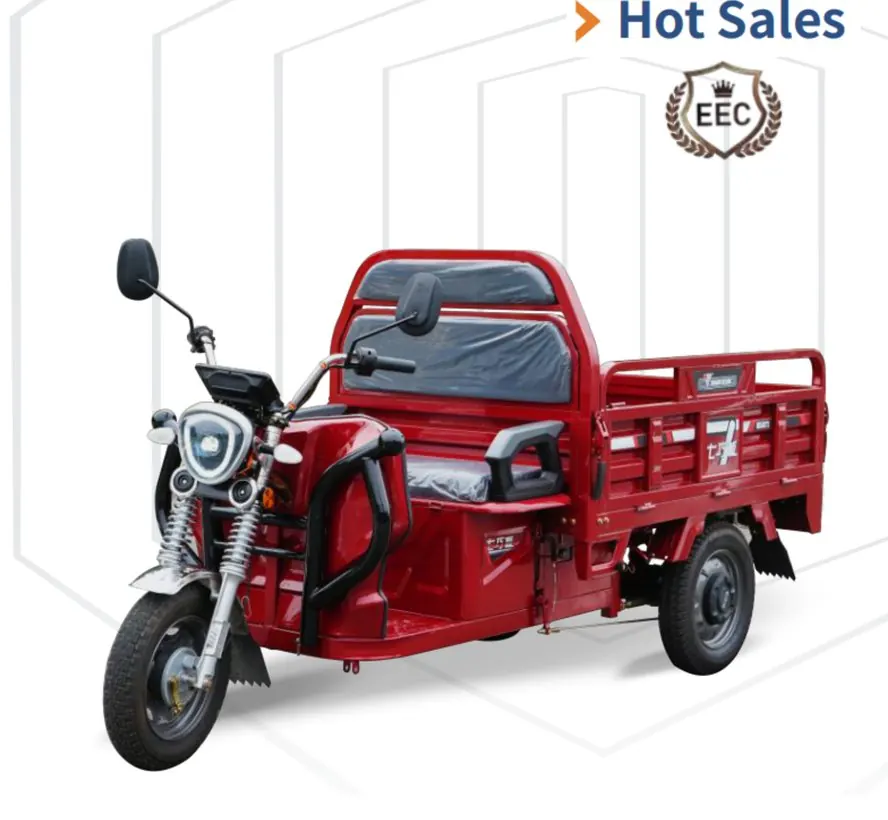
A compact cargo model for markets that need a lighter electric tricycle with practical mileage and a straightforward 60V power system.
Read MoreTraction control selection
Compare traction-related vehicle options by looking at controller compatibility, motor torque behavior, axle layout, tire choice, braking integration, battery output stability, and the expected load route. The right configuration should match how the vehicle is actually driven, not just the highest advertised motor rating.
| Criterion | What To Check | Why It Matters | Buyer Tip |
|---|---|---|---|
| Controller-to-motor matching | Confirm the controller model, motor type, rated voltage, current limits, and connector layout as a matched set. | Traction control depends on how accurately the controller can command motor torque. A mismatched controller can cause weak launch, jerky response, overheating, or fault codes under load. | Ask: which controller and motor combination is supplied for this vehicle, and has it been tested with the intended rear axle and load range? |
| Low-speed torque control | Ask how the system manages throttle input during start-up, hill starts, and slow maneuvering with cargo or passengers. | Many traction complaints happen below normal cruising speed. Smooth torque delivery helps reduce wheel spin, sudden lurching, and driver fatigue in stop-start routes. | Ask for a low-speed driving test description or video showing loaded start-up on flat ground and on an incline similar to your route. |
| Regenerative braking behavior | Verify whether regenerative braking is fitted, how strongly it engages, and whether it works with the mechanical brake system. | Regeneration can improve control on descents, but aggressive settings may feel abrupt or reduce stability on loose surfaces. The brake feel should suit the vehicle weight and route. | Ask: can regen strength be adjusted for our duty cycle, and how does it interact with the foot or hand brake? |
| Sensor and fault protection strategy | Confirm which inputs the controller monitors, such as throttle signal, motor hall sensors, brake cut-off, battery voltage, and temperature. | Traction control is only as reliable as the signals it receives. Fault detection can prevent unexpected acceleration, power loss, or damage when a sensor fails. | Ask for the fault-code list and what the vehicle does when a throttle, brake, motor sensor, or low-voltage fault occurs. |
| Tuning for load, road, and tire grip | Compare controller settings for empty running, rated load, wet roads, unpaved surfaces, and frequent slopes. | A setting that feels quick on a light vehicle may be too sharp for cargo duty. Softer launch, current limiting, and speed response can improve stability where grip changes often. | Ask: what traction-related parameters can be adjusted before delivery, and which settings are locked after shipment? |
The practical distinction is between simple torque limiting and a more coordinated traction control strategy. Basic torque limiting reduces motor output when the system detects slip or when the driver applies throttle sharply. A more integrated setup may also consider motor feedback, controller settings, speed signals, battery output, braking behavior, and axle characteristics.
That difference matters because traction problems often appear only under load: starting uphill, turning on a slippery surface, or accelerating with cargo over the rear axle. Buyers should confirm how the traction behavior is tuned for the intended vehicle type rather than judging the system by motor power alone.
Start with the duty cycle. A passenger tricycle running on paved town roads needs different throttle response from a cargo electric tricycle that starts frequently with heavy goods. Smooth low-speed control is usually more valuable than aggressive launch torque, especially where drivers work in crowded streets, markets, or warehouse areas.
Check the controller, motor, and rear axle as a matched set. Traction control depends on how quickly the controller can manage torque and how the drivetrain transfers it to the ground. If these parts are selected separately, the vehicle may suffer from jerky starts, weak hill performance, or excess stress on the axle and tires.
Do not treat higher power as an automatic upgrade. More torque can help on slopes, but it can also increase wheel spin, battery draw, heat, and tire wear if the vehicle lacks suitable control logic and load distribution. Tire type, rear axle design, suspension, and cargo placement can change the result as much as the electronic control settings.
For an inquiry, prepare the vehicle type, expected load, road surface, slope conditions, operating speed range, battery system, motor/controller preference if already chosen, and any complaint you are trying to solve, such as slipping starts or unstable acceleration. Xuzhou LVHANG Vehicle Industry Co., Ltd. can then discuss which technical details need confirmation before recommending a suitable configuration.
| Criteria | Importance | Description | Example Options |
|---|---|---|---|
| Controller behavior | Often the main factor in how the vehicle feels | The controller decides how quickly torque is applied and reduced. Smooth mapping can improve starts under load, while abrupt throttle response can cause wheel spin or jerky movement. | A delivery tricycle that stops frequently may need gentle initial torque rather than a sharp launch setting. |
| Motor and axle matching | Critical for pulling ability and component stress | The motor, axle ratio, and load requirement must work together. A mismatch can create weak hill starts, overheating, or excessive torque shock even if each part looks acceptable on its own. | A vehicle used on ramps may need the drivetrain checked for low-speed pulling, not only rated motor power. |
| Tire grip and road surface | High impact in wet, loose, or uneven conditions | Electronic control cannot replace poor mechanical grip. Tire type, tread condition, ground contact, and road surface all affect whether torque reaches the road cleanly. | A vehicle operating on wet market roads may need different tire and control priorities from one used on dry factory pavement. |
| Payload and weight distribution | Important because traction changes with real loading | The same vehicle can behave differently when empty, half-loaded, or fully loaded. Cargo position affects tire loading and the chance of slip during starting or turning. | Rear-heavy cargo may improve drive-wheel grip in some conditions but can also affect steering feel and braking balance. |
| Power versus control | A common trade-off in vehicle selection | Higher power can help with slopes and heavy duty, but it should be paired with suitable torque management. Too much uncontrolled torque can waste energy, increase wear, and reduce driver confidence. | A buyer comparing two configurations should ask how each one starts with load, not only which one has the higher motor rating. |
Related Options
For cargo delivery, passenger transport, or site utility work, the strongest choice is usually the vehicle setup that starts smoothly with load and stays predictable on the buyer’s normal roads. A traction control discussion should focus on the route, driver behavior, cargo position, and drivetrain match before narrowing the final vehicle specification.
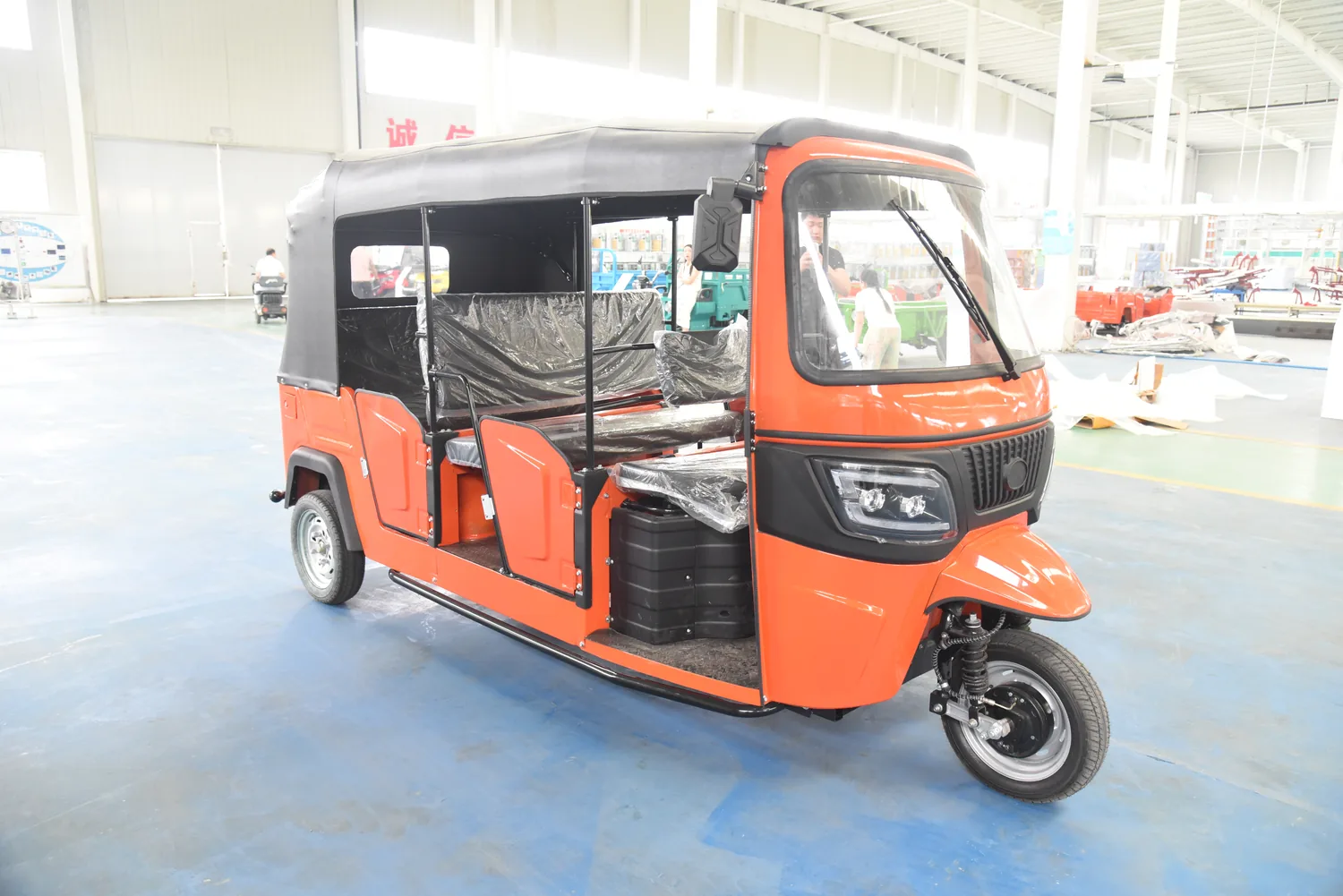
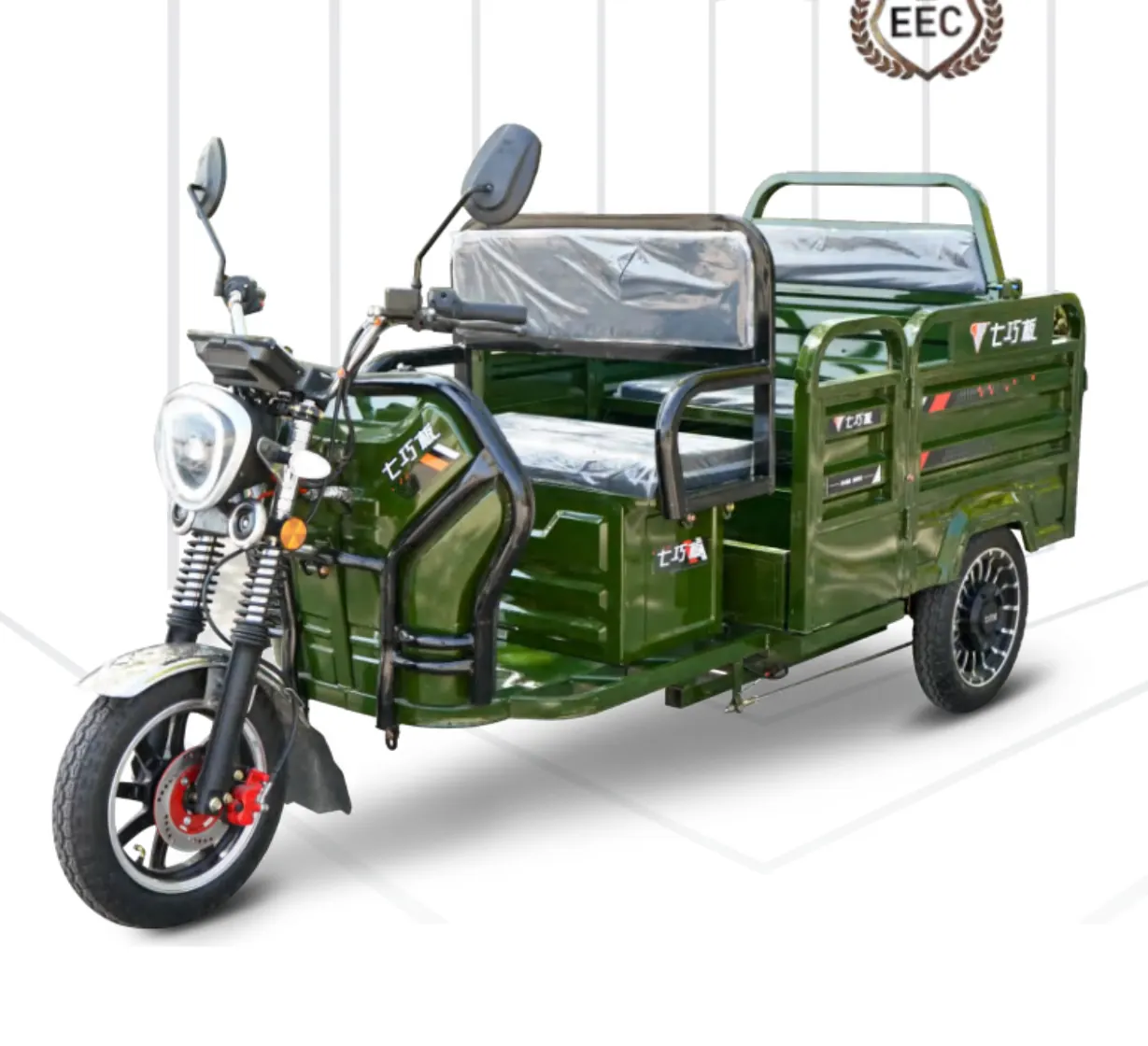
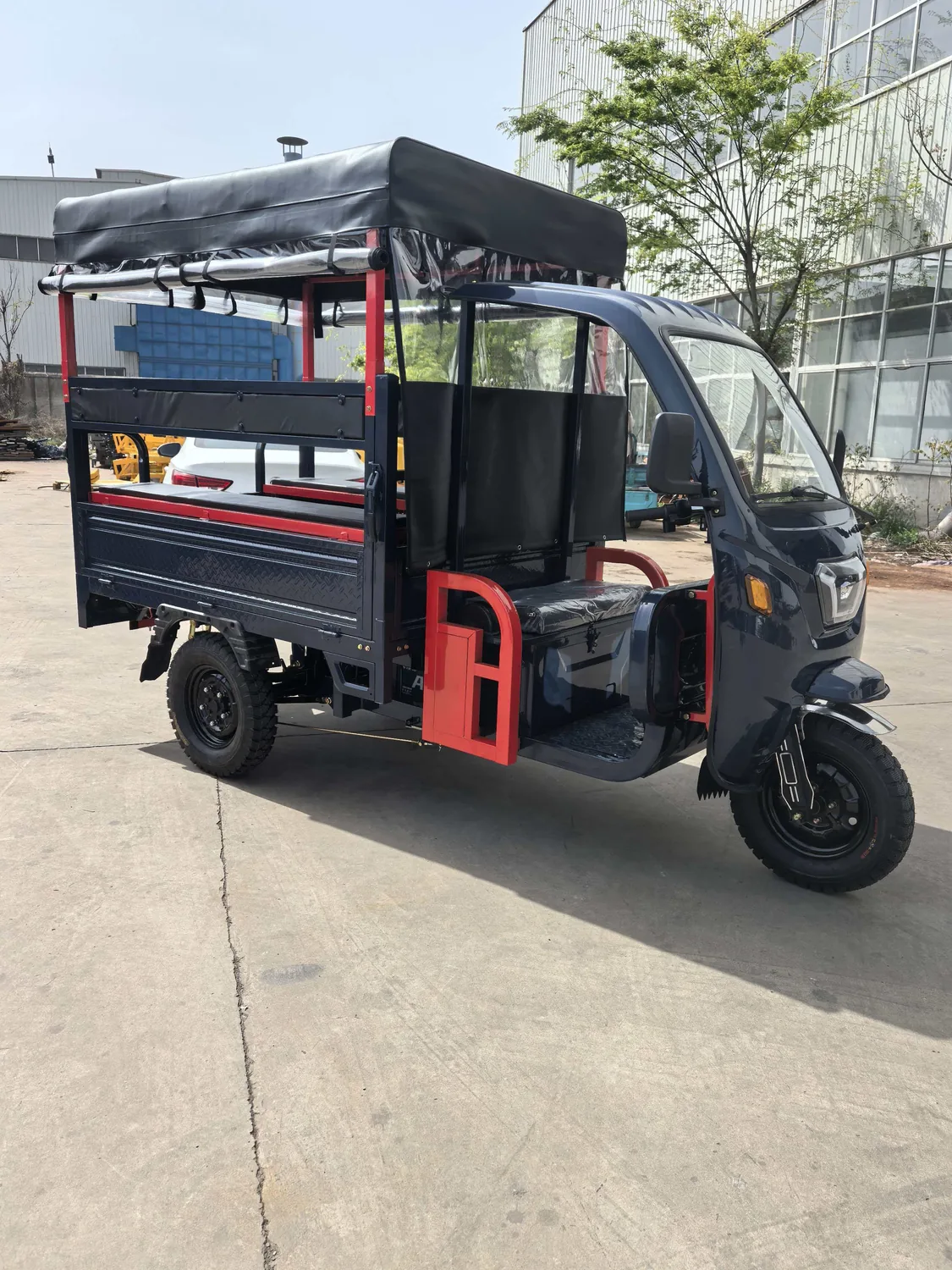
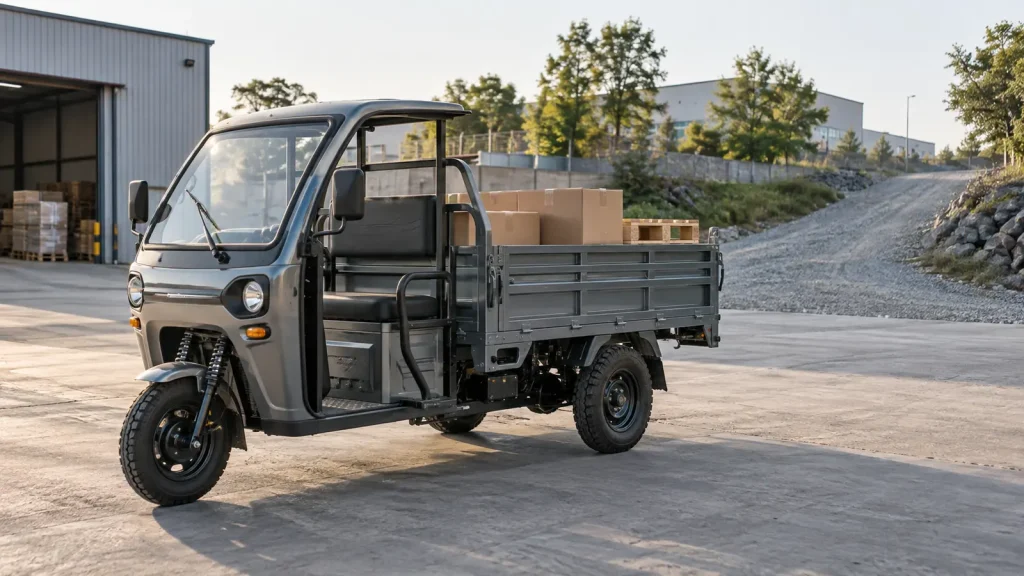
A cargo electric tricycle should be selected from the work cycle, not from one headline specification. Buyers need to define the actual cargo mass and volume, route distance, road grade, surface condition, stop frequency, operating hours, charging window, cargo-body requirement and destination-market rules before comparing models. These inputs interact: a route with repeated starts, steep […]

Voltage, wattage, connectors and mounting points decide whether similar-looking parts will actually work in the vehicle.
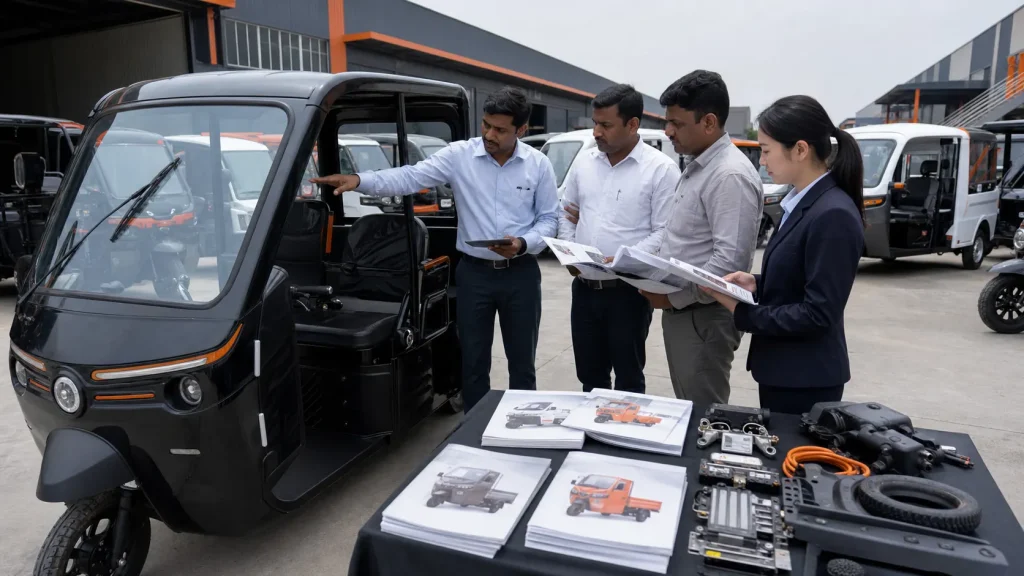
April 21, 2026 / Fengxian, Xuzhou
Why are more and more young people preferring to buy electric unicycles now?
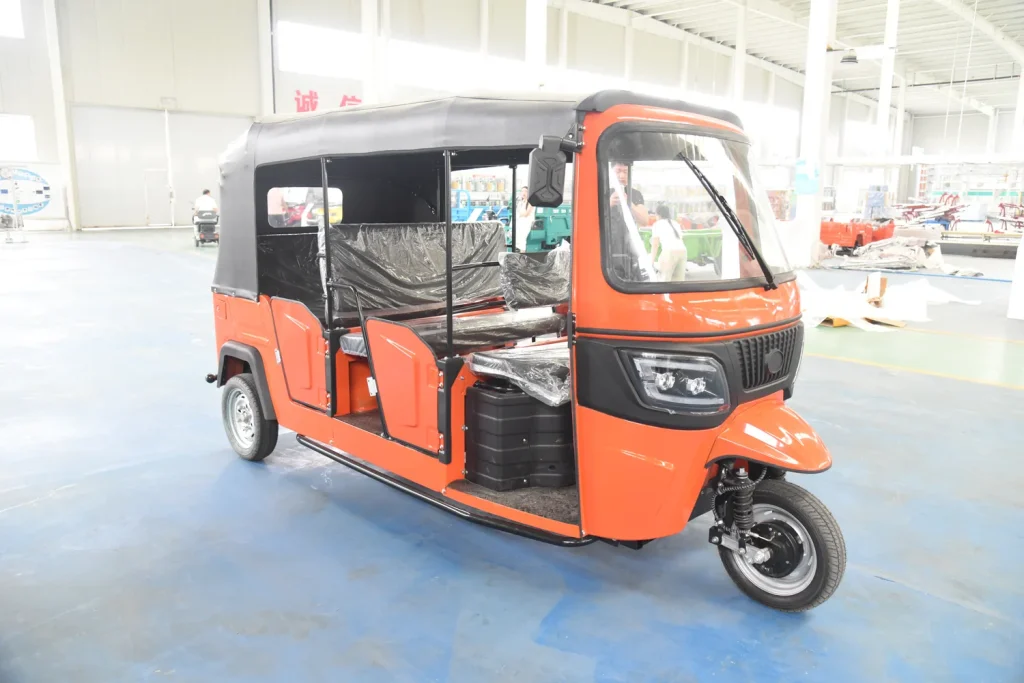
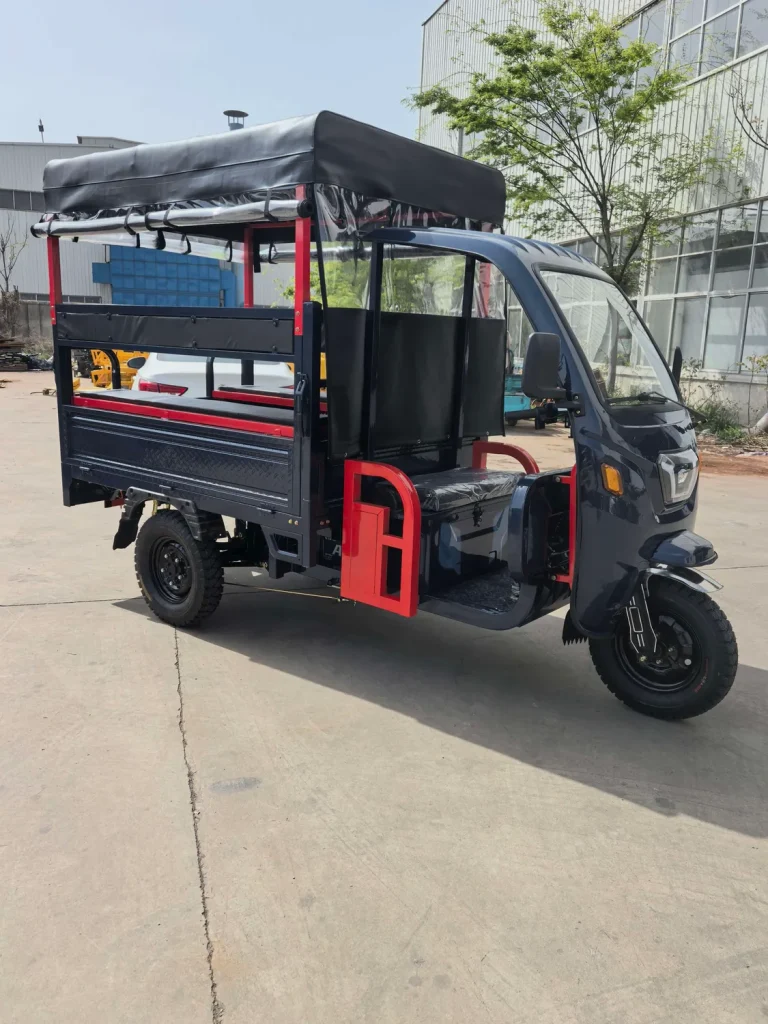
The feeling brought to me by the newly purchased manned electric tricycle
Not always. On flat, dry, paved routes with light loads, smooth controller tuning and suitable tires may be enough. It becomes more important when the vehicle starts under load, climbs ramps, runs on wet roads, or operates where sudden wheel spin can affect safety and tire life.
A larger motor may improve pulling ability, but it can also make slipping worse if torque is delivered too sharply. The controller settings, axle ratio, tire grip, battery output, and load position usually decide whether extra motor power is useful or difficult to control.
Speed control mainly limits vehicle speed or manages acceleration response. Traction control focuses on how power reaches the road when the tire begins to lose grip, especially during starting, turning, or climbing. A vehicle can have a speed limiter but still feel unstable if torque delivery is not matched to the route and load.
Share the vehicle type, normal payload or passenger use, road surface, slope conditions, stop-start frequency, and expected speed range. If parts are already selected, include the motor, controller, battery, tire, and rear axle details so the drivetrain can be checked as a system.
For many cargo applications, smoother low-speed response is more useful than aggressive launch torque. It helps drivers start predictably with a load, reduces wheel spin, and can lower stress on the drivetrain. Stronger torque still matters on slopes, but it should be controlled rather than abrupt.
Send the vehicle type, typical load or passenger use, and road conditions such as slopes, wet surfaces, loose ground, or frequent stop-start driving. If available, include the motor, controller, battery, and rear axle details you want to use.