News & Insights
Practical guides and updates for tricycle parts and vehicle buyers.

Adult Electric Tricycles: Understanding Types and Uses
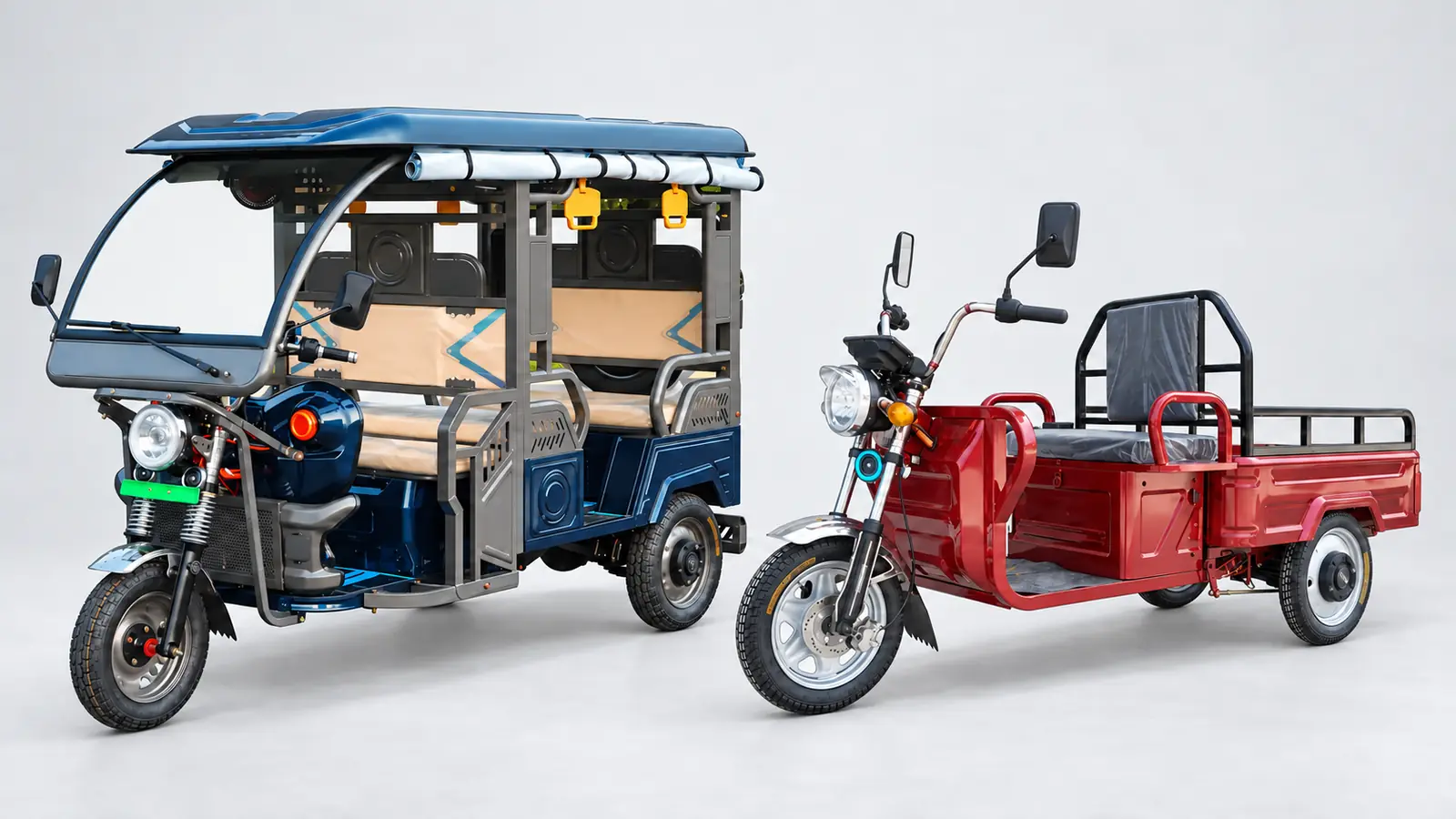
Adult electric tricycles differ in how they are driven, what they carry and how their bodies are arranged. “Adult” describes the intended user; “electric” means that a motor contributes to propulsion. Those labels alone do not tell you whether the vehicle supports pedalling, provides additional passenger seats or has a dedicated cargo area. The useful […]

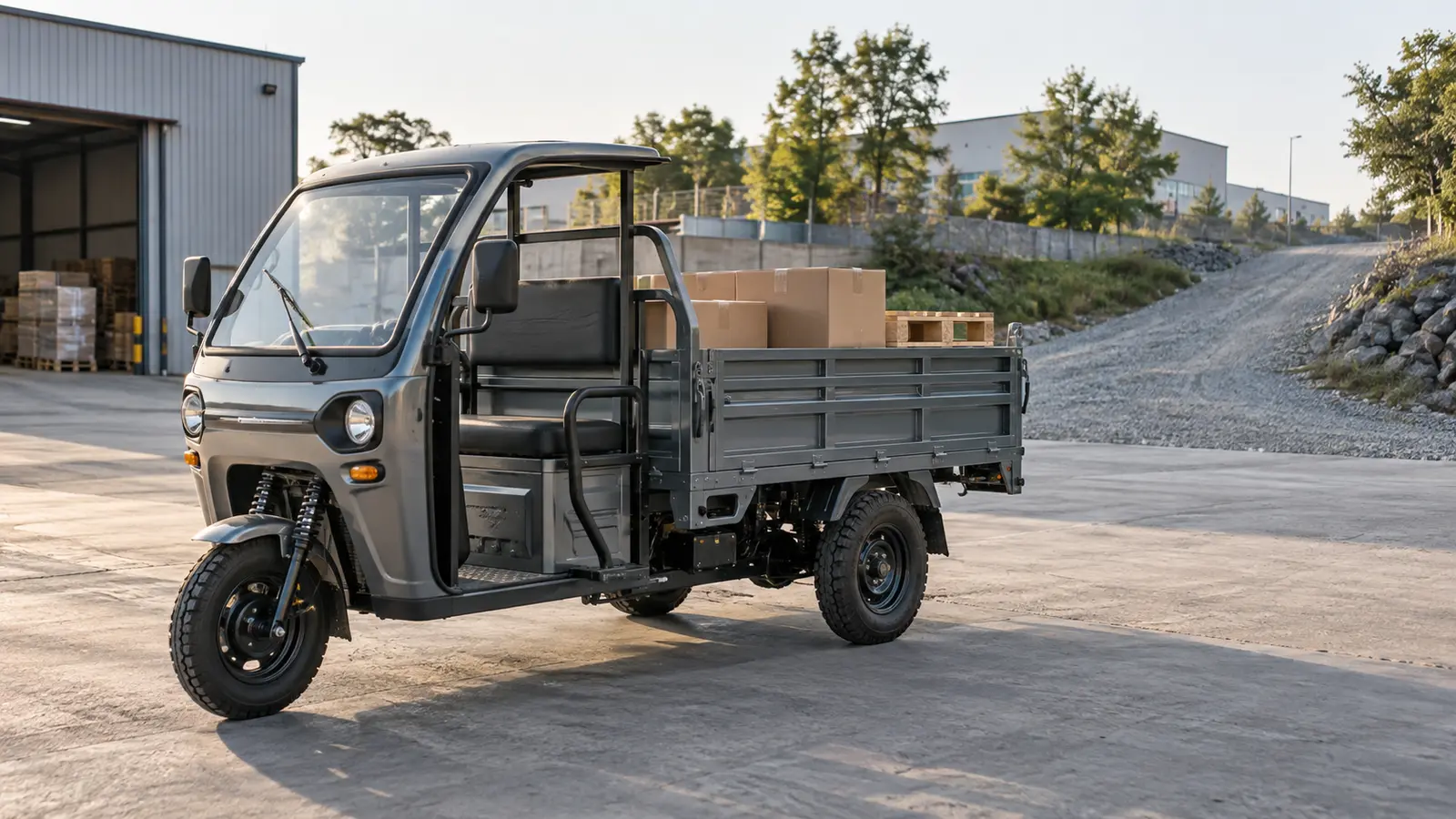
ZB18 PRO Enclosed Cargo Electric Tricycle: What to Specify
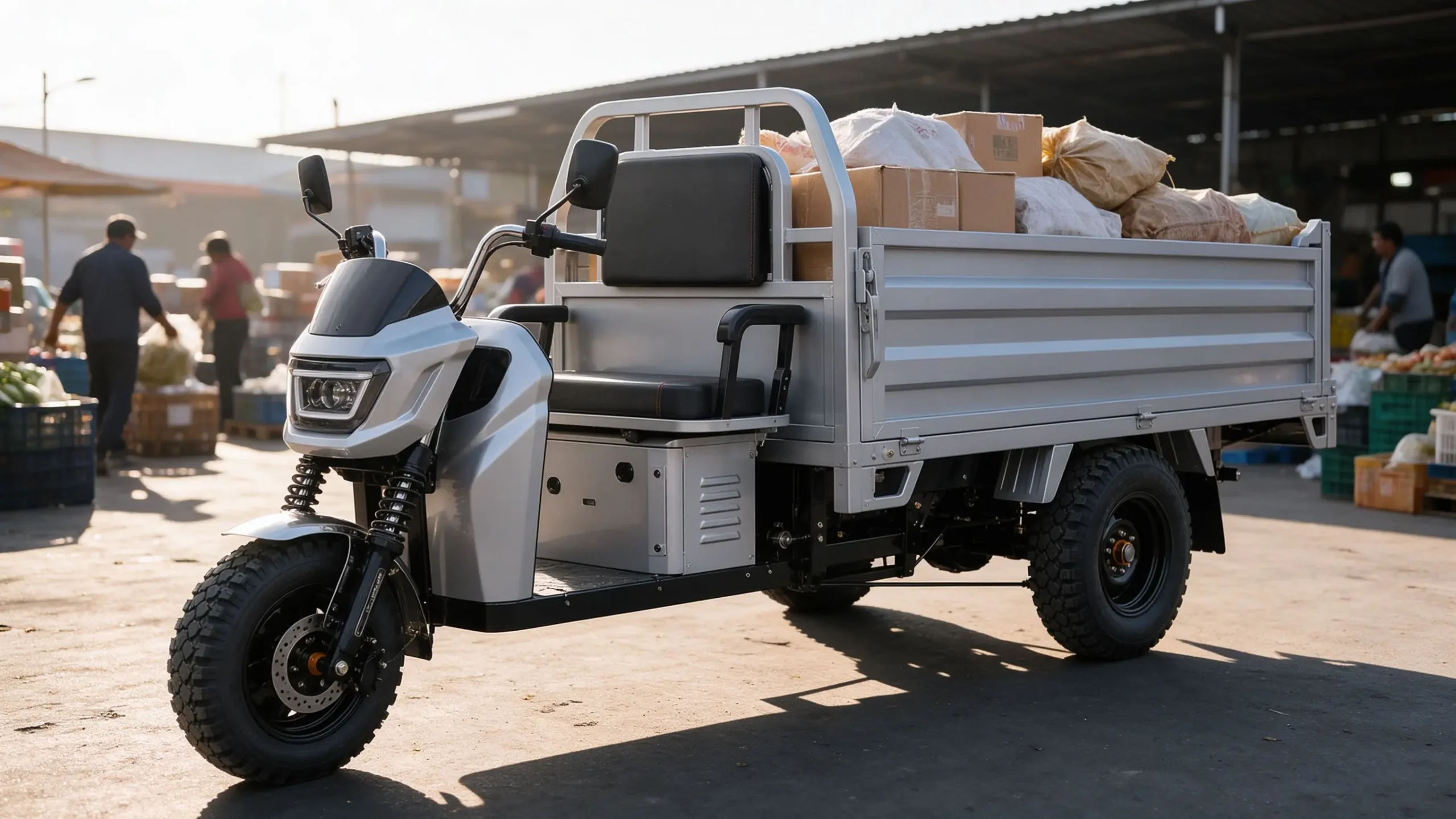
To specify the ZB18 PRO Enclosed Cargo Electric Tricycle for a business order, define the cargo, loading access, route, charging arrangement and supplied vehicle configuration before comparing prices. The model name identifies a starting point; it does not, by itself, establish how many delivery boxes will fit, how far a loaded vehicle will travel or […]

What Is an E-Rickshaw? Types, Uses and Key Components
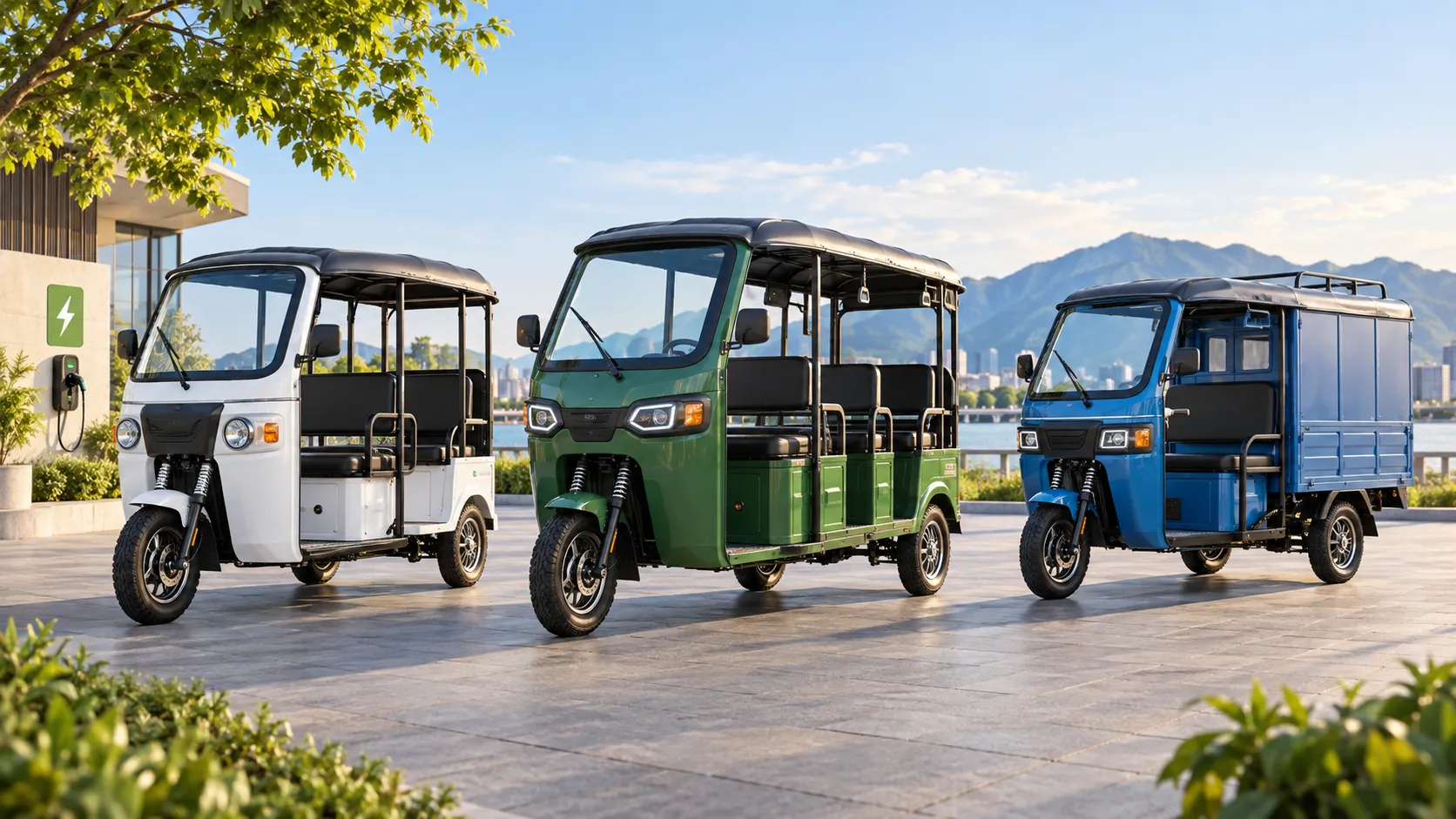
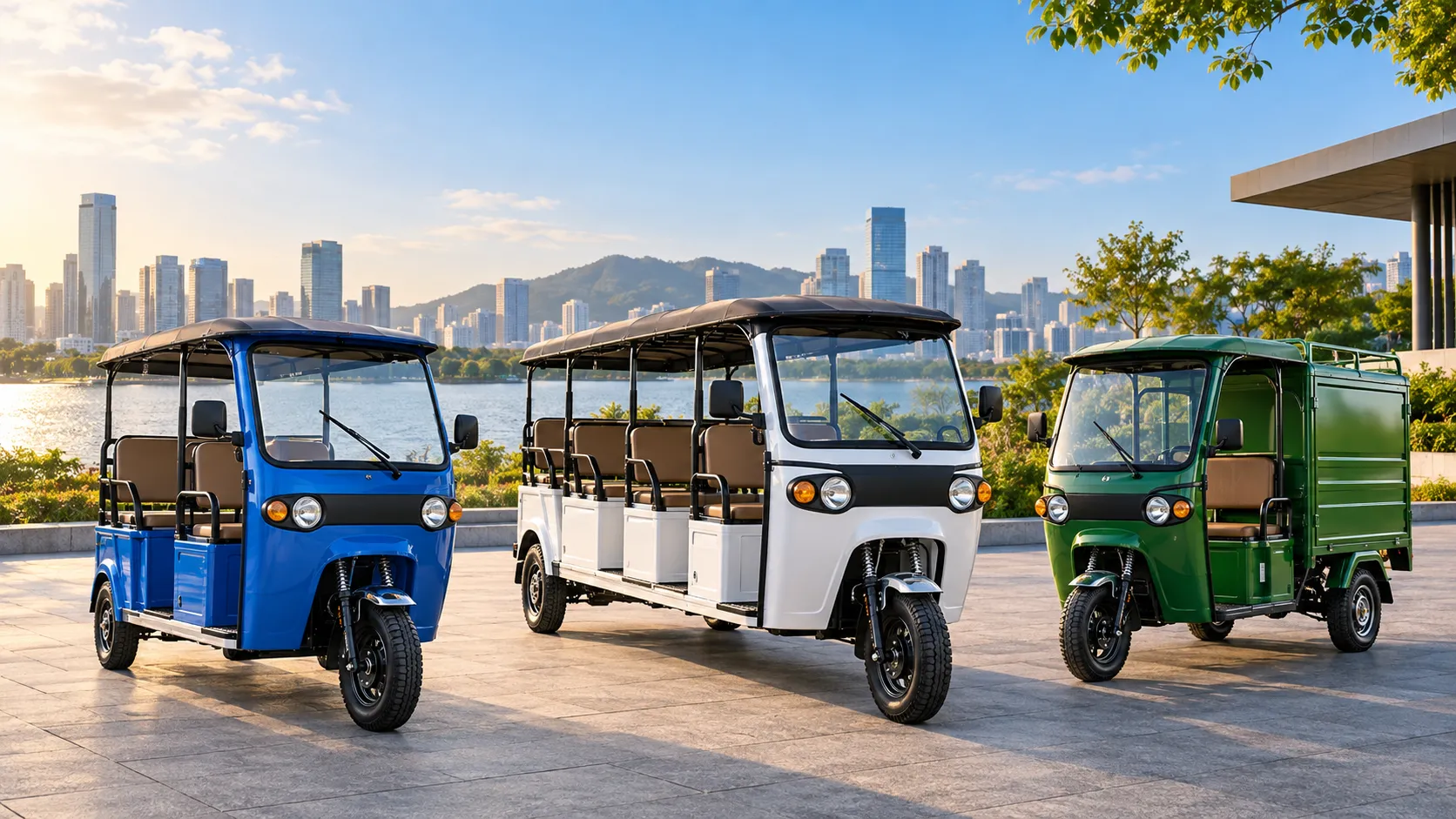
An e-rickshaw is a battery-powered three-wheeled vehicle designed mainly for short-distance passenger transport, although some configurations combine passenger seating with cargo or utility functions. Depending on the market, similar vehicles may also be described as electric rickshaws, electric tuk-tuks or passenger electric tricycles. The name alone, however, does not define the vehicle specification. Passenger capacity, […]

What Is the Price of an E-Rickshaw? Key Cost Factors
There is no single fixed price for an e-rickshaw because the term covers vehicles with different passenger capacities, loading requirements, batteries, voltage platforms, motors, bodies and operating roles. A quotation for a compact local passenger vehicle cannot be compared directly with a higher-capacity passenger model simply because both are described as electric rickshaws. For B2B […]

How Should Buyers Match a Cargo Electric Tricycle to Load and Route Duty?
A cargo electric tricycle should be selected from the work cycle, not from one headline specification. Buyers need to define the actual cargo mass and volume, route distance, road grade, surface condition, stop frequency, operating hours, charging window, cargo-body requirement and destination-market rules before comparing models. These inputs interact: a route with repeated starts, steep […]