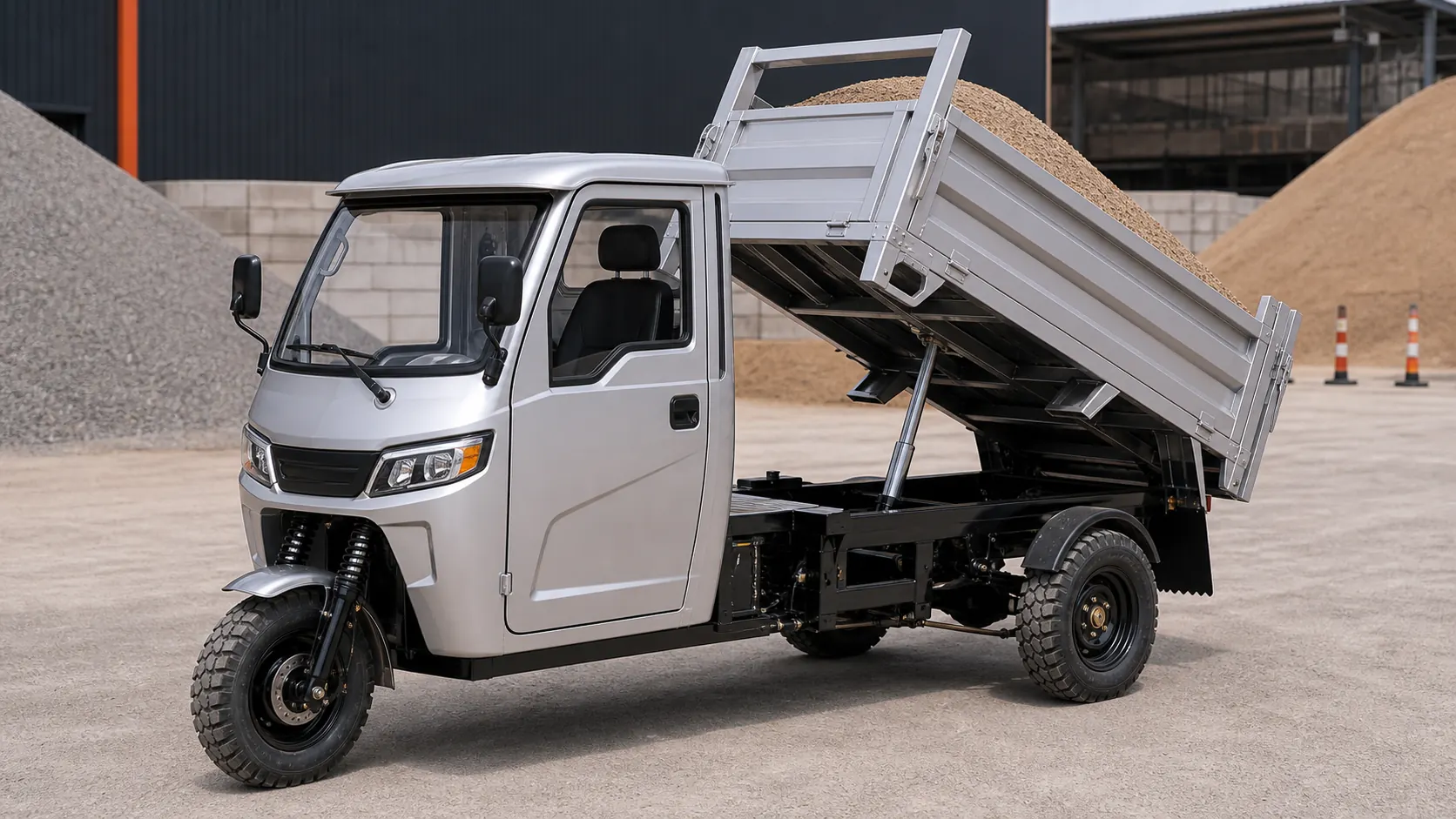
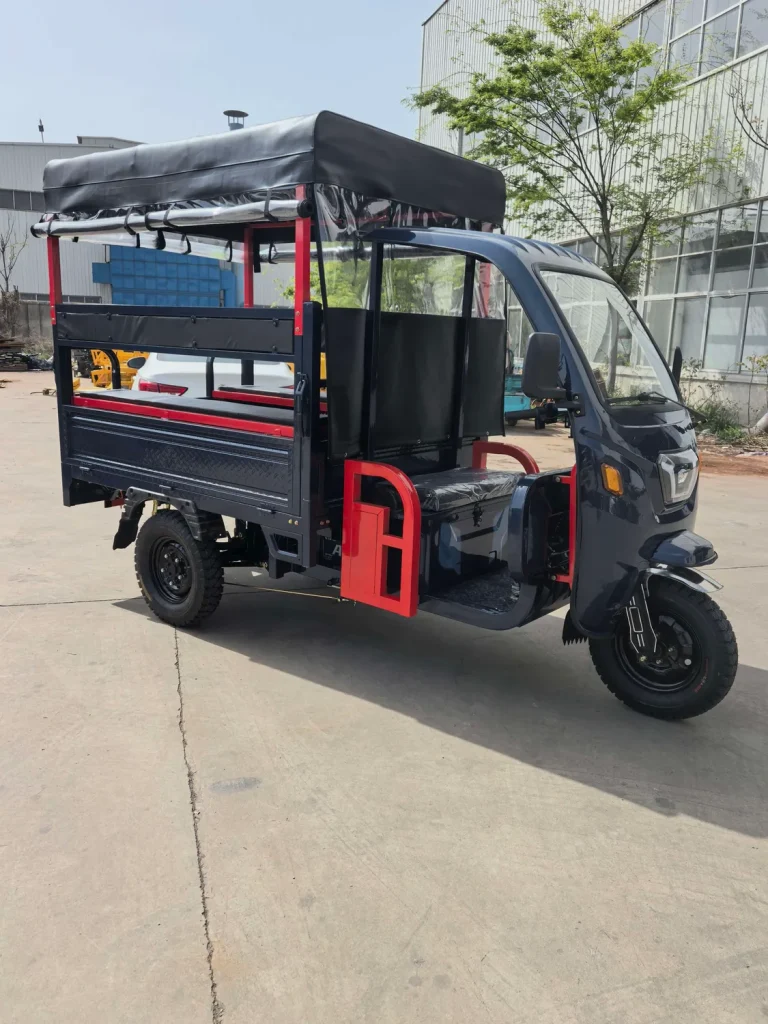
HPZ20 Cargo Electric Tricycle
HPZ20 Cargo Electric Tricycle complete vehicle detail for export buyers, with market fit, configuration notes, RFQ preparation and optional matching parts support.
Read MoreElectric Tricycle For Handicapped Selection Guide | Xuzhou LVHANG Vehicle Industry Co., Ltd.
An electric tricycle for a handicapped rider is usually chosen for stable seated mobility, short local trips, and easier mounting than a two-wheel vehicle. The main decision is not only motor power or battery size; it is whether the frame, controls, seat access, braking, and storage layout match the rider’s physical ability and daily route.
For a personal mobility vehicle, small design details matter. A low step-in area, supportive seat, predictable throttle response, parking brake, reverse function, and room for walking aids or small cargo can make the difference between a vehicle that is used every day and one that feels difficult or unsafe.
HPZ20 Cargo Electric Tricycle complete vehicle detail for export buyers, with market fit, configuration notes, RFQ preparation and optional matching parts support.
Read More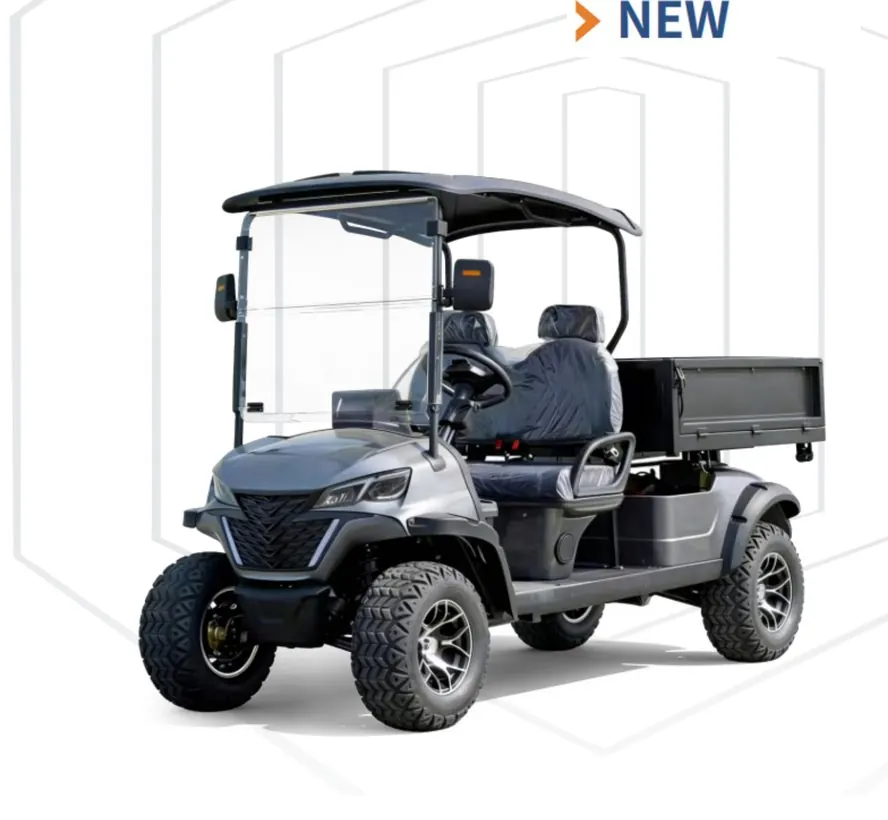
A utility electric tricycle for resort operations, light cargo movement and mixed passenger-service routes where compact size and serviceable drive parts matter.
Read More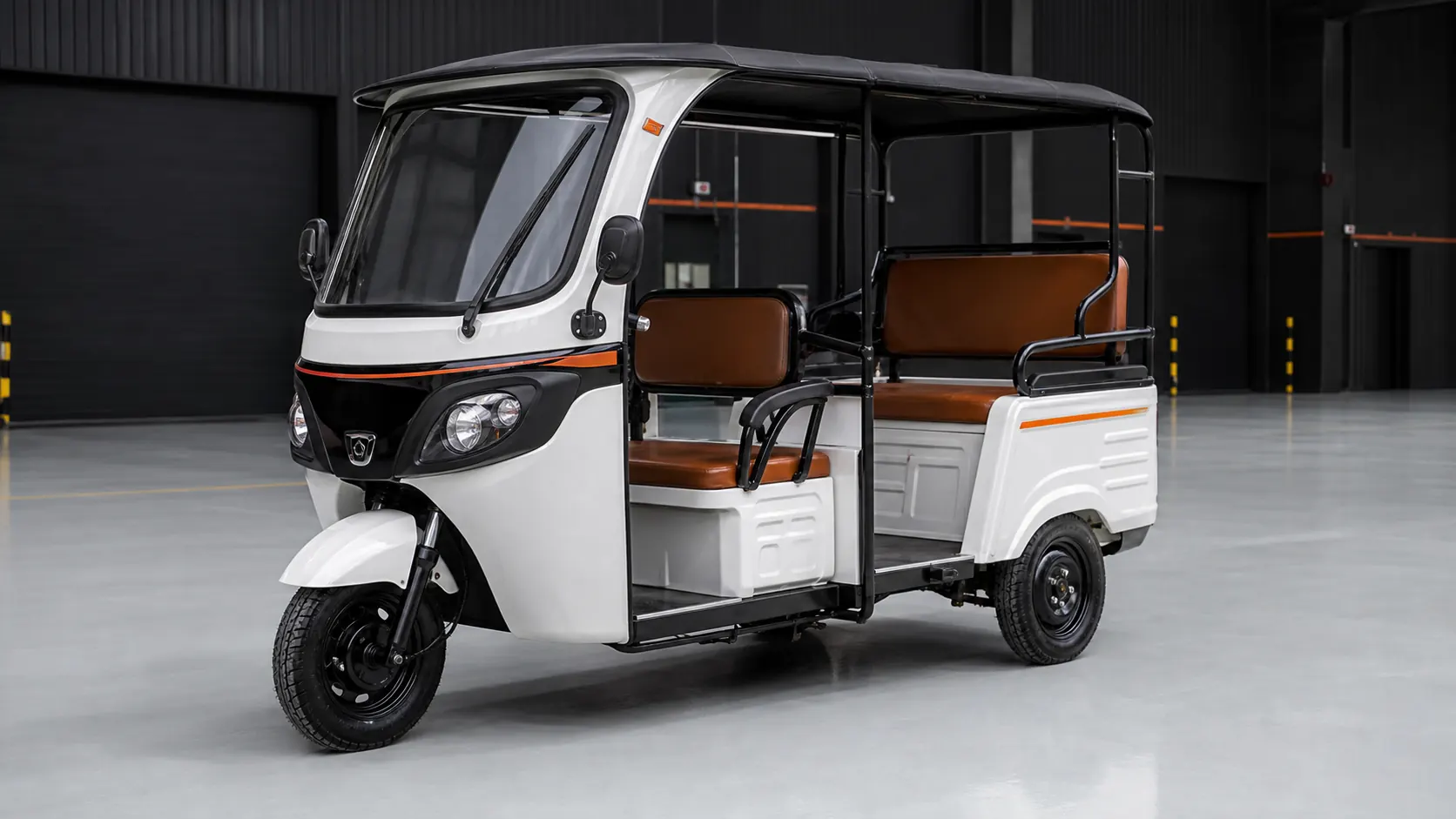
K01 Passenger Electric Tricycle complete vehicle detail for export buyers, with market fit, configuration notes, RFQ preparation and optional matching parts support.
Read More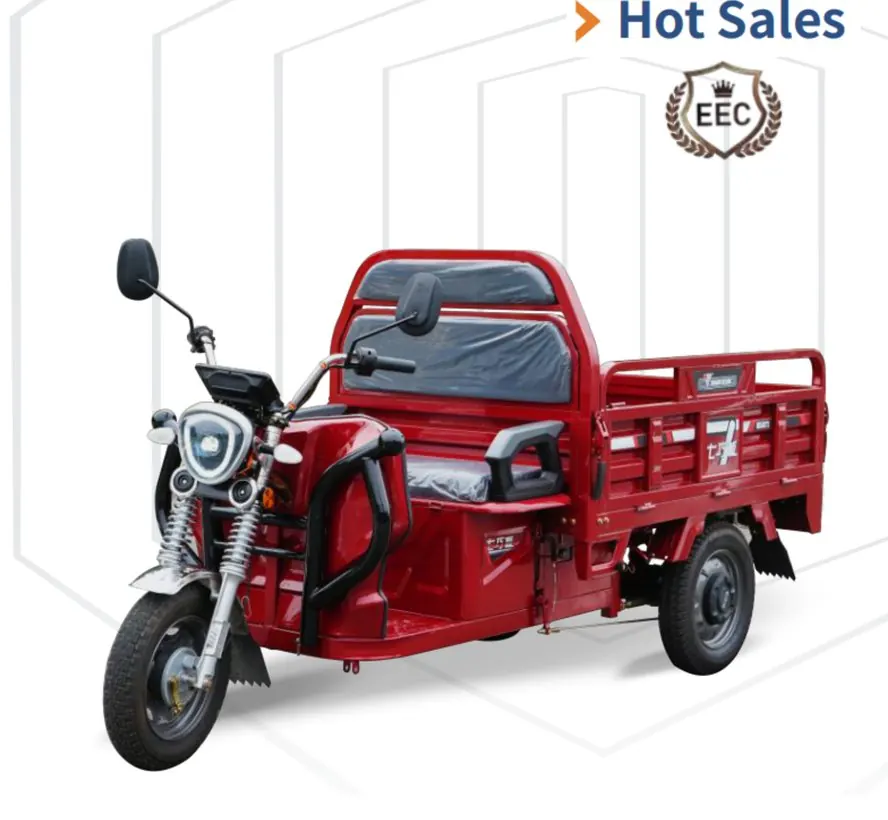
A mid-size cargo electric tricycle with 1500 x 1000 mm cargo box reference for daily delivery, market and service operations.
Read More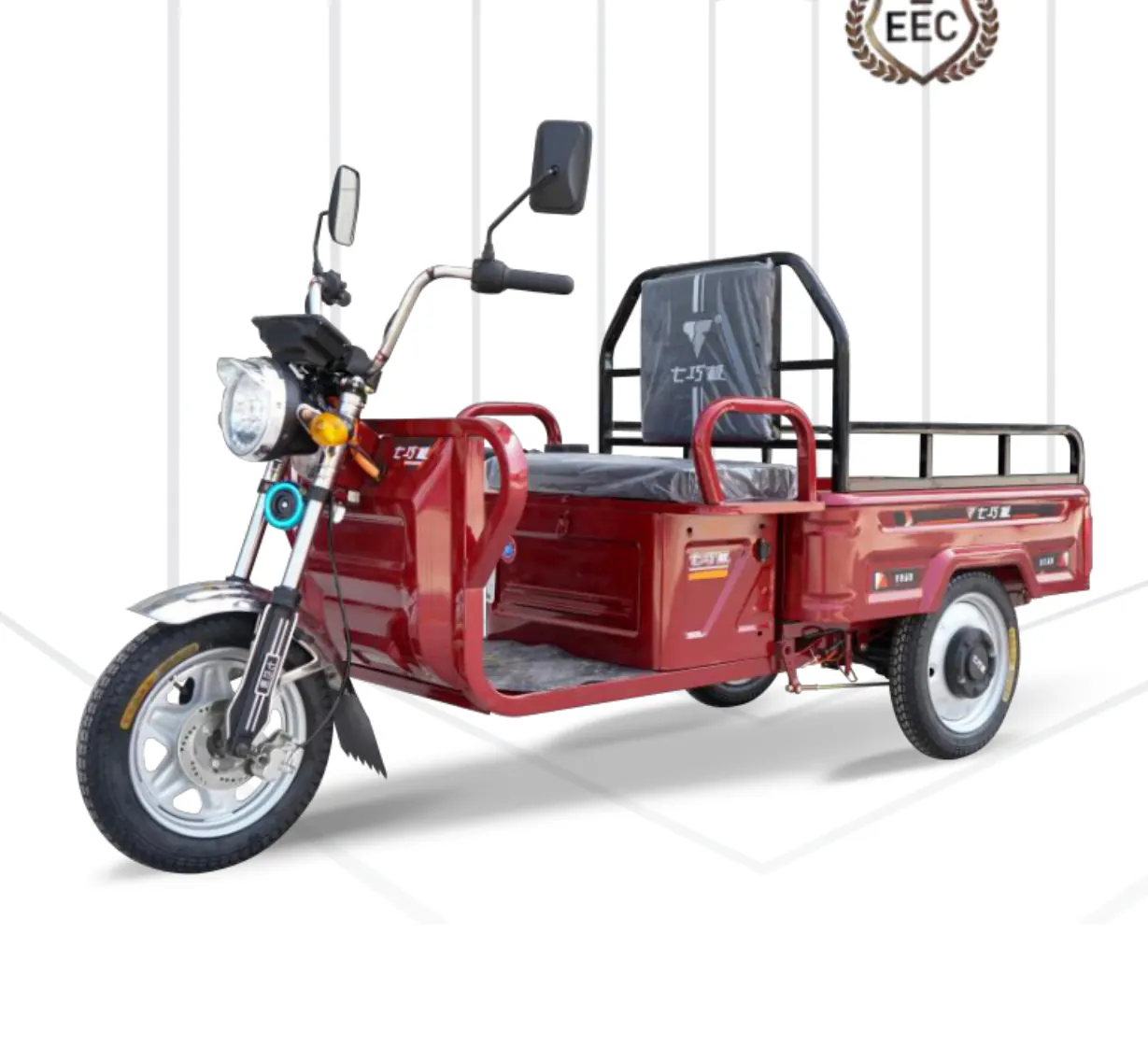
A compact cargo model for markets that need a lighter electric tricycle with practical mileage and a straightforward 60V power system.
Read More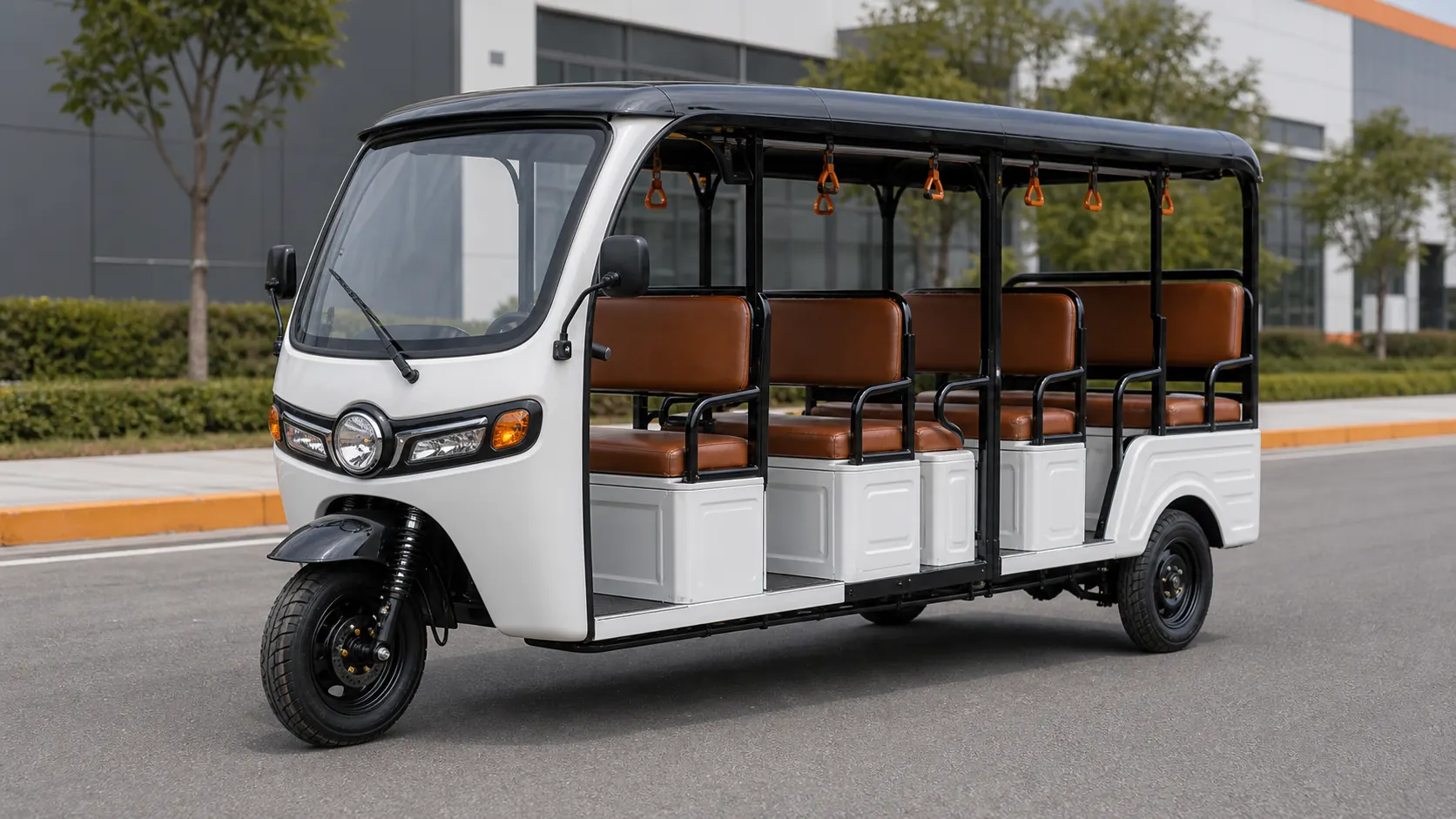
K03 Passenger Electric Tricycle complete vehicle detail for export buyers, with market fit, configuration notes, RFQ preparation and optional matching parts support.
Read MoreSelection factors
Good selection starts with accessibility, control layout, seating comfort, braking, route suitability, and service support. Product photos alone are not enough; ask for the dimensions and operating details that show how the rider will mount, sit, steer, stop, park, and charge the electric tricycle in normal daily use.
| Criterion | What To Check | Why It Matters | Buyer Tip |
|---|---|---|---|
| Rider access and transfer | Review the seat height, step-through opening, footrest position, and space beside the seat; ask for clear product dimensions and photos. | A rider with limited leg strength or balance needs to get on and off without awkward lifting, twisting, or reaching. | Can the seat, armrests, footrests, or step be adjusted for the rider’s transfer method? |
| Low-speed stability and control | Confirm the wheel layout, parking stability, steering effort, turning space, and the controls the rider can operate with one or both hands. | A stable, predictable tricycle is easier to manage at walking pace, around doorways, and during stops. | Can you provide a demonstration or video showing slow turns, braking, and starting on the intended surface? |
| Seat support and rider restraint | Check back support, cushioning, armrest design, foot support, and whether a suitable belt or other restraint is available. | Support affects posture and comfort, while secure positioning helps reduce sliding during braking or uneven travel. | Which seating and restraint options suit a rider who cannot sit upright for long or has limited trunk control? |
| Battery use and charging access | Ask about battery removal, charger handling, charging location, expected use per charge, and what happens as the battery ages. | A tricycle may be unsuitable if the rider cannot safely move the battery, reach the charging point, or complete the intended daily trips. | Can the battery be charged without lifting it, and what range should we expect for the rider’s route, load, hills, and stop-start use? |
| Service and replacement parts | Confirm the service procedure, parts availability, warranty terms, and who can diagnose the motor, controller, brakes, and battery. | Mobility equipment needs dependable support; a small fault can prevent the rider from using the vehicle at all. | Which replacement parts are stocked, and who handles troubleshooting after delivery in our area? |
The practical distinction is between a standard passenger electric tricycle and a tricycle adapted for a handicapped rider. A standard model may provide three-wheel stability, but it may still have a high floor, narrow foot area, hard-to-reach controls, or a seat that is difficult to transfer into from a wheelchair or walking frame.
For a handicapped user, comfort and control should come before appearance or maximum speed. The buyer should confirm how the rider gets on and off, how the vehicle behaves at low speed, whether the brake and throttle can be operated comfortably, and whether the tricycle remains stable during turns, slopes, and stops.
Start with the rider’s mobility condition, not the vehicle model. A user who can walk short distances may need a different step-in height and seat arrangement than a user who transfers from a wheelchair. Ask about seat width, back support, armrest position, foot space, and whether the rider can reach the handlebar or control panel without leaning forward.
Match the tricycle to the route. Flat community roads, factory compounds, villages, hospital grounds, and market streets place different demands on tires, suspension, brakes, turning radius, and battery range. A tricycle used mainly indoors or in a gated area should be easy to maneuver slowly; one used outdoors needs better stability over uneven surfaces and clear lighting for visibility.
Avoid choosing only by battery capacity or advertised range. Real use depends on rider weight, passenger or cargo load, road surface, stops, slope, and driving style. It is better to explain the daily distance, charging location, expected load, and whether the vehicle will carry groceries, medical items, a cane, a walker, or a folded wheelchair.
Before placing an order, confirm the details that affect daily safety: braking method, parking brake, reverse gear, speed control, seat locking, anti-tip behavior, charger type, spare parts availability, and after-sales support. If asking Xuzhou LVHANG Vehicle Industry Co., Ltd. about a suitable option, share the rider’s access needs and route conditions so the reply can focus on fit rather than a generic tricycle description.
| Criteria | Importance | Description | Example Options |
|---|---|---|---|
| Entry and transfer access | High importance because a vehicle that is difficult to mount or leave may not be used safely or consistently. | Compare step-in height, seat height, seat width, back support, armrests, foot space, and the clearance needed for a transfer from a standing position, walking aid, or wheelchair. | A rider who can walk only a few steps may need a low, unobstructed entry and stable hand support. |
| Three-wheel layout versus a four-wheel alternative | Important when the route includes tight turns, slopes, uneven surfaces, or areas where the rider has limited balance. | A three-wheel vehicle may maneuver more easily in confined spaces, while a four-wheel design offers a different stability arrangement. Compare turning space and behavior during slow turns rather than choosing by wheel count alone. | A compact courtyard may favor easy turning, while a route with frequent uneven turns calls for careful stability assessment. |
| Controls and low-speed handling | Critical for riders with limited hand strength, reach, coordination, or reaction speed. | Check throttle and brake reach, steering effort, reverse operation, speed control, parking brake, and whether the rider can stop and restart smoothly from the seated position. | Controls that require leaning forward or gripping tightly may be unsuitable for a rider with restricted arm movement. |
| Route, load, and ground conditions | High importance because the same vehicle can feel different on flat pavement, slopes, rough paths, and with added cargo. | Match the configuration to daily distance, rider and cargo weight, road surface, gradients, turning areas, and the need to carry walking aids or personal items. Treat stated range as conditional rather than universal. | A short flat trip carrying a small bag creates different demands from a longer route over uneven ground with a walking frame. |
| Charging and ongoing support | Important for reliable daily use and for reducing avoidable downtime. | Confirm charger compatibility, charging location, battery replacement options, spare parts, maintenance guidance, and the process for resolving operating or service questions. | A buyer without a sheltered charging area should clarify where and how the vehicle can be charged safely between trips. |
Related Options
For a handicapped rider using an electric tricycle for neighborhood travel, the priority should be steady low-speed control and easy entry rather than high speed. A practical setup should support the rider’s body position, provide secure braking when stopped, and leave enough space for the items the rider carries every day.
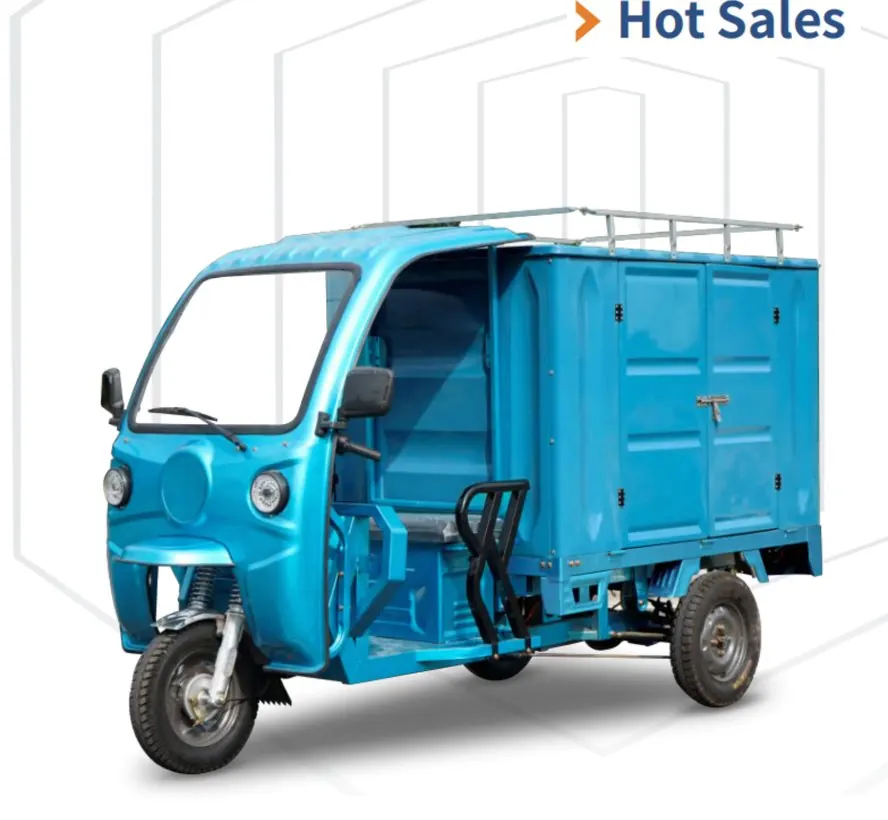
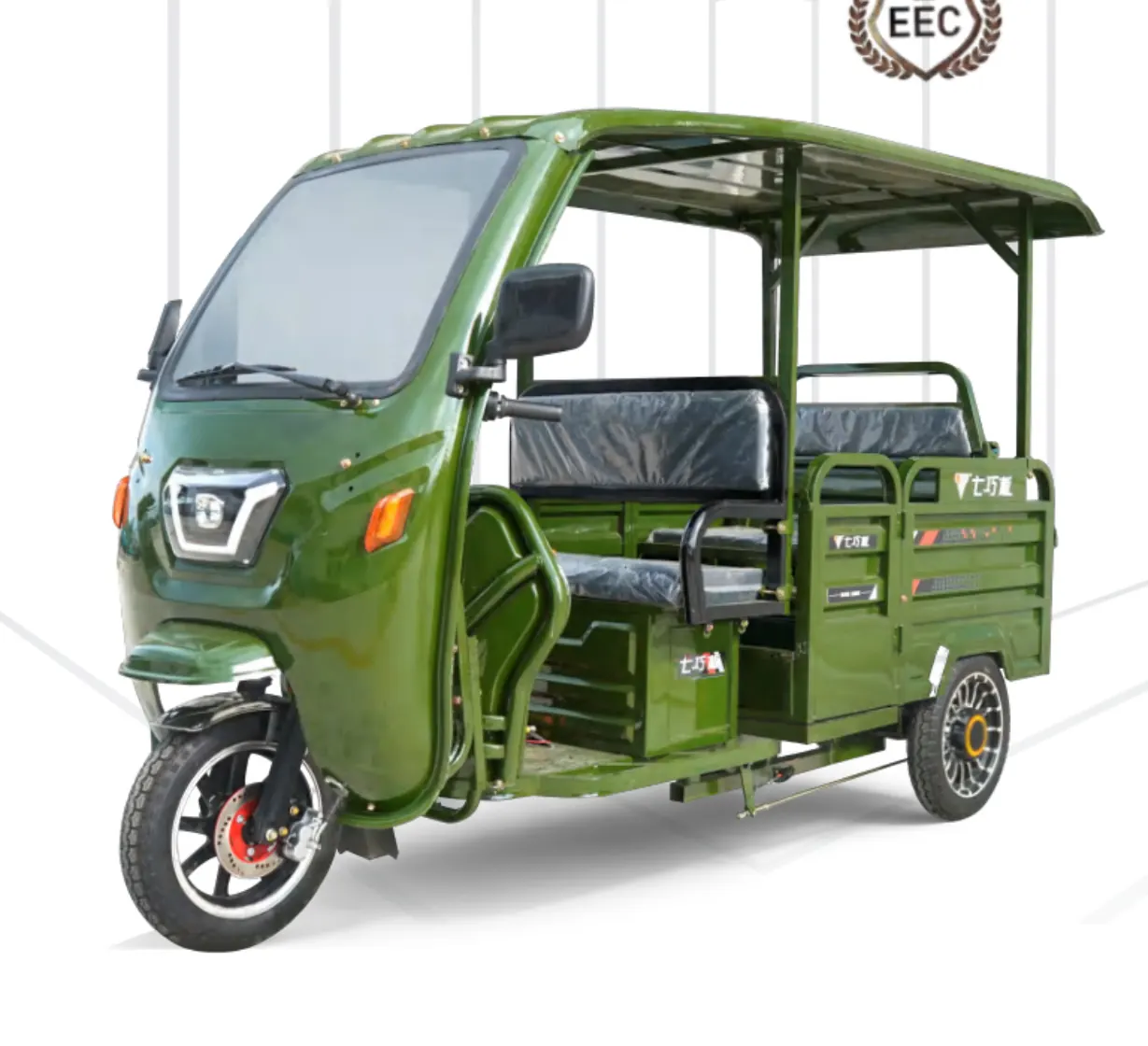
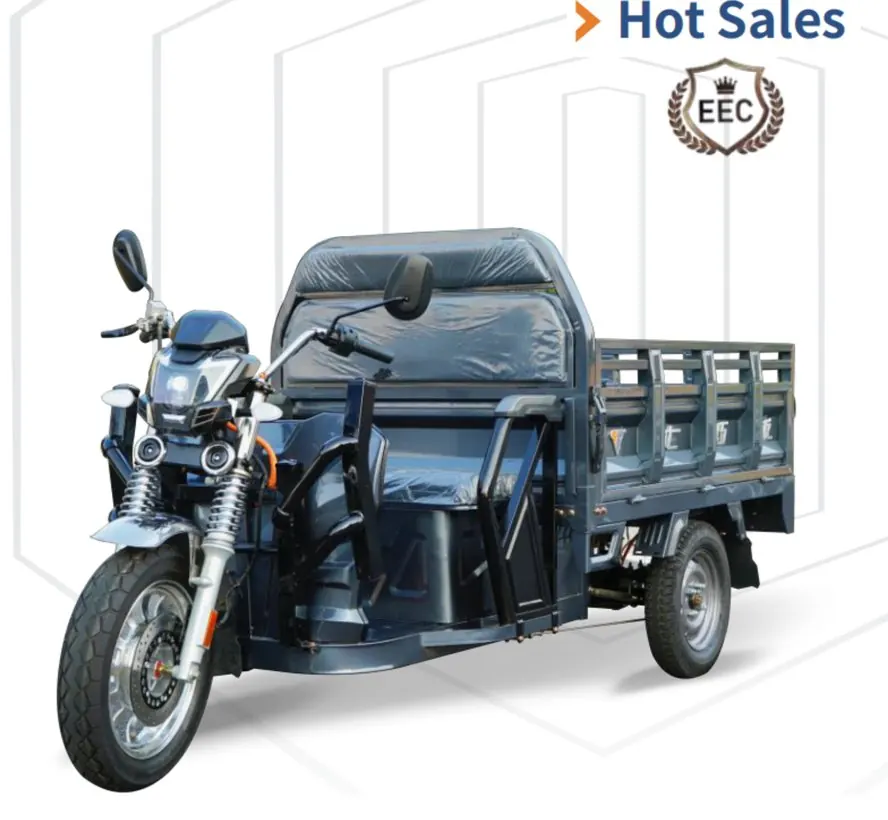
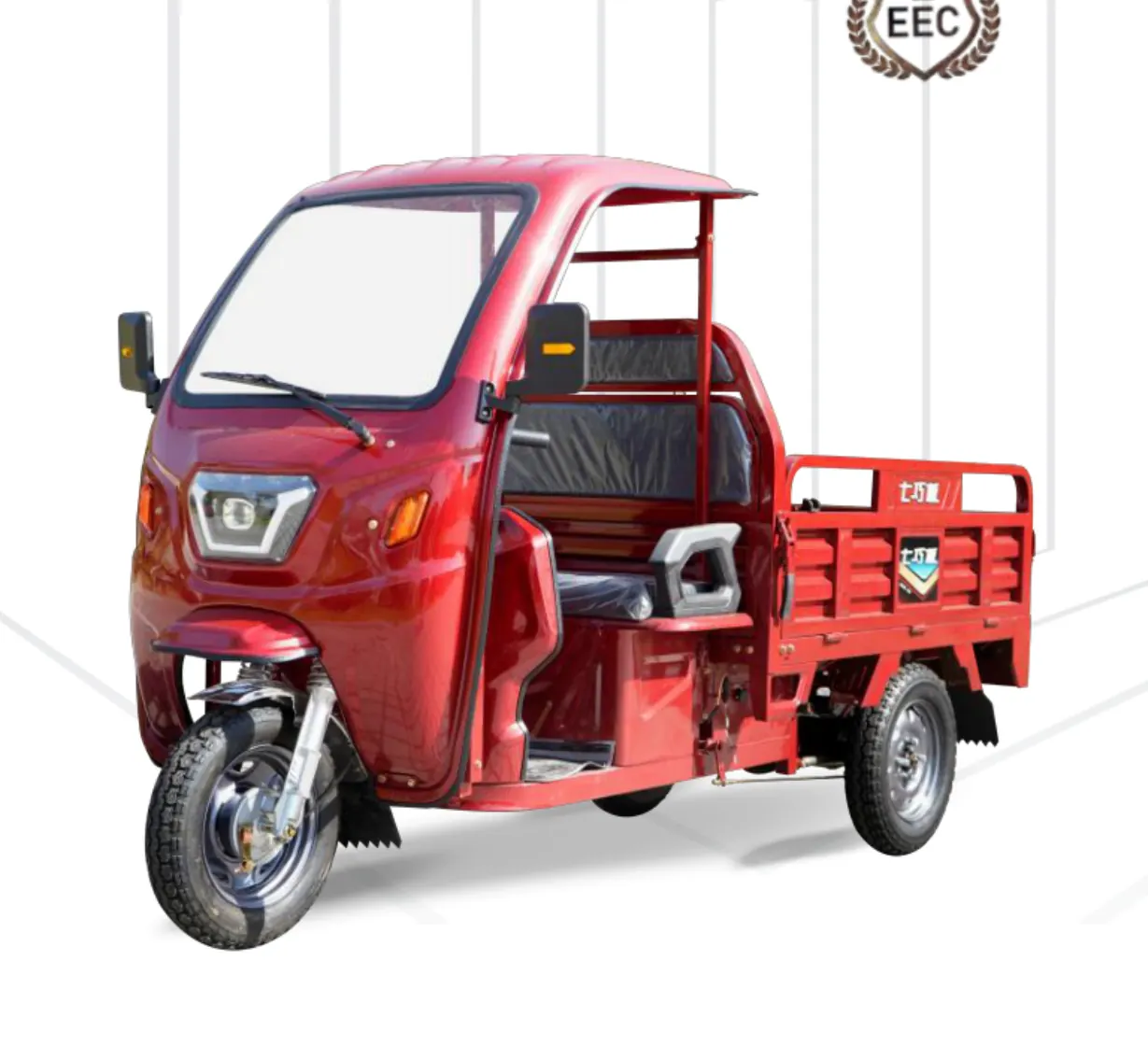
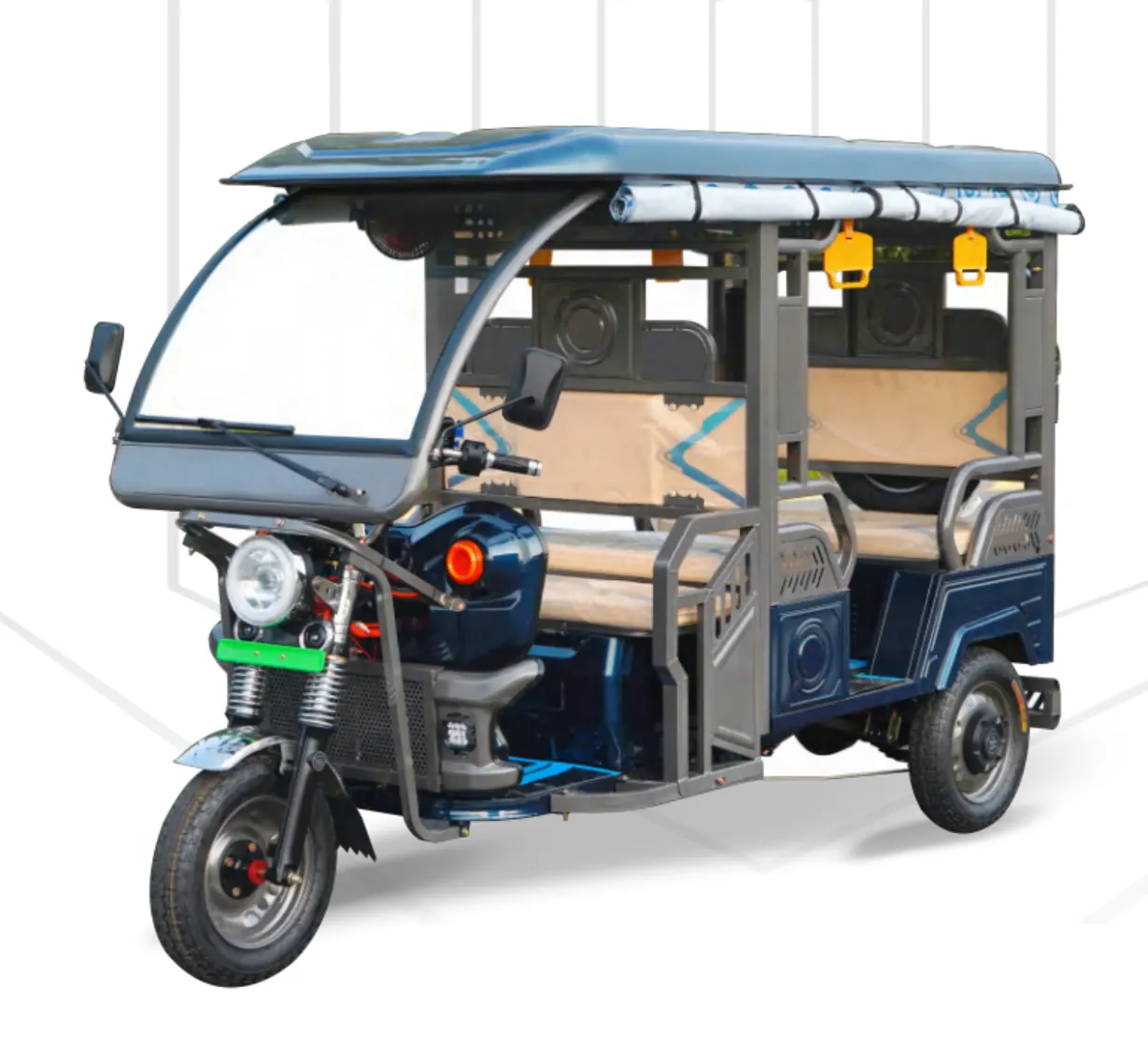
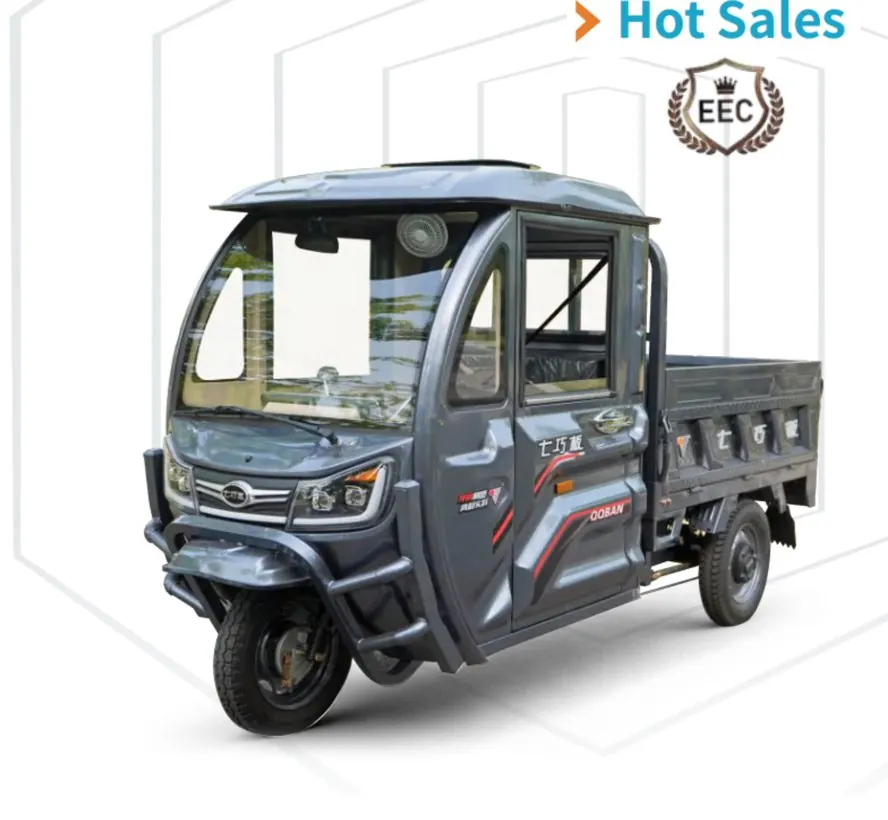
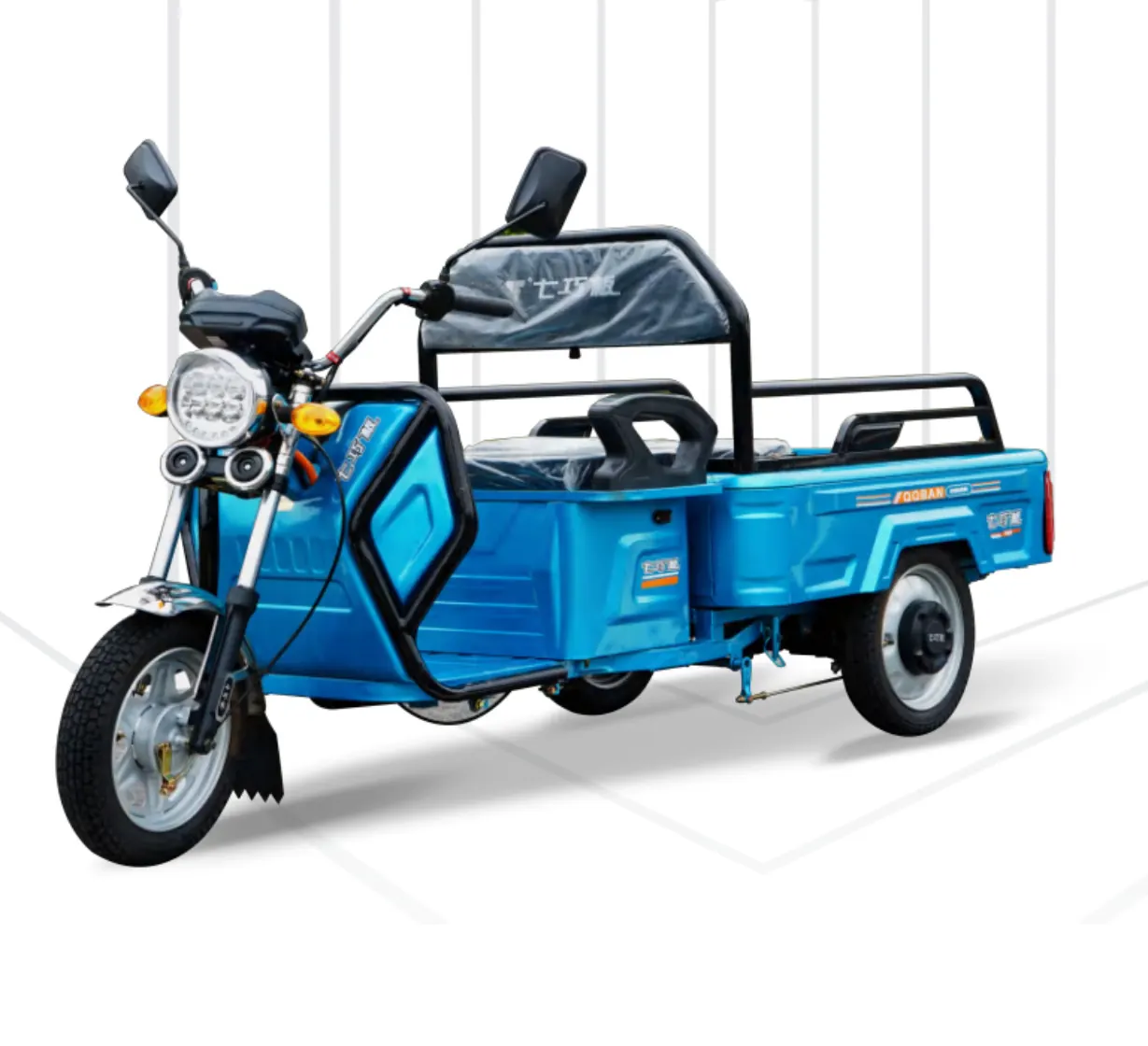
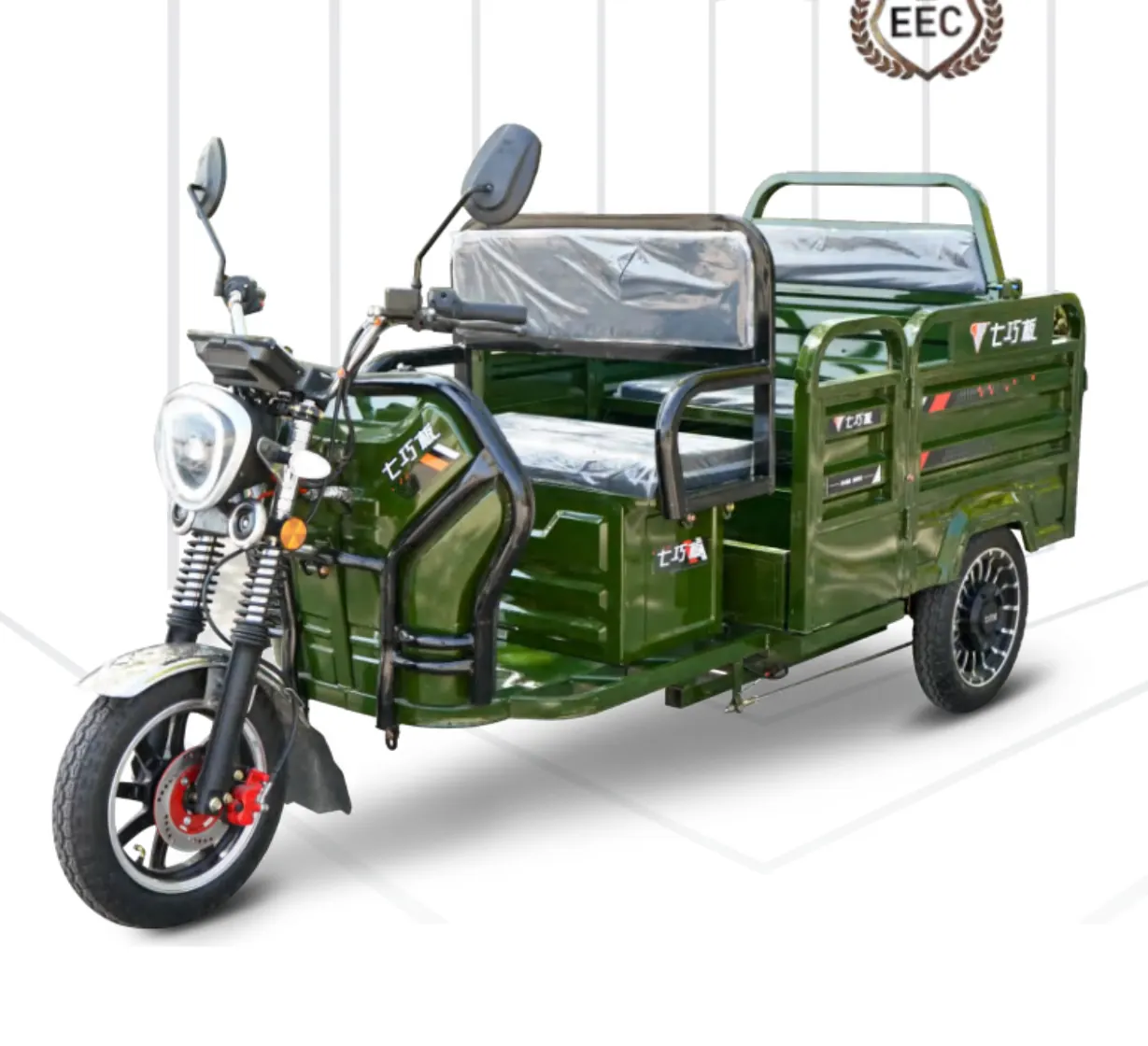
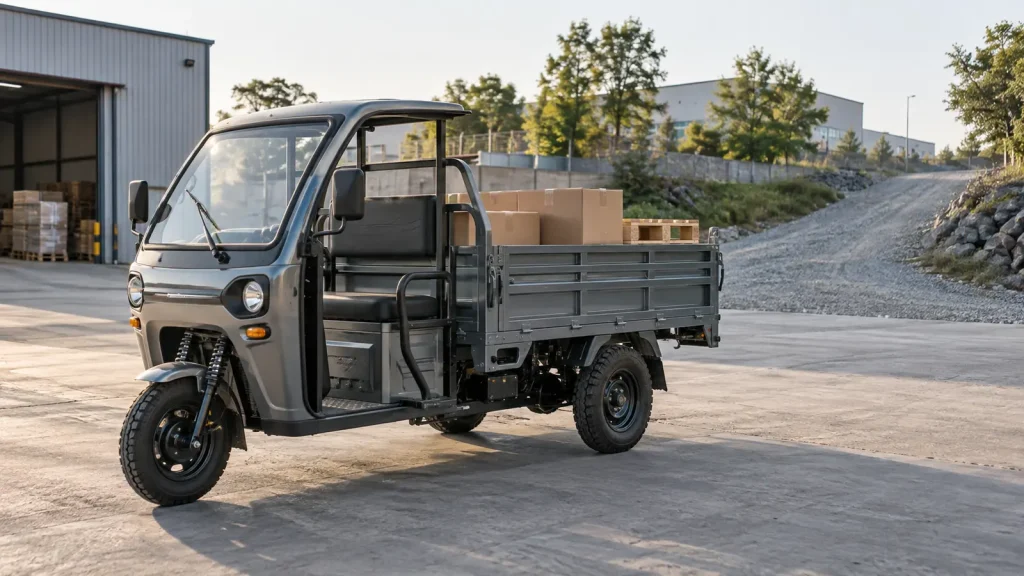
A cargo electric tricycle should be selected from the work cycle, not from one headline specification. Buyers need to define the actual cargo mass and volume, route distance, road grade, surface condition, stop frequency, operating hours, charging window, cargo-body requirement and destination-market rules before comparing models. These inputs interact: a route with repeated starts, steep […]
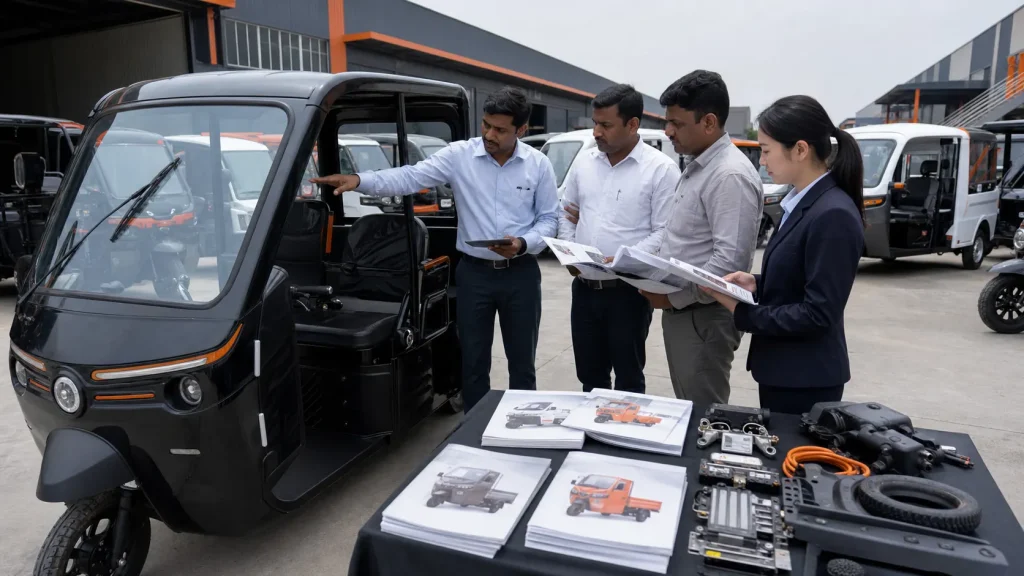
April 21, 2026 / Fengxian, Xuzhou

Parts buyers usually need system-based packing, clear carton lists and repeat order planning rather than one-time sourcing.
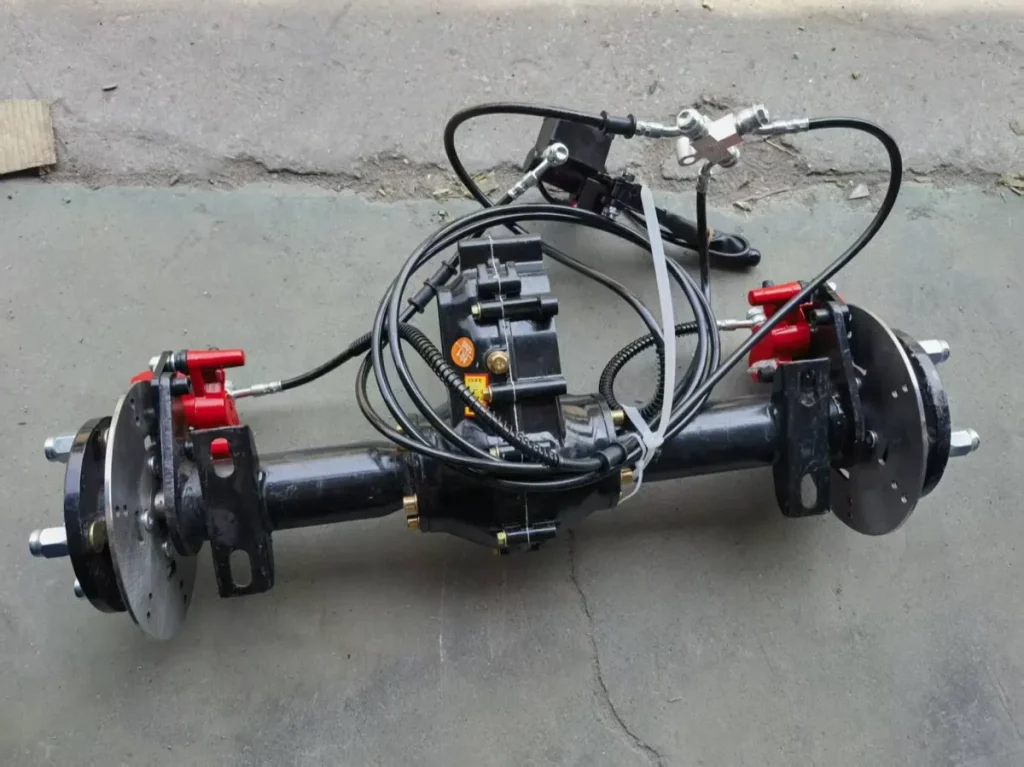
Start with parts that fail, wear or get replaced most often, then use vehicle compatibility to avoid slow-moving inventory.
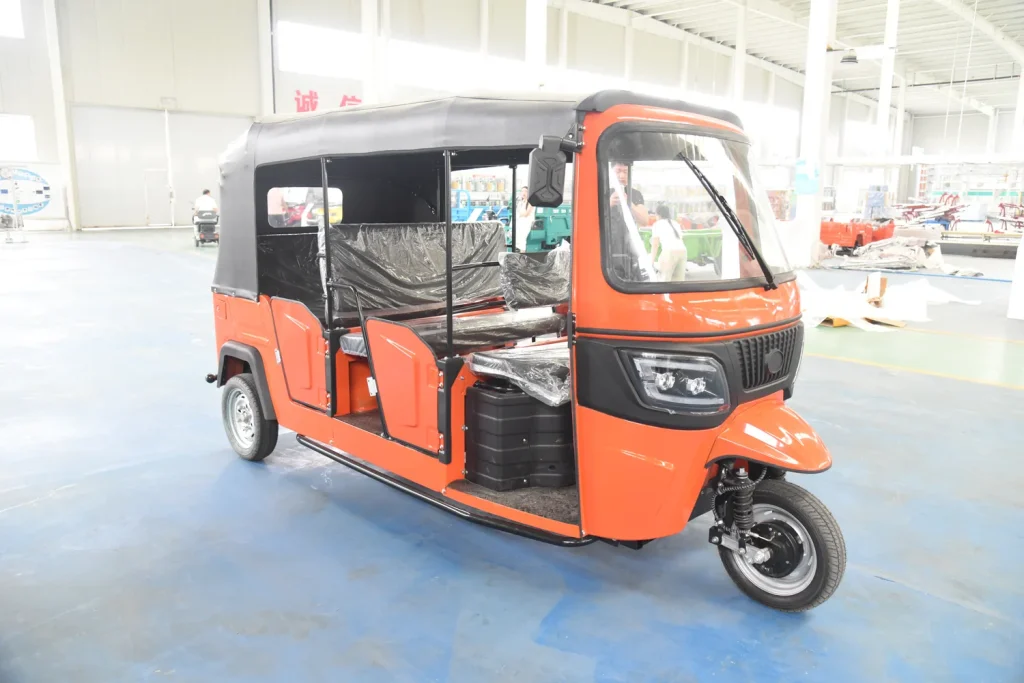
The feeling brought to me by the newly purchased manned electric tricycle
Possibly, but the answer depends on the rider’s transfer ability and the vehicle’s entry height, seat position, foot area, and available support. Do not assume that a standard passenger tricycle can carry a wheelchair; confirm whether the wheelchair is folded and stored, or whether the vehicle is designed for wheelchair access.
A three-wheel layout can offer a tighter turning circle and may suit paved paths or compact compounds. A four-wheel mobility vehicle may provide a different stability feel, especially during turns, so the choice should reflect the rider’s balance, route width, surface, and confidence at low speed.
No. Usable distance also changes with rider weight, cargo, slopes, road surface, stopping frequency, temperature, and driving style. Ask for the conditions behind any range statement and match them with the rider’s actual daily route.
Ask whether the rider can comfortably reach and operate the throttle, brake, direction controls, reverse function, lights, and parking brake from the normal seated position. Request clear information about control placement, low-speed behavior, seat access, and the charger before comparing models.
Share the usual distance, surface, slopes, narrow passages, turning areas, and whether the vehicle will carry groceries, medical items, a walking aid, or a folded wheelchair. Indoor or gated use usually makes maneuverability and gentle control especially important, while outdoor routes require closer attention to braking, ground clearance, lighting, and surface irregularities.
Please describe the rider’s mobility condition, the usual daily route and distance, and any access needs such as low entry, armrests, reverse gear, walking-aid storage, or space for a folded wheelchair.